Surface Mount Technology (SMT) has revolutionized electronics by allowing smaller, faster, and more efficient devices. For many hobbyists and engineers, however, the transition from through-hole components to tiny Surface Mount Devices (SMDs) can be daunting. The question "How do you solder surface mount components?" often comes with a fear of intricate work and specialized equipment. Fear not! While it requires practice and a steady hand, soldering SMD components is an achievable skill using several methods, from simple hand tools to more professional setups.
This guide will walk you through the essential tools, techniques, and methods for successfully soldering SMD components.
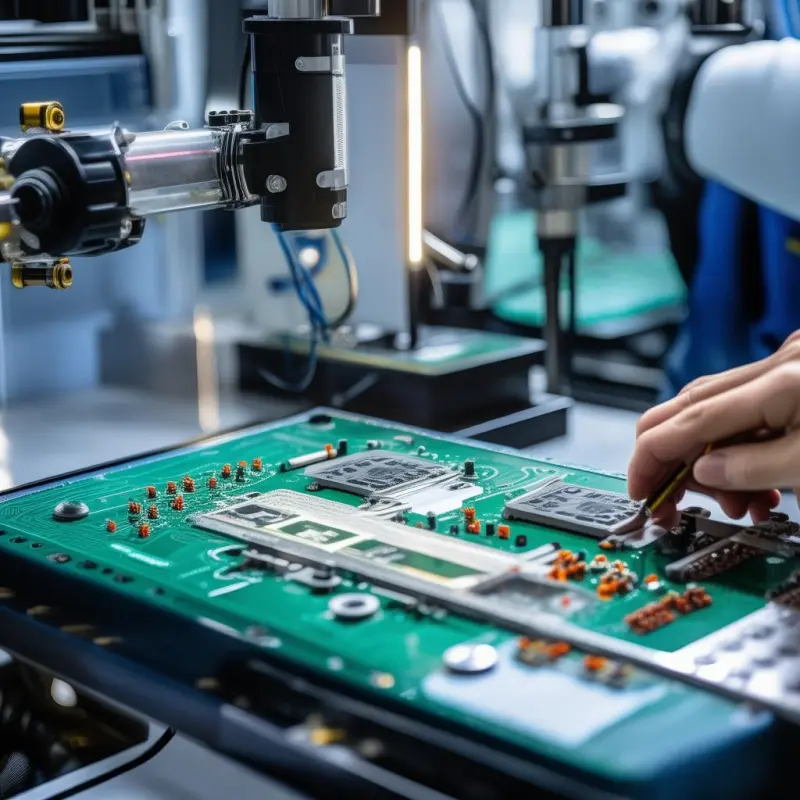
Essential Tools and Materials
Before you begin, gathering the right tools is half the battle:
Soldering Iron: A fine, sharp tip is crucial. A temperature-controlled iron is highly recommended for consistency and to prevent thermal damage.
Solder: Thin gauge solder (0.015" - 0.020") is much easier to work with than standard thick solder. Both leaded and lead-free are options, with leaded (60/40 or 63/37) being easier to use due to its lower melting point and better flow.
Solder Paste: A no-clean flux solder paste is essential for the reflow methods and helpful for hand soldering. It comes in syringes for easy application.
Flux: Liquid or gel flux is your best friend. It cleans the surfaces, prevents oxidation, and makes the solder flow beautifully. Do not skip this!
Tweezers: A good pair of fine, non-magnetic, ESD-safe tweezers is indispensable for picking up and placing components.
Magnification: A helping hands tool with a magnifying glass, a bench magnifier, or even optivisors are vital for inspecting your work and avoiding solder bridges.
Desoldering Braid & Solder Wick: For correcting mistakes and removing excess solder.
Isopropyl Alcohol & Brush: For cleaning off flux residue after soldering.
Method 1: Hand Soldering with an Iron (The Hobbyist's Approach)
This method is ideal for larger SMD components like resistors, capacitors, and SOIC-style integrated circuits (ICs).
Step-by-Step Process:
Preparation: Clean the PCB pads and ensure the components are ready. Apply a small amount of liquid flux to the pads on the PCB.
Placement: Using your tweezers, carefully position the component on its pads. Hold it down gently.
Tacking One Pad: Touch the tip of your soldering iron, with a small amount of solder on it, to one pad and the component's terminal simultaneously. The goal is to use just enough solder to hold the component in place. This is called "tacking."
Soldering the Opposite Side: Once the component is fixed and aligned, you can now solder the opposite terminal properly. Apply the iron tip to both the pad and the component lead, then feed a small amount of solder into the joint. It should form a shiny, concave fillet.
Completing the First Joint: Go back to the first tacked joint and properly solder it, adding a tiny bit more solder if needed.
Inspection and Cleanup: Inspect under magnification for solder bridges (short circuits between pins) or cold joints. Use desoldering braid to clean up any bridges. Finally, clean the area with isopropyl alcohol to remove flux residue.
Method 2: The "Drag Soldering" Technique for ICs
For ICs with multiple pins, like a TQFP package, drag soldering is an efficient technique.
Flux is Key: Generously apply liquid flux over all the pins of the IC and the PCB pads.
Tack and Align: Tack one or two corner pins to secure and align the IC perfectly.
The Drag Motion: Lightly coat your iron's tip with a small amount of solder. Then, with the iron tip held at a shallow angle, gently "drag" it slowly along the pins of the IC. The combination of flux and the right amount of solder on the tip will cause the solder to flow onto each pin individually, magically avoiding bridges.
Clean Up: If you still have a couple of bridges, don't panic. Add more flux and use a clean soldering iron tip or a solder wick to remove the excess solder.
Method 3: Solder Paste and Hot Air (The Rework Station Method)
This method mimics professional reflow ovens and is excellent for components with pins underneath, like QFNs or BGAs.
Apply Solder Paste: Use a syringe to apply a small amount of solder paste onto each of the PCB pads.
Place Components: Carefully place all your SMD components onto their respective pads using tweezers. The solder paste is slightly sticky and will hold them in place.
Apply Heat: Using a hot air rework station, select a suitable nozzle and set the temperature (typically around 300-350°C / 570-660°F). Keep the nozzle a few centimeters above the board and move it in a circular motion to evenly heat the component and the surrounding area.
The Reflow Process: You will see the solder paste first melt (become shiny and liquid), then the surface tension of the molten solder will "pull" the component into perfect alignment. This is known as the "self-alignment" effect. Once the solder flows, remove the heat and let the board cool naturally.
Method 4: The Toaster Oven / Hot Plate Reflow (DIY Style)
For soldering entire boards at once, enthusiasts often use modified toaster ovens or hot plates. This requires careful temperature profiling to match the solder paste's specifications and should be done in a well-ventilated area with safety as the top priority. It's an advanced method but highly effective for batch work.
Common Challenges and Tips
Solder Bridges: The most common issue. The solution is almost always more flux. Use solder wick to clean them up.
Tombstoning: When a component (like a resistor) stands up on one end. This is caused by uneven heating or uneven solder paste. Ensure your paste application is symmetrical and your heating is even.
Cold Solder Joints: Dull, cracked-looking joints. Reflow the joint with fresh flux and the right amount of heat.
Conclusion
Soldering surface mount components is a skill that opens up a world of modern electronics projects. Start with larger components like 0805 or 1206 resistors and capacitors, practice the hand-soldering method, and gradually work your way down to smaller components and more complex ICs. Remember, patience, good lighting, magnification, and the liberal use of flux are the secrets to success. With practice, you will find that SMD soldering is not only manageable but also a highly rewarding part of building electronic devices.