Acrylic Conformal Coating (AR): A Complete Guide for PCB Protection
In the intricate world of electronics manufacturing, protecting printed circuit boards (PCBs) from their operating environment is not just an option—it's a necessity. From moisture and dust to chemicals and temperature fluctuations, countless threats can compromise a board's performance and longevity. Among the various protective solutions available, one type stands out for its balance of performance, cost, and ease of use: Acrylic Conformal Coating (AR) .
If you're deciding on a protection strategy for your electronic assemblies, understanding why acrylic is a go-to choice for countless engineers can be the key to a reliable and cost-effective solution.
What is Acrylic Conformal Coating?
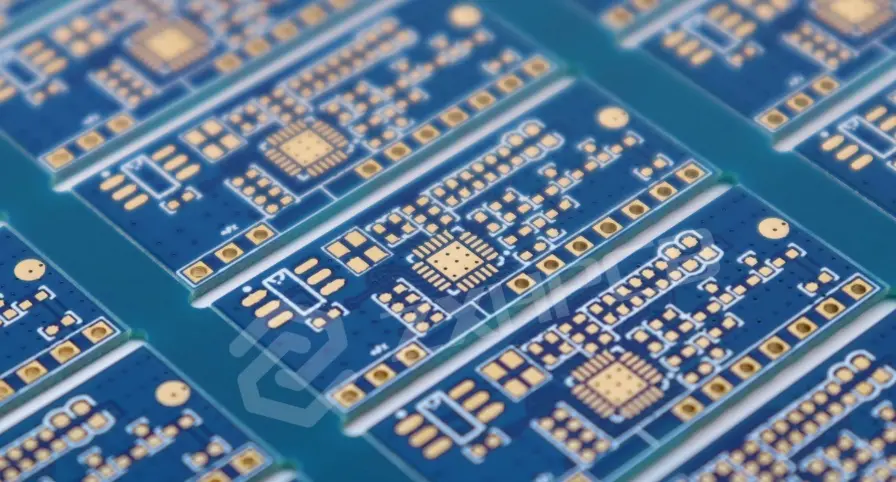
Acrylic conformal coating is a thermoplastic resin that forms a protective film over a PCB. It is typically supplied as a ready-to-use solution that can be applied by spraying, brushing, or dipping. Once applied and cured, it creates a hard, transparent shield that guards against environmental contaminants while allowing for visual inspection of the board's components and solder joints.
Key Benefits of Acrylic PCB Coating
So, why is acrylic such a popular choice? Here are its most significant advantages:
1. Excellent Moisture and Humidity Resistance
This is the primary reason many choose acrylic coatings. They provide a formidable barrier against moisture, preventing current leakage, electrochemical migration, and the growth of harmful mold or fungi. This makes them ideal for applications in humid environments, such as automotive under-hood electronics, outdoor sensors, or household appliances that may be exposed to steam.
2. Superior Dielectric Strength
Acrylic coatings offer high dielectric strength, meaning they are excellent electrical insulators. This prevents short circuits caused by conductive contaminants like dust or metal whiskers bridging closely spaced traces on the PCB. By maintaining electrical isolation, acrylic coatings ensure the board operates reliably at its intended voltage.
3. Unmatched Ease of Application and Rework
Perhaps the biggest advantage of acrylic coatings is their ease of use.
1.Simple Curing: They cure quickly at room temperature through solvent evaporation, requiring no complex curing schedules.
2.Easy Rework: If a component needs to be repaired or replaced, the coating can be easily removed using common, inexpensive solvents like toluene or xylene without damaging the underlying components. This significantly reduces repair time and cost.
4. Good General Chemical Resistance
Acrylic coatings provide robust protection against weak acids, alkalis, and salts. This makes them suitable for boards that might be exposed to common contaminants in industrial or automotive environments.
5. Transparency and UV Stability
Most acrylic coatings dry to a clear, hard film. This transparency is crucial for inspecting components, labels, and test points post-application. Furthermore, certain acrylic formulations are UV-stable, meaning they won't yellow or degrade when exposed to sunlight, which is vital for outdoor applications.
6. Cost-Effectiveness
Compared to other coating types like polyurethane or silicone, acrylic coatings are generally more affordable. Their simple curing process and easy reworkability further reduce the total cost of ownership, making them an economical choice for high-volume production.
Comparing Acrylic to Other Coating Types
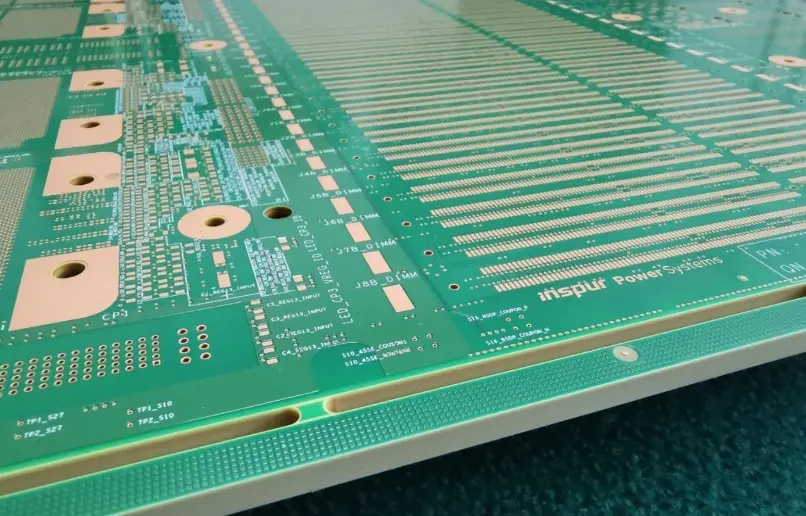
To understand why you might choose acrylic, it helps to see how it stacks up against the alternatives:
Coating Type
|
Key Advantages
|
Key Disadvantages
|
Best Use Case
|
Acrylic (AR)
|
Easy to apply & rework, good moisture resistance, cost-effective, UV stable.
|
Not as flexible as silicone; lower solvent resistance than urethane.
|
General-purpose protection in moderate environments.
|
Silicone (SR)
|
Excellent flexibility, high-temperature resistance, good moisture protection.
|
Notoriously difficult to rework; soft and can attract dust.
|
Extreme temperature environments.
|
Urethane (UR)
|
Superior abrasion and chemical resistance, tough finish.
|
Very difficult to rework; requires aggressive solvents.
|
Harsh environments requiring high abrasion/chemical resistance.
|
Epoxy (ER)
|
Extremely hard, hermetic seal, excellent moisture/chemical resistance.
|
Rigid; can crack under thermal stress; nearly impossible to rework.
|
Applications requiring the highest level of protection with no need for repair.
|
When is Acrylic Conformal Coating the Best Choice?
Acrylic is an excellent candidate for your PCB if your priorities are:
1.Ease of repair and maintenance.
2.Protection in moderate, non-extreme environments.
3.A need for fast production cycles with quick curing times.
4.A requirement for a clear, inspectable finish.
5.Cost-sensitive projects without sacrificing essential protection.
Conclusion: A Balanced Choice for Mainstream Protection
While no single conformal coating is perfect for every situation, acrylic resin (AR) strikes a remarkable balance. Its combination of good moisture resistance, high dielectric strength, and unparalleled ease of rework makes it the workhorse of the PCB protection world.
For the vast majority of consumer, industrial, and automotive electronics that operate in standard environmental conditions, choosing an acrylic conformal coating is a reliable, practical, and cost-effective decision that safeguards your investment and ensures long-term performance.
Note: Before finalizing your design, always consult with your coating supplier and consider testing the coating on your specific board to validate its performance.