What is PCB assembly?
|
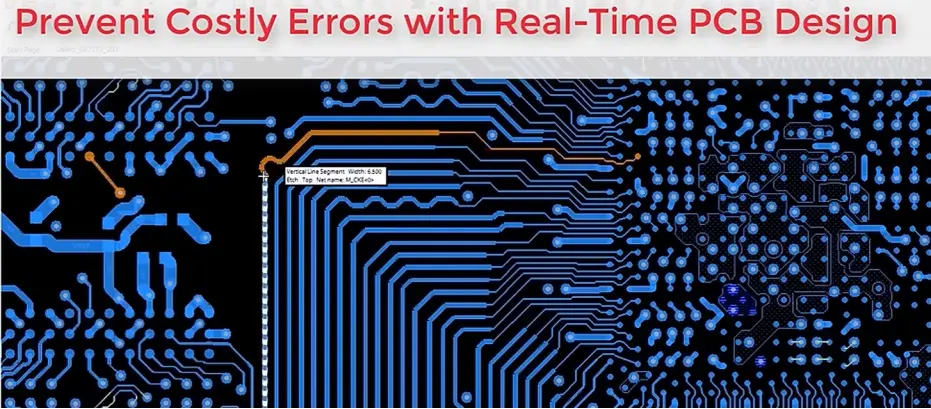
Outline of PCBA Assembly Process Documentation: From Stencil Fabrication to Final CleaningThis document provides a comprehensive step-by-step guide to the PCBA (Printed Circuit Board Assembly) process, from the initial design review to the final cleaning of the assembled board. 1. Review of Design Files and QuoteThis initial phase is foundational to the success of PCBA assembly. The core purpose is to clarify customer requirements and ensure the accurate implementation of the entire PCBA processing workflow. 1.1 Design Files Required from CustomersTo achieve this, specific design files must be provided by the customer:
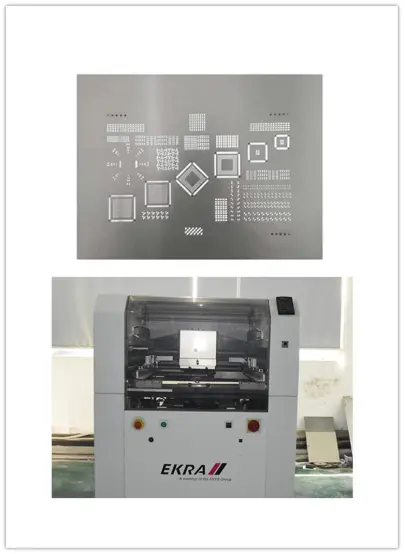
2. Stencil FabricationStencil fabrication is a key preparatory step for solder paste application, involving the use of a thin sheet of metal or other durable materials with precision-cut openings corresponding to the component pads on the PCB. 2.1 Process StepsThe process follows a systematic sequence:
2.2 Process ImportanceThis process is vital because it directly ensures the accuracy of solder paste dosage and even application—two factors that are indispensable for establishing reliable electrical and mechanical connections between components and the PCB, as well as guaranteeing the long-term stable operation of the assembled board. 2.3 Quality-Influencing FactorsSeveral factors influence stencil quality:
3. Dispensing Solder PasteSolder paste is a viscous mixture composed of fine solder particles, flux, and a paste-like binder, designed to fulfill two core functions in PCBA assembly. 3.1 Process Functions
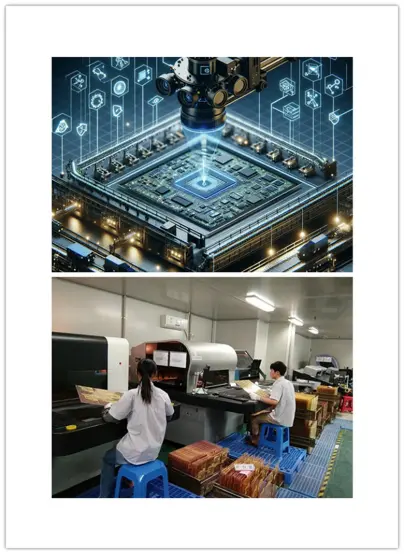
3.2 Subsequent ProcessesFollowing solder paste dispensing, the process proceeds to component placement—where electronic components are aligned precisely with the solder paste-covered pads—before moving to reflow soldering. In the reflow oven, controlled heating melts the solder paste, and upon cooling, it solidifies to form robust, long-lasting connections. 4. Automated Component PlacementThis phase is the core of efficient and precise PCBA assembly, leveraging pick-and-place machines to position electronic components accurately and rapidly at their designated locations on the PCB. 4.1 Process Steps
4.2 PCBmo's AdvantagesPCBmo excels in this process by adopting the latest technologies and state-of-the-art equipment, paired with a team of professional technicians. This enables the company to handle complex and high-demand projects that require meticulous component placement and strict quality control. 5. Reflow SolderingReflow soldering is a critical bonding process that uses high-temperature heating to melt the solder paste, creating firm and reliable electrical and mechanical connections between surface-mounted electronic components and the PCB. It is specifically designed for surface-mounted boards. 5.1 Process Types
5.2 Key EquipmentThe key equipment for this phase is a reflow oven—a specialized heating chamber that regulates temperature in precise stages. 5.3 Process ParametersThe critical process parameters include a heating temperature range of 220-260°C (428-500°F) , with strict control over both the heating and cooling cycles. This precise temperature management ensures that the solder paste melts evenly and forms strong, defect-free joints without damaging sensitive components. 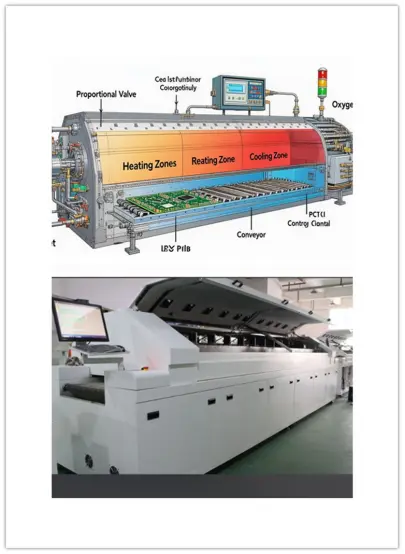
6. Quality Control and InspectionQuality control and inspection are integral to ensuring that finished PCBA products meet rigorous standards for performance, reliability, and safety, while identifying and correcting any defects early in the production process. 6.1 Inspection MethodsA multi-faceted inspection approach is employed to cover all potential issues:
7. Placement and Soldering of Through-hole ComponentsAlso known as Plated Through Holes (PTH) or DIP (Dual In-line Package) assembly, this process is designed for components with leads that pass through holes drilled in the PCB. 7.1 Process Steps
7.2 Process ControlStrict process control is essential, with precise regulation of temperature and soldering time to avoid overheating or insufficient soldering. 7.3 PCBmo's PrinciplePCBmo tailors the wave soldering temperature to the specific characteristics of each component, ensuring accurate and reliable component positioning and soldering, thereby guaranteeing the overall functional reliability of the PCBA. 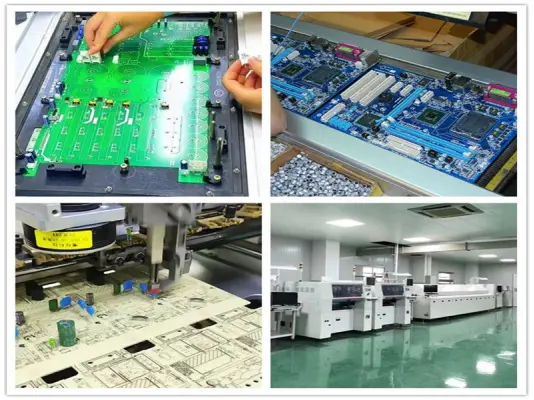
8. Functional TestingFunctional testing is conducted at the final stage of PCBA production to verify that the assembled board operates as intended. The testing scope covers both individual components and the entire assembly. 8.1 Testing TechnologiesThree core testing technologies are employed:
8.2 Requirements for Test FixturesTest fixtures play a crucial role, requiring the ability to accurately and reliably fix the PCBA, facilitate easy access to test points, and withstand the rigors of the test environment. 8.3 Supported Fixture Types
8.4 PCBmo's ServicesPCBmo assists customers in preparing customized test fixtures and conducts local testing before PCBA shipment to ensure that all finished products meet the highest quality standards. 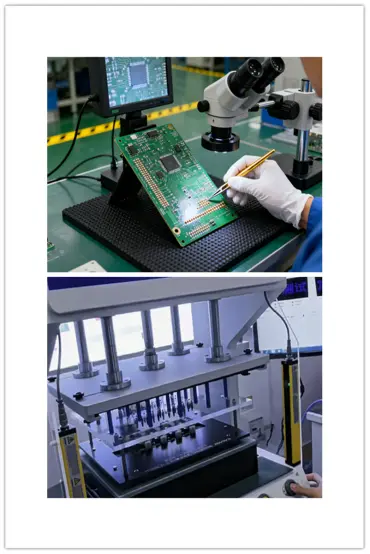
9. PCBA Board Final CleaningFinal cleaning is the concluding step in PCBA production, with the primary goal of removing residual contaminants and residues (such as excess solder flux, dust, or oil) from the PCBA surface. This improves appearance and prevents interference with electrical performance or long-term reliability. 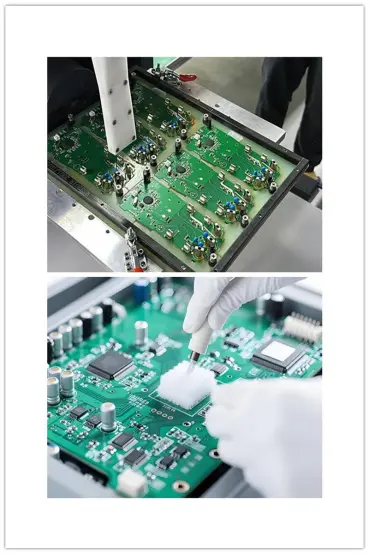
9.1 Cleaning MethodsThree main cleaning methods are available, with selection based on the PCBA's specific requirements and the materials used in production:
Get a Competitive Quote for Your ProjectWelcome! Send the Gerber file to me and let me help you review it first. Then, I will try my best to send a more competitive quotation to you. Quick Turnaround Times:
If you have any questions, please feel free to contact me at any time.
|