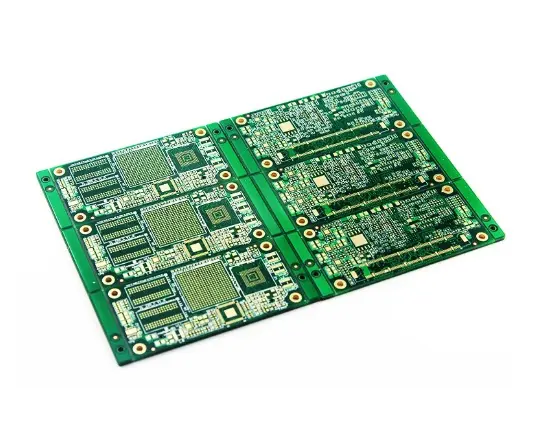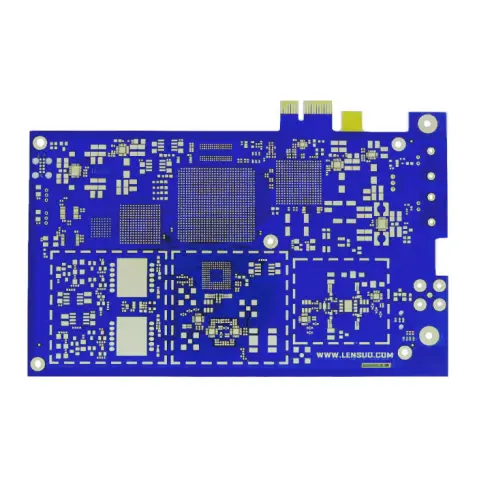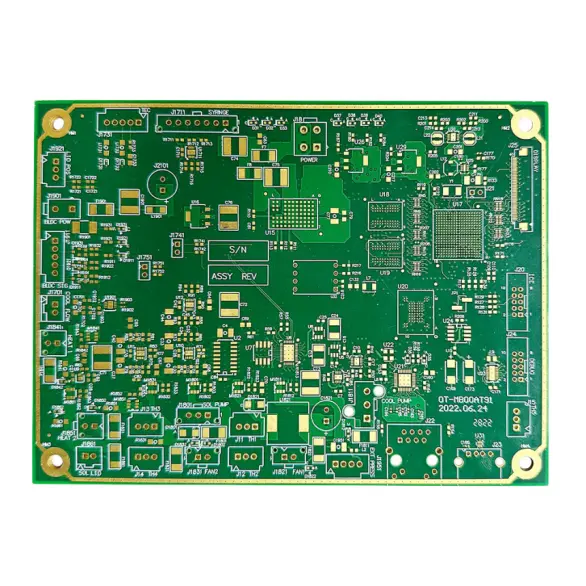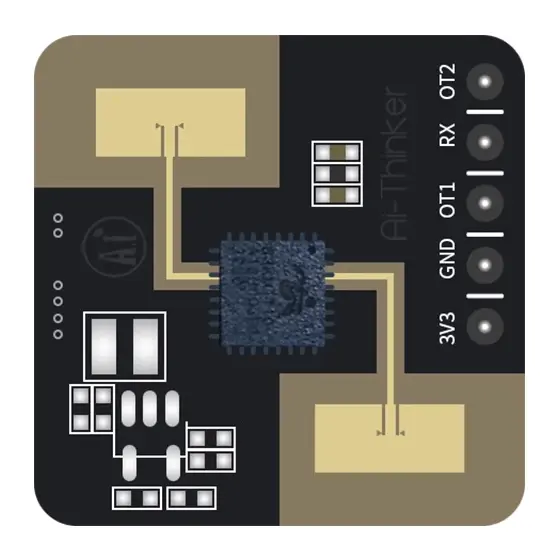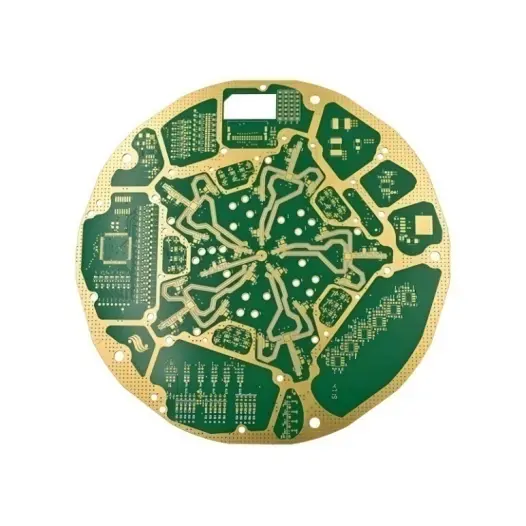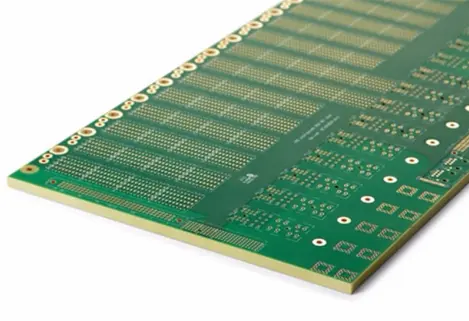
Backplane printed circuit boards (PCBs) form the backbone of high‑performance computing and telecommunication systems, responsible for distributing data and power across multiple daughter cards. The choice of materials and manufacturing parameters is critical to ensuring signal integrity, thermal stability, and long‑term reliability. This article provides a detailed technical examination of a communication backplane PCB fabricated using the high‑performance Isola 370HR laminate.
The foundation of this backplane is the Isola 370HR, a renowned FR‑4 epoxy laminate system. 370HR is specifically engineered for applications demanding exceptional thermal and electrical reliability. Its key material properties include:
Glass Transition Temperature (Tg): 180°C
This high Tg value indicates superior resistance to thermal degradation, especially during lead‑free soldering processes, ensuring dimensional stability under high‑temperature conditions.
Decomposition Temperature (Td): 340°C
This high Td provides a significant margin of safety against thermal decomposition, which is crucial for preventing conductive anode filament (CAF) formation and ensuring longevity.
Signal integrity at high frequencies is paramount for communication hardware. The electrical characteristics of the Isola 370HR material are central to this performance:
Dielectric Constant (Dk): 4.04 @ 1 GHz
A stable and relatively low Dk is essential for controlling impedance and minimizing signal propagation delay across the backplane.
Dissipation Factor (Df): 0.021 @ 1 GHz
This low loss tangent value signifies minimal signal attenuation (insertion loss), making 370HR an excellent choice for high‑speed digital and RF applications where signal clarity is non‑negotiable.
The backplane's robust construction is detailed in its layer stack‑up and manufacturing tolerances:
Layer Count: 14 layers
This multilayer structure accommodates complex power, ground, and signal routing required in sophisticated communication equipment.
Board Thickness: 2.4 mm
This thickness provides the necessary rigidity for a large‑format backplane that must securely hold multiple connectors and daughter cards.
Copper Thickness: 1 oz (35 µm)
Standard for signal layers, balancing current‑carrying capacity with fine‑line etching capabilities.
Minimum Trace/Space: 6/6 mil
This design rule reflects a capability for dense routing, suitable for complex backplane designs with a high number of interconnections.
Surface Finish: Immersion Gold (ENIG)
This finish offers a flat, solderable surface ideal for press‑fit connectors and reliable soldering, while providing excellent oxidation resistance for long shelf life.
The combination of Isola 370HR's high thermal reliability (Tg 180°C, Td 340°C) and stable electrical properties (Dk 4.04, Df 0.021) makes it an outstanding material choice for demanding communication backplanes. The specified 14‑layer construction with 2.4 mm thickness and controlled impedance design demonstrates a manufacturing process geared toward high‑reliability, high‑speed applications. This backplane configuration is ideally suited for use in data center switches, network routers, and telecommunications infrastructure where signal integrity and operational stability are critical.