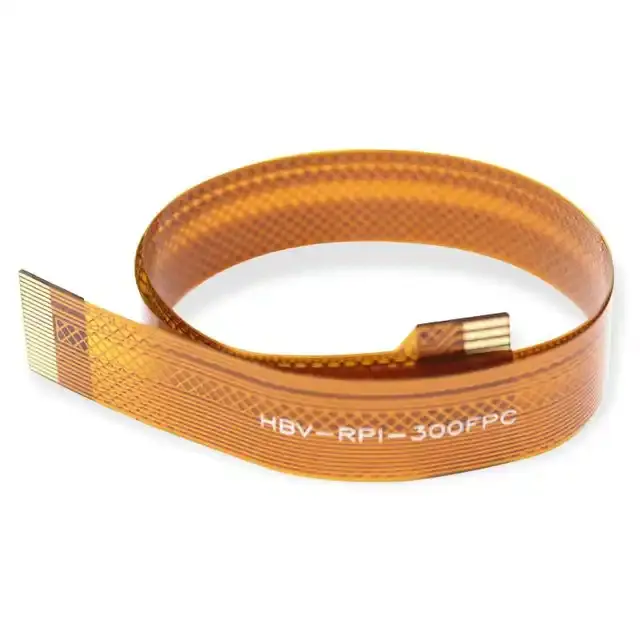
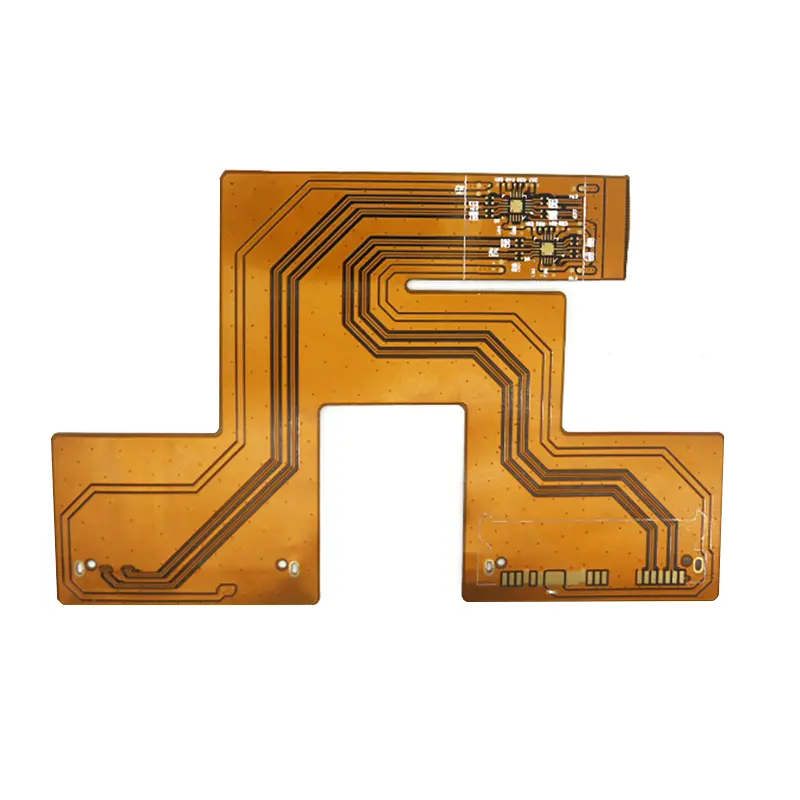
Technical Overview of FPC Flexible PCB Specifications and Manufacturing Parameters
Flexible Printed Circuits (FPCs) are critical components in modern electronics, enabling the design of lightweight, compact, and reliable devices. Understanding their technical specifications is essential for engineers and procurement specialists. This article provides a detailed breakdown of standard FPC manufacturing capabilities based on common industry parameters
Key Manufacturing Specifications for FPC Flexible Circuits
The following specifications outline the standard production window for a typical FPC manufacturer, highlighting their process capabilities and limitations.
1、Base Material Options: The core of an FPC is its substrate. The most common materials are Polyimide (PI) and Polyethylene Terephthalate (PET). PI film is preferred for applications requiring high temperature resistance, excellent chemical stability, and superior mechanical properties. PET offers a cost-effective alternative for less demanding environments.
2、Layer Count and Build-Up: FPCs can be manufactured as simple single-layer constructs or complex multilayer boards. Standard capabilities typically range from 1 to 12 layers, allowing for sophisticated circuit routing in a flexible format. Advanced manufacturers can exceed this range for highly specialized applications.
3、Finished Thickness: The overall thickness of a finished FPC is a critical factor for design flexibility and space constraints. Standard thicknesses range from a very slim 0.1mm to a more robust 0.8mm. This parameter is influenced by the number of layers, copper weight, and coverlay thickness.
4、Copper Foil Thickness: The conductive layer is defined by the copper weight, which directly impacts current-carrying capacity. Standard offerings range from 1/3 oz (approx. 12µm) to 1 oz (approx. 35µm), providing a balance between flexibility and electrical performance.
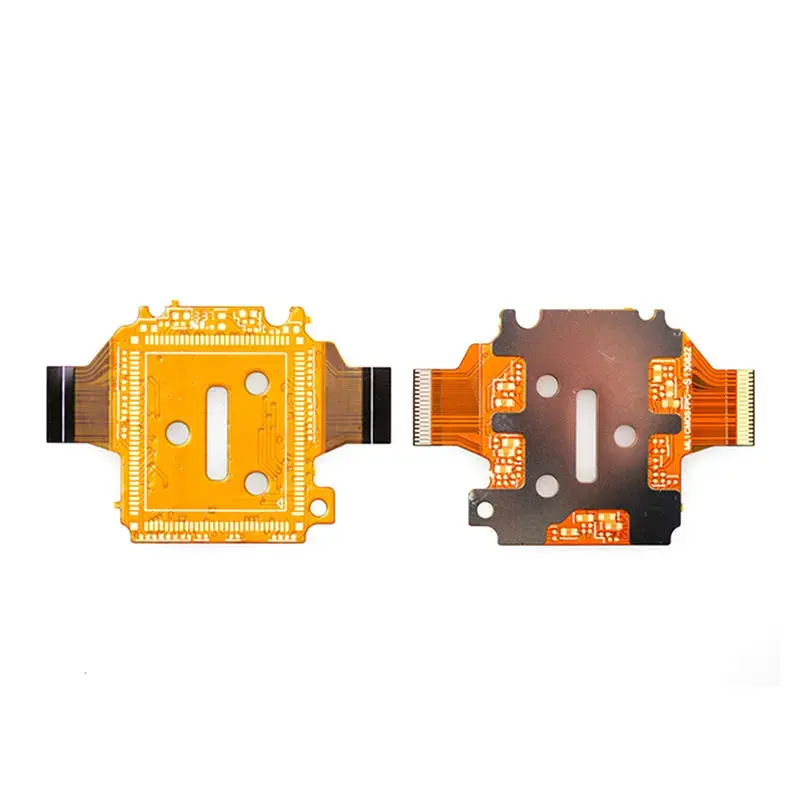
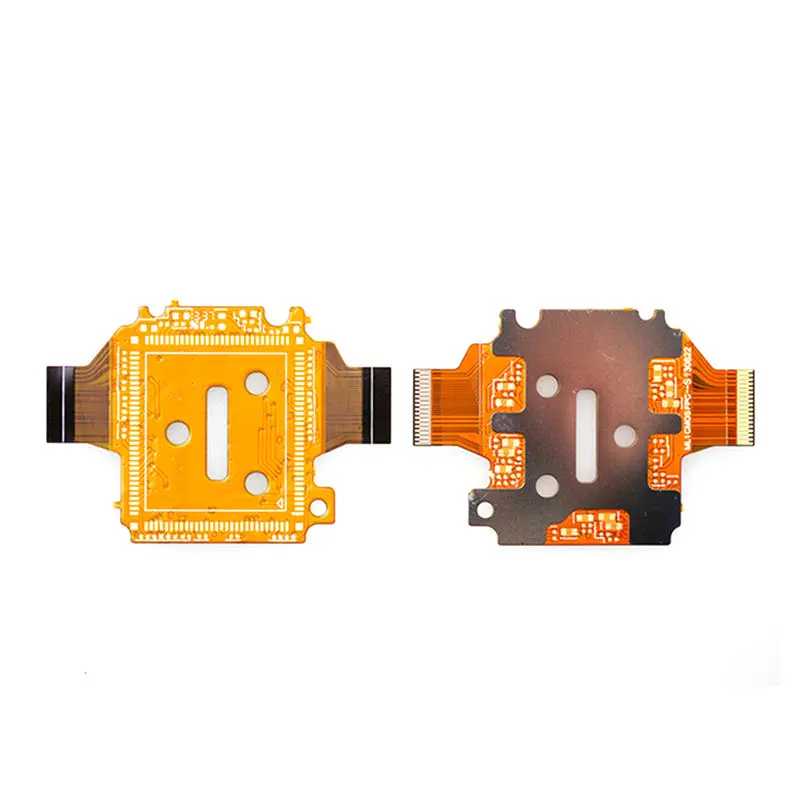
5、Solder Mask and Aesthetics: While often bare, FPCs can include a flexible solder mask for insulation and protection. Common colors include Yellow, Green, and White. The choice is often based on industry convention, branding, or specific assembly requirements.
6、Surface Finish: The surface finish protects the copper pads from oxidation and ensures solderability. Two prevalent finishes are:
ENIG (Electroless Nickel Immersion Gold): Provides a flat, durable surface ideal for fine-pitch components and offers excellent shelf life.
OSP (Organic Solderability Preservative): A cost-effective, eco-friendly coating that preserves solderability without adding significant thickness.
7、Fine-Line Fabrication Capability: The minimum achievable trace width and spacing is a measure of a manufacturer's precision. A specification of 2mil/2mil (0.05mm/0.05mm) indicates a capability suitable for moderately dense circuit designs, allowing for a good number of connections in a confined space.
8、Drilling and Via Formation: The minimum laser drill hole size of 0.1mm demonstrates the ability to create small microvias, which are essential for high-density interconnects (HDI) in advanced multi-layer FPCs.
Applications in Electronic Products
Leveraging these specifications, FPCs are indispensable in a wide array of electronic products. Their flexibility and reliability make them ideal for dynamic or space-constrained applications such as:
Consumer Electronics: Smartphones, laptops, cameras, and wearable technology.
Automotive Systems: Dashboard displays, sensors, and LED lighting arrays.
Medical Devices: Hearing aids, implantable devices, and diagnostic equipment.
Industrial Equipment: Robotic arms and precision sensors.
The specifications outlined above represent a standard and highly capable manufacturing framework for FPC Flexible PCBs. By understanding parameters such as layer count, dielectric thickness, copper weight, and fine-line spacing, engineering teams can effectively design and source FPCs that meet the rigorous demands of today's innovative electronic products. When selecting a manufacturing partner, verifying these capabilities against your project's Bill of Materials (BOM) is a crucial step for ensuring quality and performance.
Product Model: FPC Flexible PCB
Base Material: Polyimide (PI), Polyethylene Terephthalate (PET)
Layer Count: 1 to 12 layers
Overall Thickness: 0.1mm to 0.8mm
Copper Foil Weight: 1/3 oz to 1 oz (approx. 11µm to 35µm)
Solder Mask Color: Yellow, Green, White
Surface Finish: Electroless Nickel Immersion Gold (ENIG), Organic Solderability Preservative (OSP)
Minimum Trace Width/Spacing: 2 mil / 2 mil (approx. 0.05mm)
Minimum Drill Hole Size: 0.1mm
Application: Wide range of electronic applications