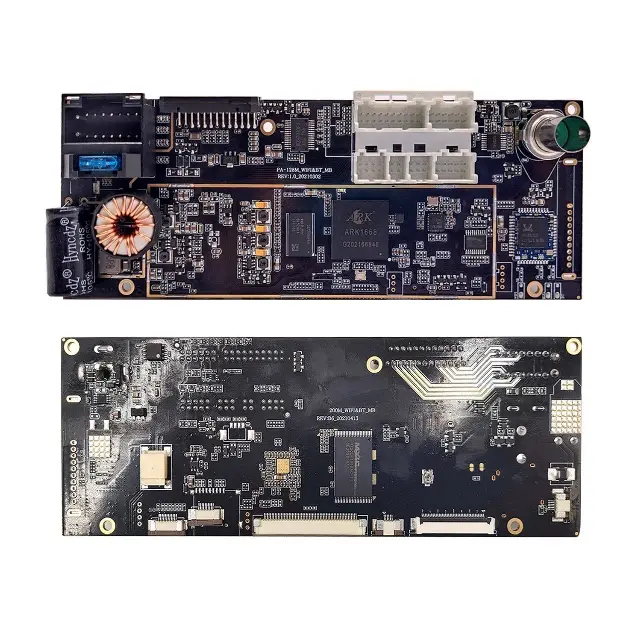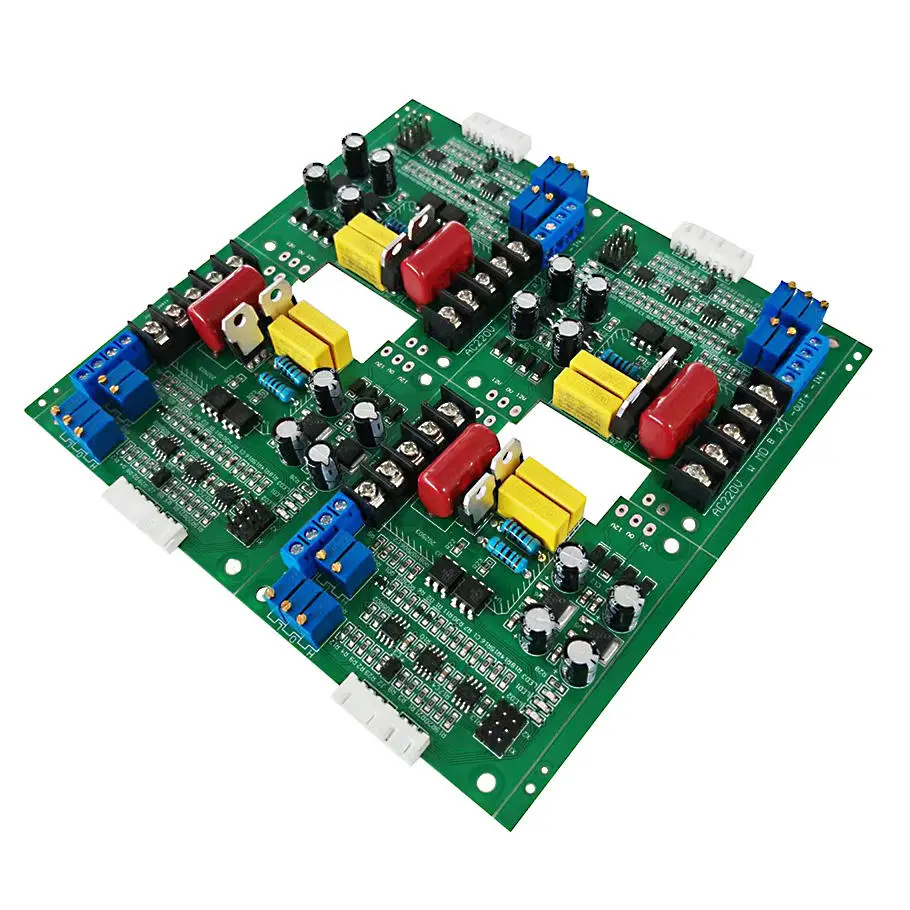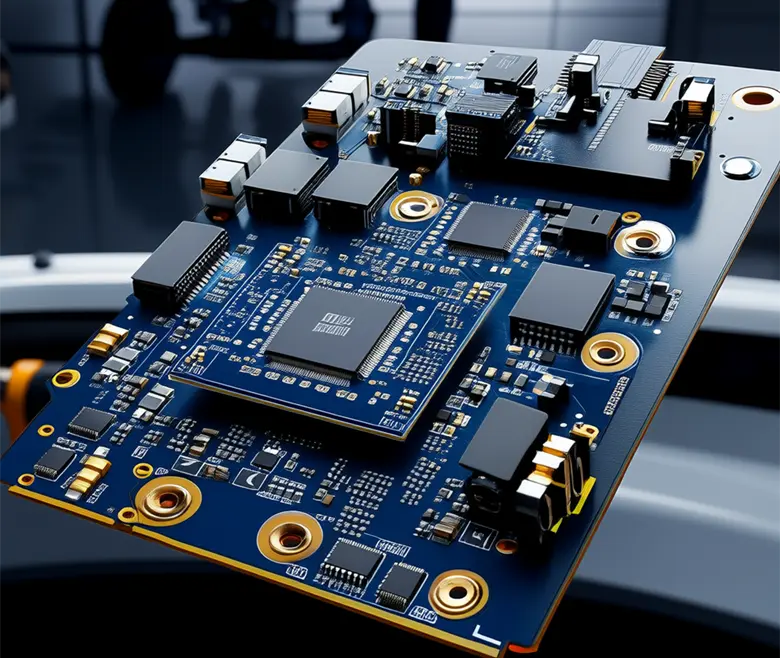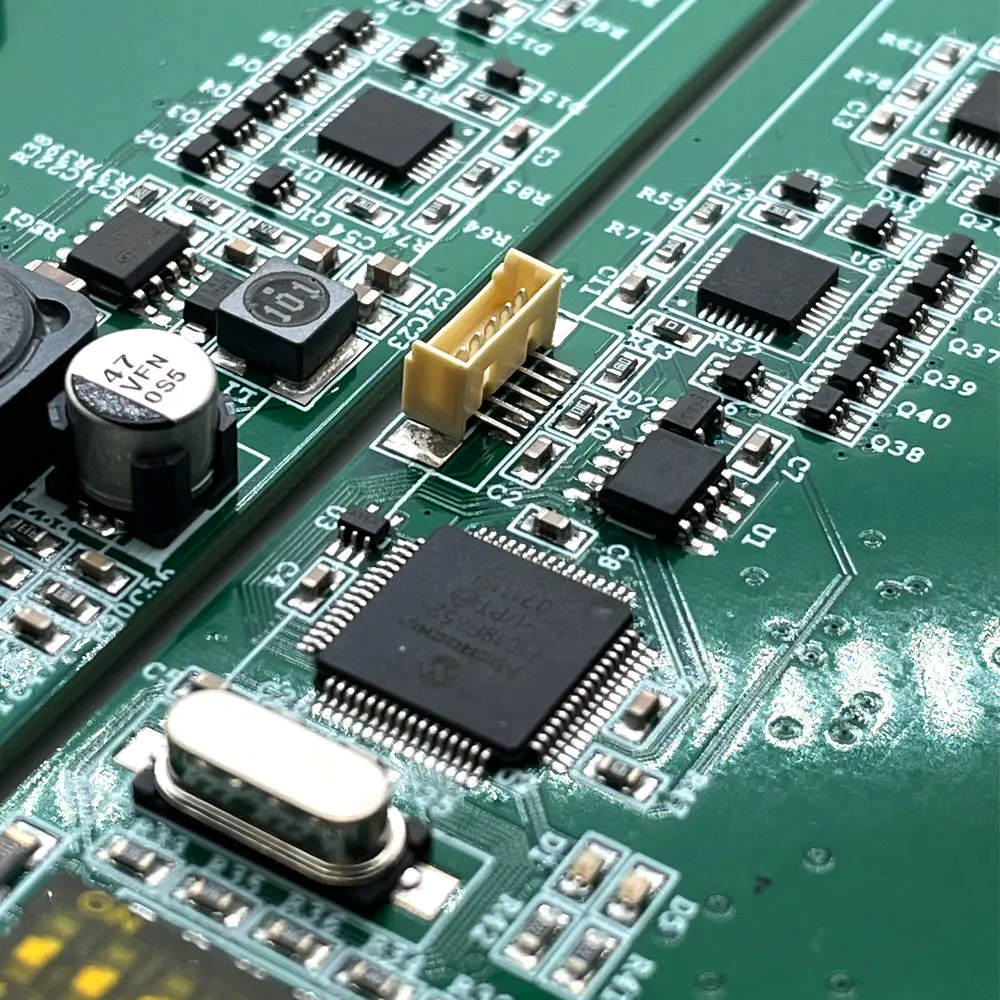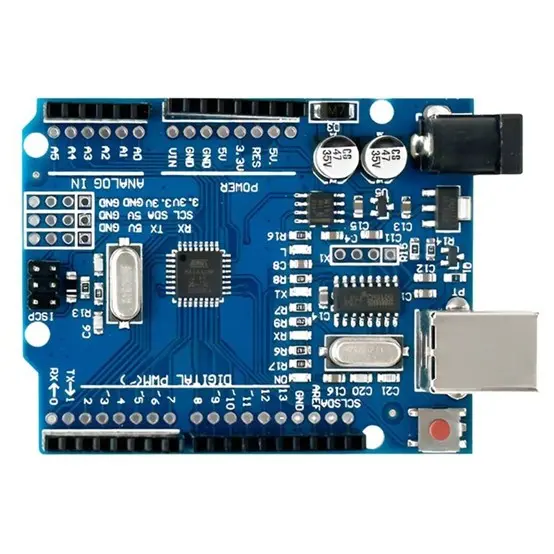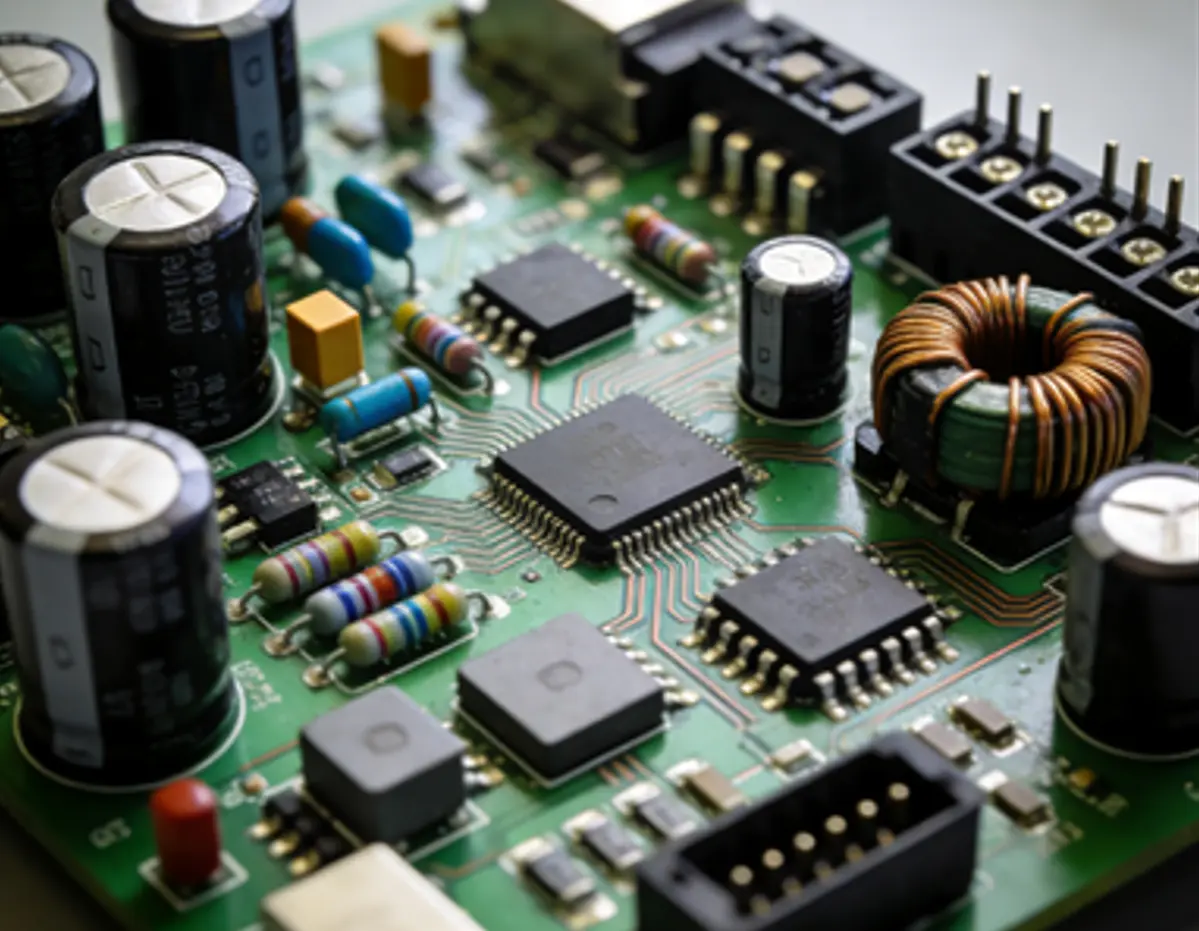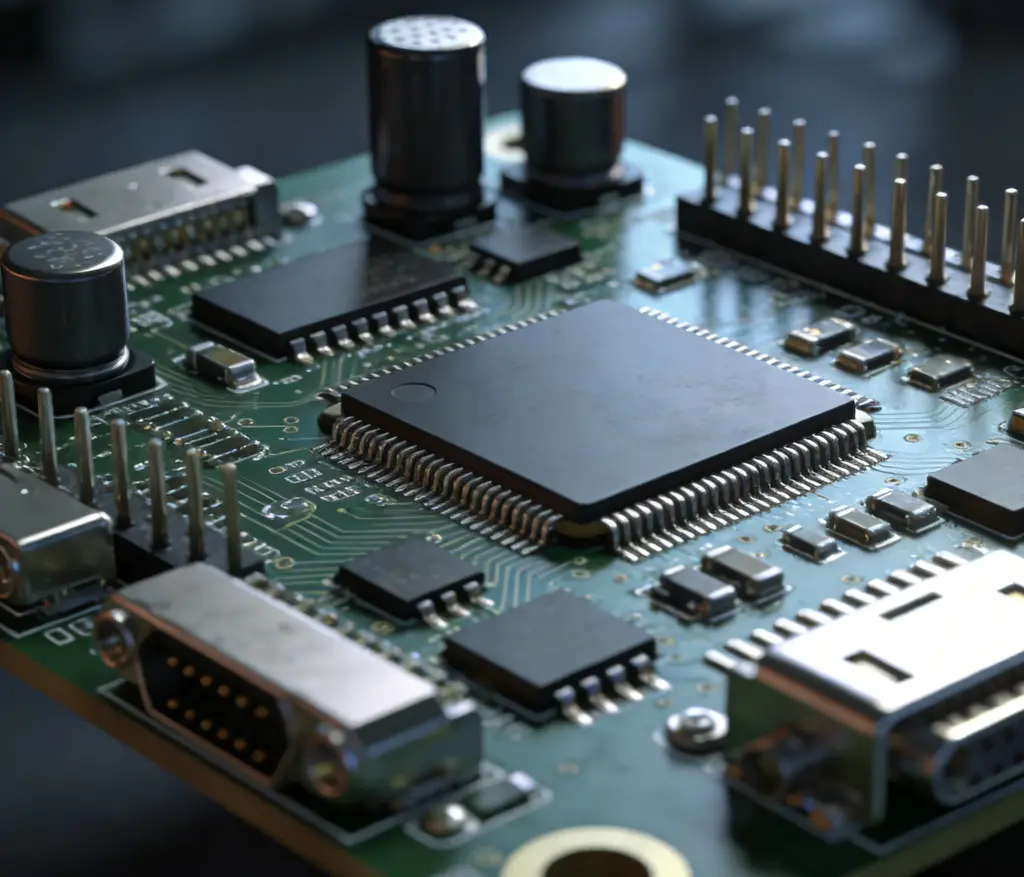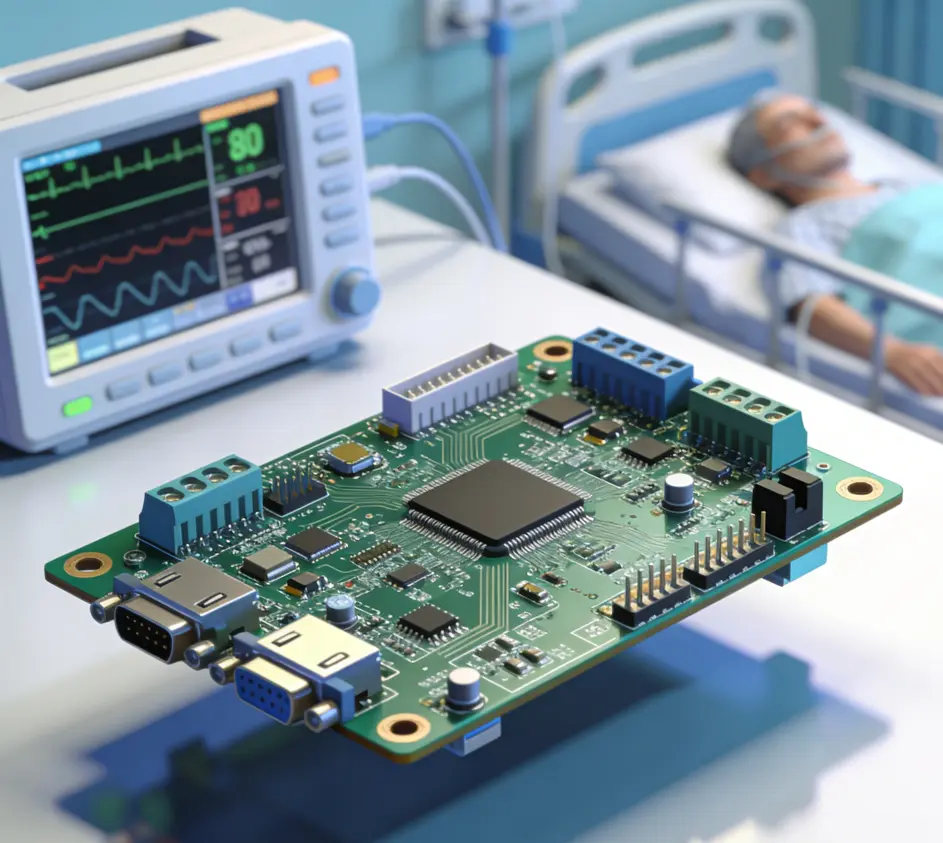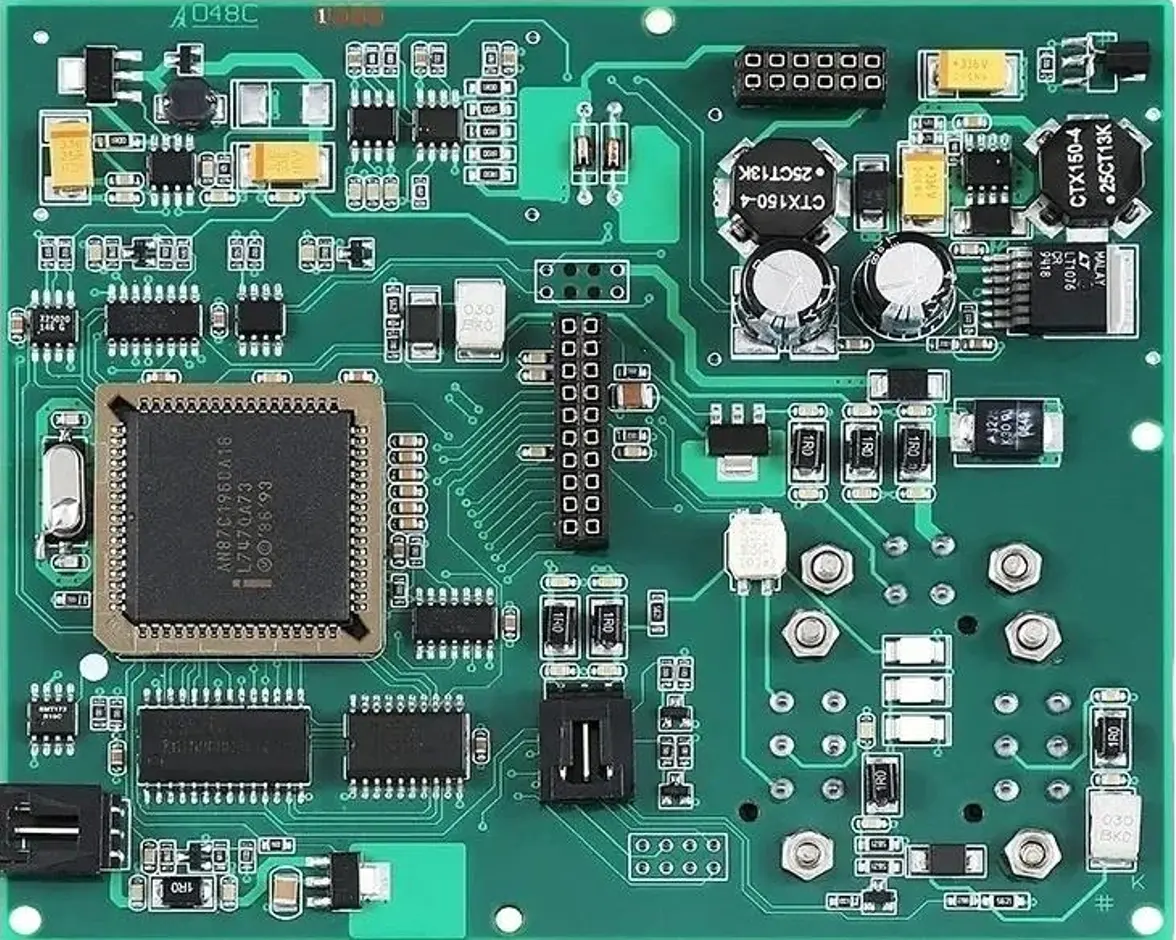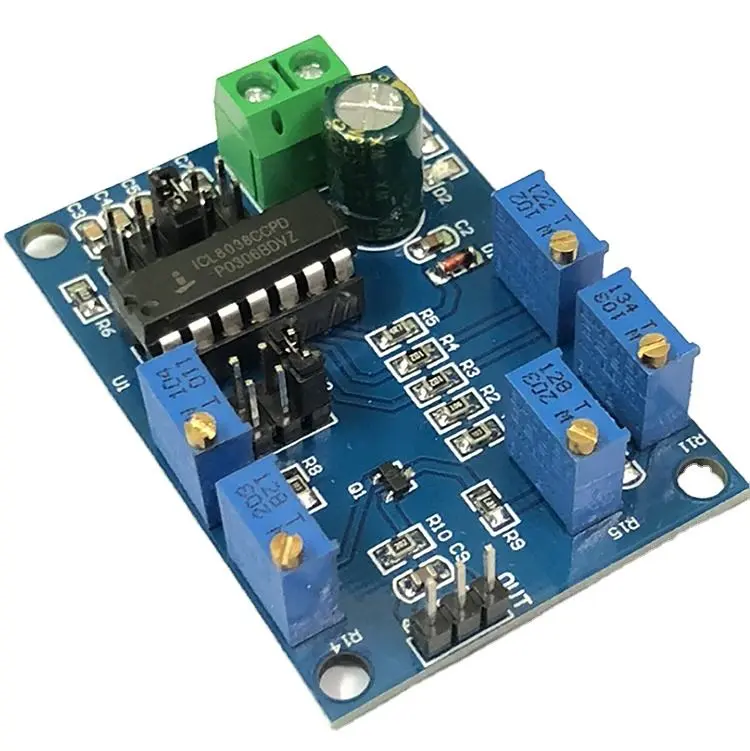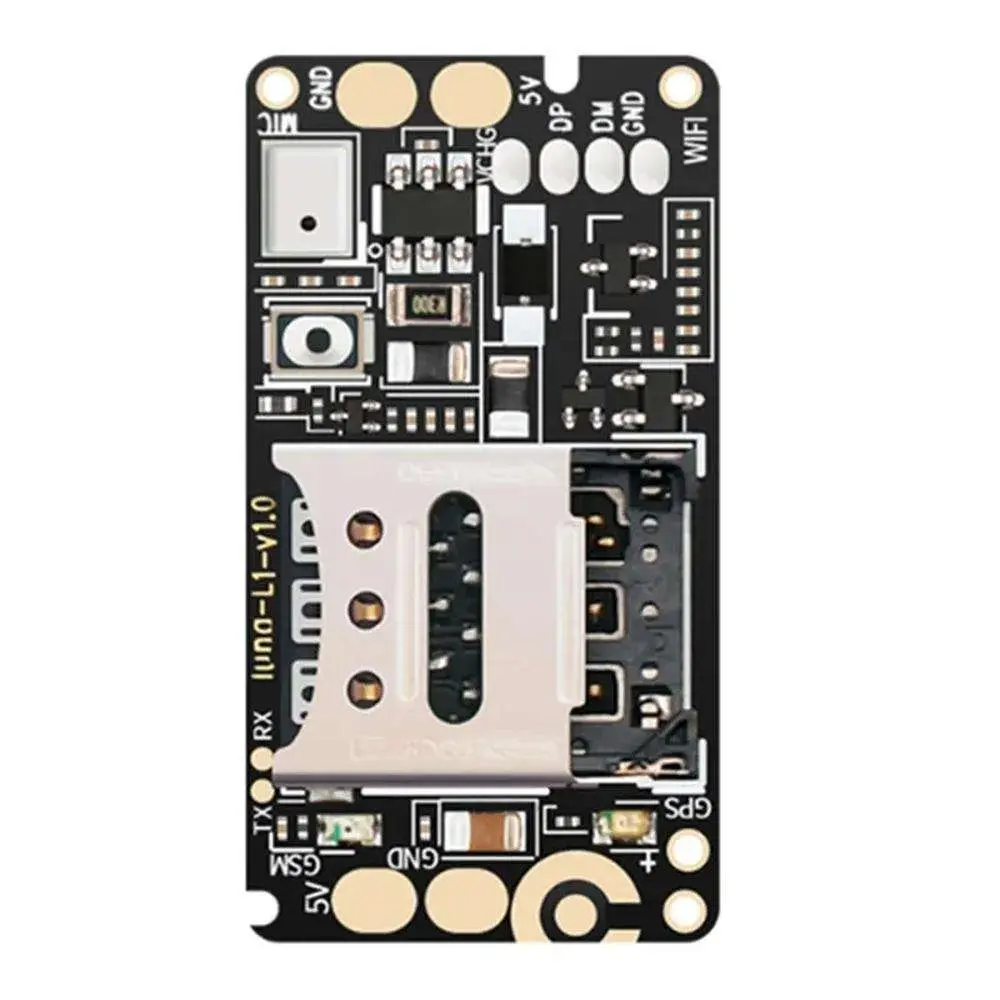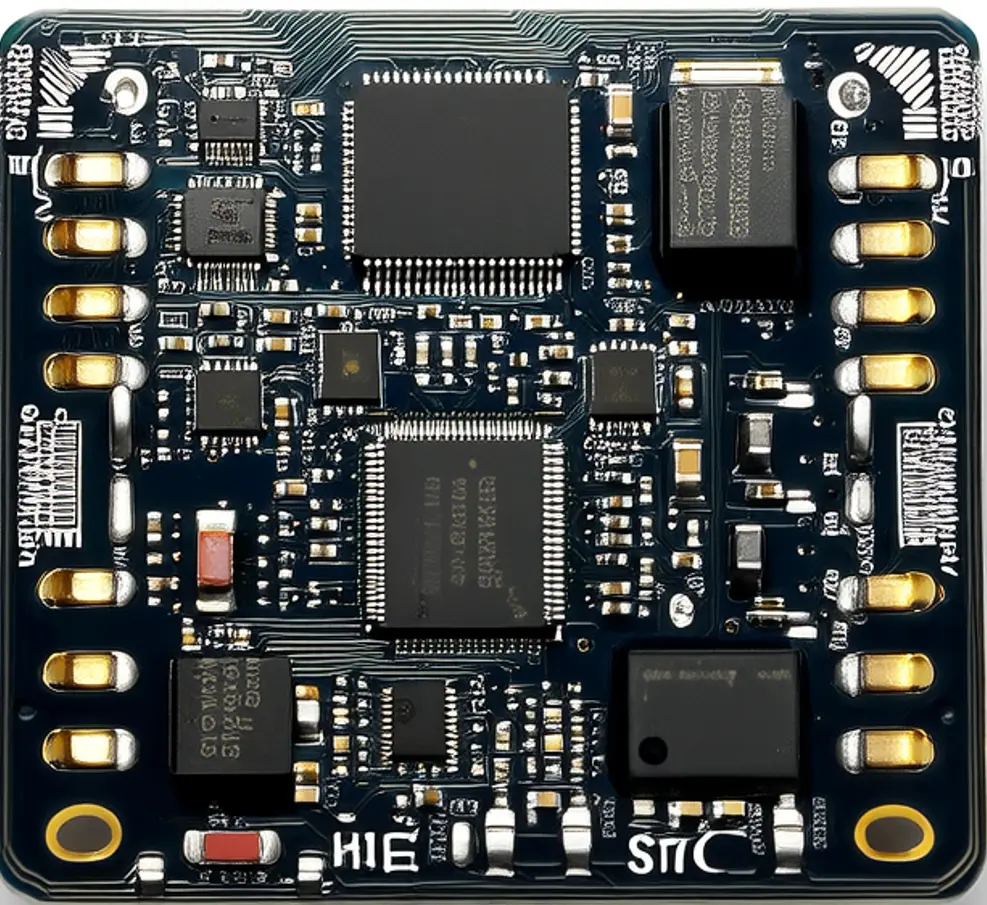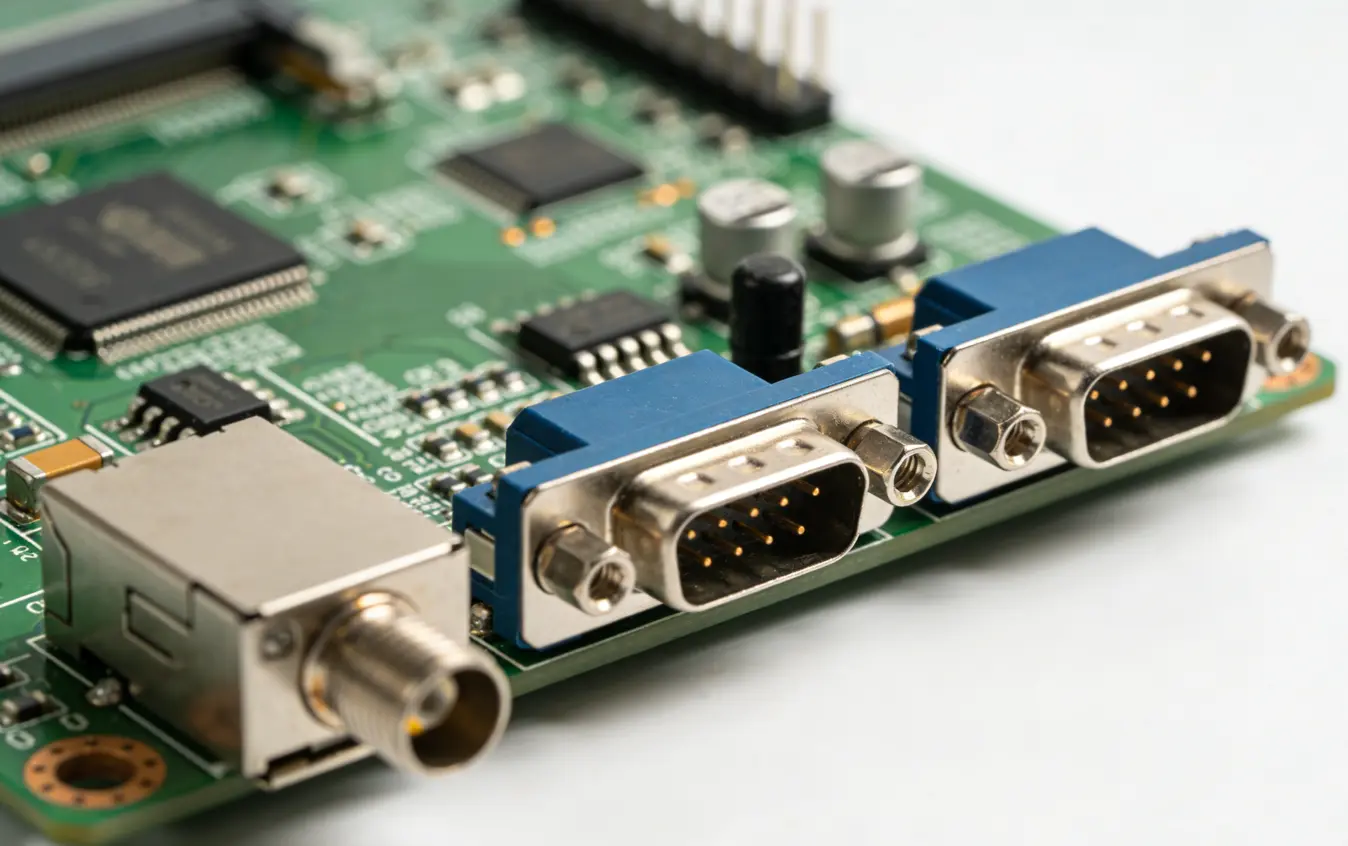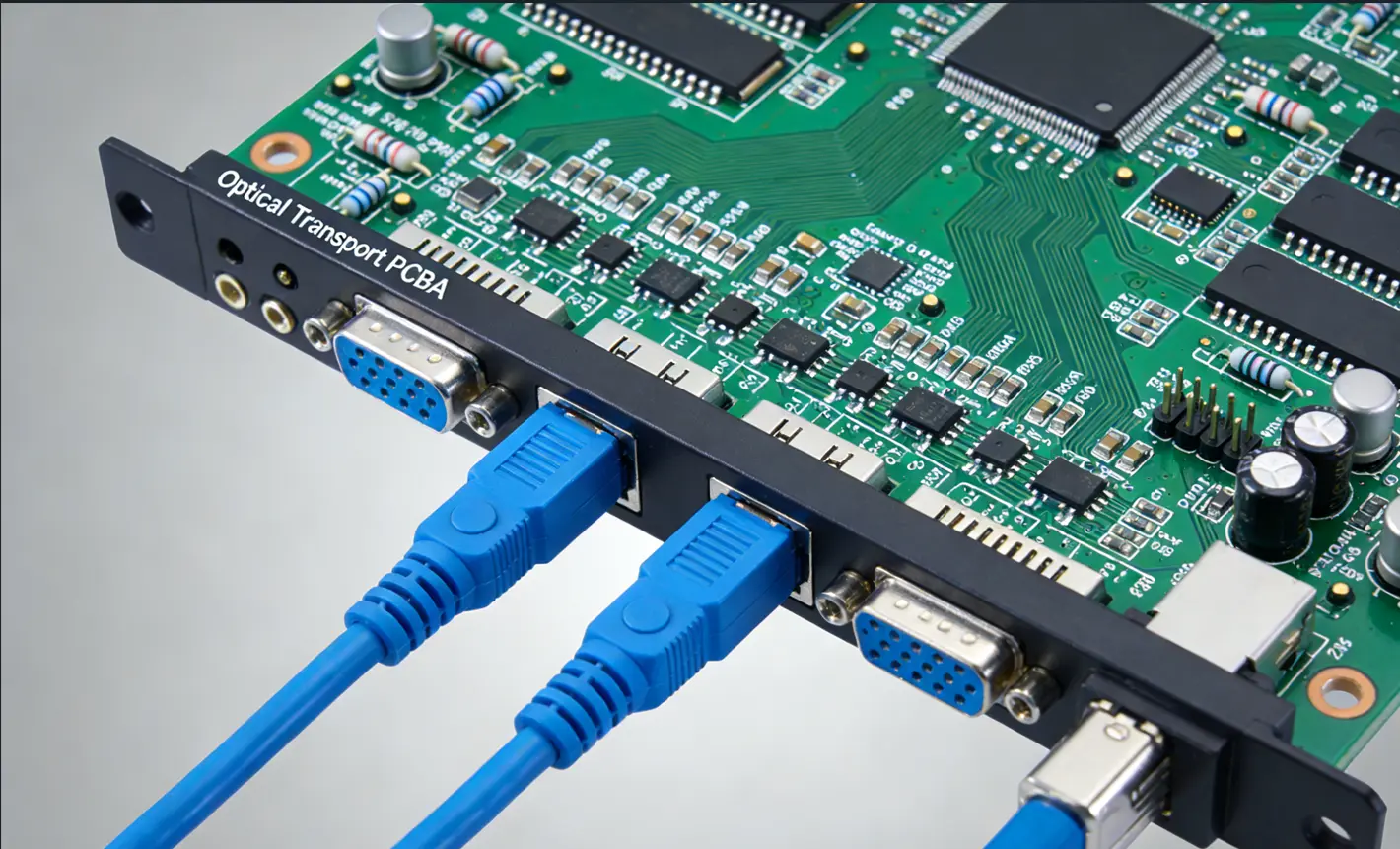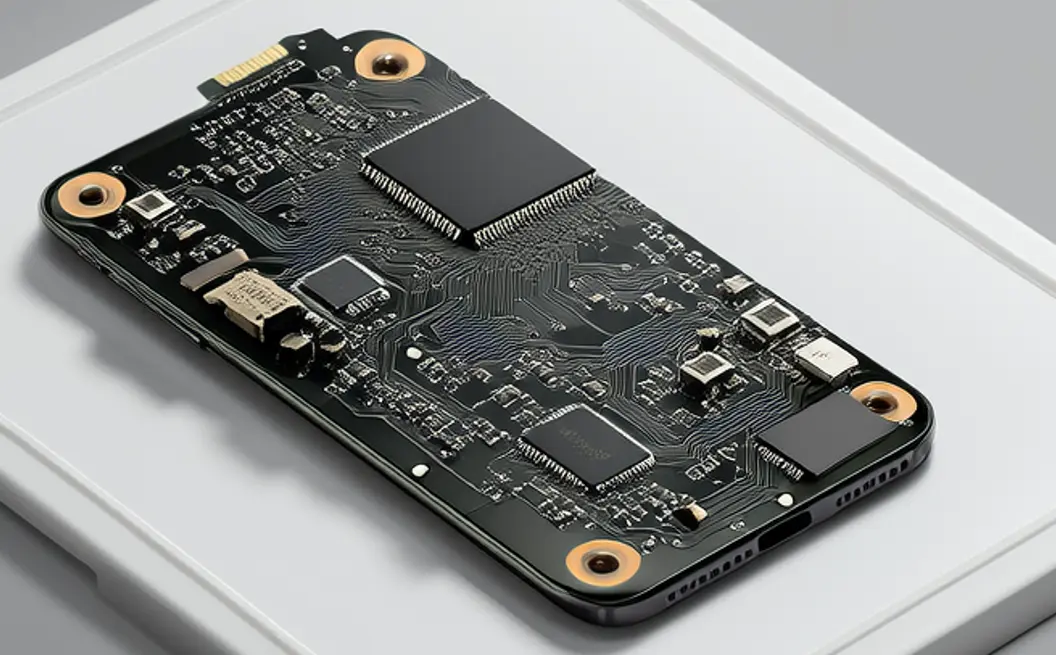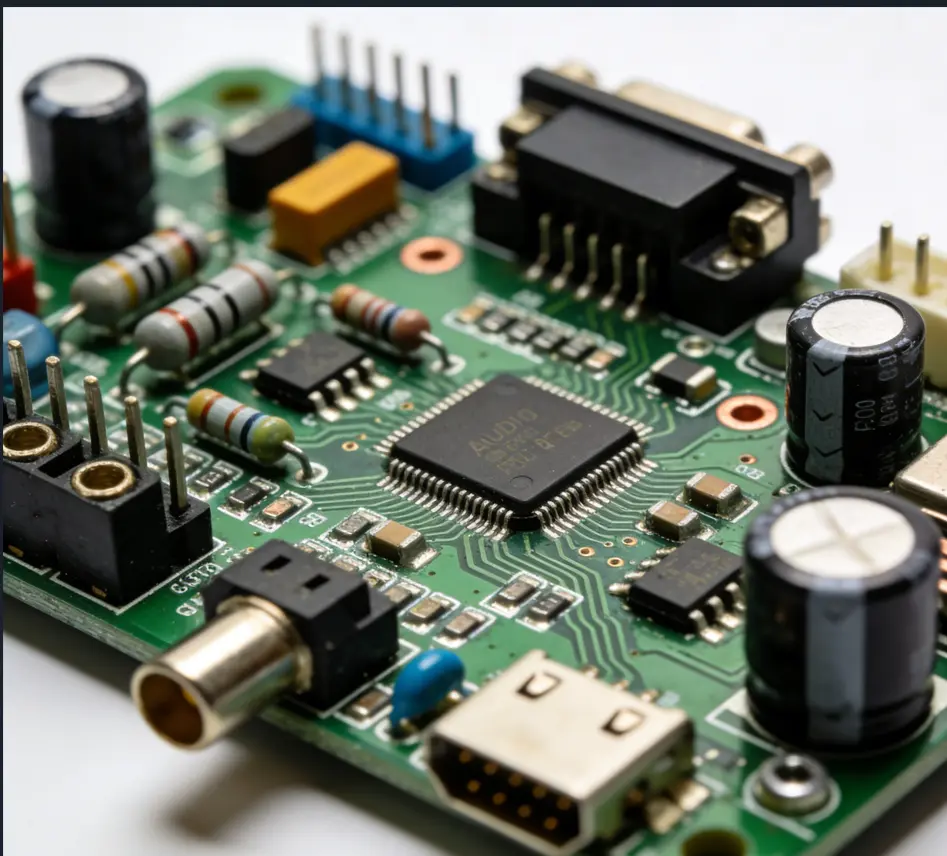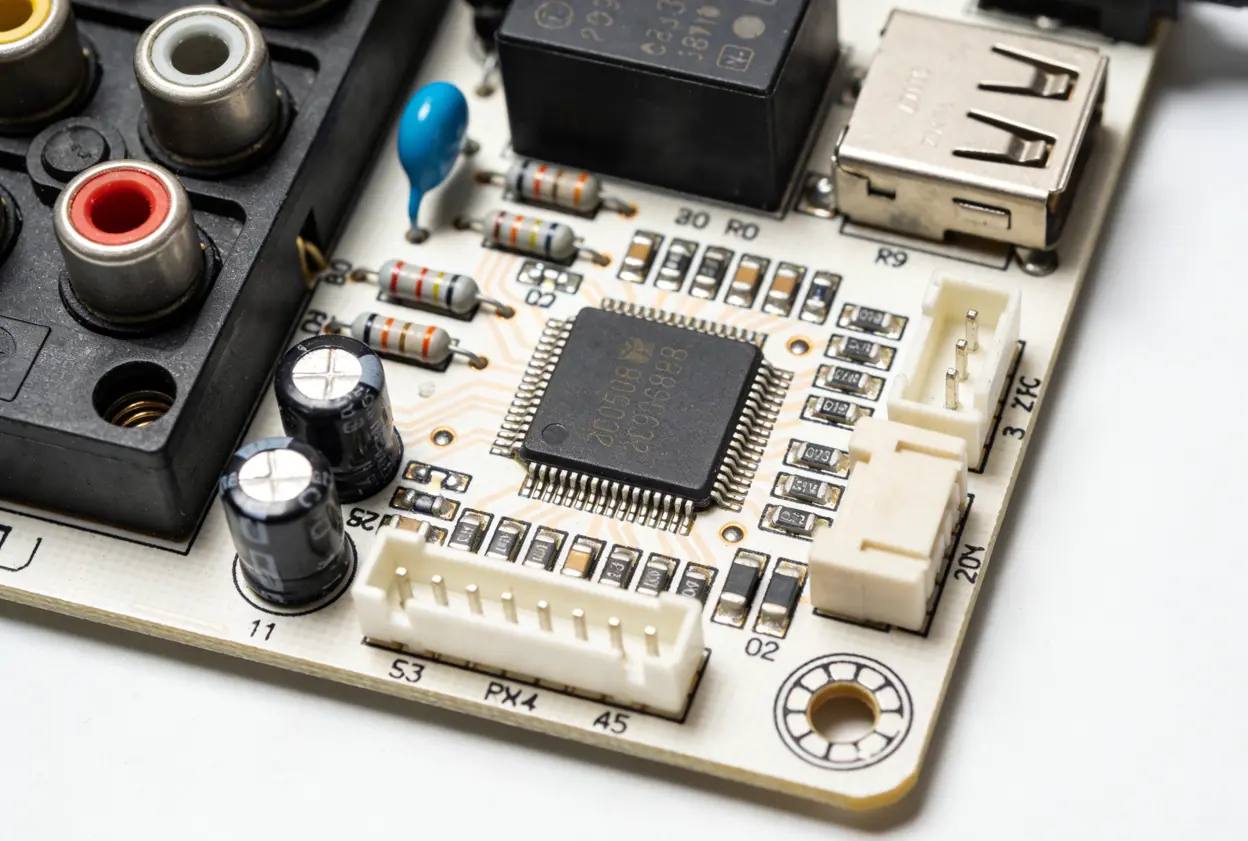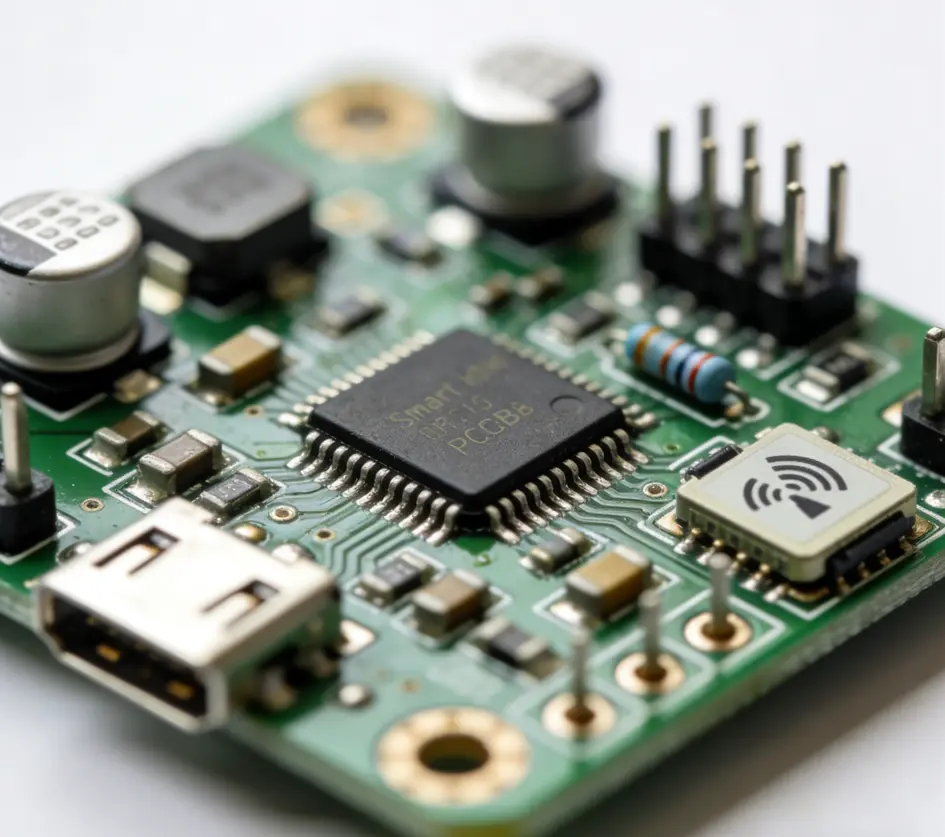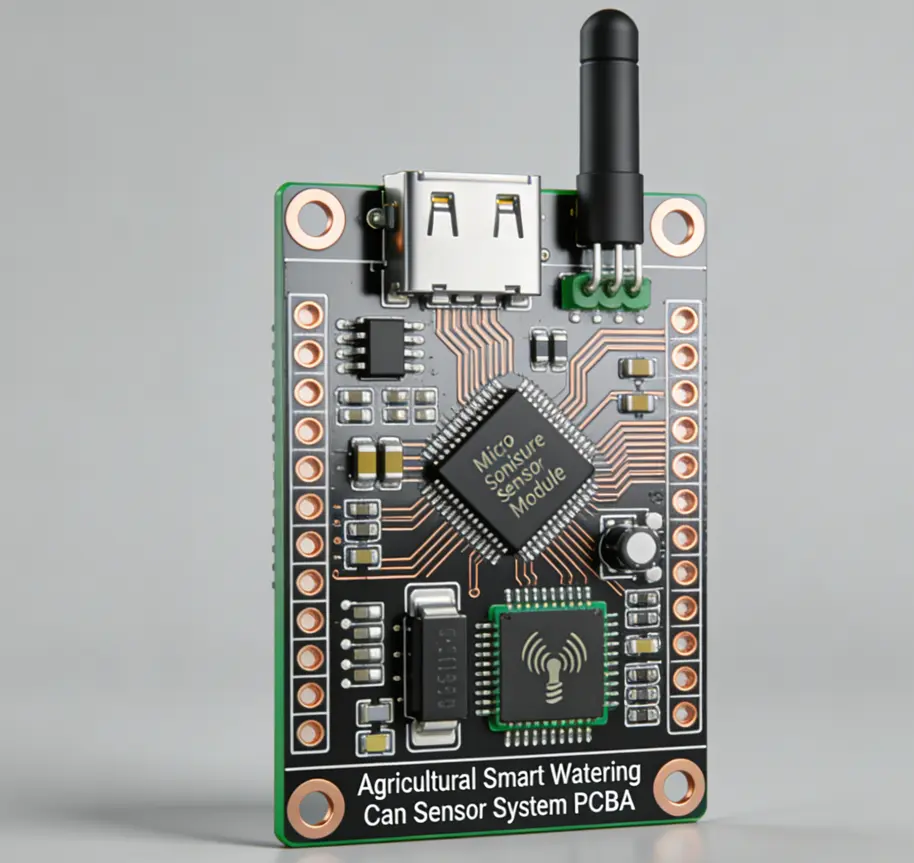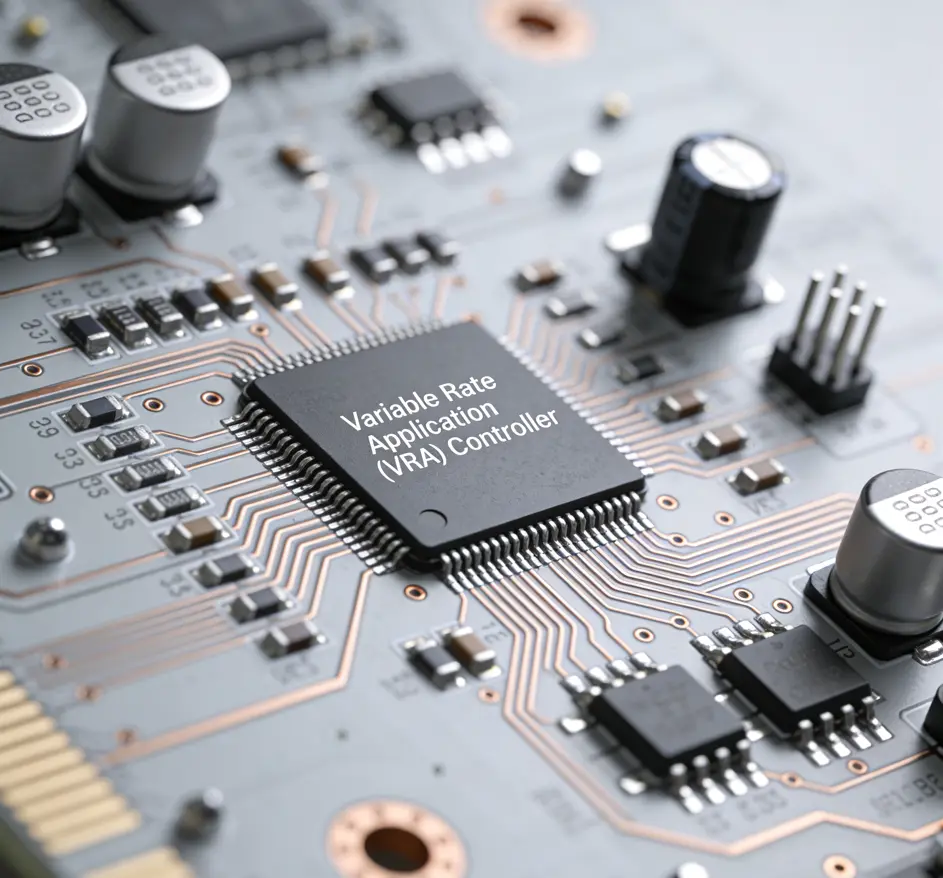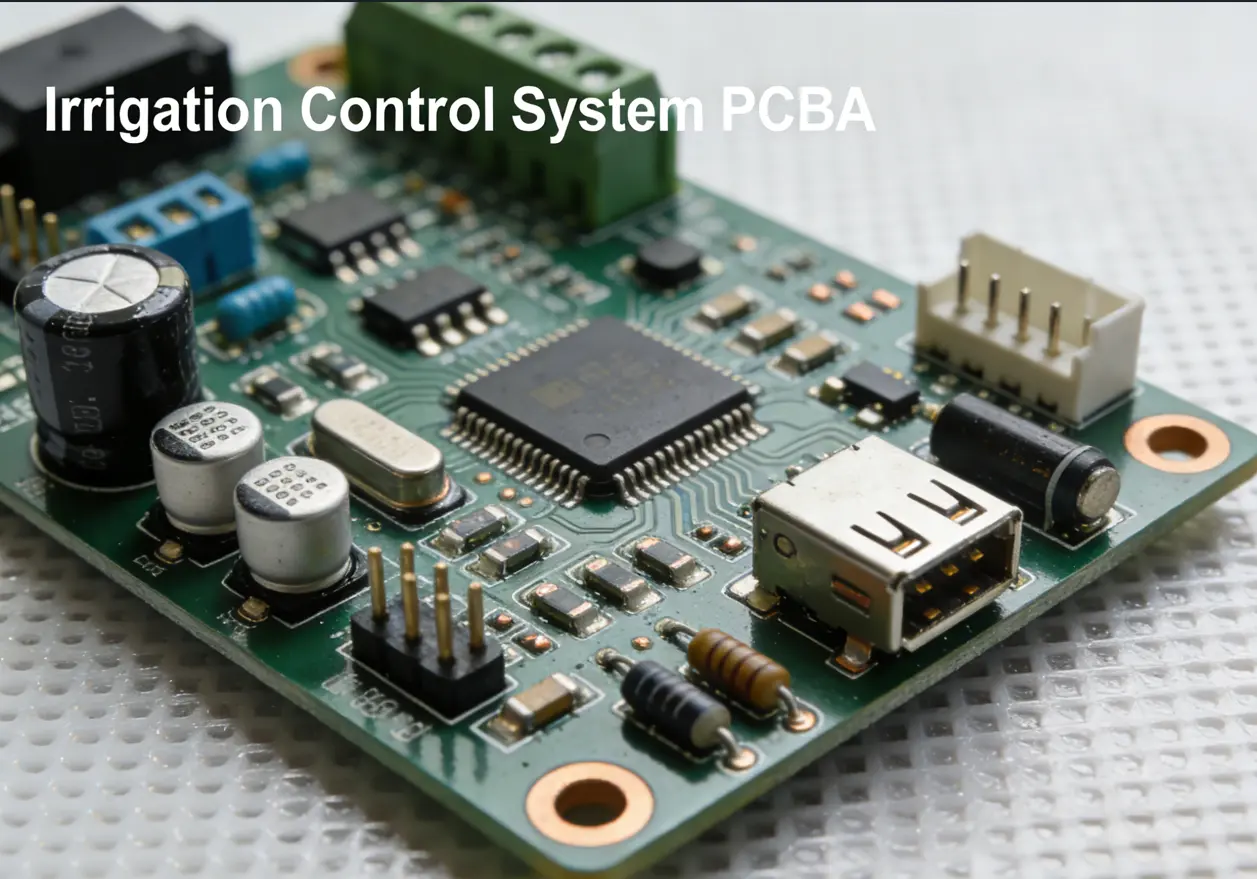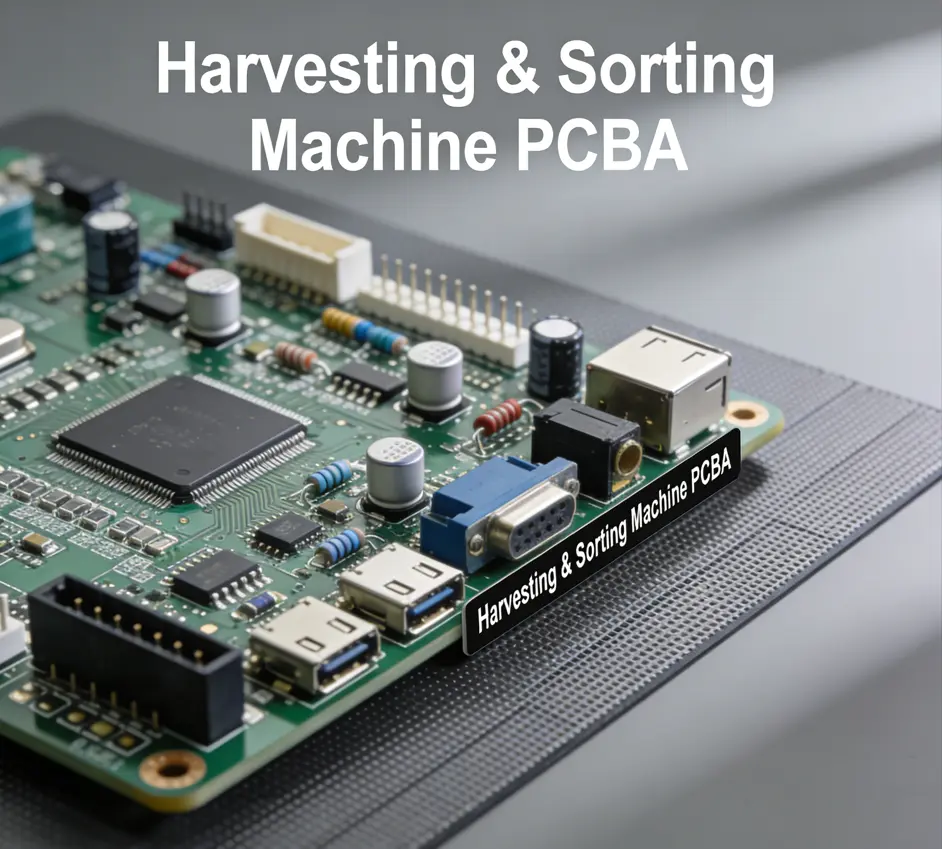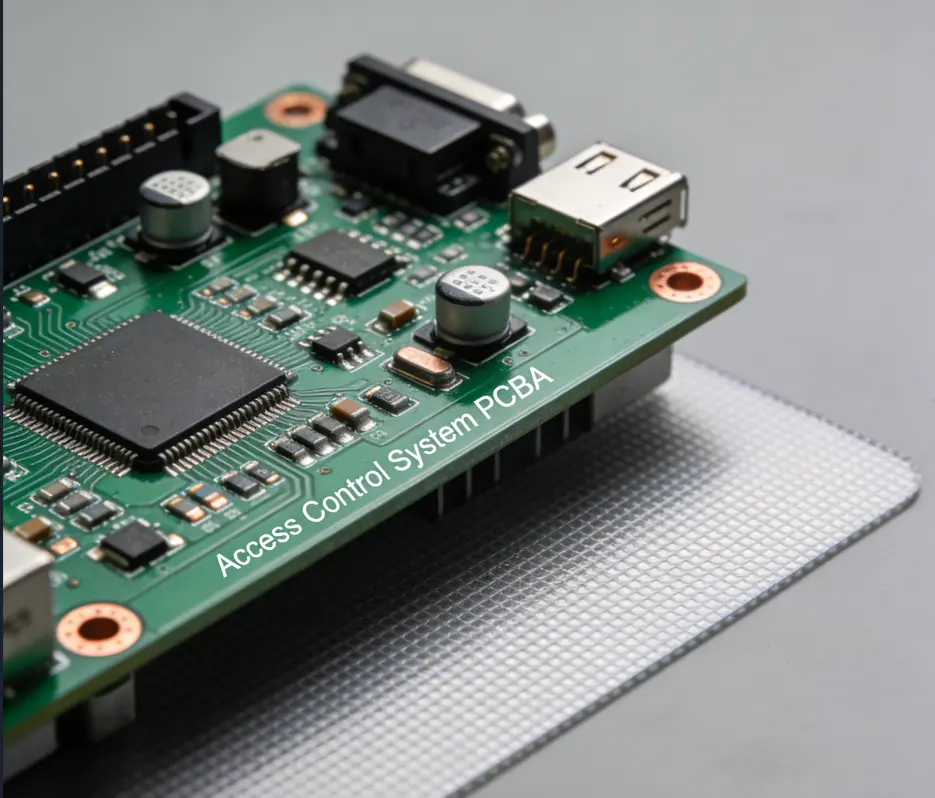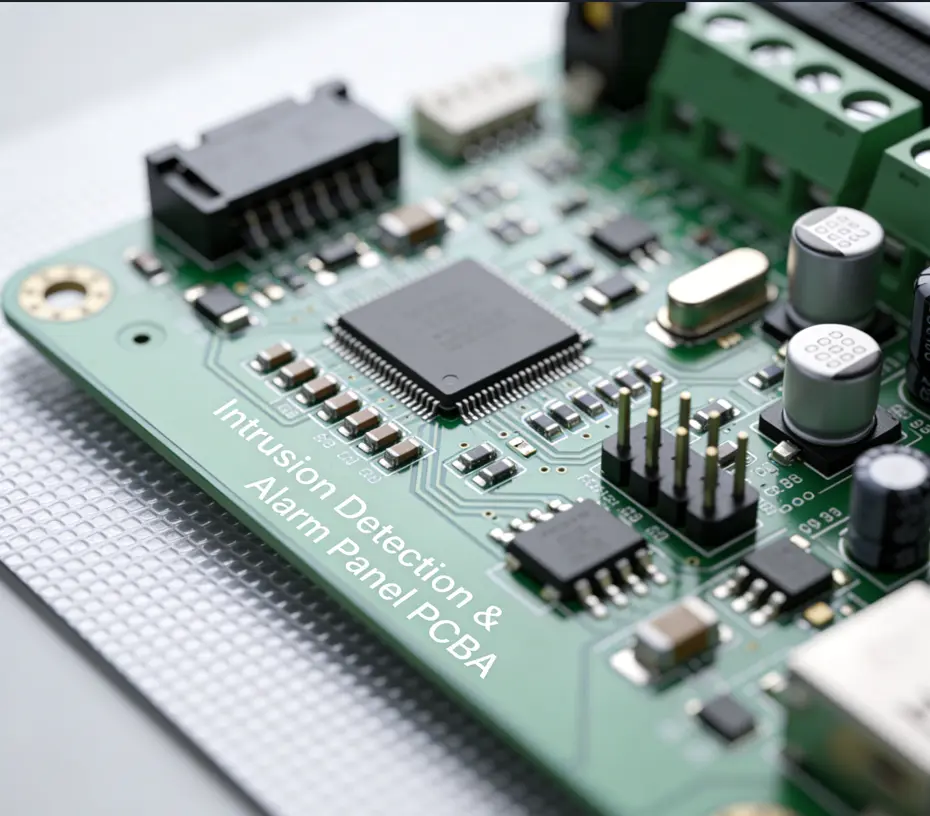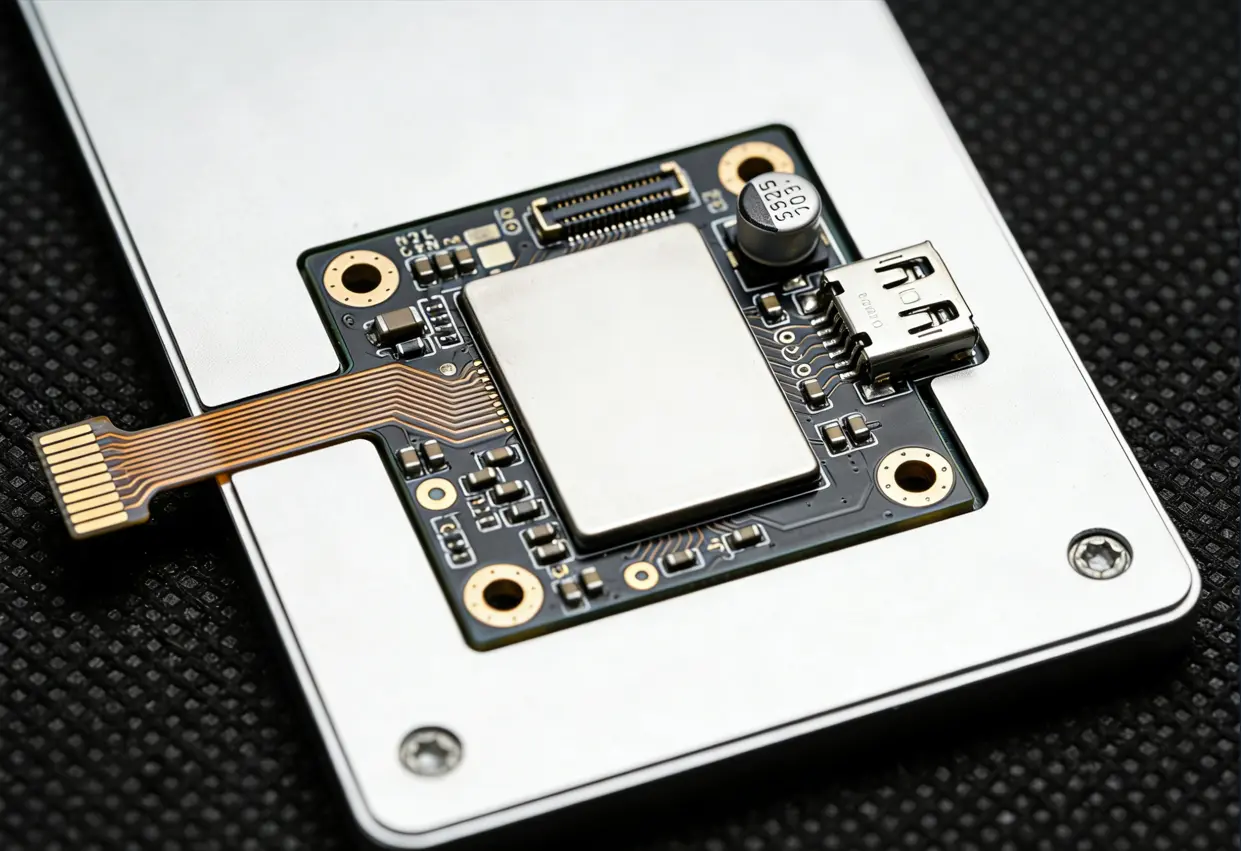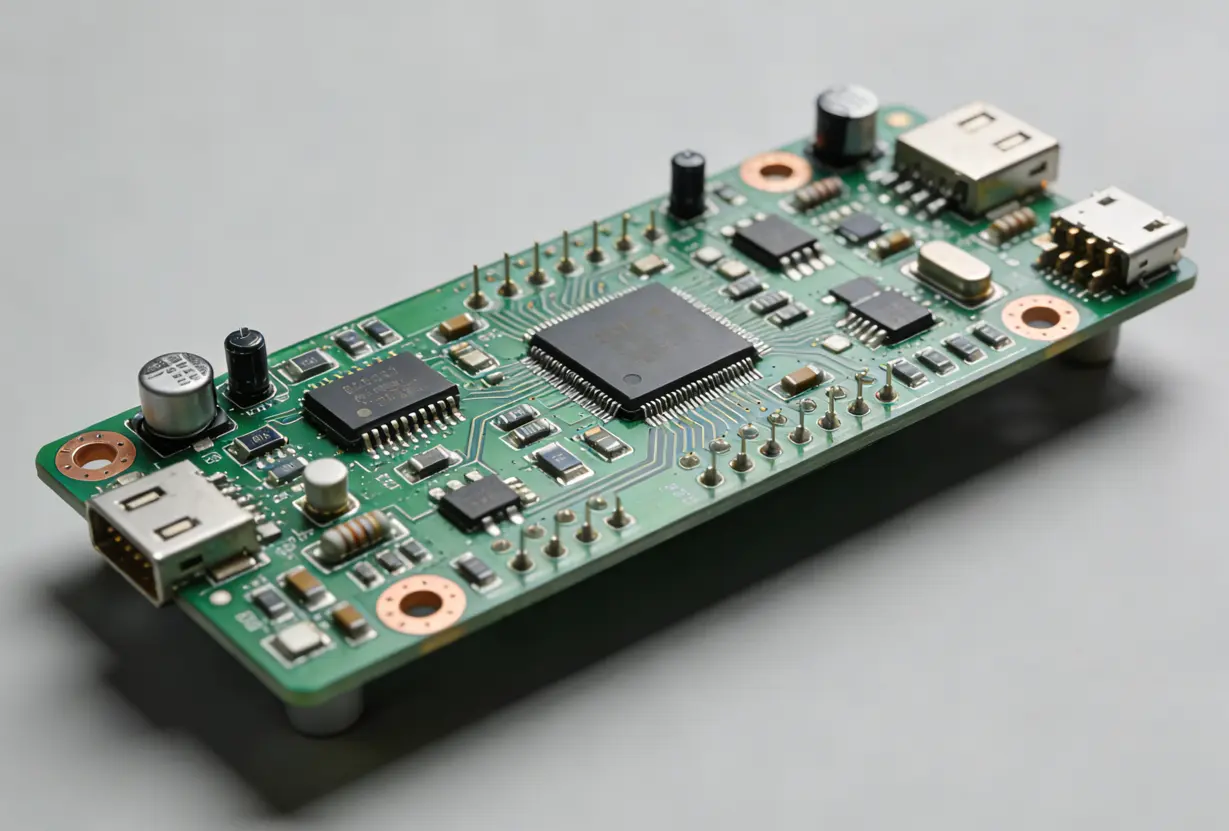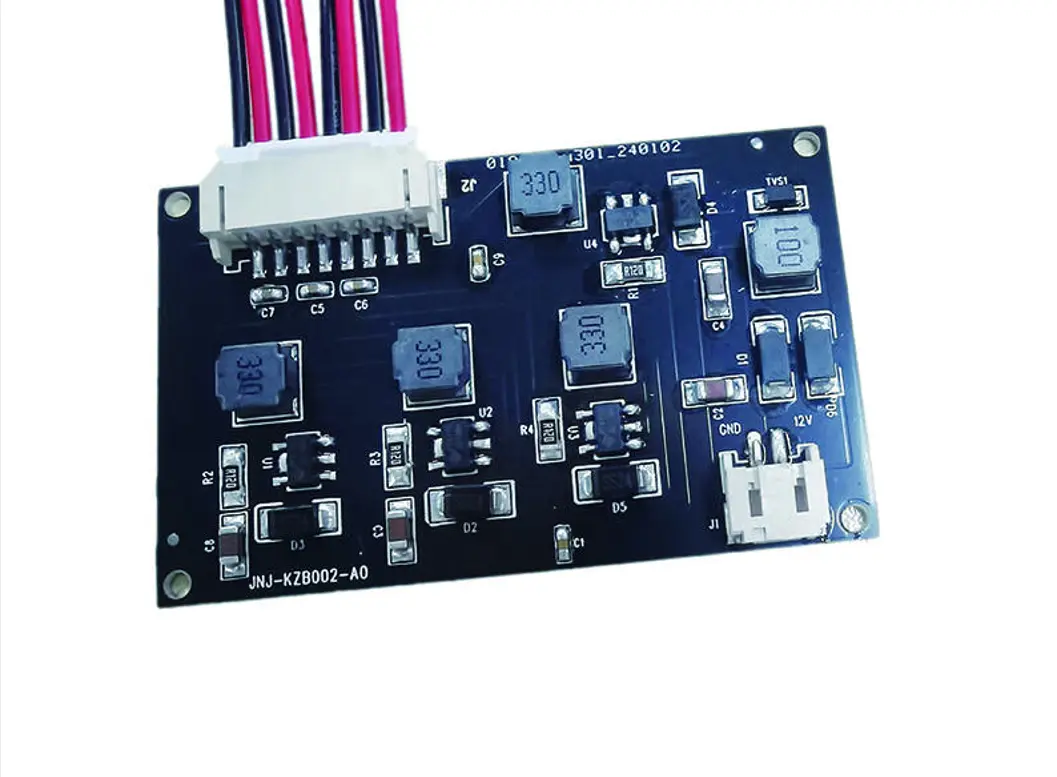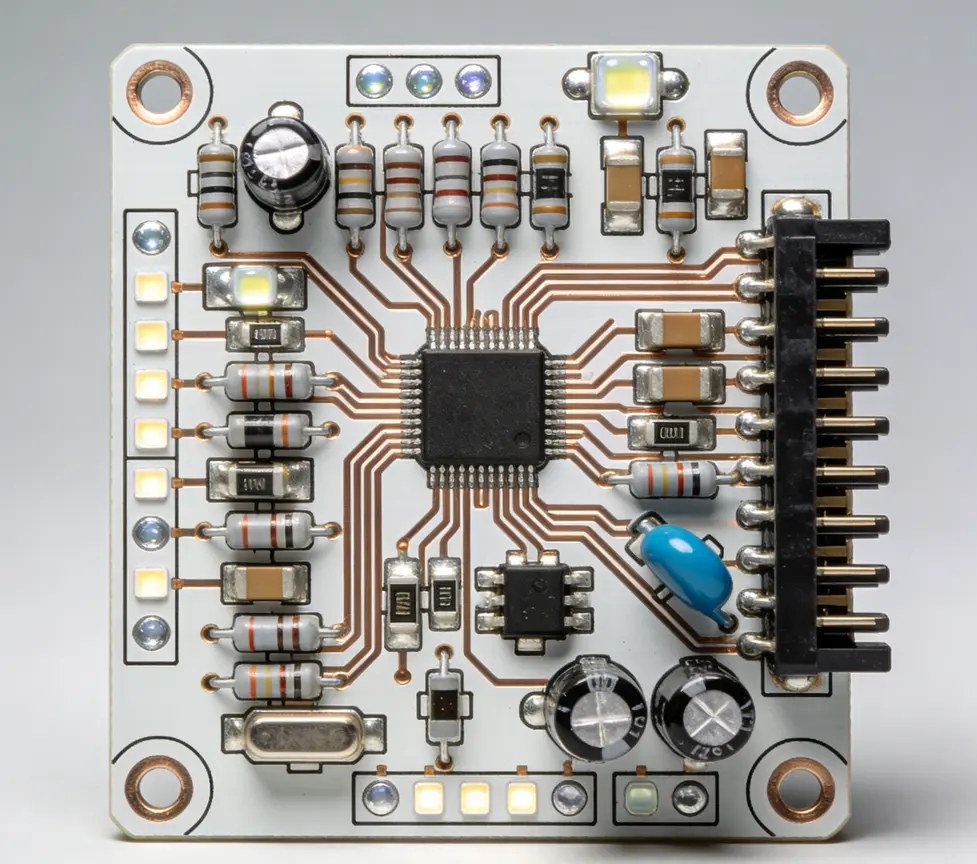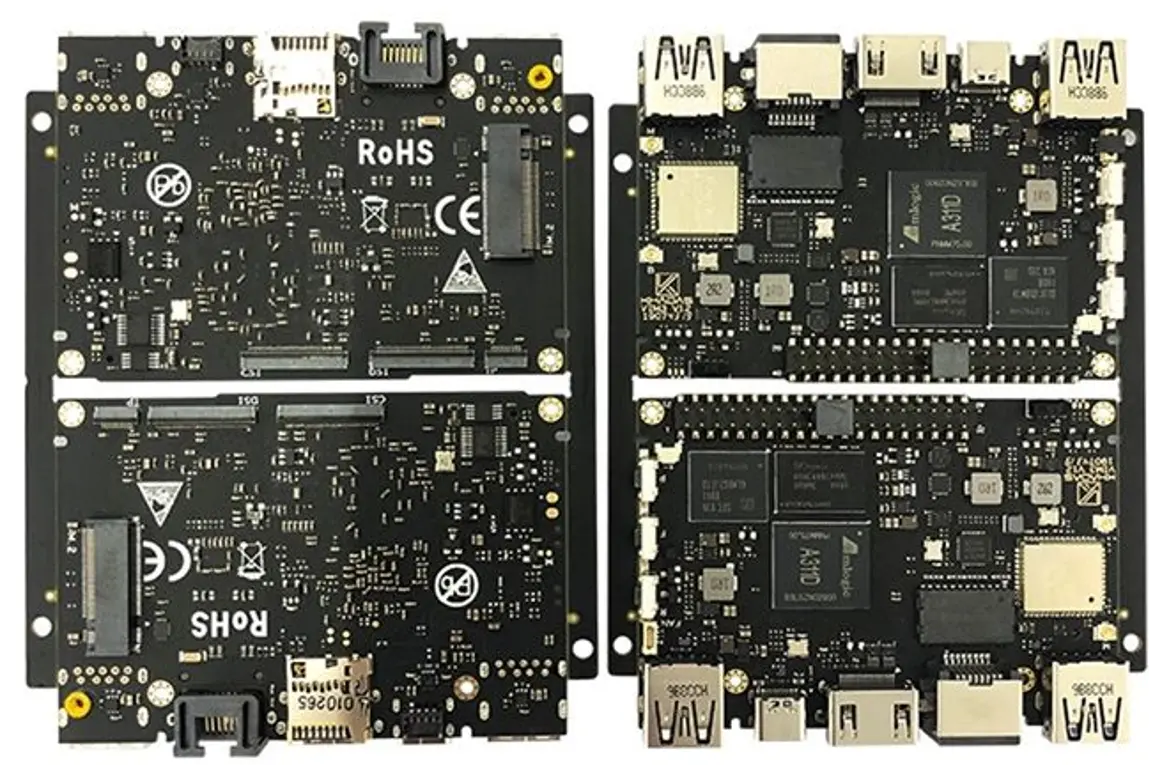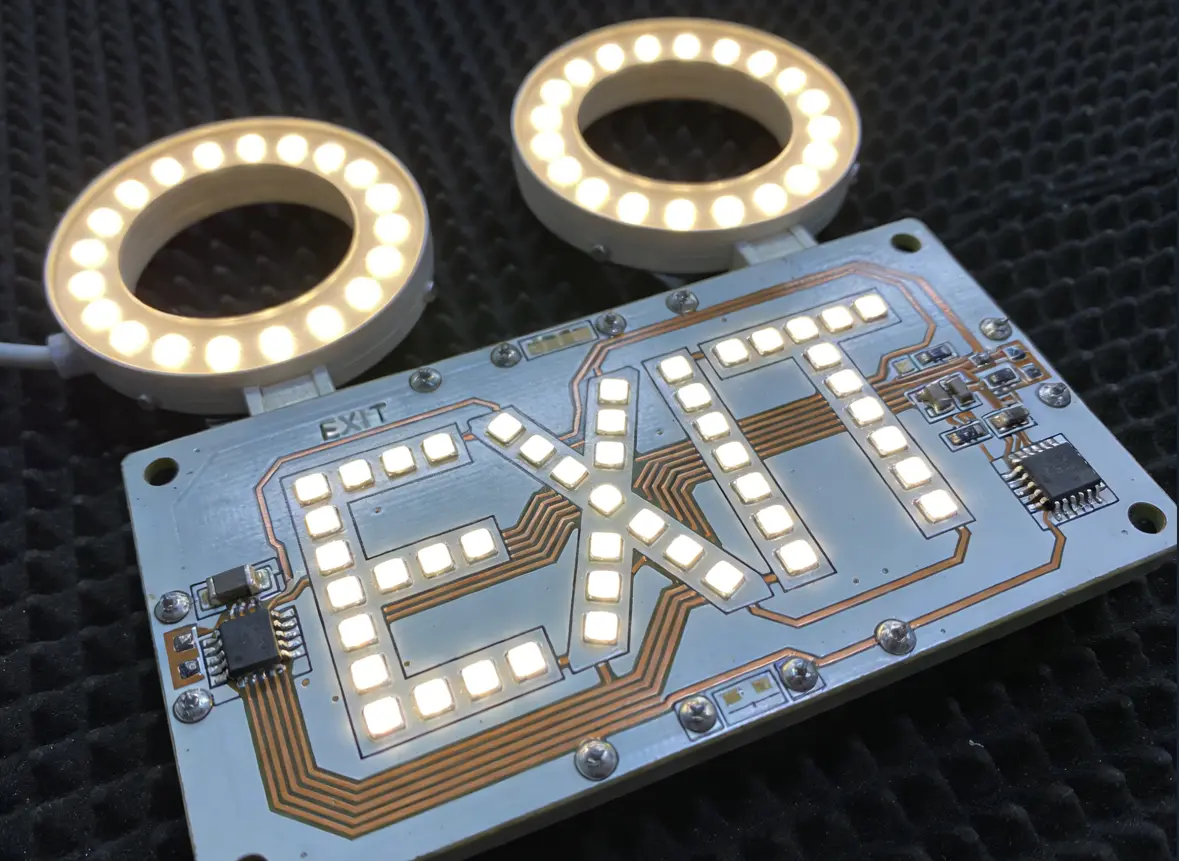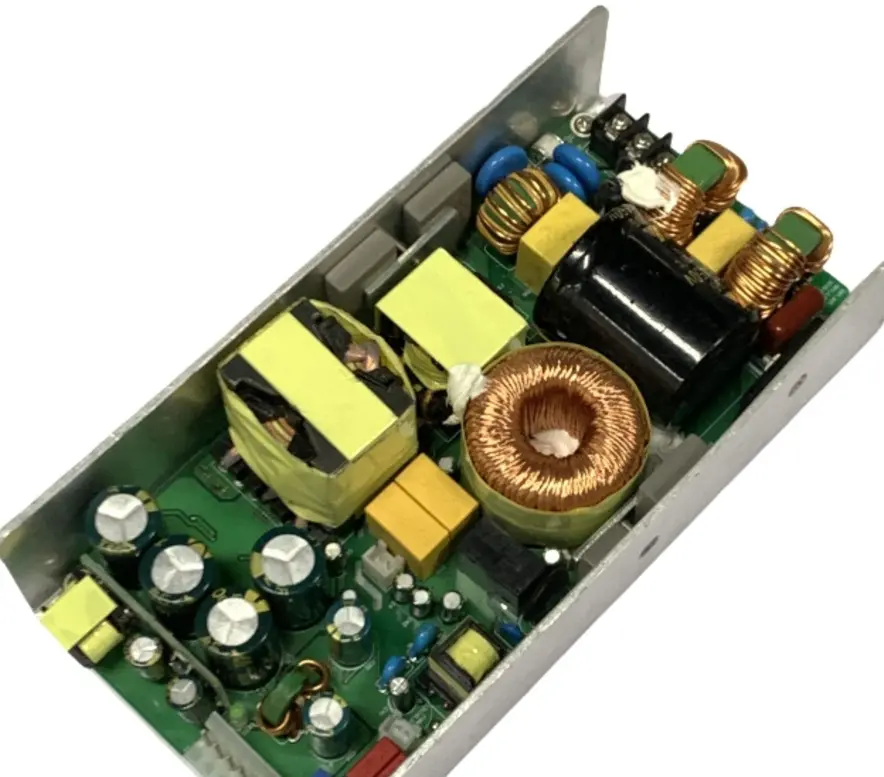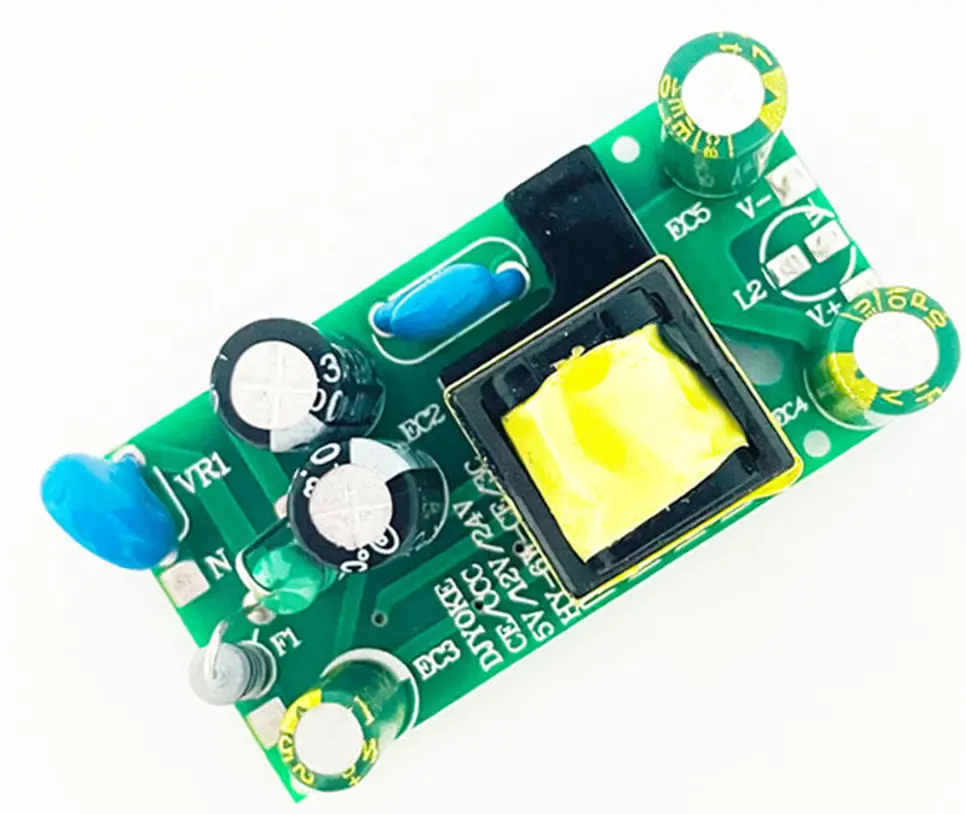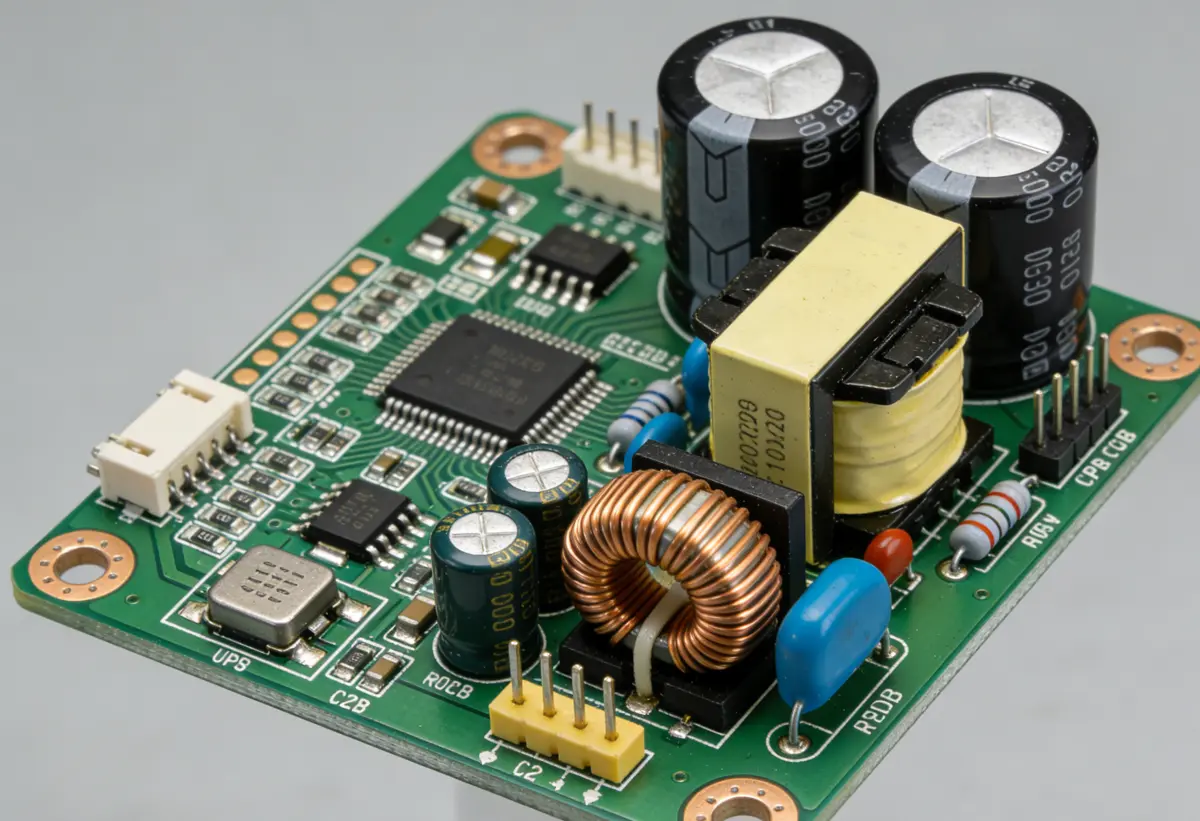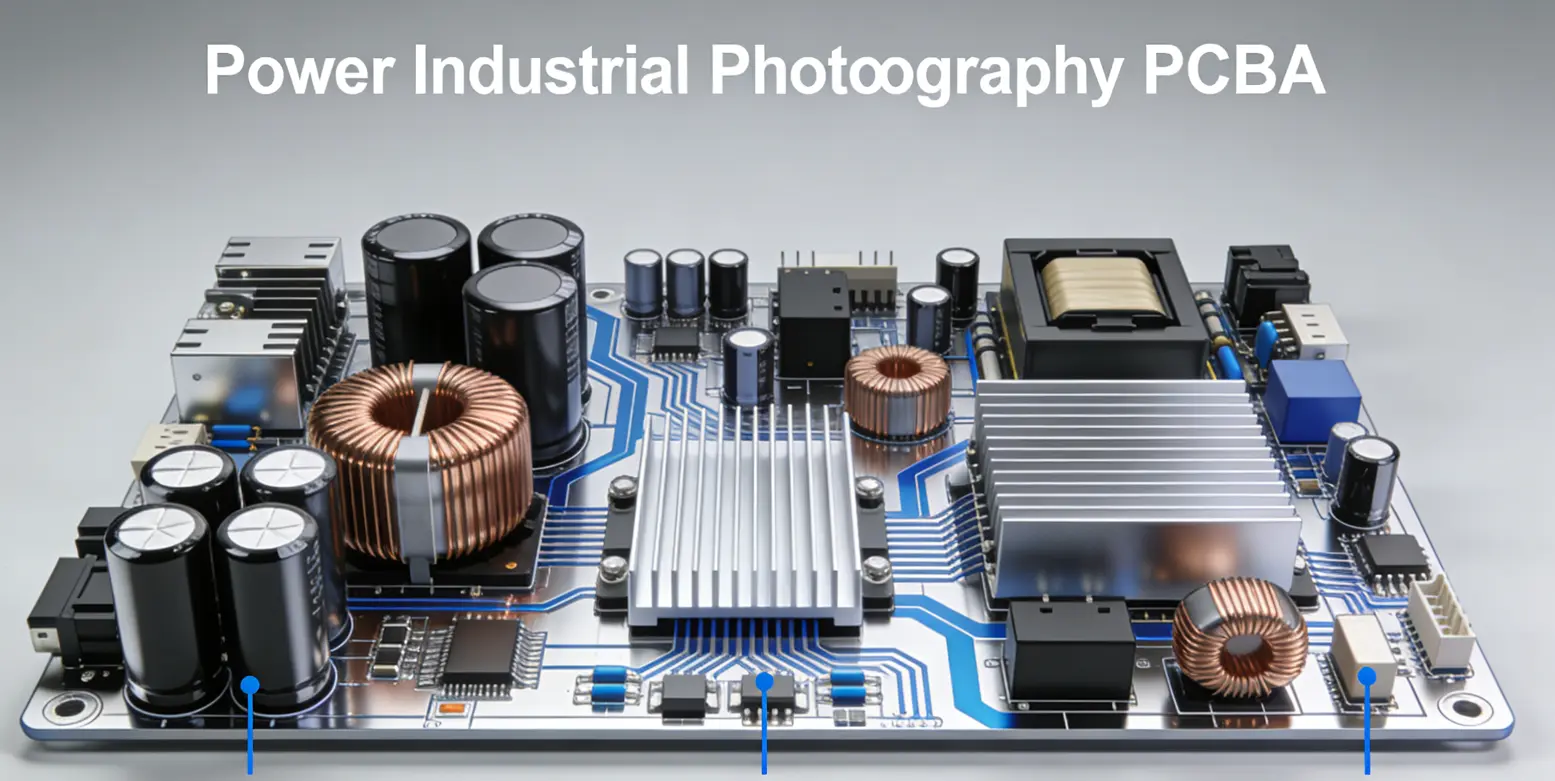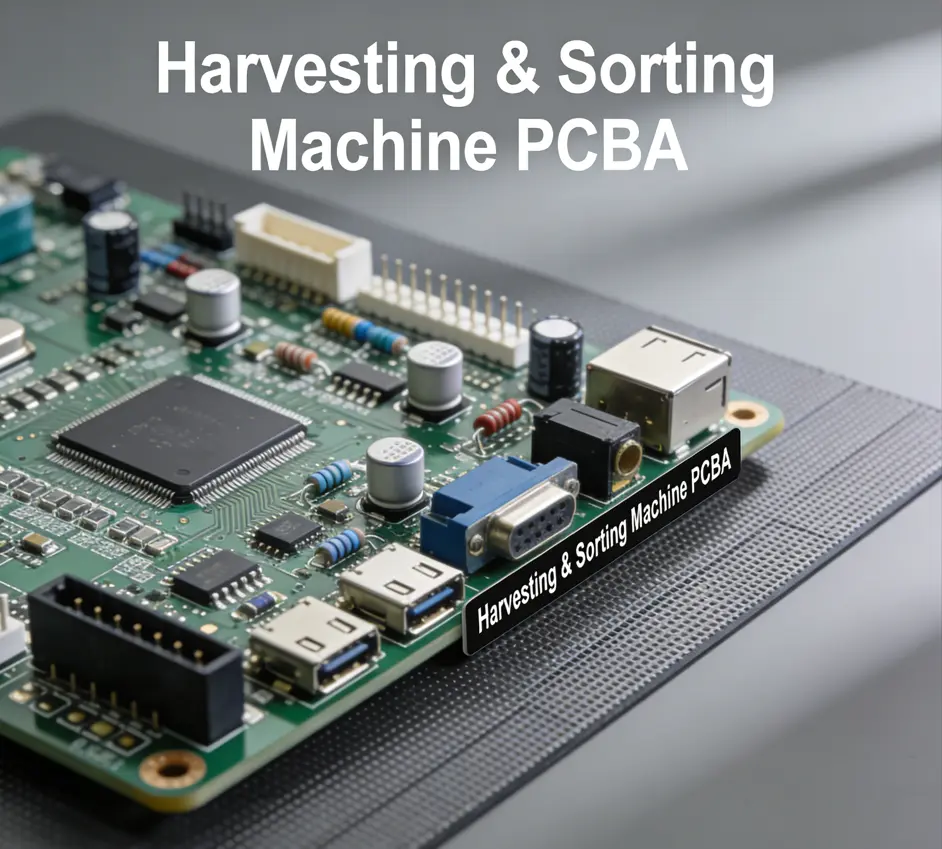
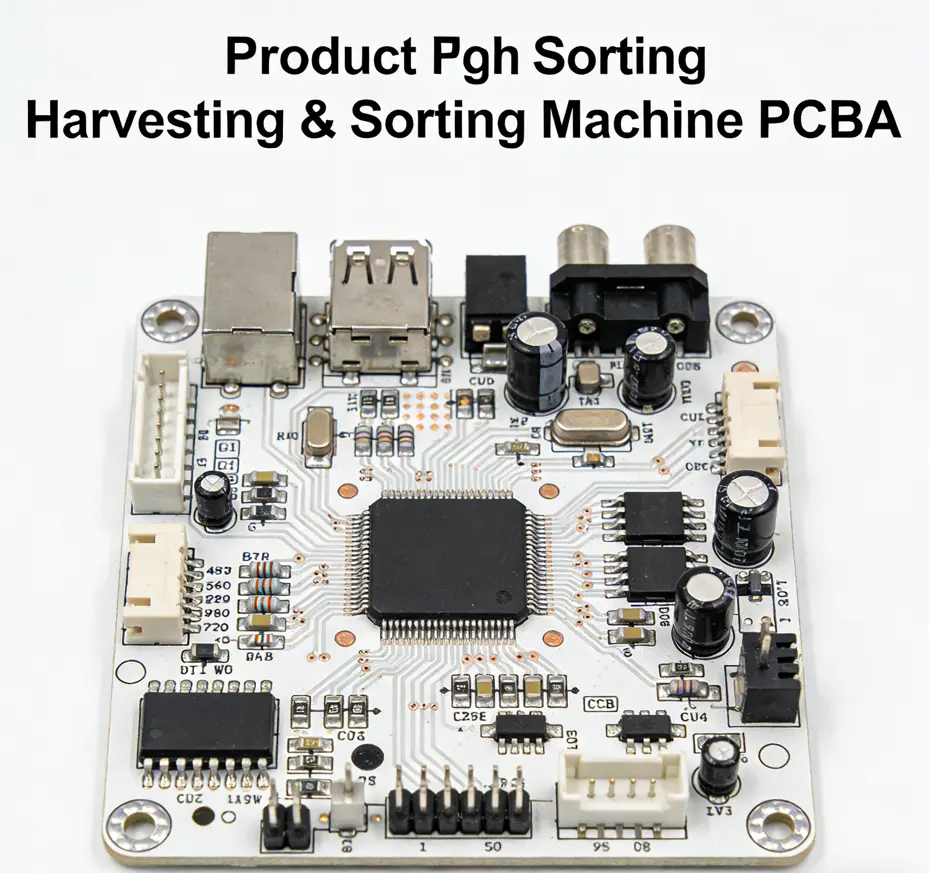
Printed Circuit Board Assembly (PCBA) serves as the core control unit of modern harvesting and sorting machines, directly determining the operational stability, environmental adaptability, and service life of agricultural equipment. To meet the rigorous demands of outdoor farm operations—including extreme temperatures, mechanical vibration, and high humidity—PCBA for harvesting and sorting machines must adhere to stringent technical specifications tailored to agricultural scenarios. This article details the key technical parameters that define high‑performance PCBA for such equipment.
The substrate material forms the foundational framework of PCBA, with FR‑4 as the industry standard for general‑purpose harvesting machine control systems, balancing mechanical strength and cost efficiency. For high‑heat modules (e.g., motor drive circuits), aluminum‑based PCB substrates are preferred to enhance thermal dissipation, while polyimide‑based flexible PCBs are deployed in compact, vibration‑prone areas to improve durability.
Copper Thickness: Optimized for high‑current agricultural applications, with 1 oz (35 μm) as the baseline, 2 oz (70 μm) for mid‑range power circuits, and 3 oz (105 μm) customizable for heavy‑duty actuator control modules.
Layer Count: Ranges from 2‑layer (basic control functions) to 6‑layer (complex multi‑sensor integration).
Board Thickness: Options from 0.8 mm to 2.0 mm are engineered to maintain mechanical stability during long‑term field operation—1.6 mm being the most widely adopted specification for balanced rigidity and weight.
For high‑density component layouts (critical for compact sorting machine control panels), the minimum line width/spacing is set at 0.1 mm/0.1 mm (4 mil/4 mil) , paired with a minimum hole size of 0.2 mm (8 mil) to accommodate micro‑vias and miniaturized connectors. Surface finish options include:
Lead‑free HASL: Cost‑effective for bulk production.
ENIG (Electroless Nickel Immersion Gold): Gold‑plated for superior corrosion resistance and signal integrity.
OSP (Organic Solderability Preservative): Eco‑friendly coating for high‑reliability soldering.
Harvesting and sorting machine PCBA employs a hybrid assembly approach combining Surface Mount Technology (SMT) and Through‑Hole Technology (THT):
SMT for high‑density microelectronics (e.g., microcontrollers, sensors).
THT for high‑vibration connections (e.g., power terminals, motor connectors), ensuring robust mechanical and electrical performance under harsh operating conditions.
Soldering quality complies with IPC‑A‑610 Class II (industrial grade) or Class III (automotive/agricultural grade) standards, with rigorous testing protocols including:
Automated Optical Inspection (AOI): For solder joint accuracy.
X‑ray Inspection: For hidden defects.
In‑Circuit Test (ICT): For electrical connectivity.
Functional Test (FCT): To validate real‑world operational performance.
Agricultural PCBA must withstand extreme outdoor conditions, with an operating temperature range of -40°C to +85°C—critical for equipment used in cold northern climates and hot southern farmlands alike. Humidity resistance is enhanced via optional IP65‑rated conformal coating, protecting against dust, moisture, and chemical exposure (e.g., pesticides) in farm environments.
Vibration Resistance: Meets IEC 60068‑2‑6 standards (10‑2000 Hz frequency range, 1G acceleration), ensuring PCBA integrity during transportation and operation on uneven farm terrain.
Power Distribution: Power traces support up to 20A of current to drive hydraulic systems and sorting conveyors.
Impedance Control: Optional 50 Ω / 75 Ω control guarantees stable transmission of sensor signals (e.g., optical sorting sensors, weight detectors) over long cable runs.
The technical parameters of harvesting and sorting machine PCBA are engineered to address the unique challenges of agricultural environments—balancing high‑current capacity, thermal management, vibration resistance, and environmental durability. By adhering to these specifications, PCBA ensures reliable performance of harvesting and sorting equipment, minimizing downtime and maximizing operational efficiency for farmers and agricultural enterprises. Customization options (e.g., substrate material, copper thickness, coating) allow tailoring to specific crop types, regional climate conditions, and machine configurations, making it a versatile core component of modern smart agriculture systems.
|
Parameter Category |
Specification Details |
|
Substrate Material |
FR-4 (Standard), Aluminum-based PCB (High-heat applications), Polyimide (Flexible scenarios) |
|
Copper Thickness |
1oz (35μm), 2oz (70μm), 3oz (105μm) - customizable for high-current circuits |
|
Number of Layers |
2-layer, 4-layer, 6-layer - tailored to control system complexity |
|
Board Thickness |
0.8mm, 1.0mm, 1.6mm, 2.0mm - optimized for mechanical stability in field operations |
|
Minimum Line Width/Spacing |
0.1mm/0.1mm (4mil/4mil) - ensures high-density component layout |
|
Minimum Hole Size |
0.2mm (8mil) - compatible with micro-vias for compact designs |
|
Surface Finish |
HASL (Lead-free), ENIG (Gold-plated), OSP (Organic Solderability Preservative) |
|
Component Mounting Type |
SMT (Surface Mount Technology) + THT (Through-Hole Technology) - hybrid assembly for robust connections |
|
Operating Temperature Range |
-40°C ~ +85°C - adapted to outdoor harvesting environments (extreme cold/heat) |
|
Humidity Resistance |
IP65 (PCB conformal coating option) - protects against dust and moisture in farmlands |
|
Vibration Resistance |
Complies with IEC 60068-2-6 standard (10-2000Hz, 1G acceleration) - withstands machine operation vibrations |
|
Current Rating |
Up to 20A per power trace - supports motor and actuator control modules |
|
Signal Integrity |
Impedance control (50Ω/75Ω optional) - ensures stable transmission of sensor signals |
|
Soldering Quality |
IPC-A-610 Class II/III - meets industrial and automotive-grade reliability standards |
|
Testing Standards |
AOI (Automated Optical Inspection), X-ray Inspection, Functional Test (FCT), In-Circuit Test (ICT) |