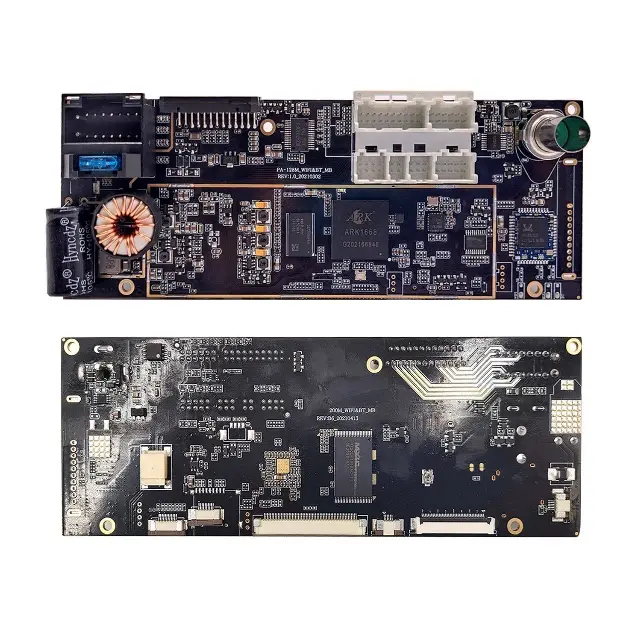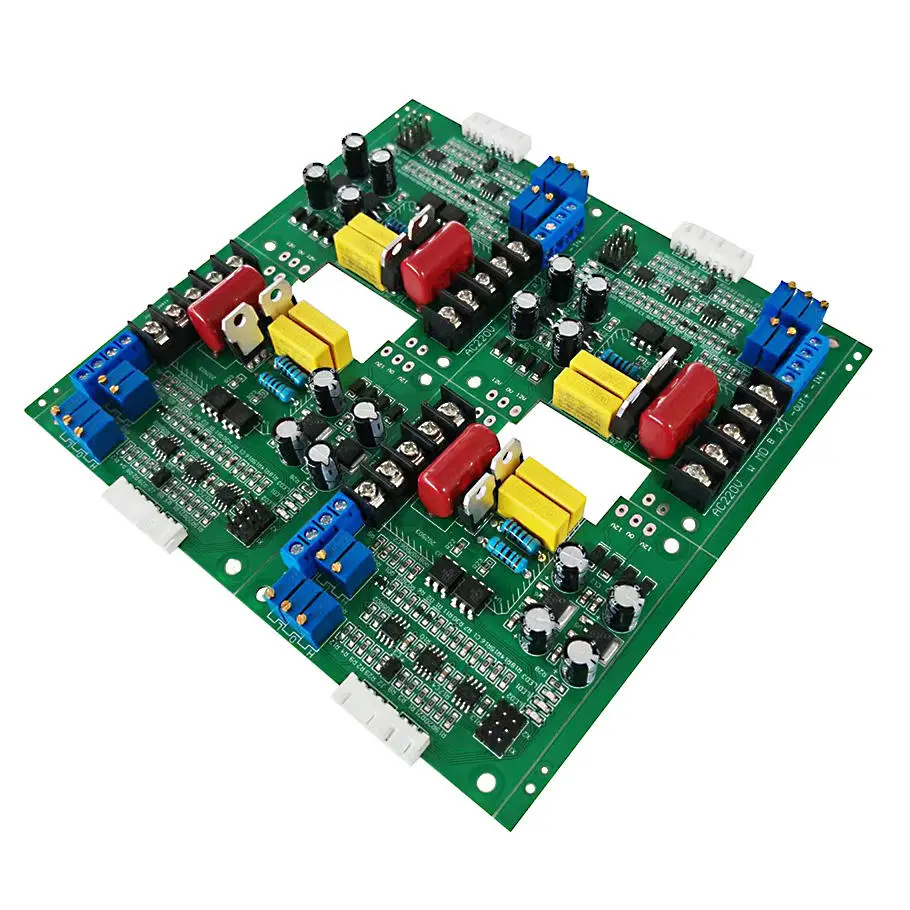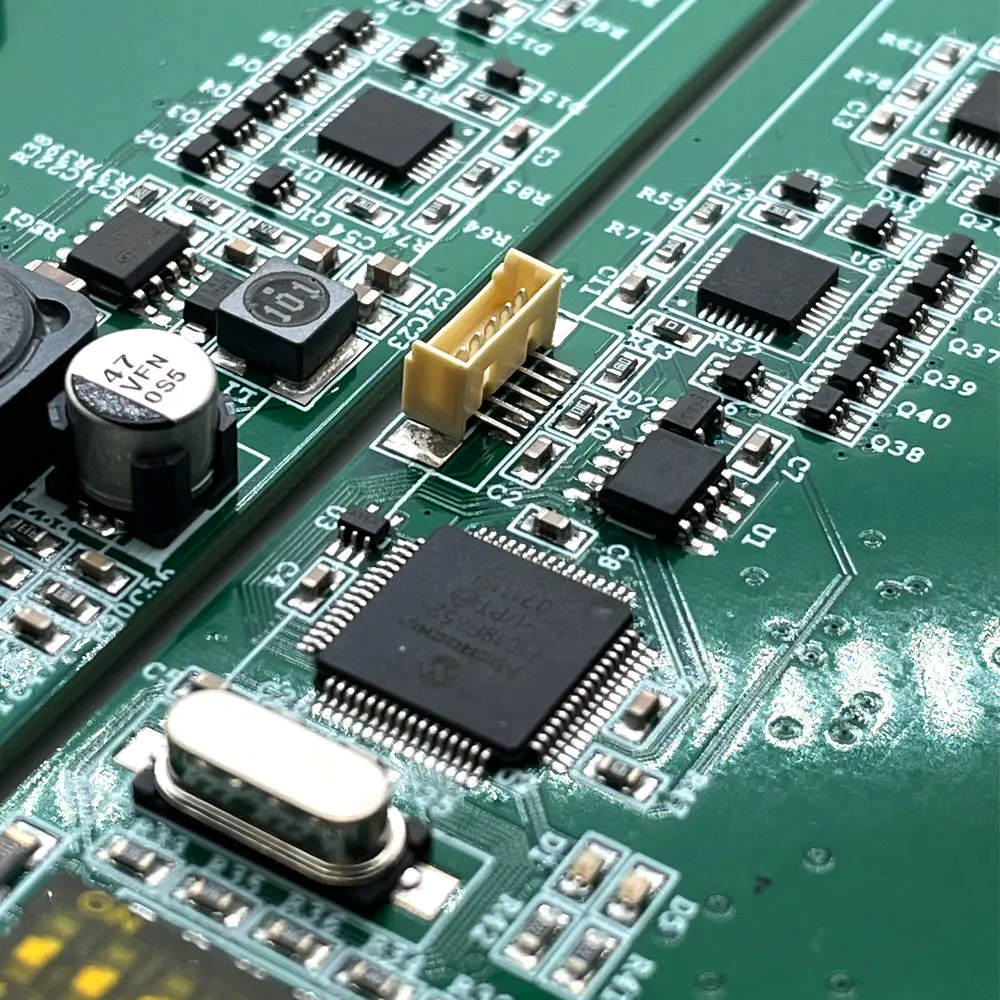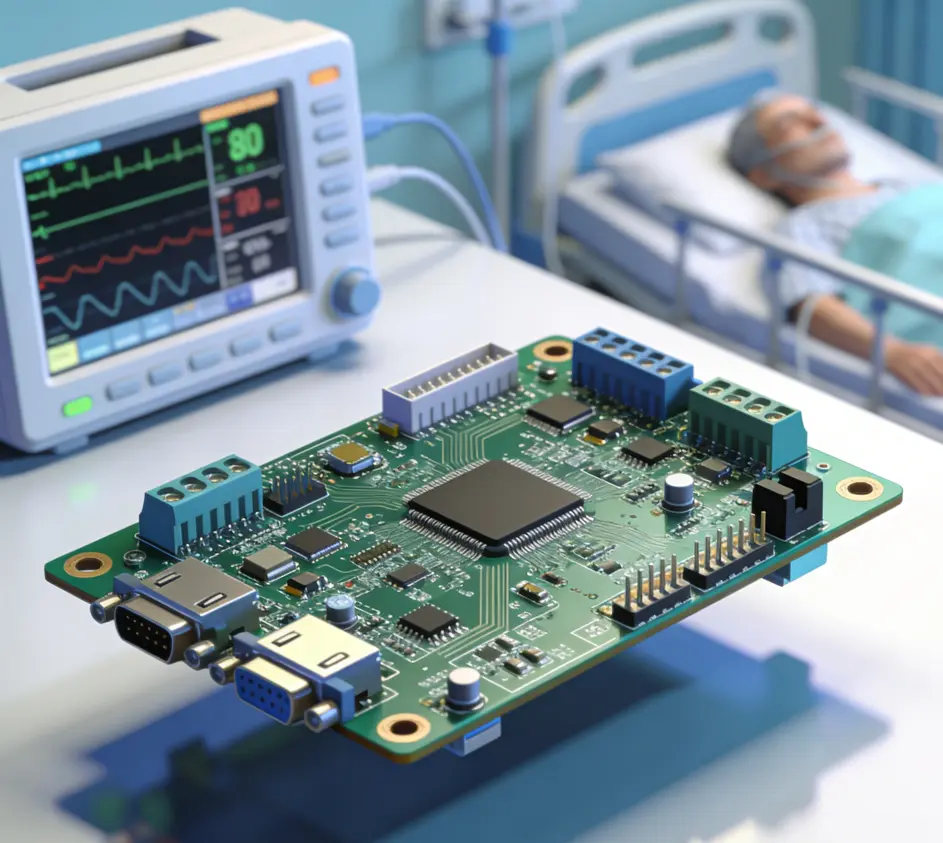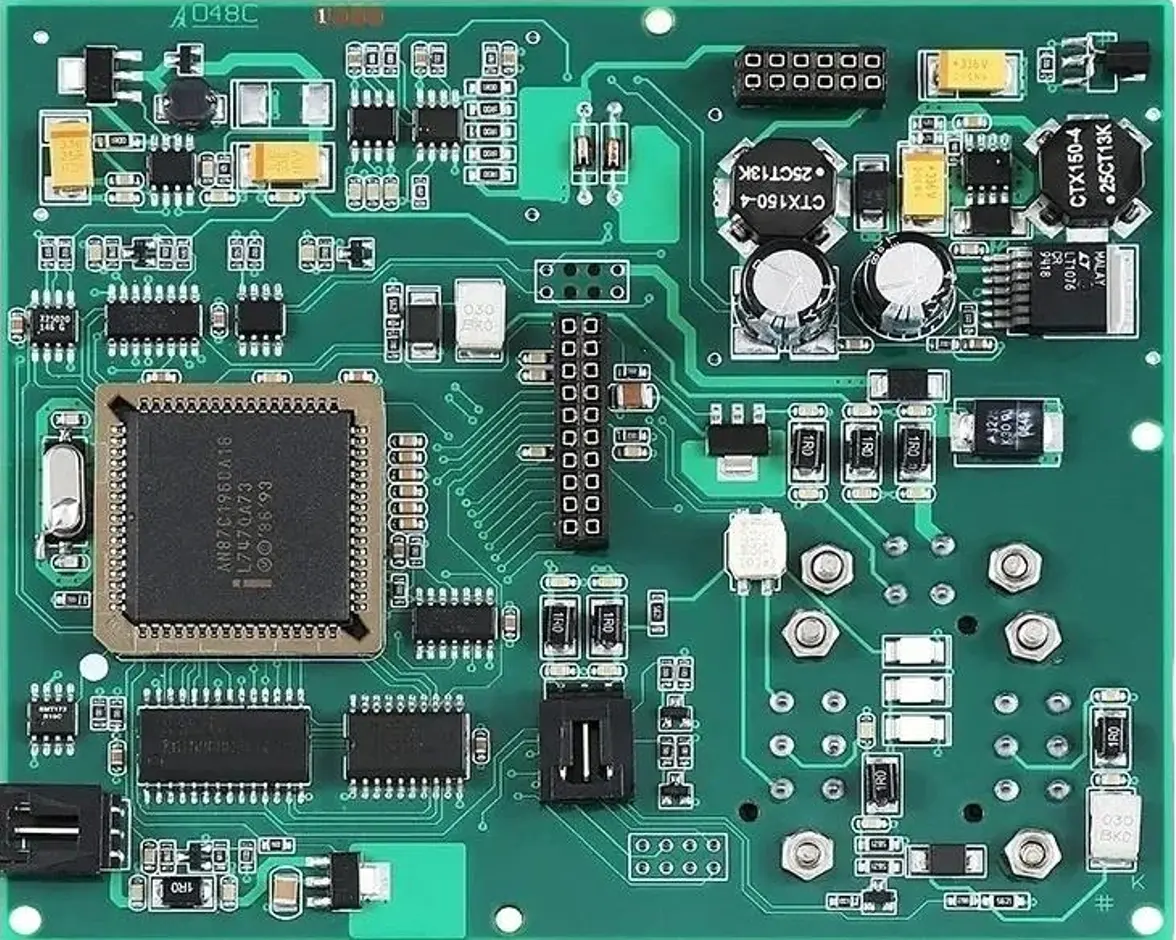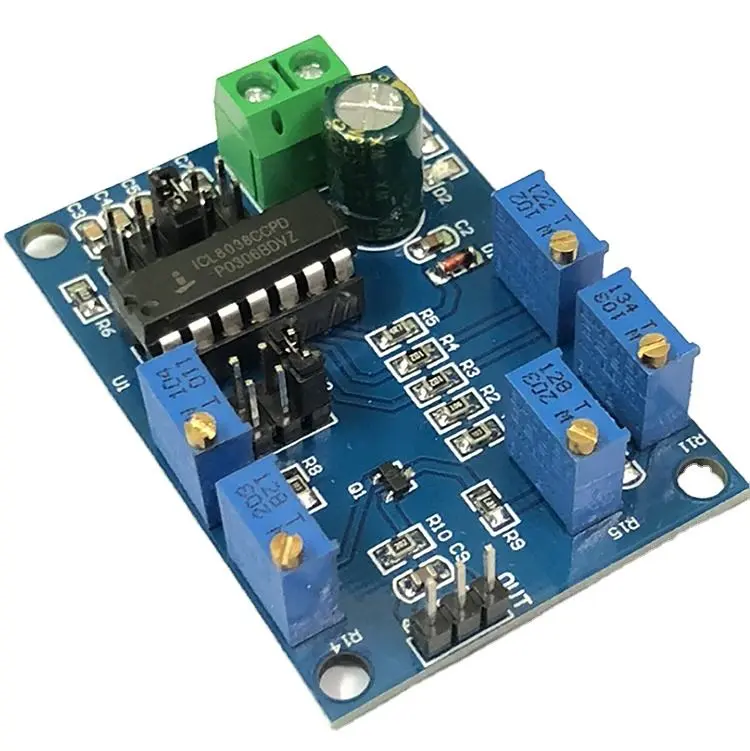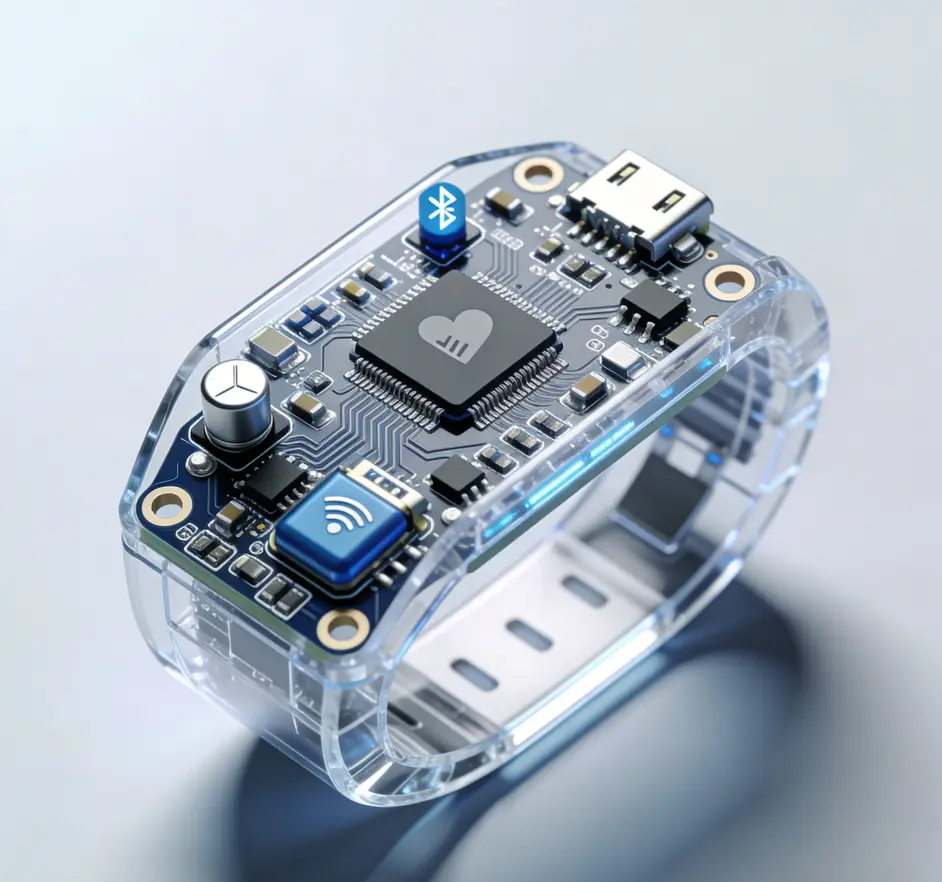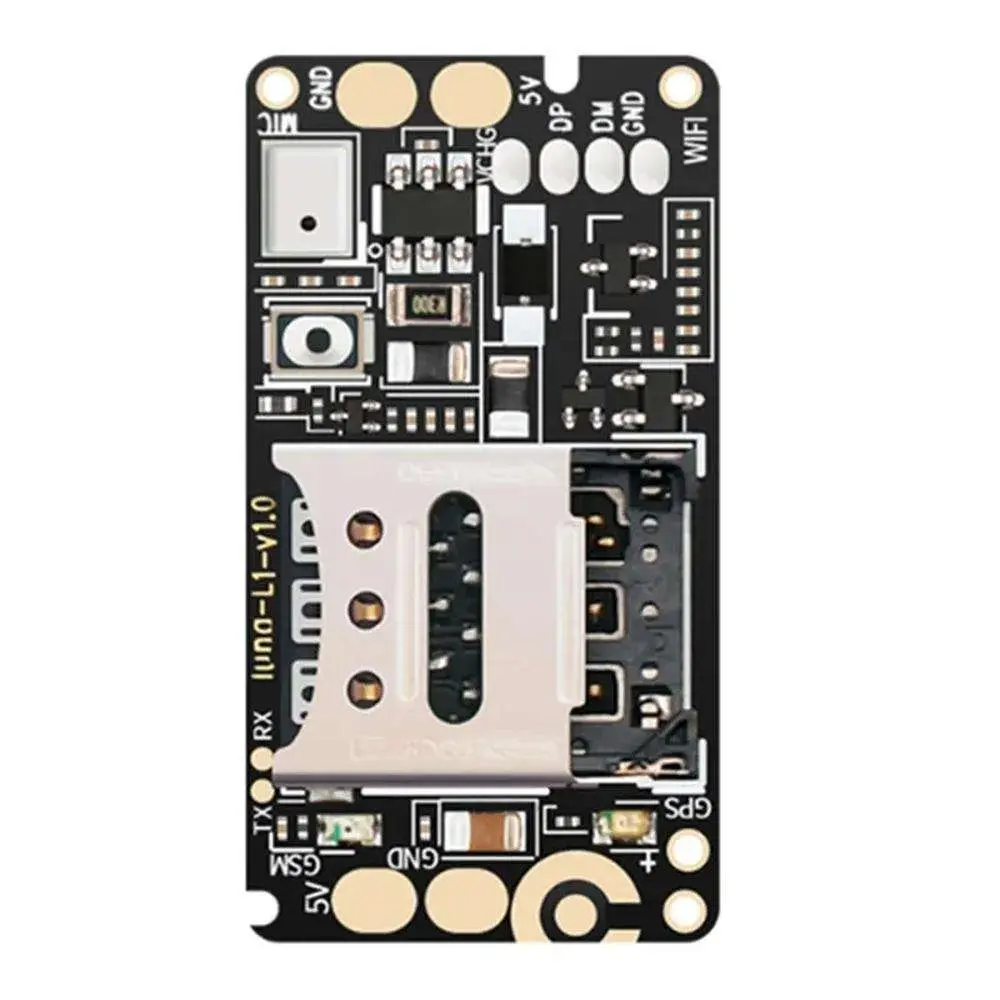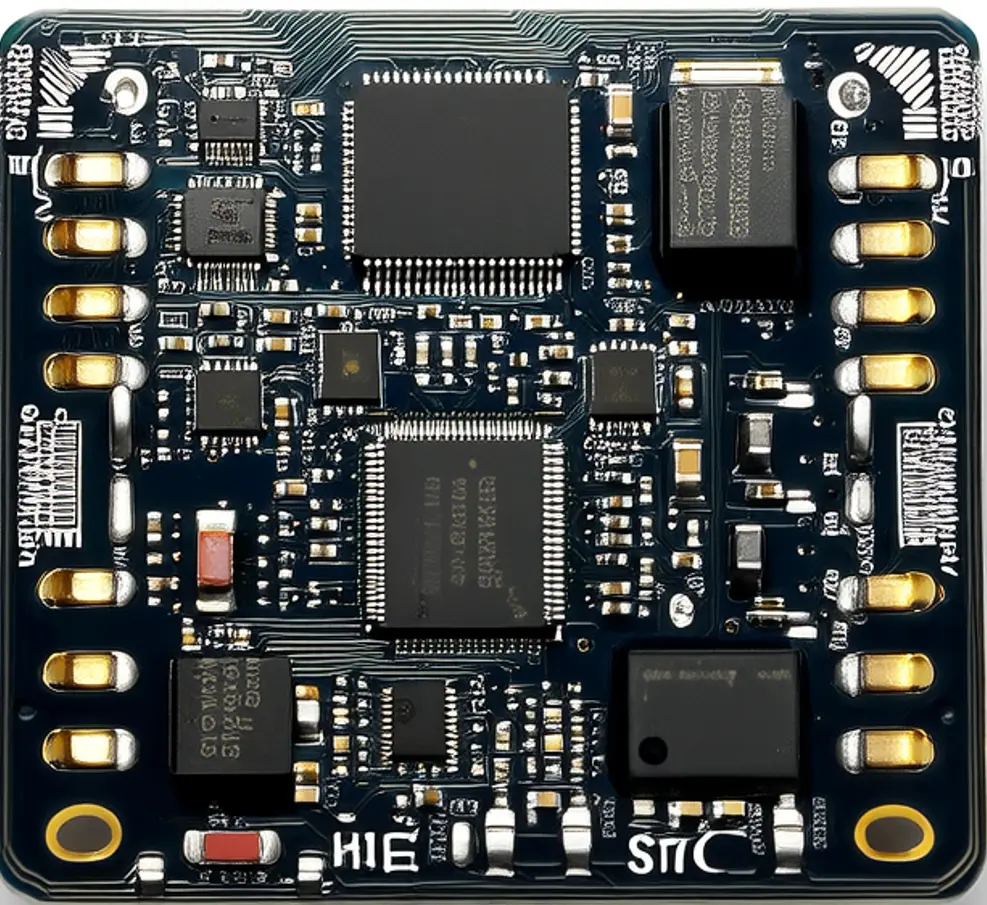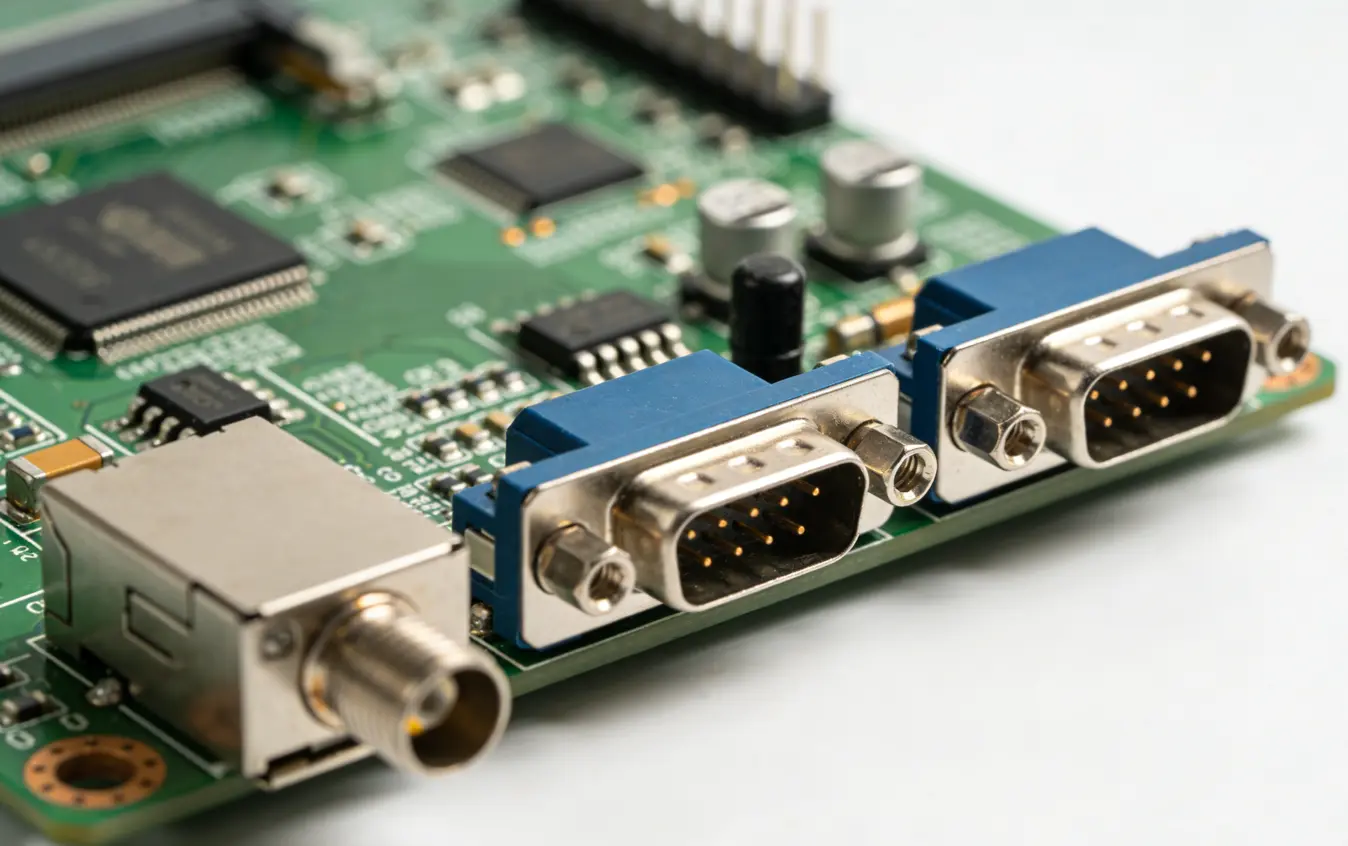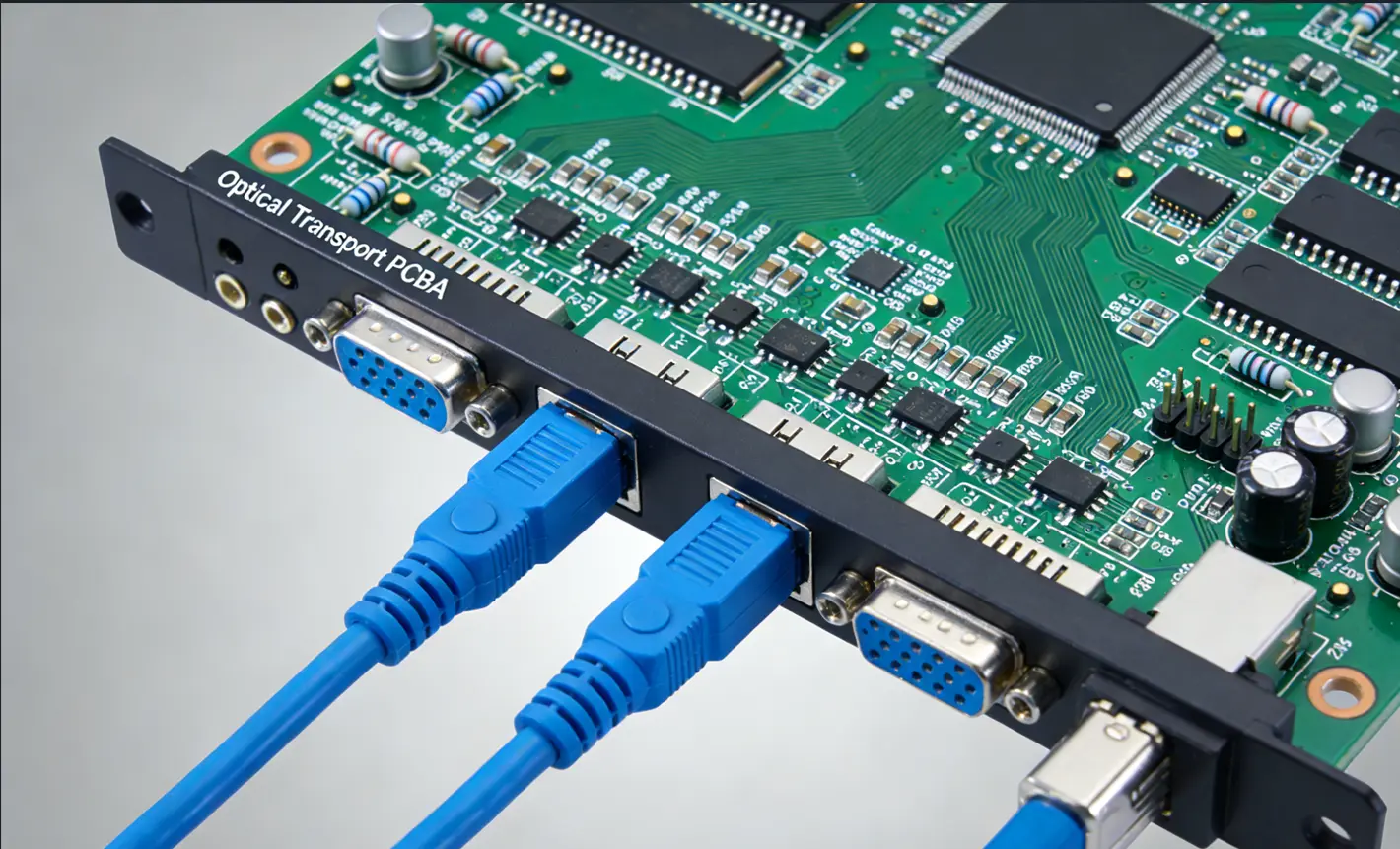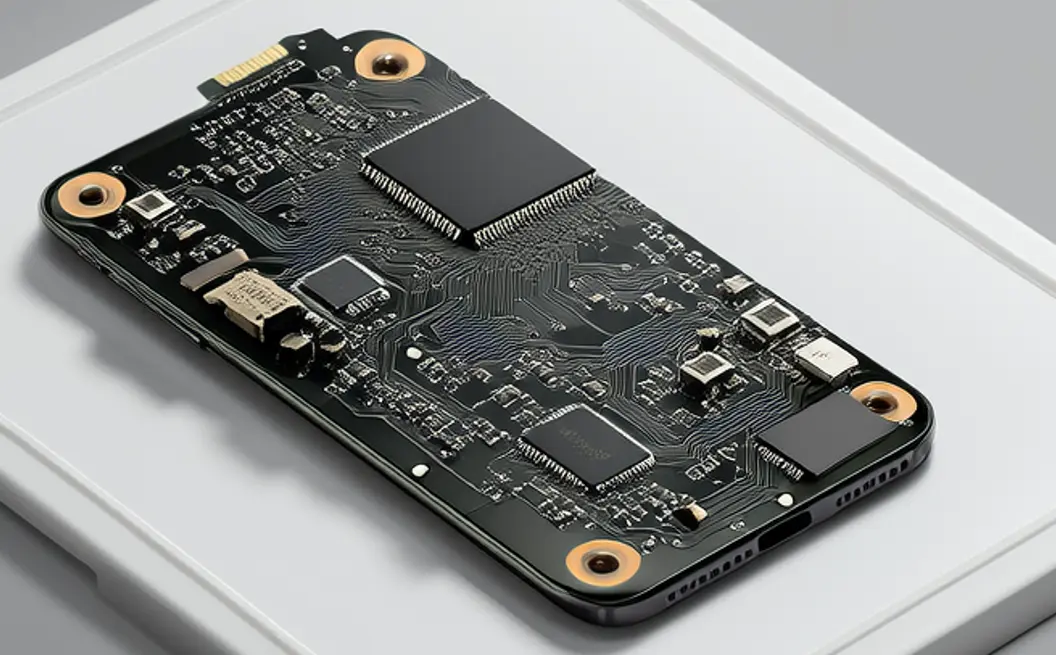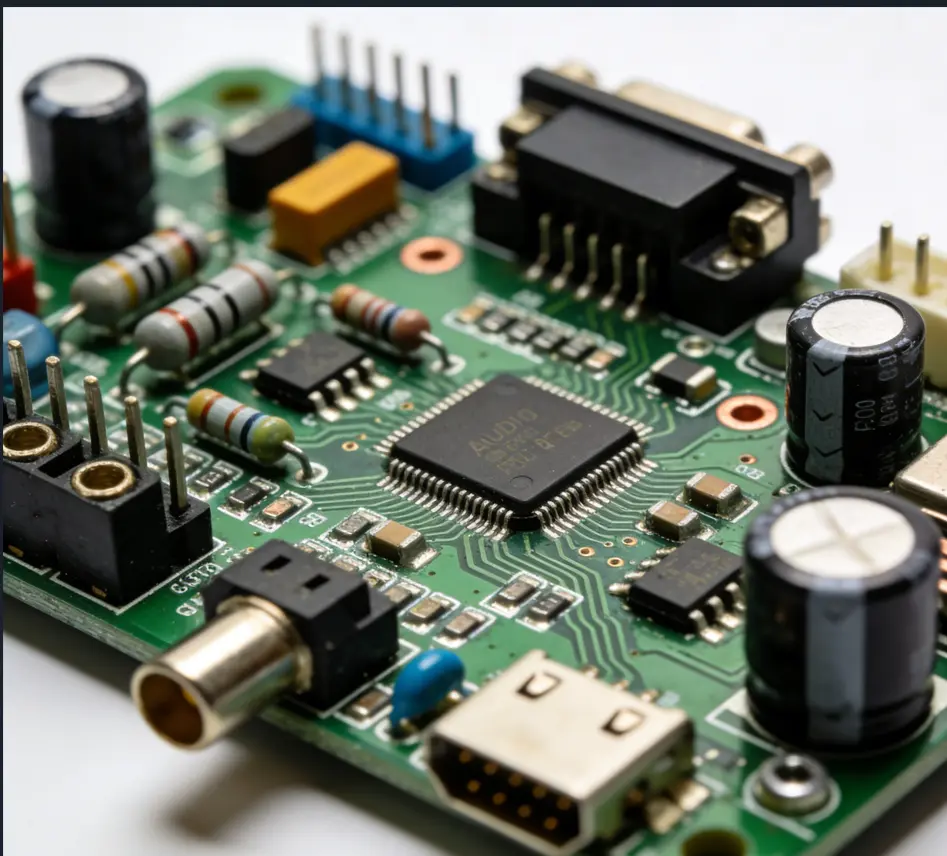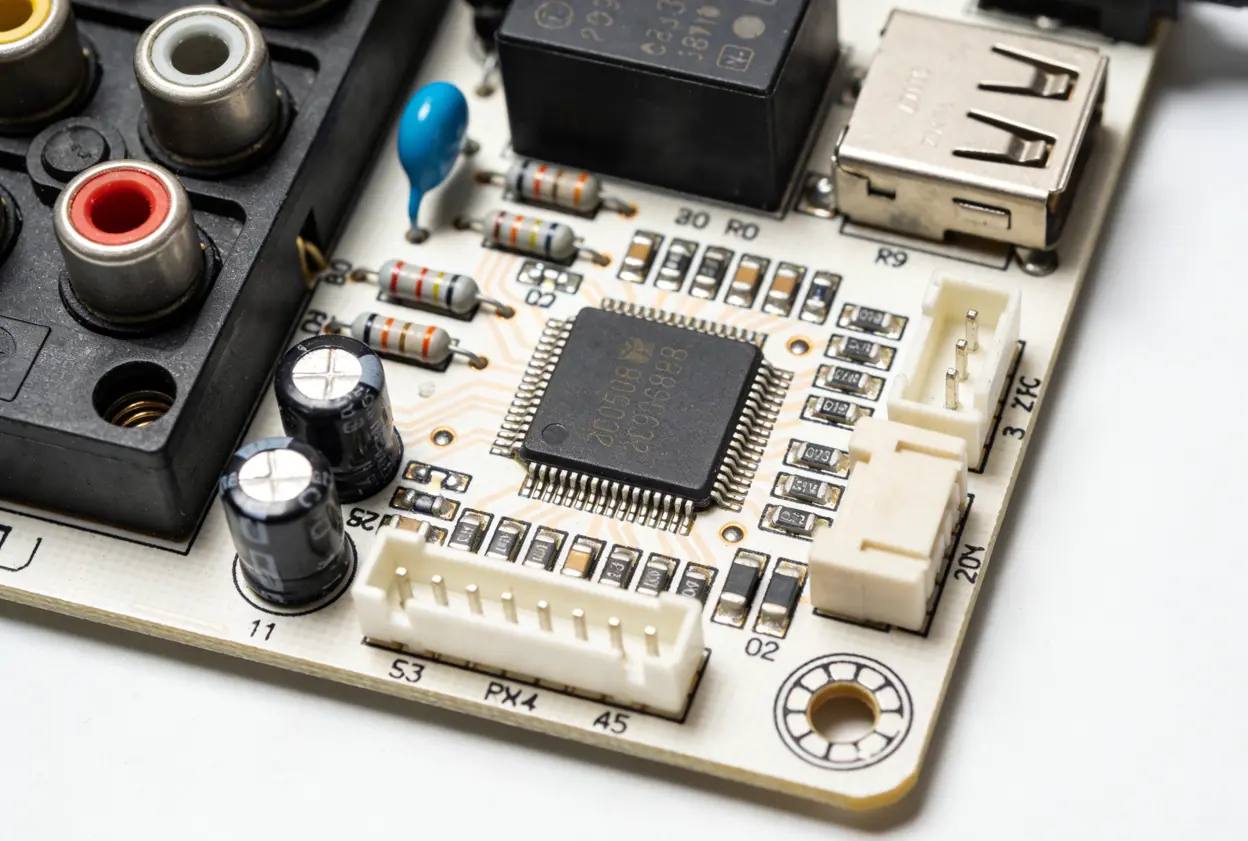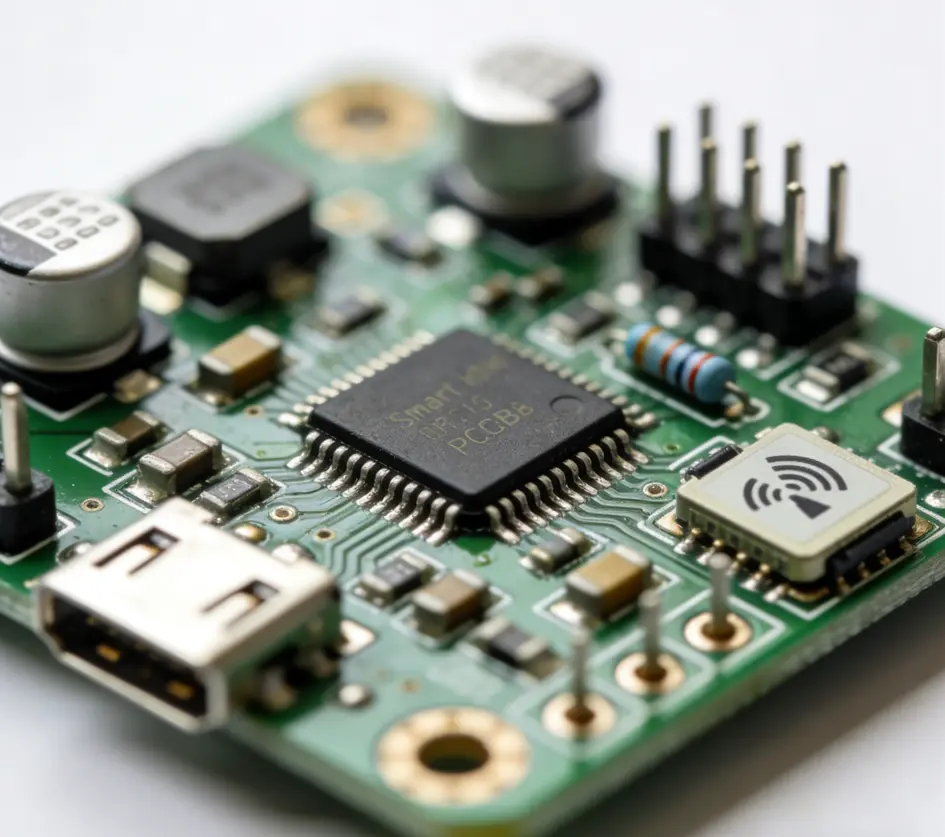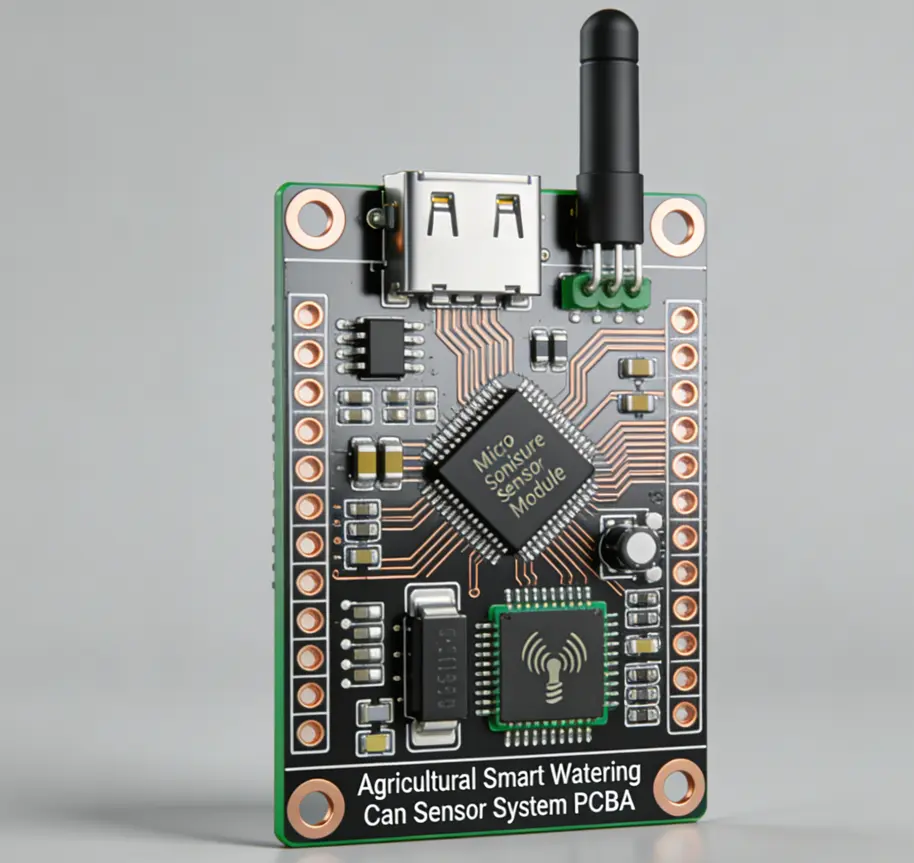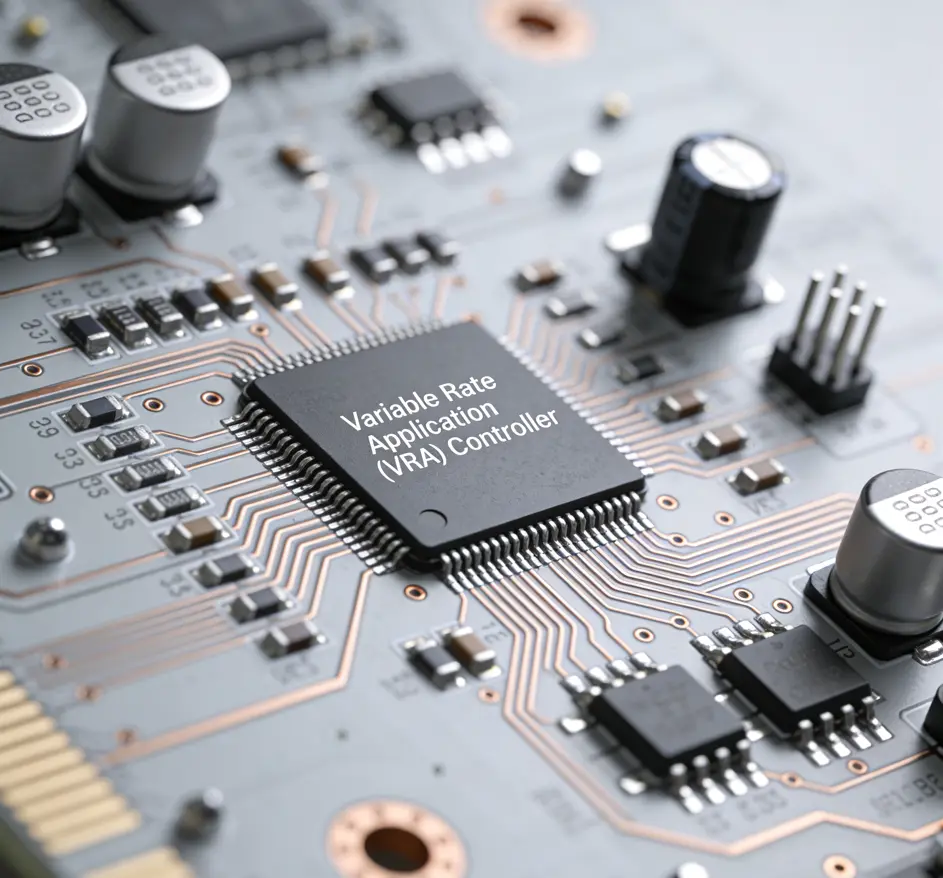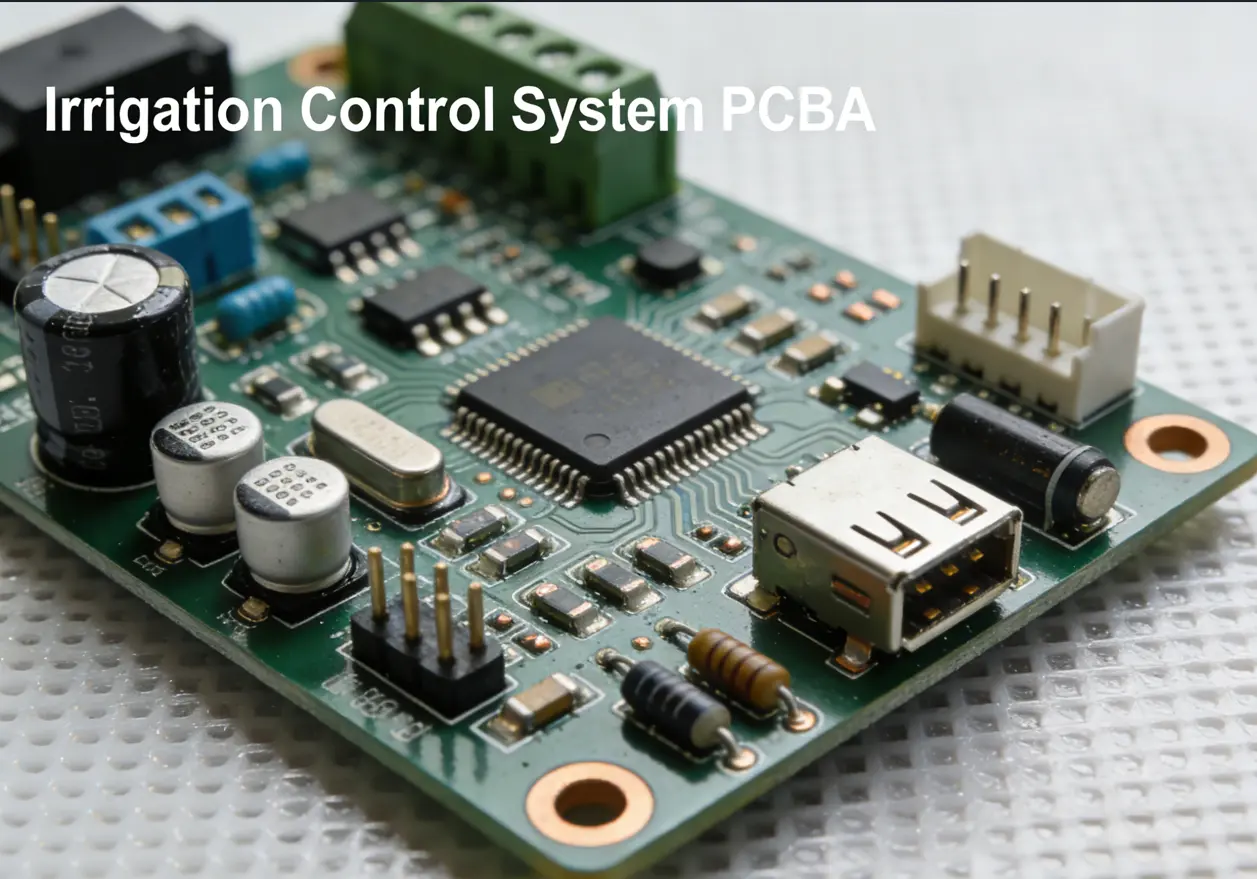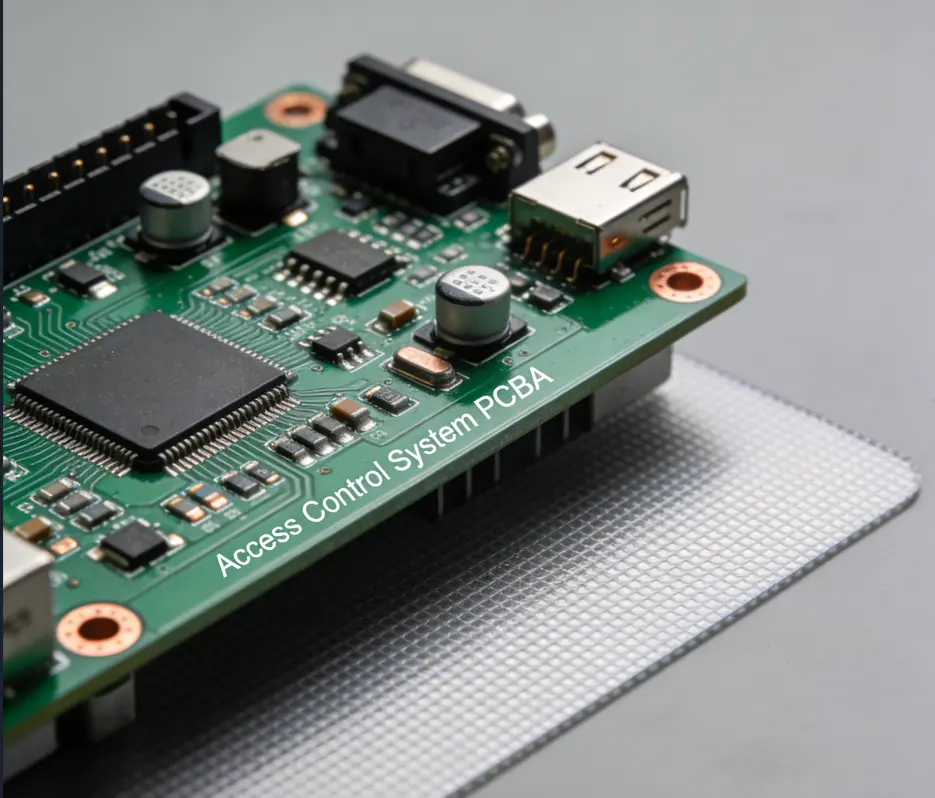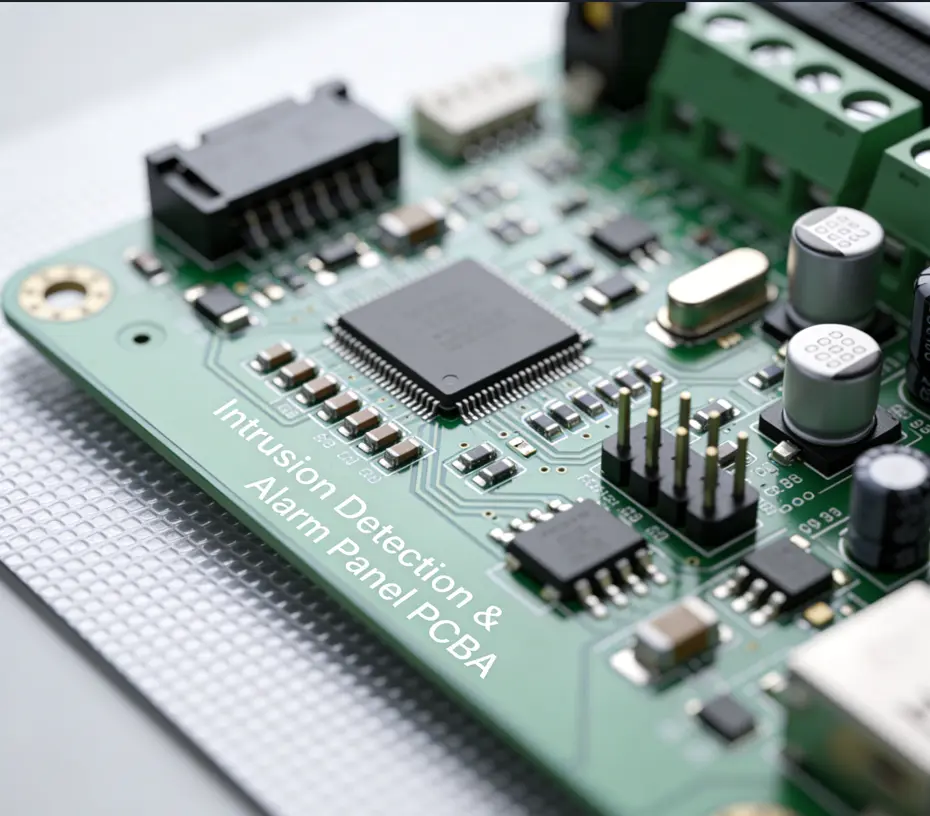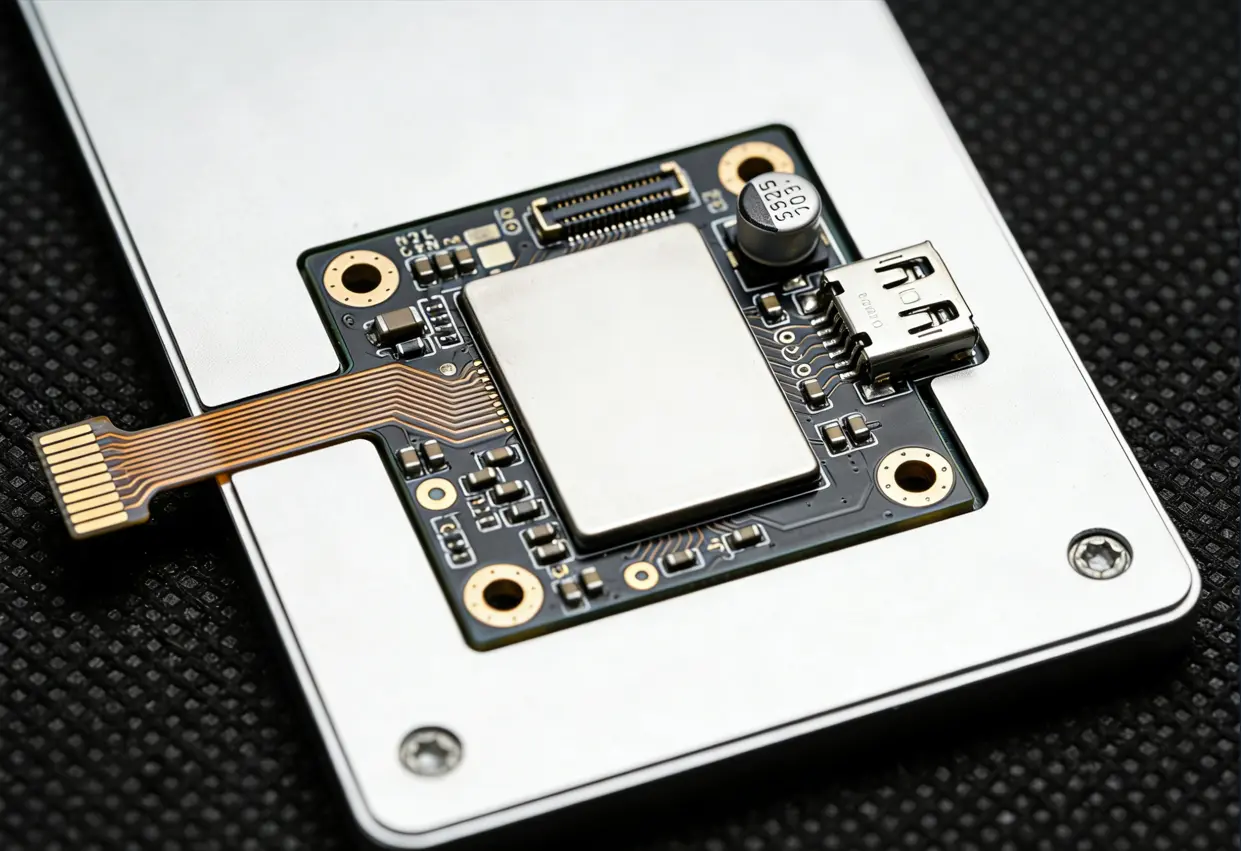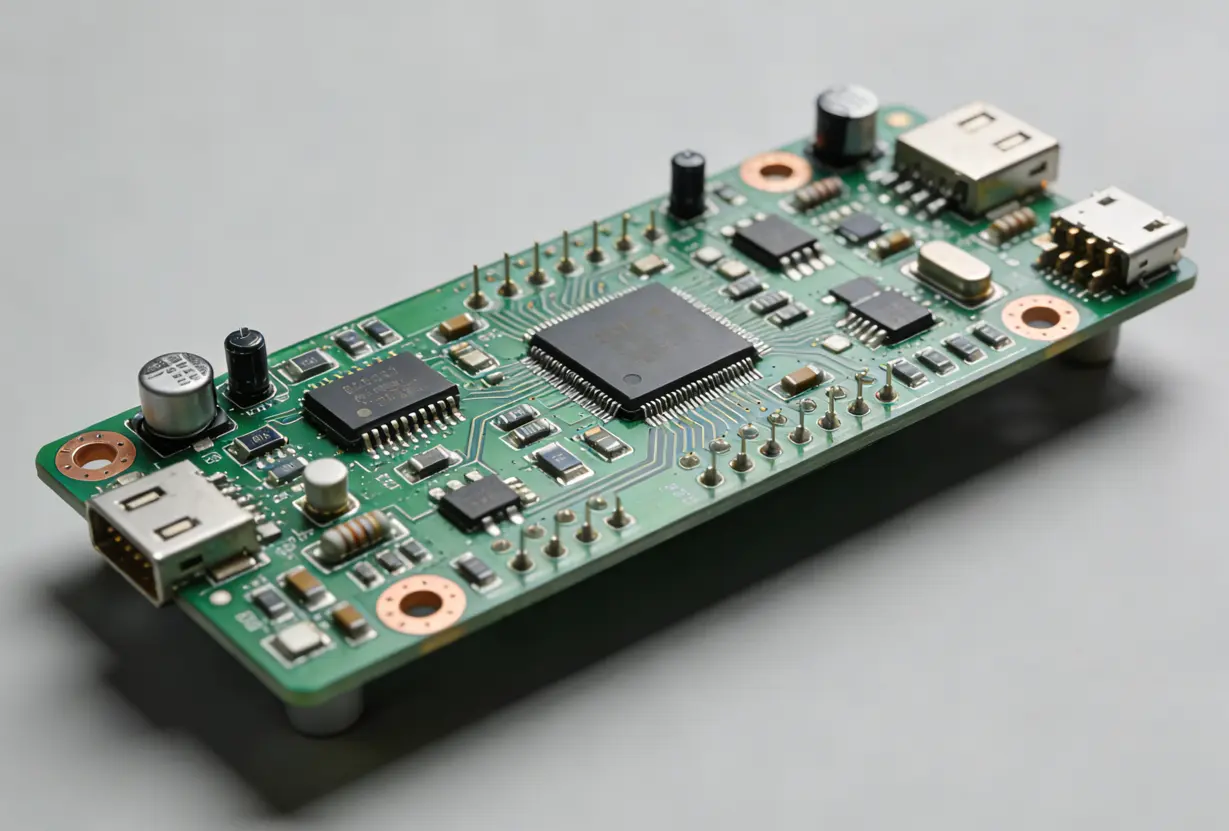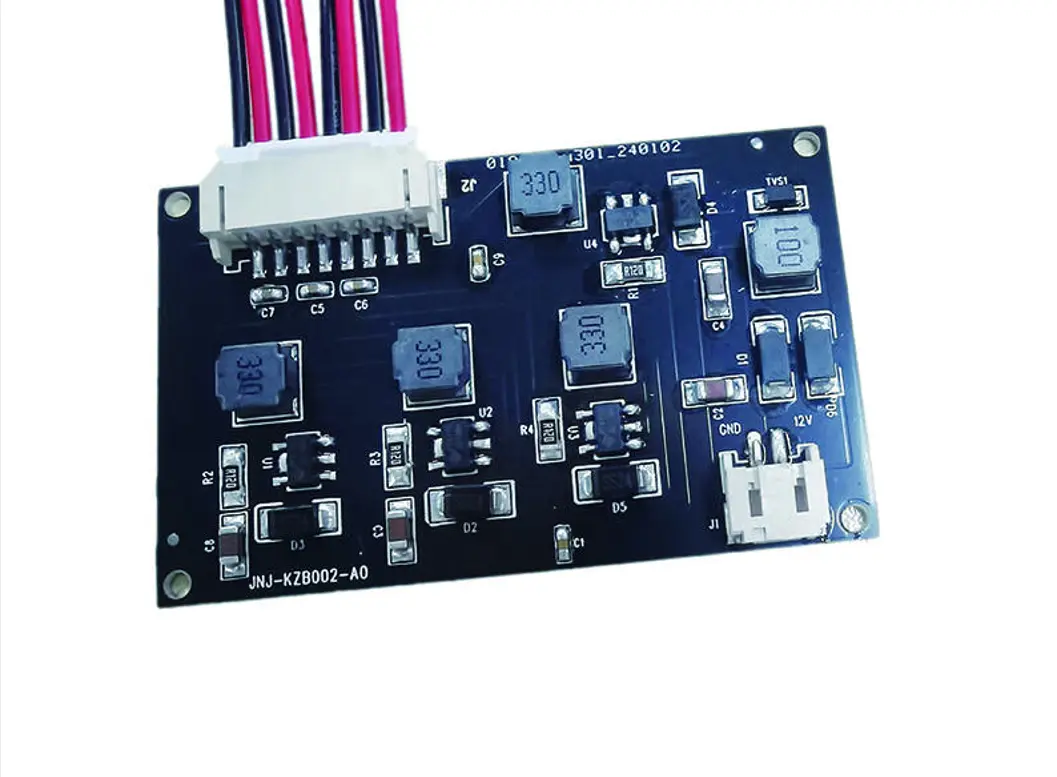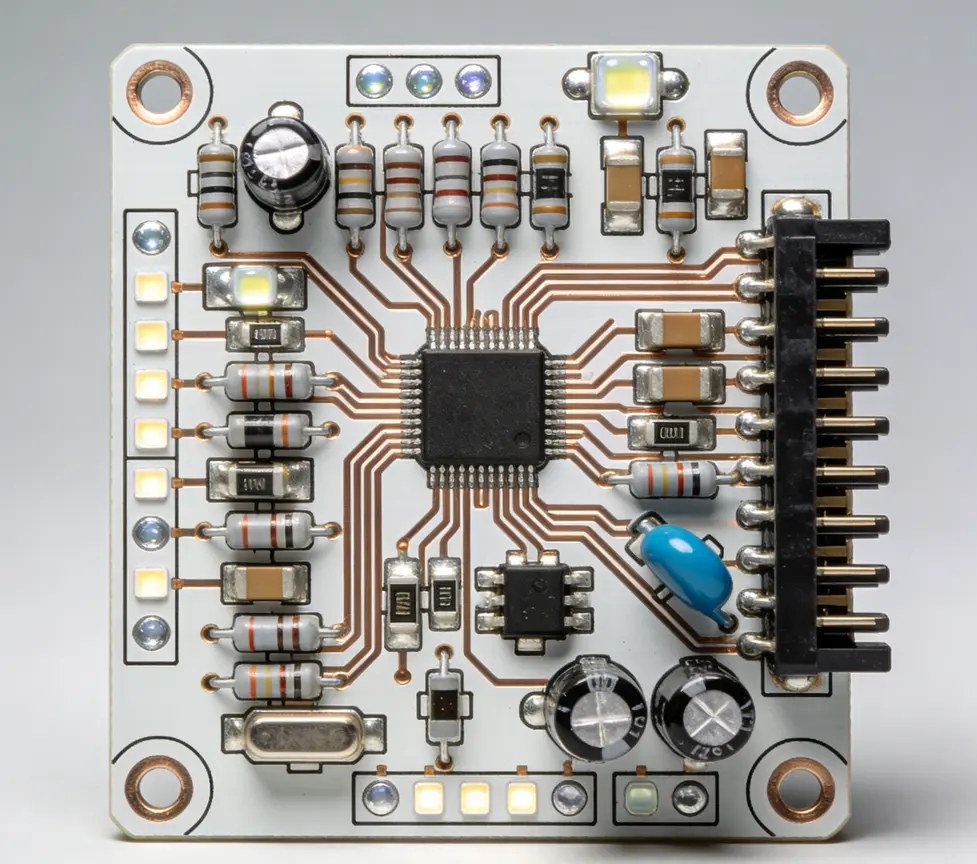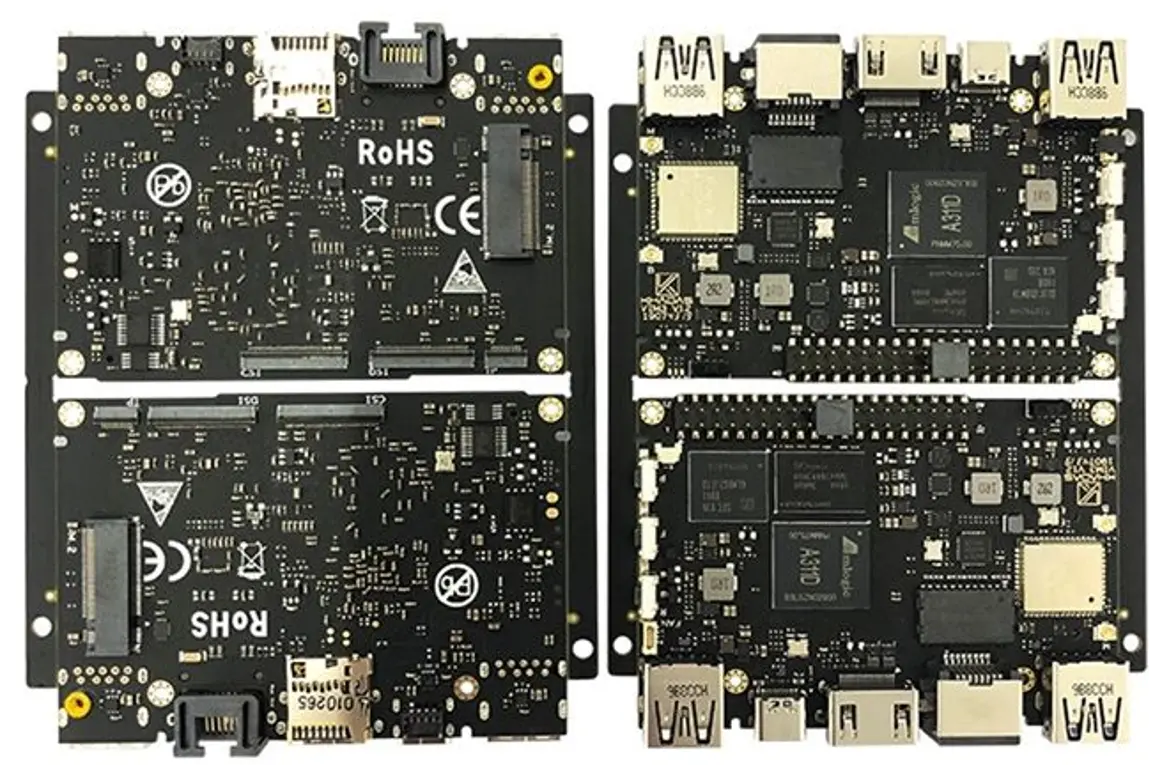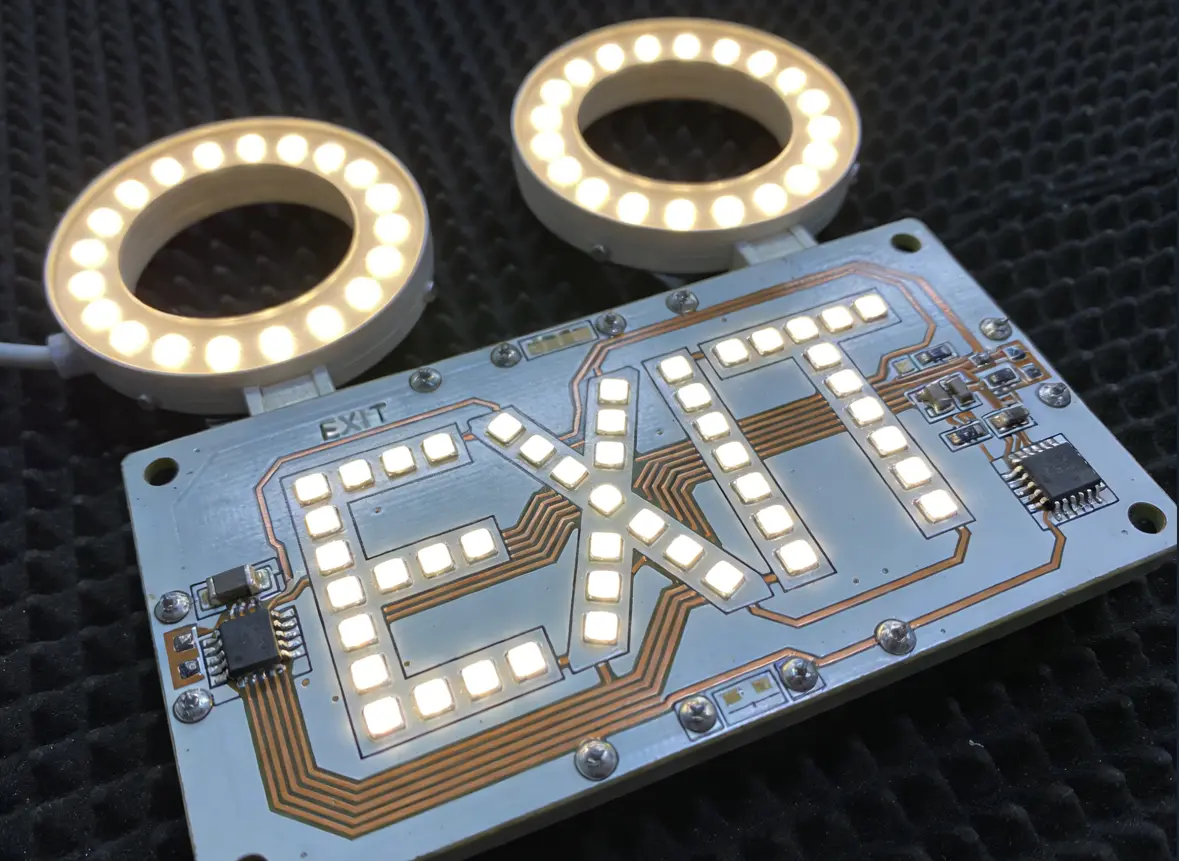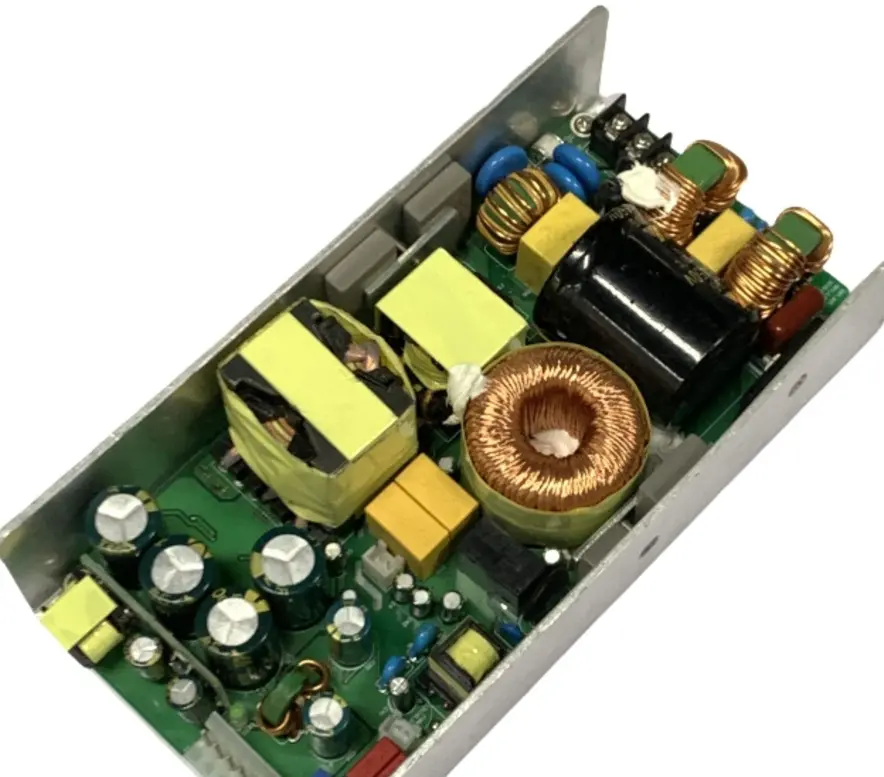
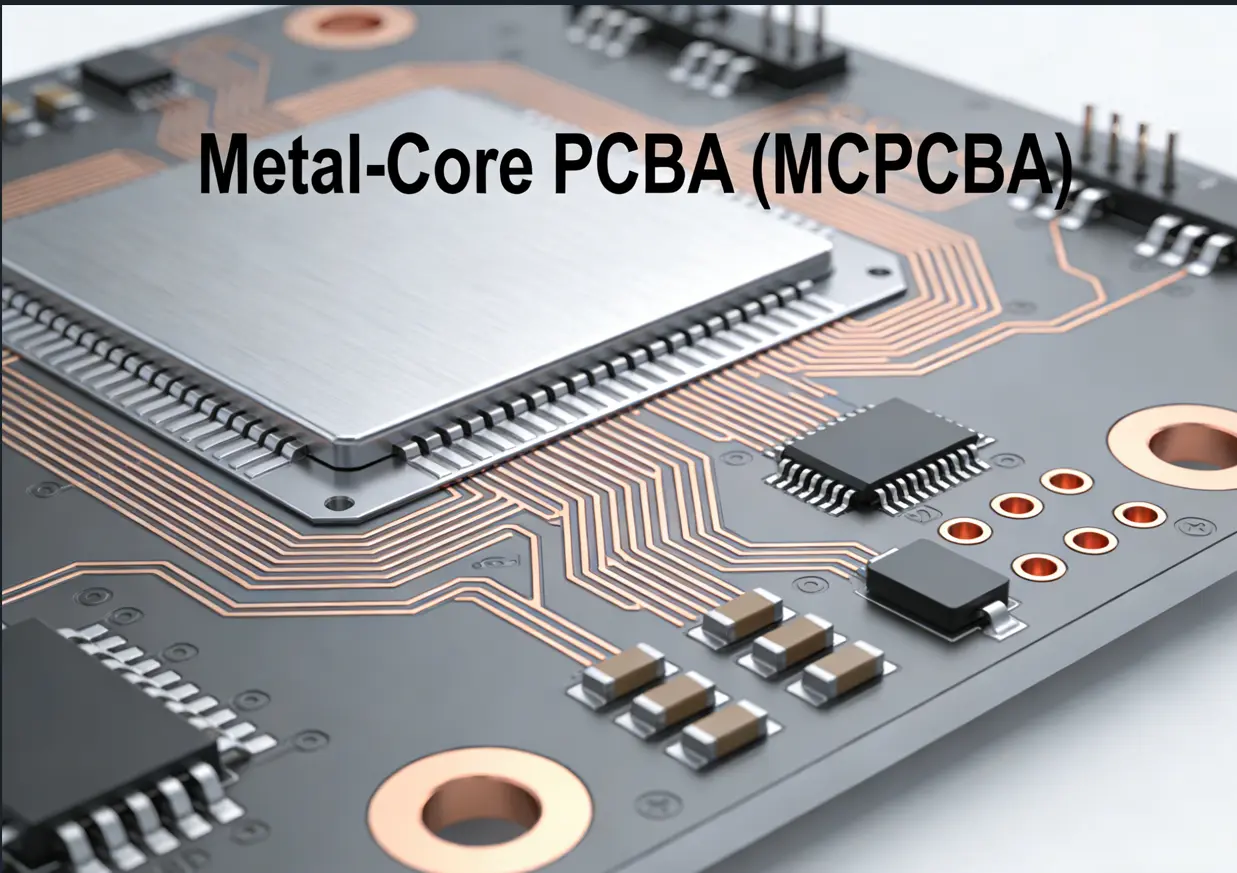
Metal-Core Printed Circuit Board Assembly (MCPCBA) has emerged as a critical solution in high-power electronic applications, addressing the core challenge of thermal management while maintaining structural integrity and electrical performance. Unlike traditional FR-4 PCBAs, MCPCBAs integrate a metal substrate (core) that enables efficient heat dissipation, making them indispensable for industries such as LED lighting, automotive electronics, power electronics, and industrial control systems. This article outlines the key manufacturing technical parameters that define the performance and reliability of MCPCBAs.
Core Material Properties: The Foundation of Thermal Performance
The metal core is the defining component of MCPCBA, selected for its thermal conductivity and mechanical strength. Common core materials include aluminum (6061/5052 grade), copper, iron, and stainless steel, with aluminum being the most widely used due to its balance of thermal efficiency, weight, and cost. Core thickness ranges from 0.2mm to 6.0mm, with custom sizes available for specialized applications such as high-power LED modules or automotive power converters.
Critical material metrics include thermal conductivity (100–237 W/m·K for aluminum cores) – a key factor in heat transfer efficiency – and surface roughness (Ra 0.8–3.2 μm), which ensures strong adhesion between the metal core and the dielectric layer to prevent delamination during thermal cycling.
Dielectric Layer: Balancing Insulation and Thermal Transfer
Sandwiched between the metal core and the circuit layer, the dielectric layer serves two primary functions: electrical insulation and thermal conduction. Typical dielectric materials include thermoset epoxy resin, polyimide (PI), and ceramic-filled epoxy, chosen for their high thermal resistance (≥260°C for 10 seconds, compatible with lead-free soldering processes) and breakdown voltage (≥20 kV/mm).
Dielectric thickness ranges from 25μm to 200μm, with a dielectric constant (Dk) of 3.0–4.5 @ 1GHz to minimize signal loss in high-frequency applications. The dielectric layer’s quality directly impacts both electrical safety and the overall thermal resistance of the MCPCBA assembly.
Circuit Layer Parameters: Precision for Electrical Performance
The circuit layer of MCPCBA follows rigorous manufacturing standards to ensure reliable electrical connectivity, even under high-heat conditions. Copper foil thickness varies from 12μm (0.5oz) to 400μm (14oz), with thicker copper used for high-current applications such as power inverters. Minimum line width and spacing are controlled to 30μm/30μm (1:1 ratio), while minimum via diameter is 0.2mm with plating thickness ≥25μm to ensure mechanical stability and current-carrying capacity.
Standard MCPCBAs feature 1–4 circuit layers, with high-density designs supporting up to 8 layers for complex electronic systems like automotive ADAS modules. Tight tolerances in circuit fabrication prevent short circuits and ensure consistent performance across high-temperature operating ranges.
Solder Mask and Legend: Protection and Traceability
Solder mask layers protect the circuit from environmental damage and prevent solder bridging during assembly. MCPCBA uses lead-free, halogen-free epoxy solder mask (10–30μm thick) in standard colors (green, black, white, red) or custom hues, with ≥95% coverage of non-pad areas for maximum protection. UV-curable legend ink with a minimum character height of 0.8mm provides clear component labeling and traceability, critical for assembly and maintenance.
Thermal and Mechanical Performance: Ensuring Operational Reliability
MCPCBAs are engineered to withstand extreme thermal and mechanical stress. Key thermal metrics include junction-to-case thermal resistance (≤0.5°C/W for 1.0mm aluminum cores) and a maximum operating temperature range of -55°C to +150°C, suitable for harsh environments like automotive engine bays or industrial control cabinets. Heat dissipation efficiency exceeds 85% under natural convection, reducing the need for additional cooling solutions.
Mechanically, MCPCBAs adhere to strict tolerances: board dimension tolerance is ±0.1mm (for boards ≤300mm) and ±0.2mm for larger sizes, with warpage limited to ≤0.5% (per IPC-A-600E standards). Component placement accuracy of ±0.05mm (for 0201 SMD components) and compatibility with lead-free reflow soldering (260°C peak temperature) ensure seamless assembly and long-term reliability.
Reliability and Compliance: Meeting Industry Standards
To validate performance, MCPCBAs undergo rigorous reliability testing:
· Thermal cycle testing: -40°C to +125°C for 1000 cycles, with no delamination or solder joint failure
· Humidity resistance: 85°C/85% RH for 1000 hours, maintaining insulation resistance ≥10¹⁰ Ω
· Compliance: IPC-6012/6018 (PCB manufacturing standards), RoHS/REACH (environmental regulations), and UL 94 V-0 (flame retardancy)
These standards ensure MCPCBAs meet global industry requirements for safety, environmental sustainability, and performance.
Conclusion
MCPCBA manufacturing is a precision-driven process, with technical parameters optimized for thermal management, electrical performance, and mechanical durability. From core material selection to compliance testing, every parameter is tailored to address the unique demands of high-power electronic applications. As industries continue to push for higher power density and miniaturization, MCPCBAs will remain a cornerstone technology, with ongoing advancements in material science and manufacturing processes further enhancing their thermal efficiency and reliability.
|
Parameter Category |
Technical Specifications |
|
Core Material Properties |
· Core Material Options: Aluminum (6061/5052), Copper, Iron, Stainless Steel · Core Thickness: 0.2mm – 6.0mm (customizable for special applications) · Thermal Conductivity: 100 – 237 W/m·K (aluminum core typical value) · Core Surface Roughness: Ra 0.8 – 3.2 μm (for enhanced dielectric adhesion) |
|
Dielectric Layer Specifications |
· Dielectric Material: Thermoset epoxy resin, PI (Polyimide), ceramic-filled epoxy · Dielectric Thickness: 25μm – 200μm · Breakdown Voltage: ≥20 kV/mm · Thermal Resistance: ≥260°C (10s, compatible with lead-free soldering) · Dielectric Constant (Dk): 3.0 – 4.5 @ 1GHz |
|
Circuit Layer Parameters |
· Copper Foil Thickness: 12μm – 400μm (1oz – 14oz) · Minimum Line Width/Spacing: 30μm/30μm (L/S ratio 1:1) · Minimum Via Diameter: 0.2mm · Via Plating Thickness: ≥25μm · Circuit Layer Count: 1 – 4 layers (standard); up to 8 layers for high-density designs |
|
Solder Mask & Legend |
· Solder Mask Material: Lead-free, Halogen-free epoxy solder mask · Solder Mask Thickness: 10μm – 30μm (dry film) · Color Options: Green, Black, White, Red (custom colors available) · Legend Ink: UV-curable ink, minimum character height 0.8mm · Solder Mask Coverage: ≥95% of non-pad areas |
|
Thermal Performance Metrics |
· Thermal Resistance (Junction-to-Case): ≤0.5°C/W (for 1.0mm aluminum core MCPCBA) · Maximum Operating Temperature: -55°C – +150°C · Heat Dissipation Efficiency: ≥85% (under natural convection conditions) |
|
Mechanical & Assembly Parameters |
· Board Dimension Tolerance: ±0.1mm (for boards ≤300mm; ±0.2mm for larger sizes) · Warpage: ≤0.5% (IPC-A-600E standard) · Minimum Pad Size: 0.2mm × 0.2mm (for SMD components) · Component Placement Accuracy: ±0.05mm (for 0201 components) · Soldering Process: Lead-free reflow (260°C peak temperature), wave soldering compatible |
|
Reliability & Compliance Standards |
· Thermal Cycle Test: -40°C to +125°C, 1000 cycles, no delamination or solder joint failure · Humidity Resistance: 85°C/85% RH, 1000h, insulation resistance ≥10¹⁰ Ω · Compliance: IPC-6012/6018, RoHS, REACH, UL 94 V-0 (flame retardancy) |