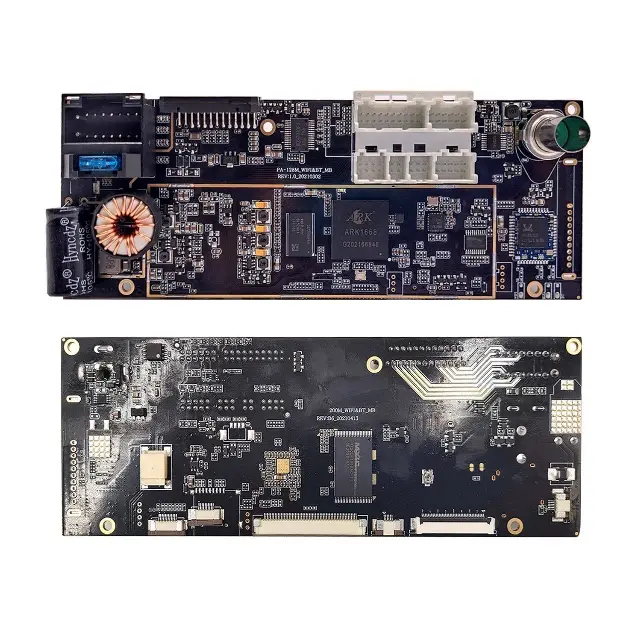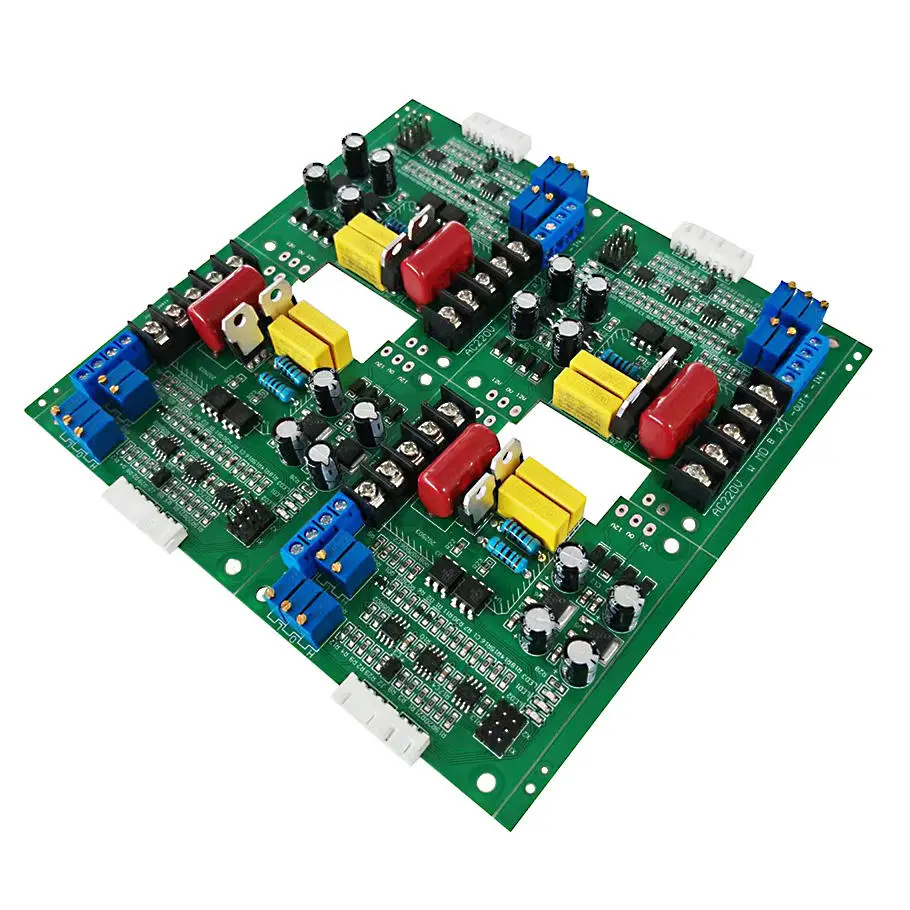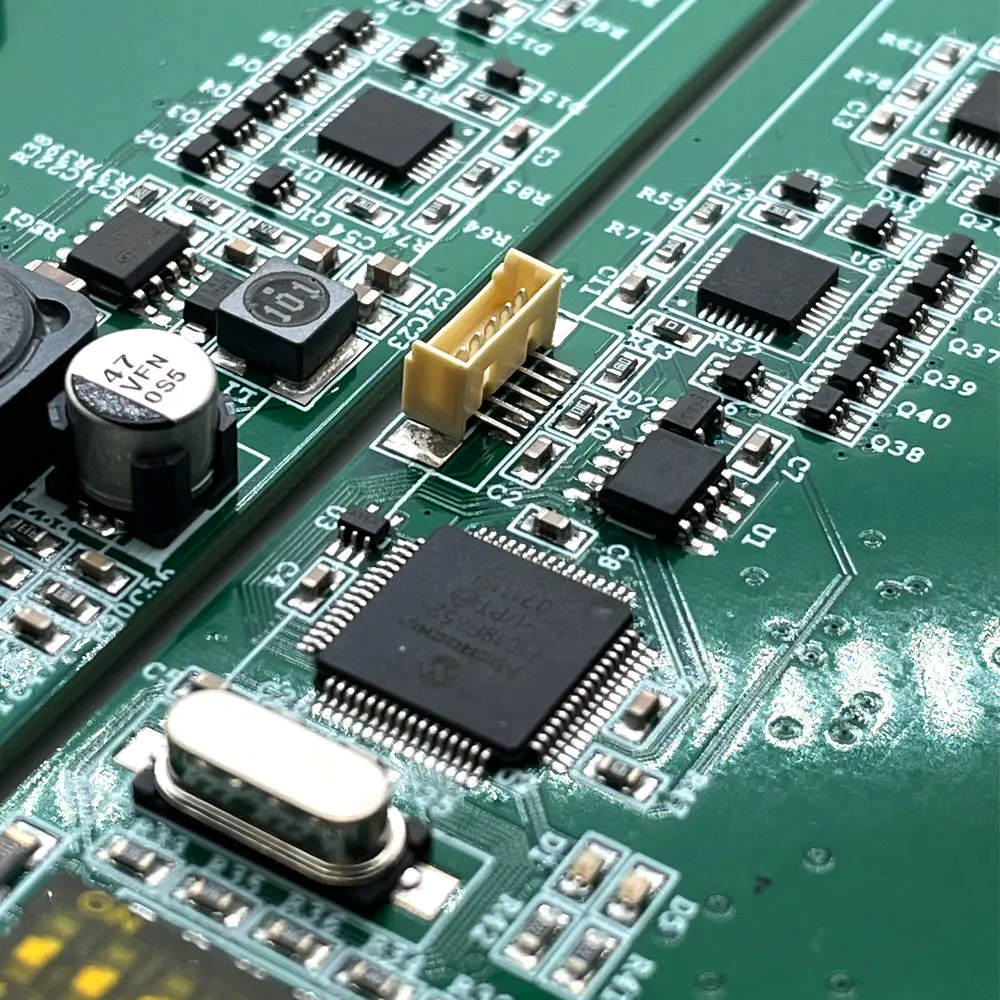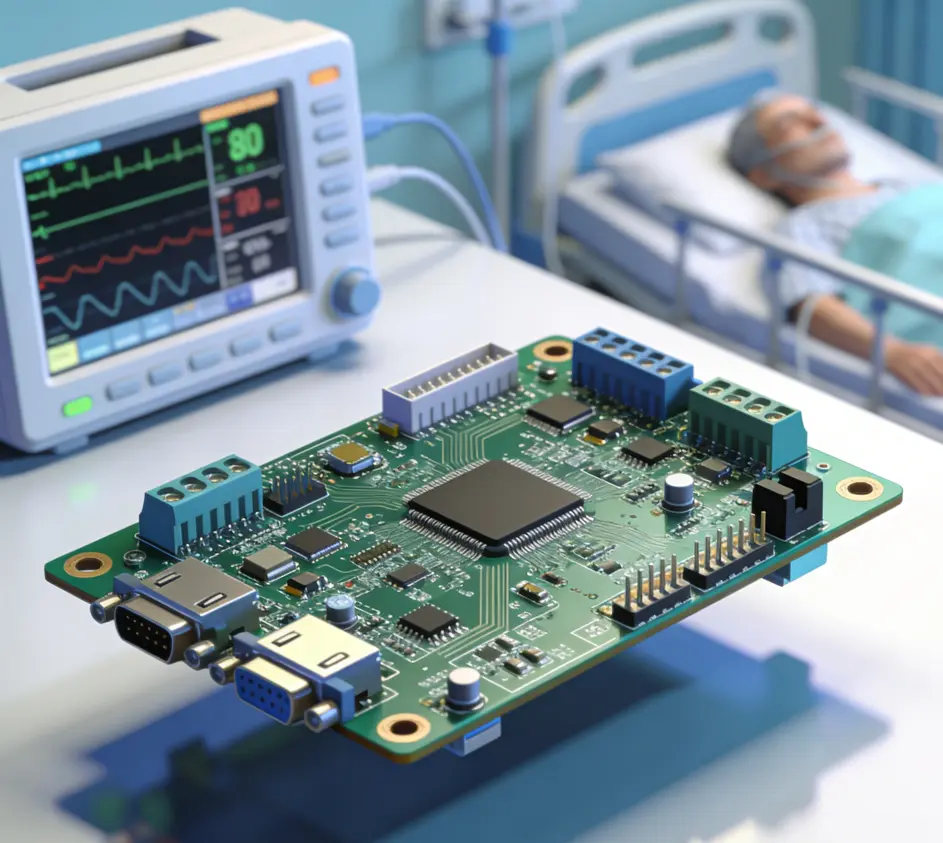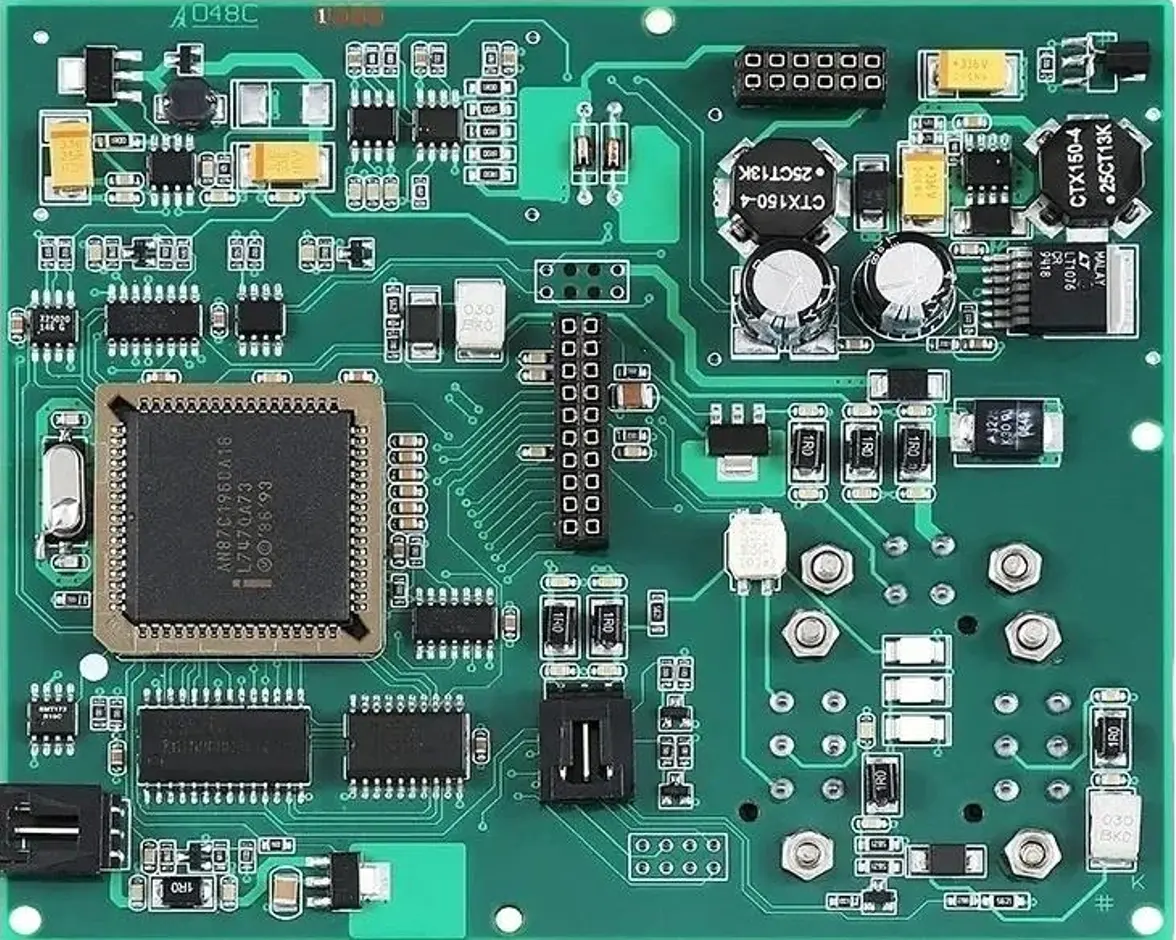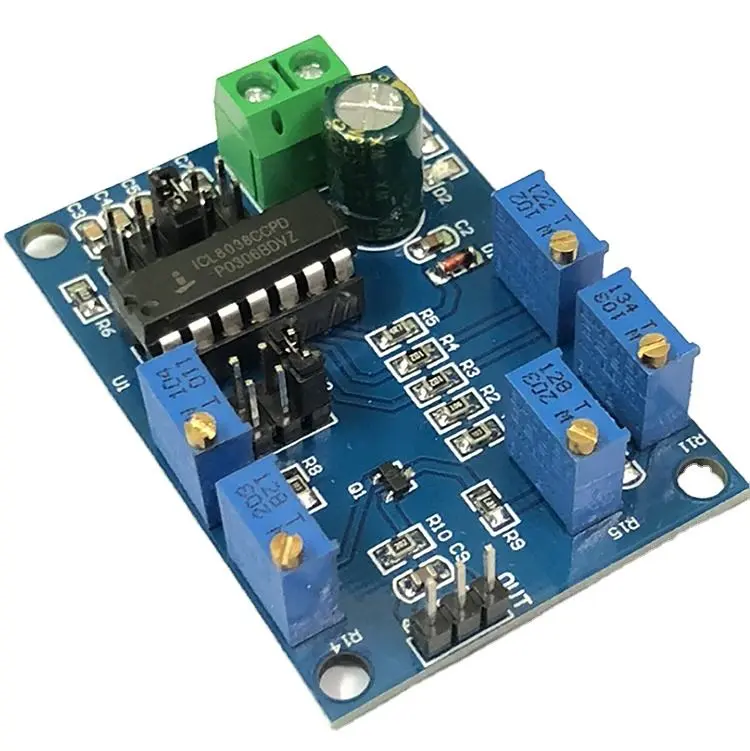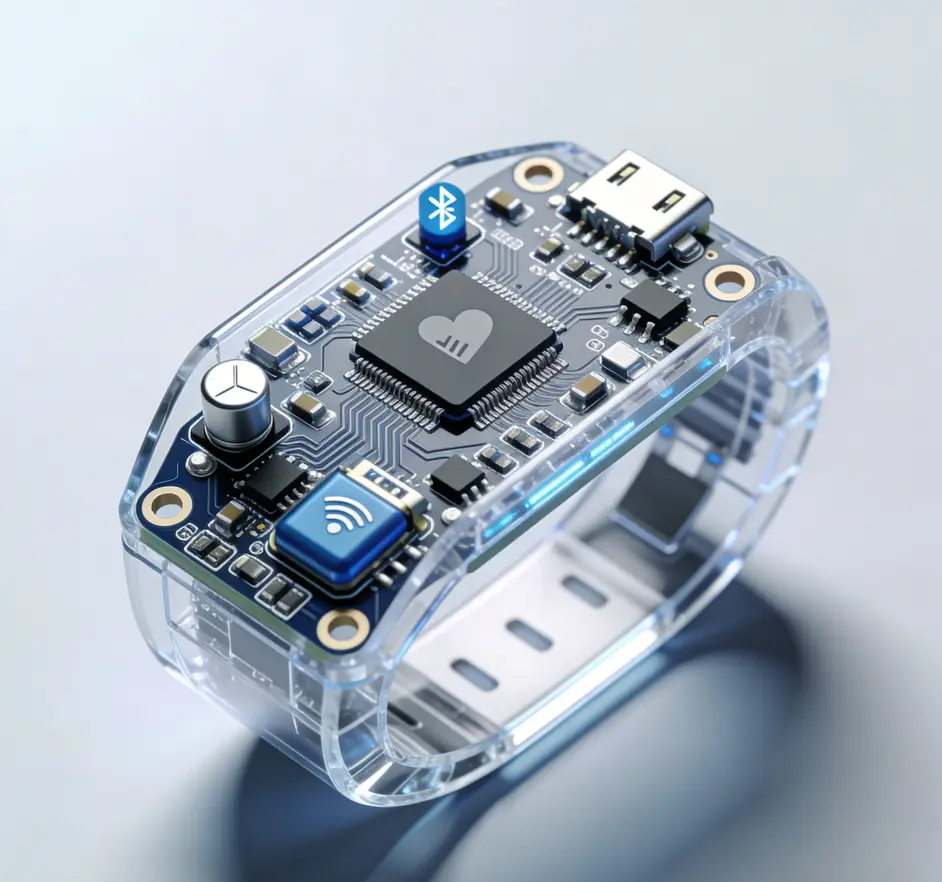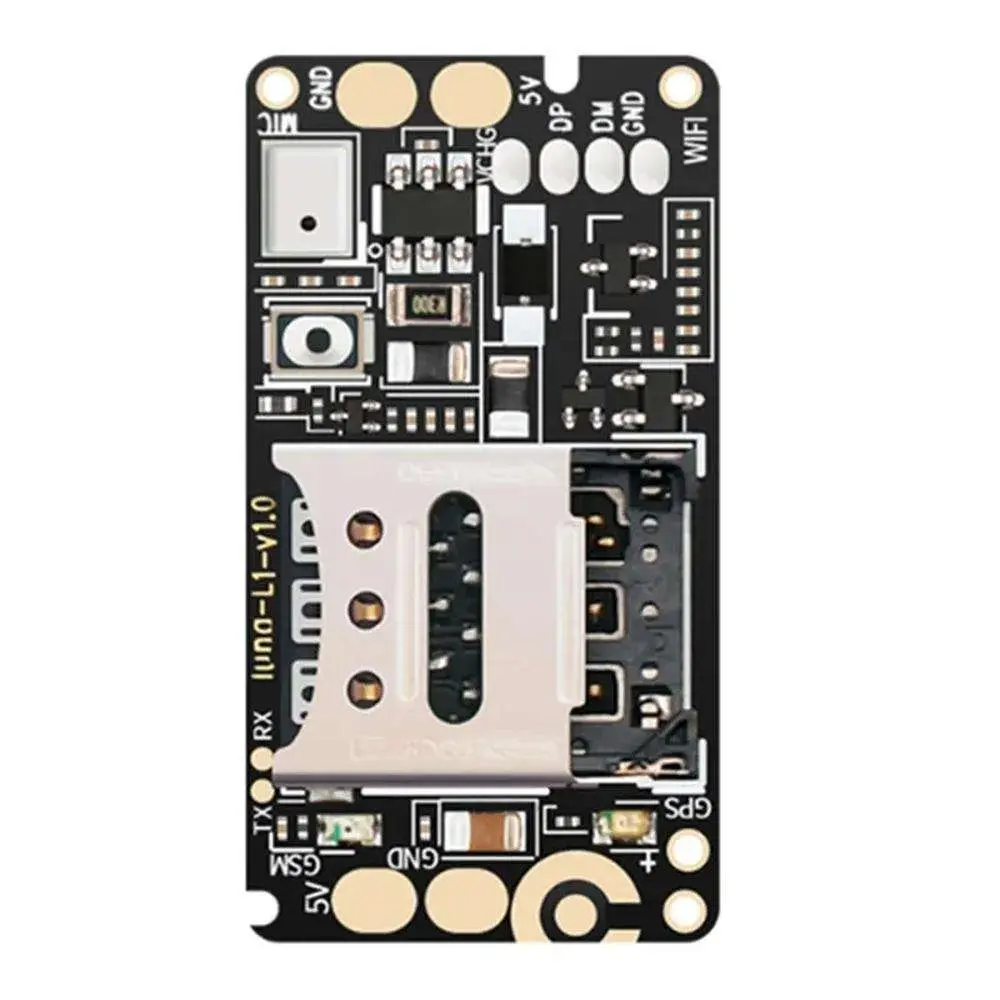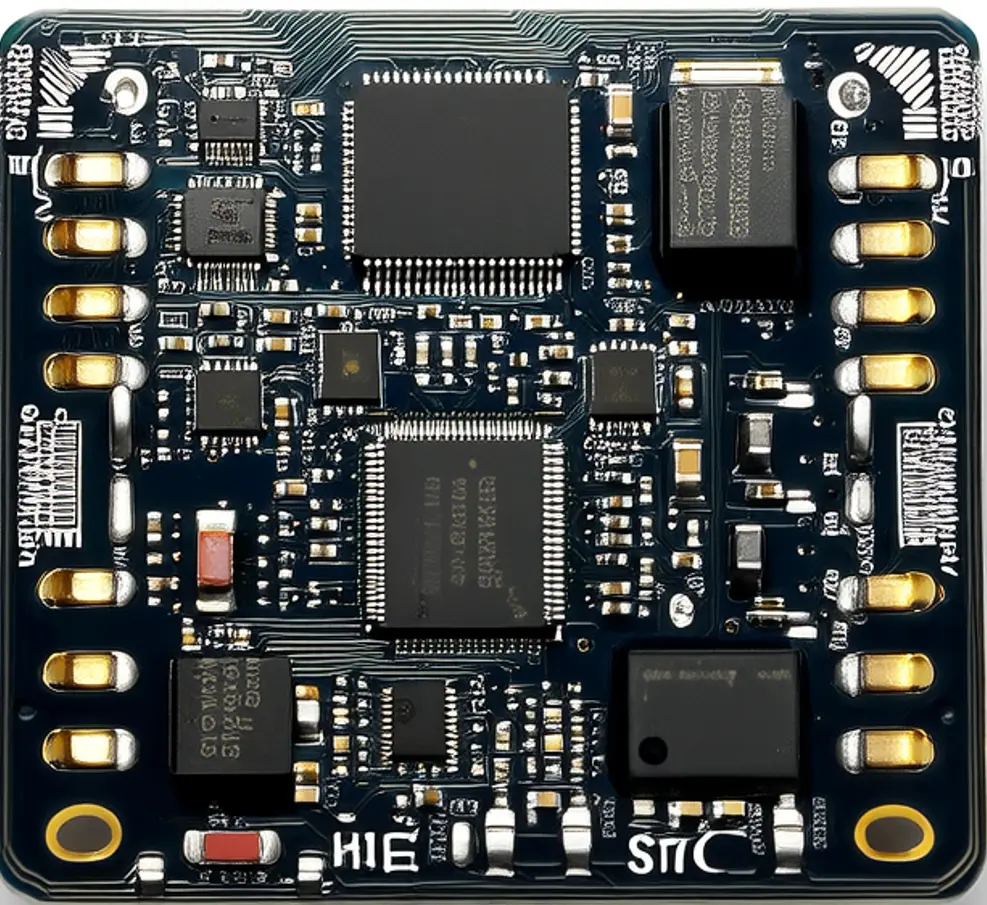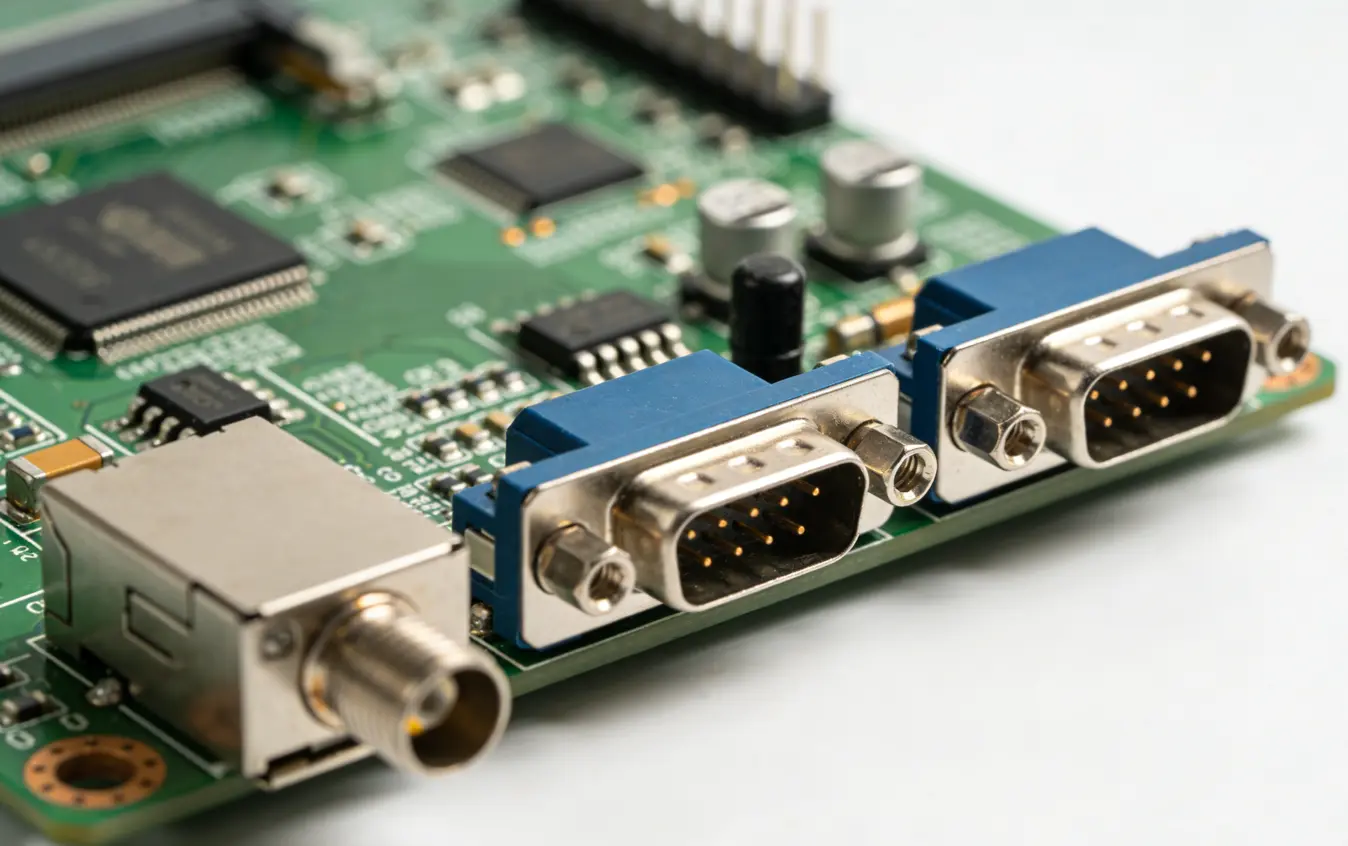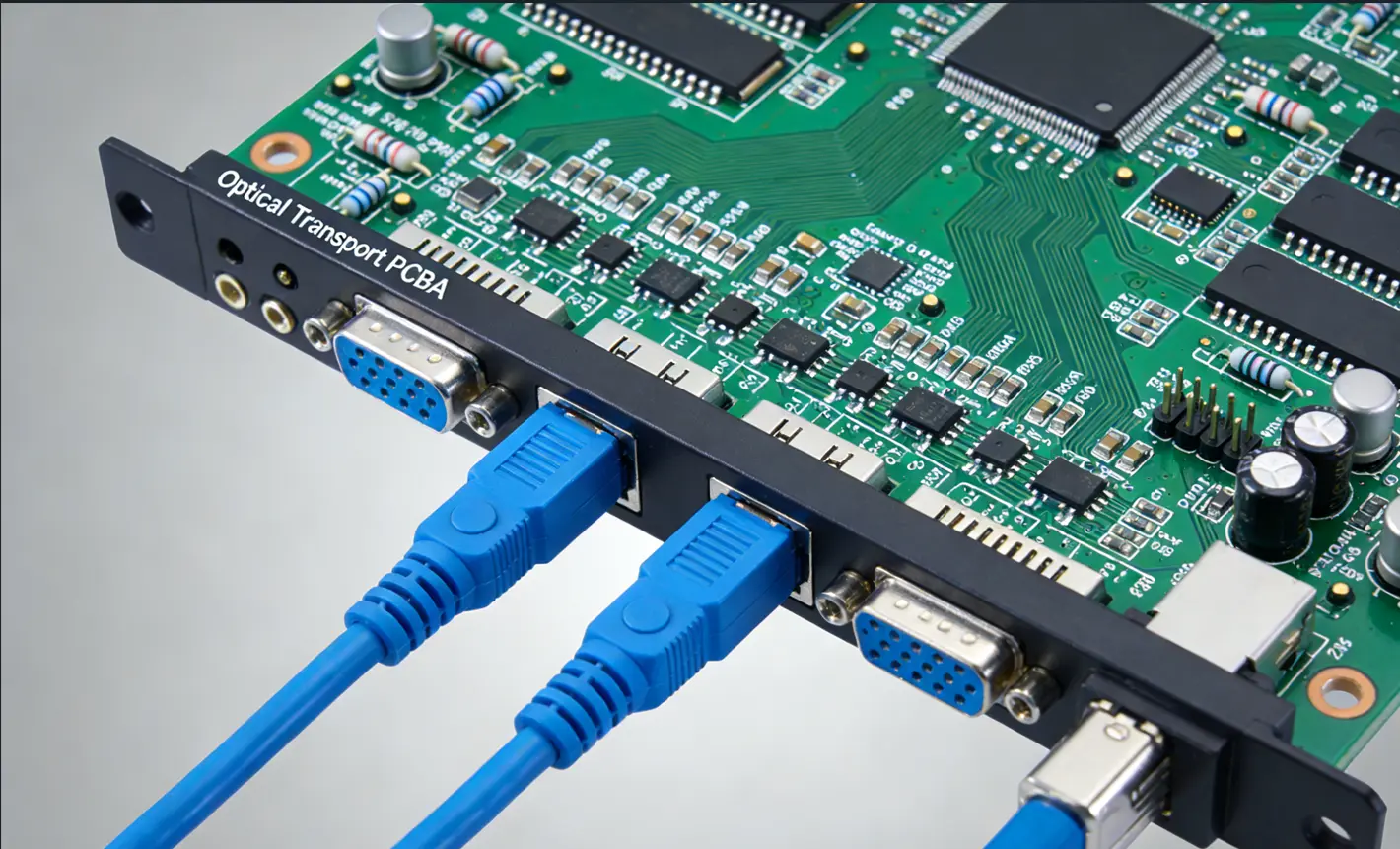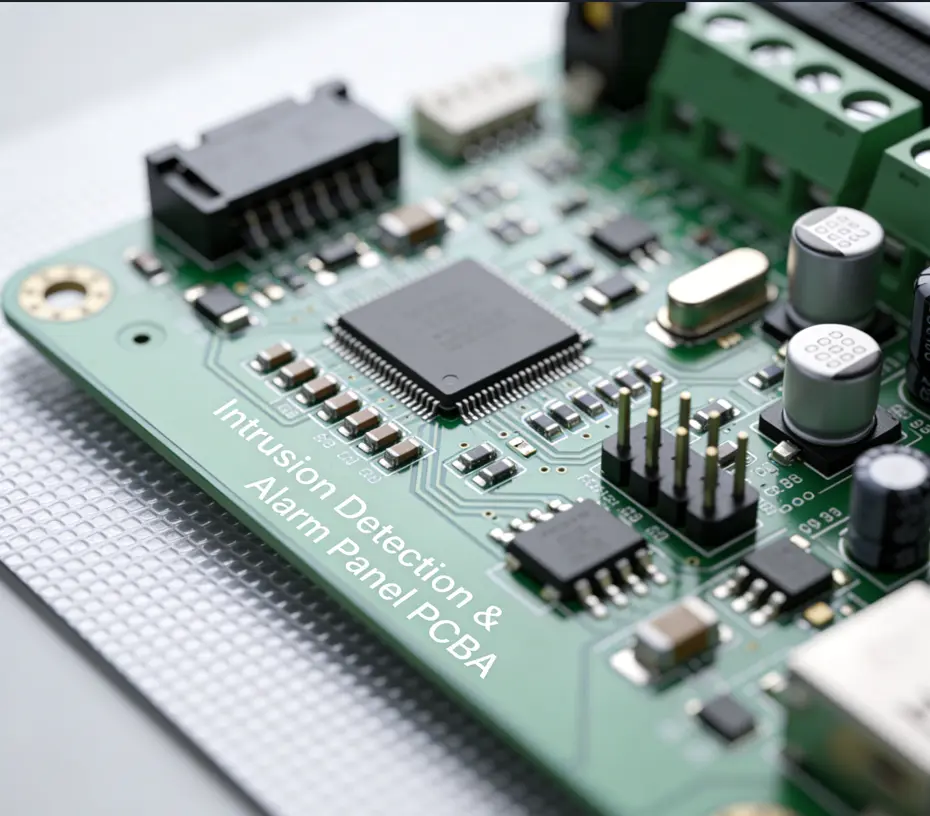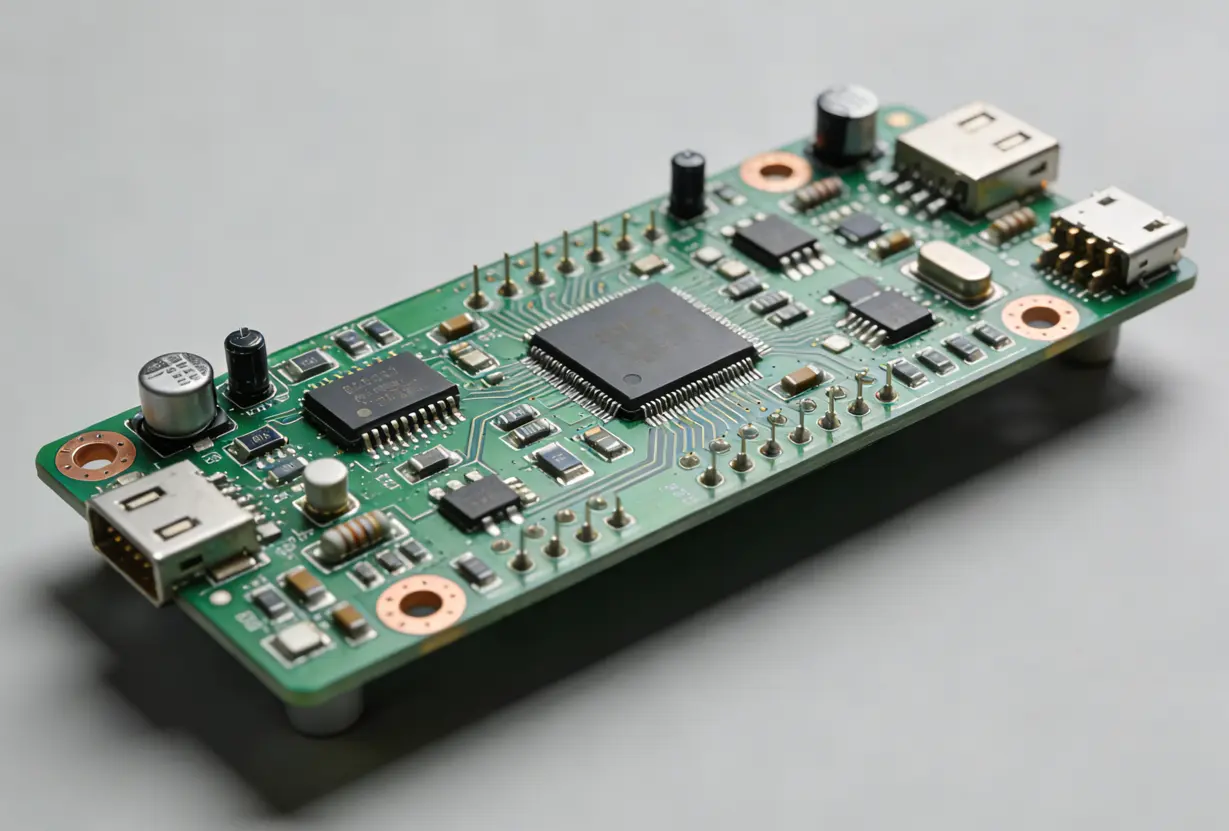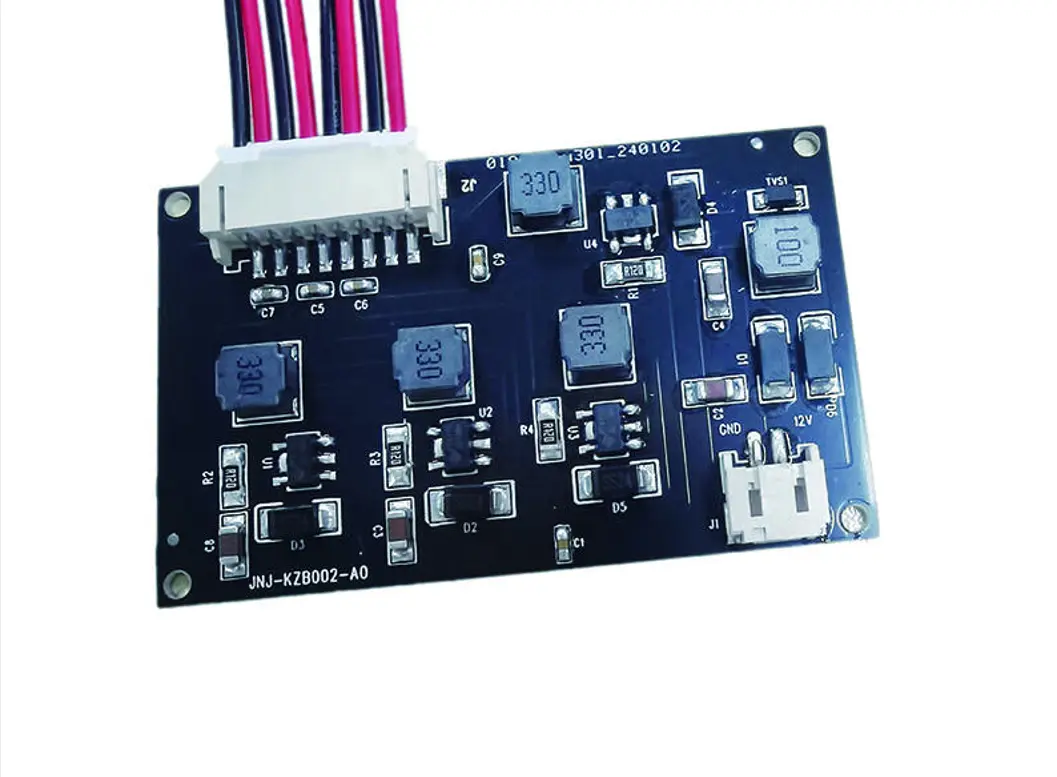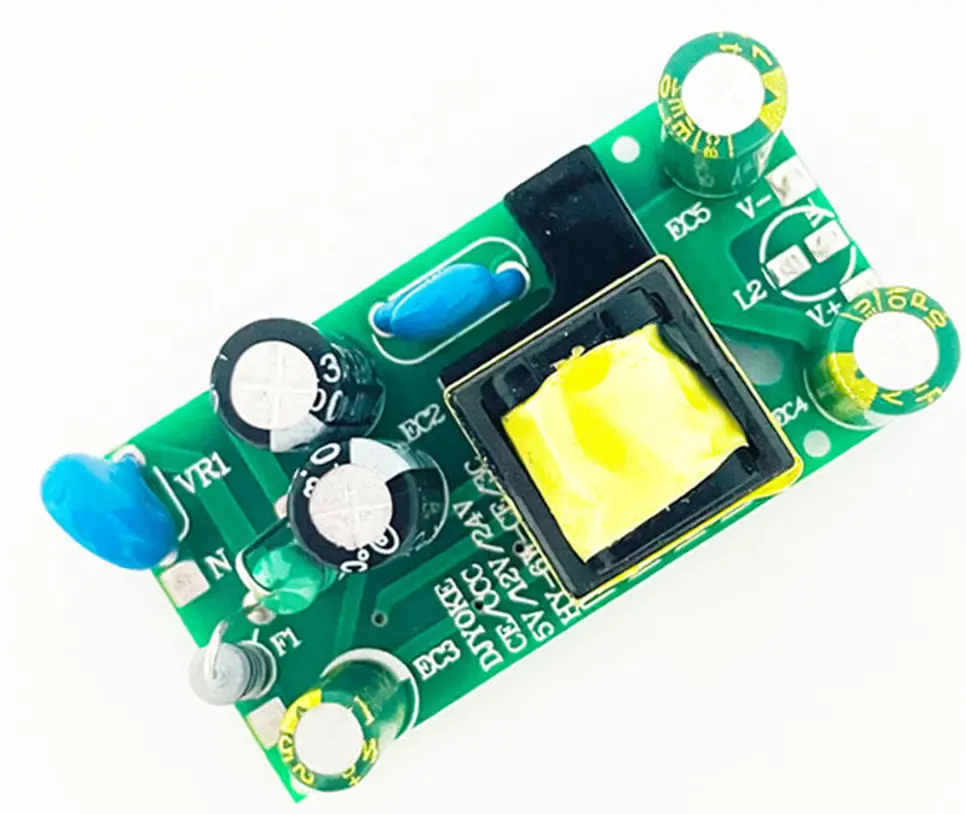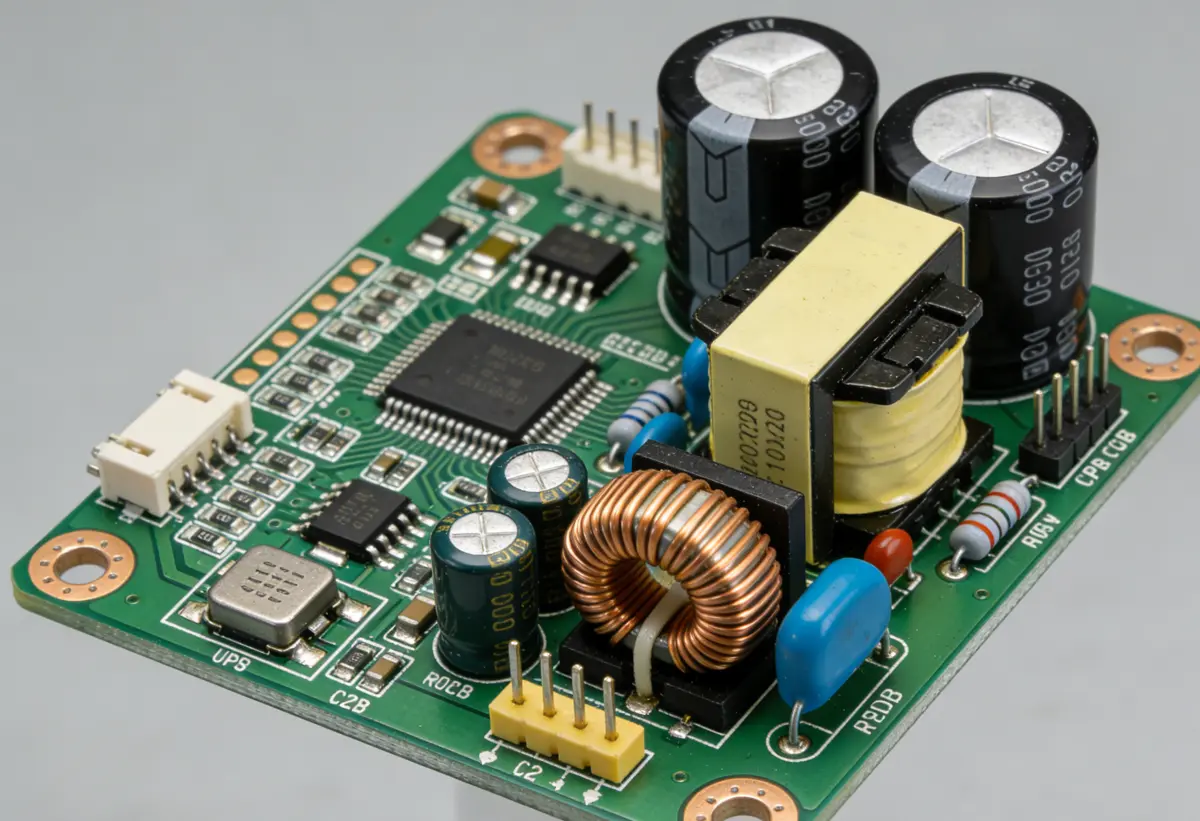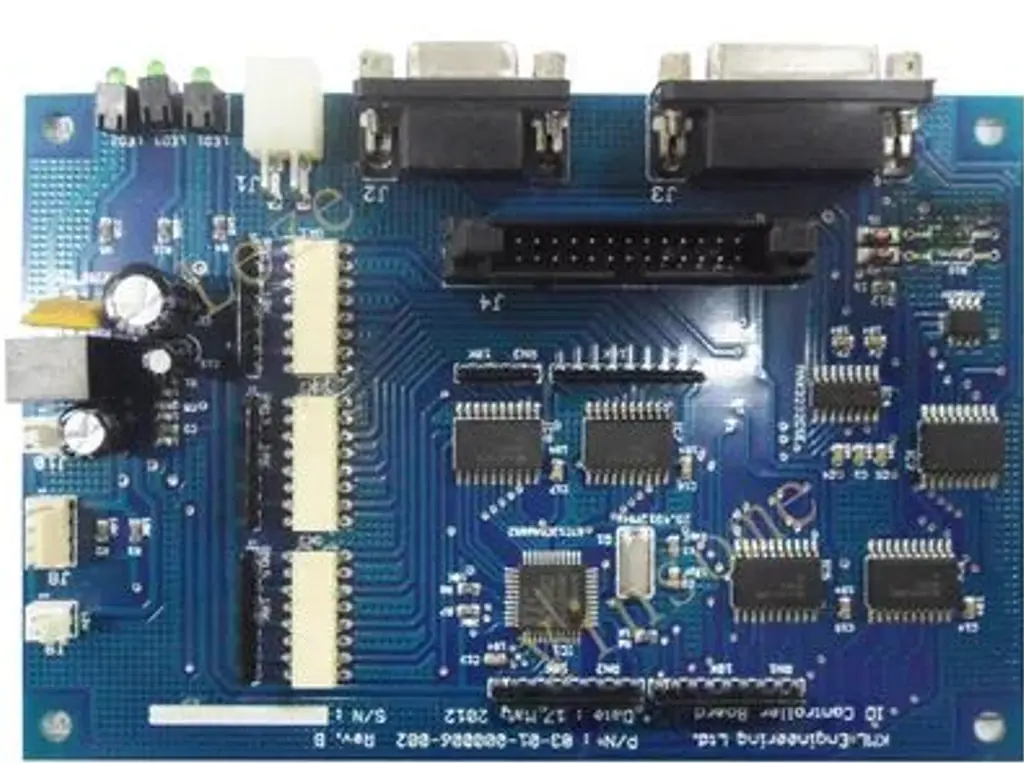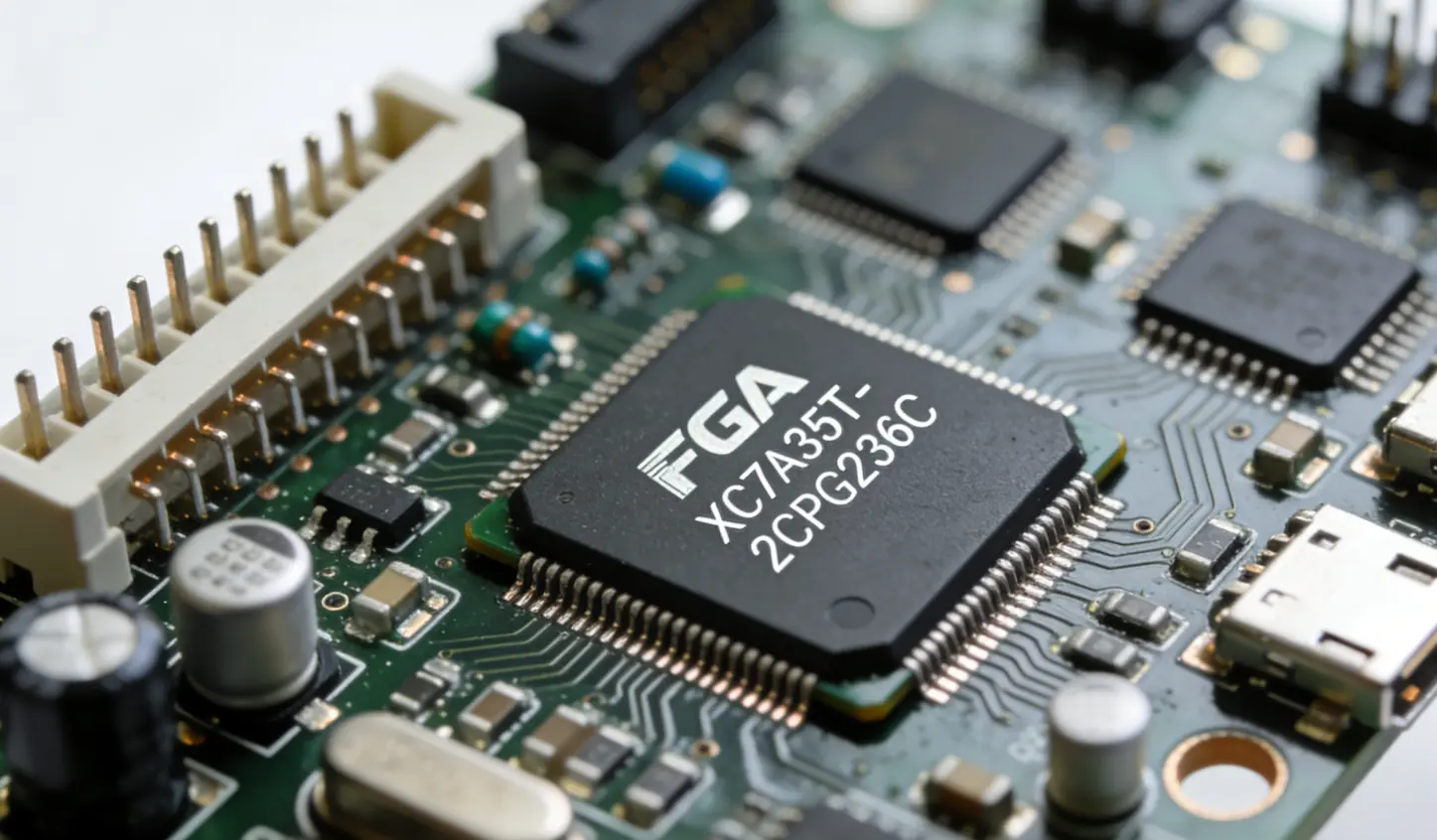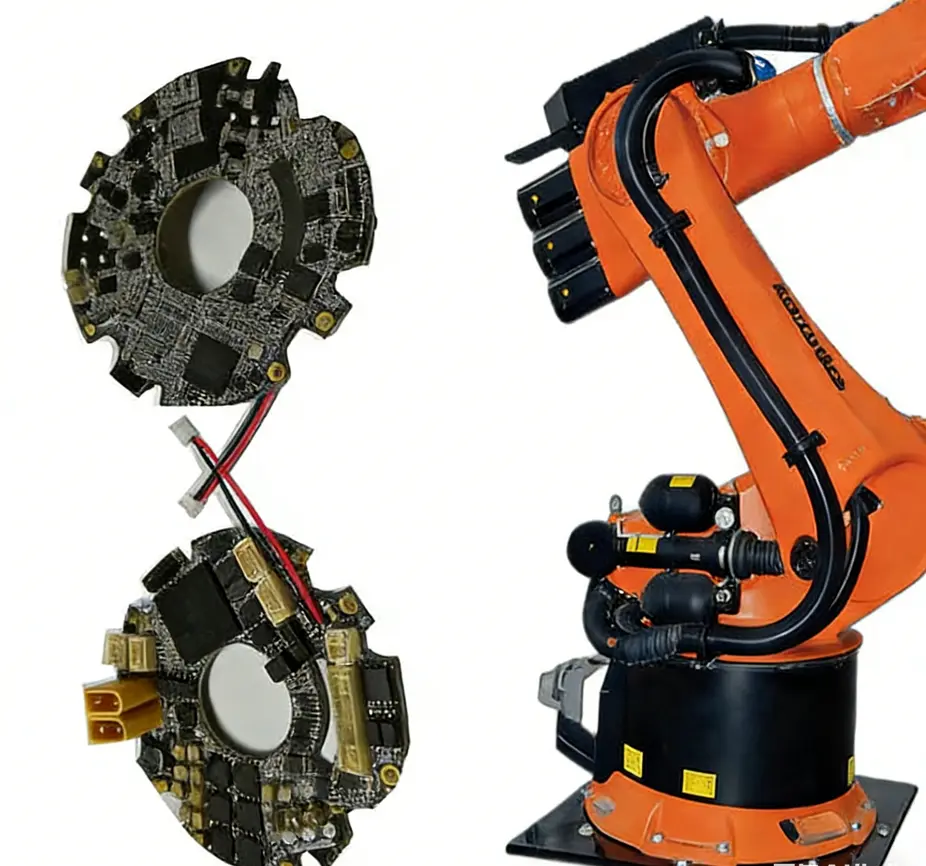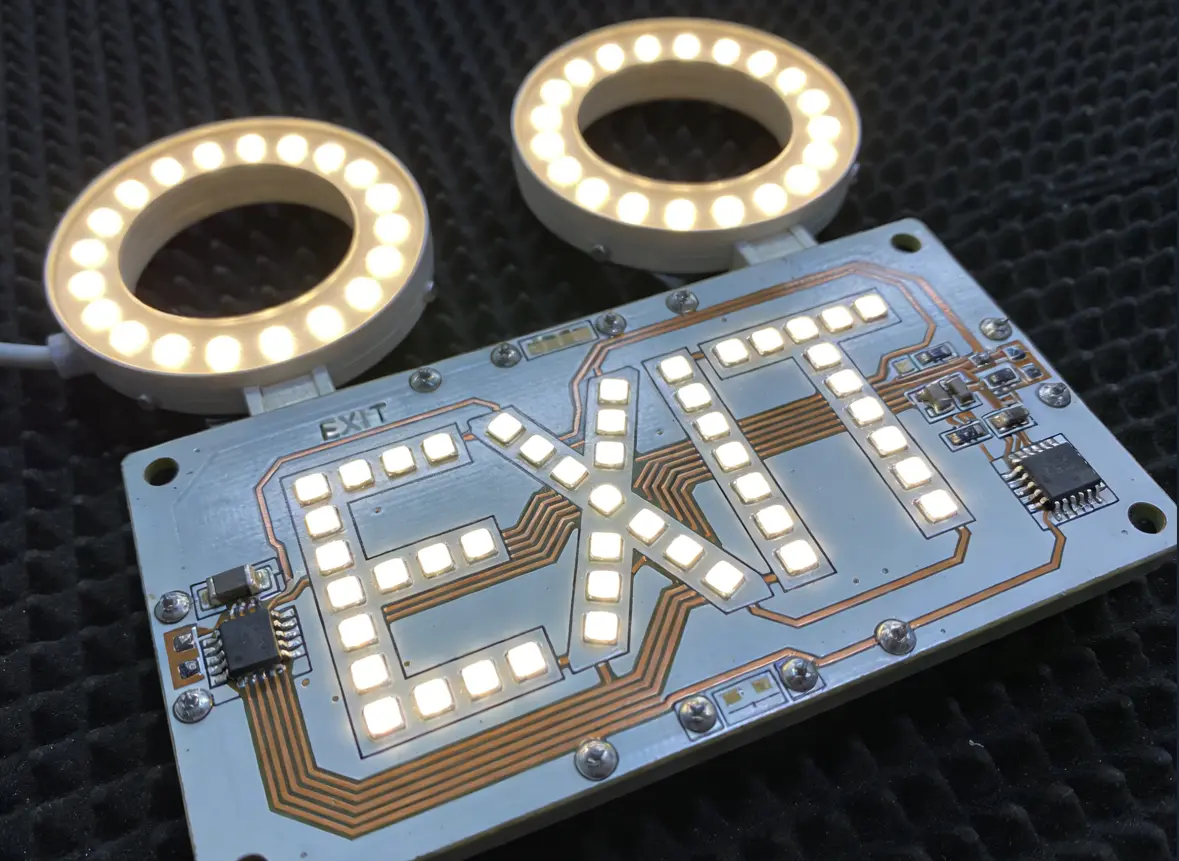
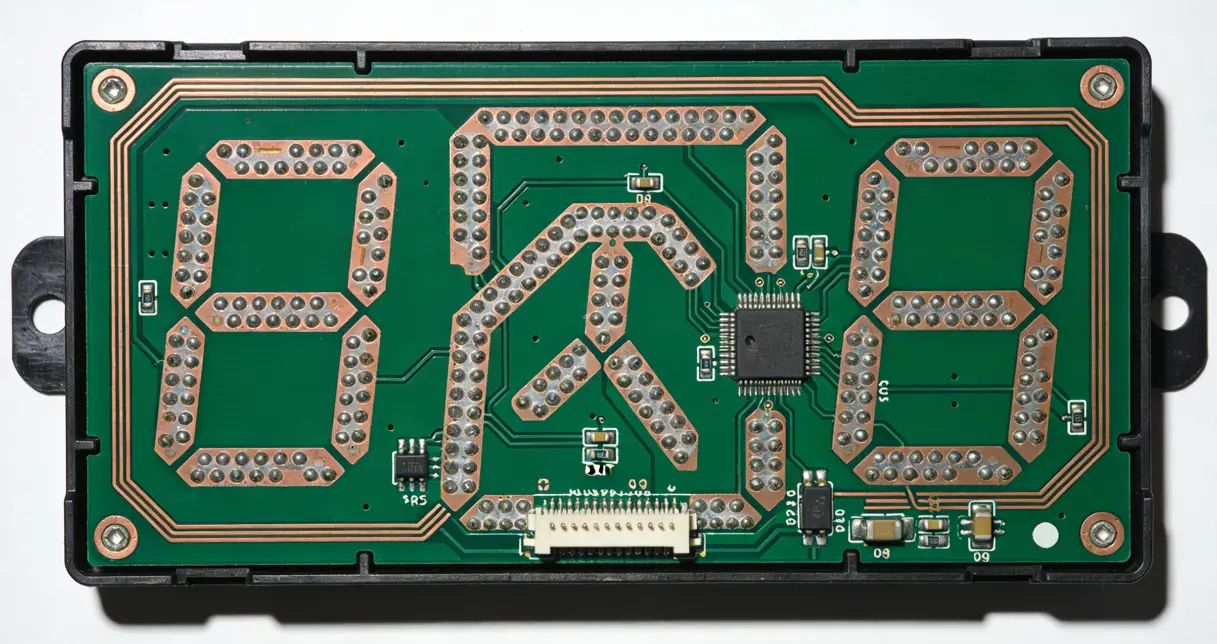
Emergency and exit sign lighting systems are the backbone of building safety infrastructure, designed to guide occupants to safety during power outages, fires, or other emergencies. At the core of these life-saving devices lies the Printed Circuit Board Assembly (PCBA)—a precision-engineered component that dictates reliability, performance, and compliance with global safety standards. This article explores the technical specifications, design considerations, and industry standards that define high-quality Emergency & Exit Sign Lighting PCBA.
Core Material and Structural Specifications
The foundational design of Emergency & Exit Sign Lighting PCBA prioritizes durability and functionality, starting with base materials tailored to diverse application needs. FR-4 is the industry standard for most models, offering a balance of mechanical strength, thermal stability, and cost-effectiveness. For high-power exit sign variants, aluminum-based PCBs are preferred to dissipate heat efficiently, while CEM-3 serves as a cost-effective alternative for low-power, indoor-only applications.
Structural parameters further optimize performance:
· Copper Thickness: Ranges from 1 oz (35μm) for standard circuits to 3 oz (105μm) for high-current pathways, ensuring stable power delivery to LED modules and battery charging circuits.
· Board Thickness: Standard options (0.8mm to 1.6mm) suit most compact exit sign enclosures, while 2.0mm heavy-duty PCBs are used in industrial or outdoor-rated units.
· Layer Count: 1-layer and 2-layer PCBs dominate for basic emergency lighting systems, with 4-layer designs reserved for complex control circuits integrating battery management and LED dimming.
Manufacturing and Performance Standards
Precision manufacturing is non-negotiable for PCBA that must operate flawlessly in critical moments. Key production parameters include:
· Track Width/Spacing: A minimum of 0.15mm/0.15mm for compact layouts (common in modern, slim exit signs) and 0.2mm/0.2mm for standard designs, preventing short circuits and ensuring signal integrity.
· Surface Finish: Lead-free HASL is widely used for cost efficiency, while ENIG (Electroless Nickel Immersion Gold) is specified for high-reliability applications, offering superior corrosion resistance and solderability. OSP (Organic Solderability Preservative) is ideal for fine-pitch components in miniaturized PCBA.
· Mounting Technology: SMT (Surface Mount Technology) is primary for miniaturization, while THT (Through-Hole Technology) is retained for connectors and high-power components (e.g., battery terminals) requiring mechanical robustness. Mixed SMT/THT balances compactness and durability.
Performance parameters are engineered to withstand harsh environments:
· Temperature Range: Operating temperatures from -40°C to +85°C (industrial grade) ensure functionality in extreme climates, while storage temperatures (-55°C to +125°C) protect PCBA during transit and storage.
· Humidity Resistance: IP20 for indoor use and IP65 for encapsulated outdoor/industrial models, preventing moisture damage to sensitive circuitry.
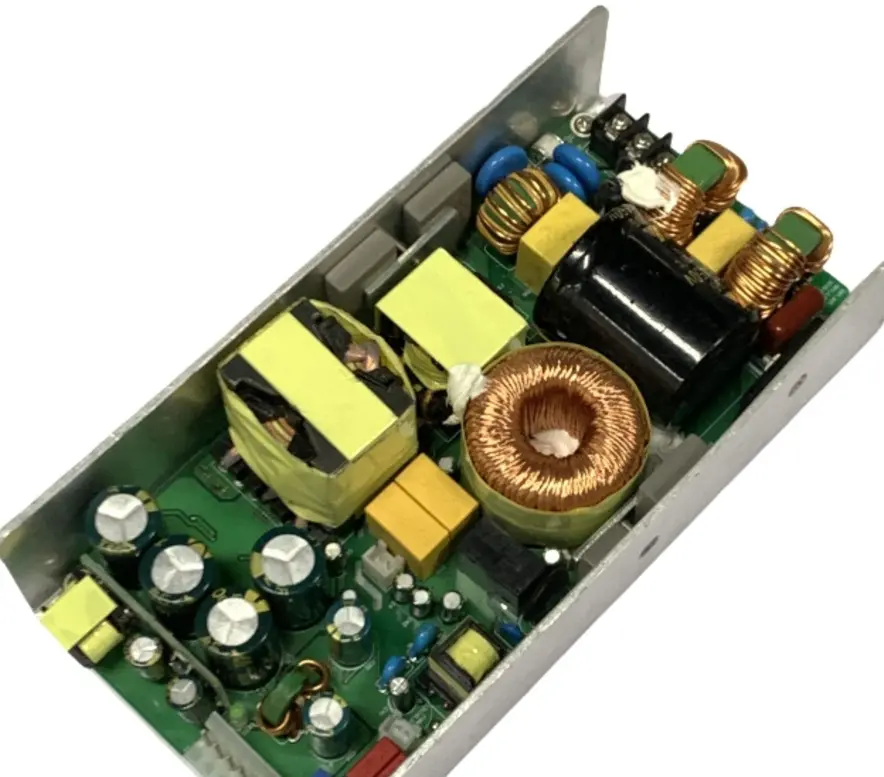
· Power Compatibility: Supports 3.7V (battery-powered), 12V/24V DC (low-voltage systems), and 110V/220V AC (mains-powered with rectifier circuits), with current ratings up to 5A per track (dependent on copper thickness).
Safety and Compliance: Non-Negotiable Requirements
Emergency & Exit Sign Lighting PCBA must adhere to stringent global standards to ensure reliability in life-critical scenarios. Integral protection features include overcharge, over-discharge, short-circuit, and over-temperature protection—critical for safeguarding lithium-ion, Ni-MH, or Ni-Cd emergency batteries.
Compliance with international safety standards is mandatory:
· UL 924 (Emergency Lighting Standard): Defines performance requirements for emergency lighting systems in North America.
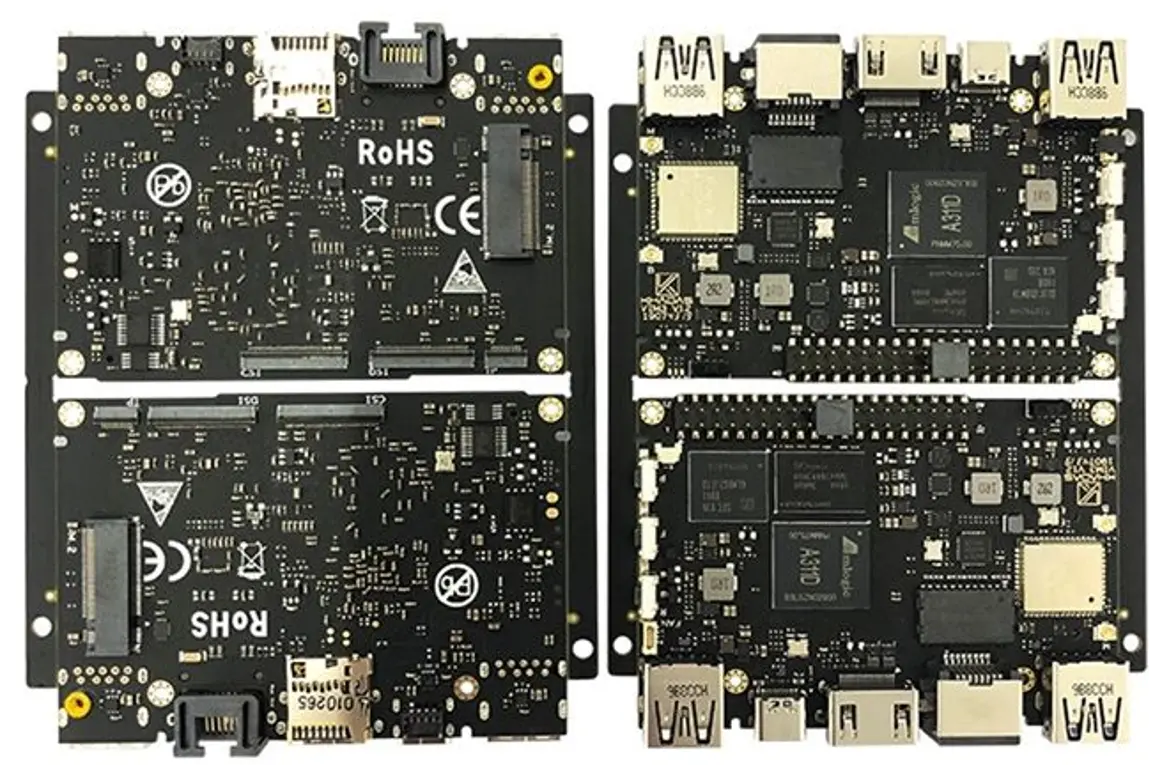
· CE/RoHS: Ensures compliance with European health, safety, and environmental regulations.
· IEC 60598-2-22: Specifies safety requirements for emergency lighting luminaires.
· ISO 9001: Validates consistent manufacturing quality control processes.
Additionally, the Mean Time Between Failures (MTBF) for premium Emergency & Exit Sign Lighting PCBA exceeds 50,000 hours at 25°C, ensuring long-term reliability with minimal maintenance.
Design Optimization for Real-World Use
Beyond core specifications, design tweaks enhance real-world functionality:
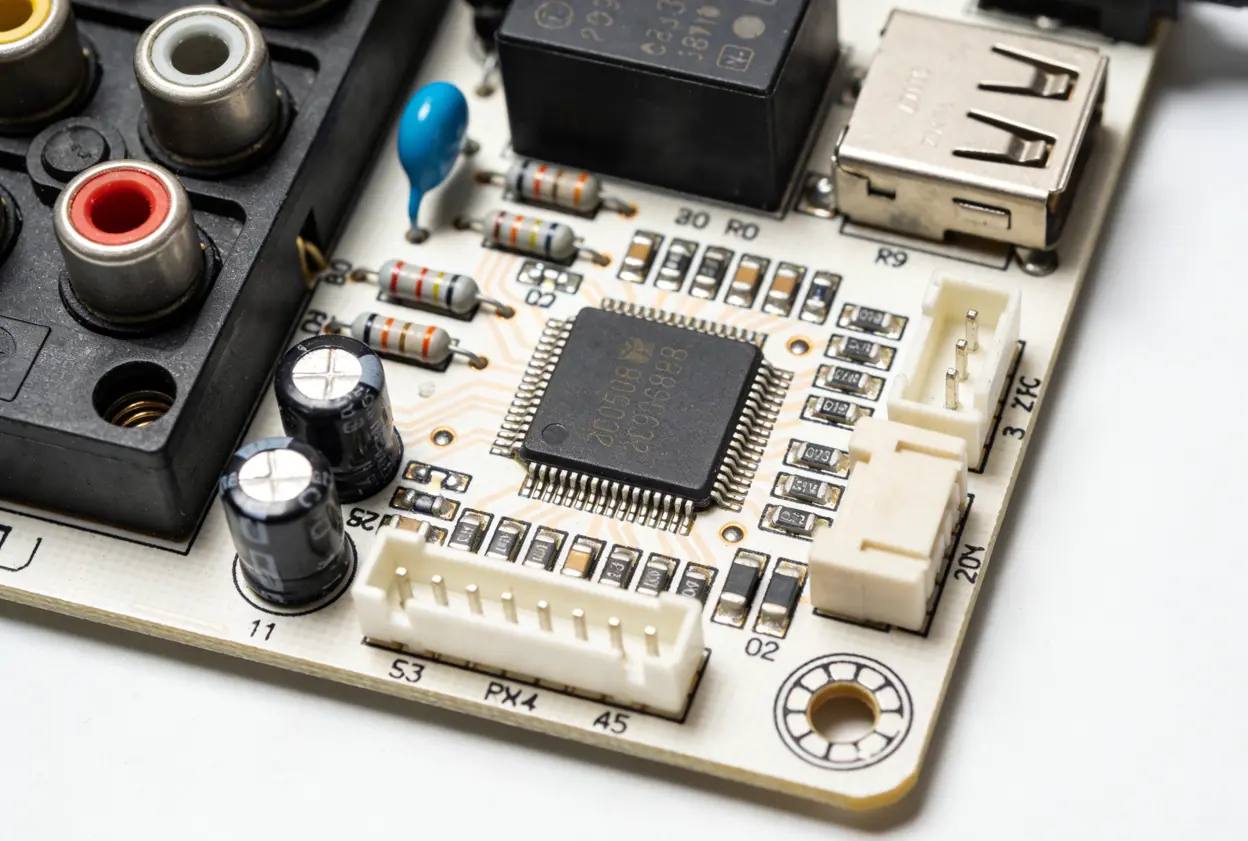
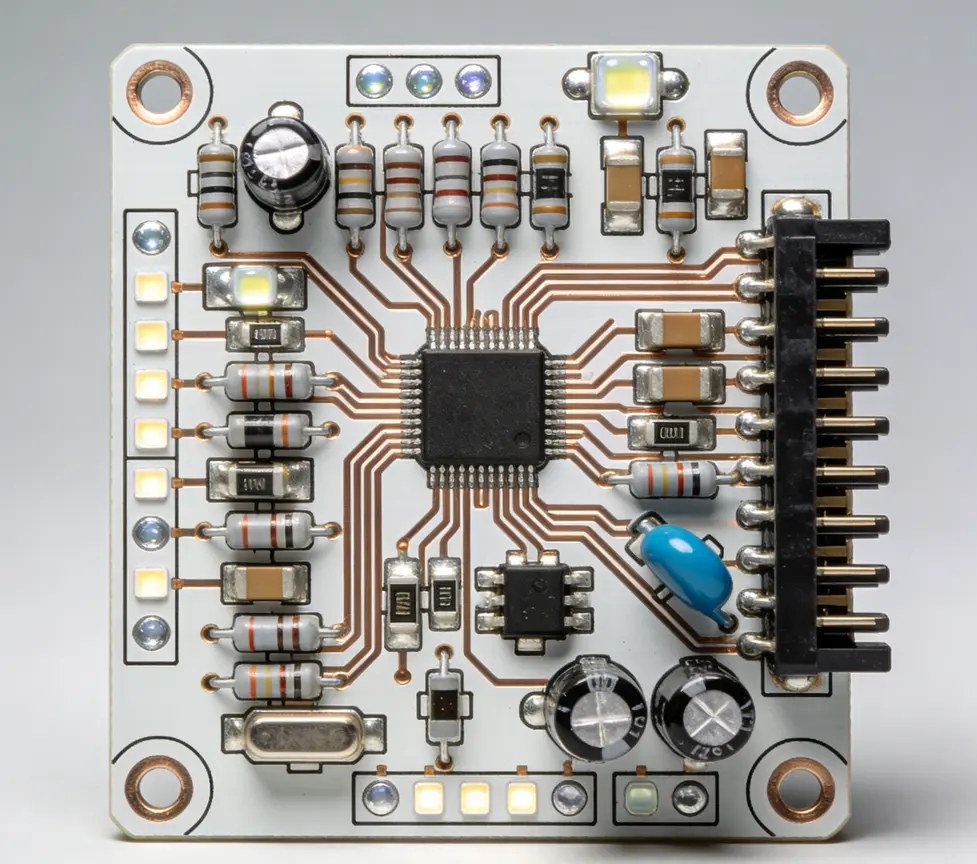
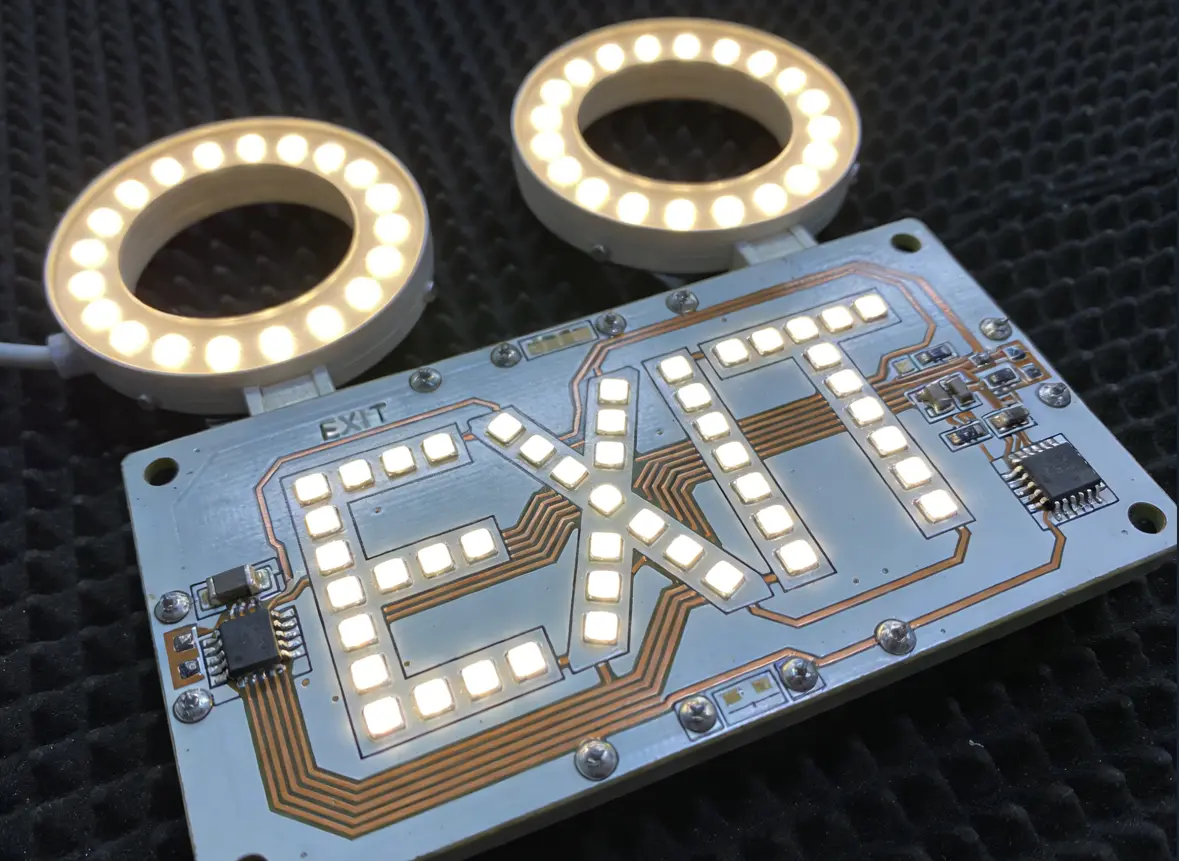
· Solder Mask Color: White is preferred for exit sign PCBA, as it maximizes light reflection from LED modules, improving sign visibility. Green and black are available for custom branding or aesthetic requirements.
· Silkscreen Clarity: High-contrast white/black silkscreen ensures clear component labeling and alignment marks, simplifying assembly and maintenance.
· LED Driver Integration: Built-in constant current drivers (20mA to 350mA adjustable) deliver stable power to LEDs, preventing flickering and extending LED lifespan—critical for ensuring exit signs remain visible during emergencies.
Conclusion
Emergency & Exit Sign Lighting PCBA is far more than a simple circuit board: it is a safety-critical component that demands uncompromising engineering, adherence to global standards, and optimization for real-world conditions. From base material selection to compliance with UL 924 and IEC 60598-2-22, every technical parameter is designed to ensure these systems activate instantly and perform reliably when lives depend on them. For manufacturers and installers, prioritizing high-quality PCBA with the specifications outlined here is not just a best practice—it is a responsibility to the safety of building occupants worldwide.
|
Parameter Category |
pecification Details |
|
Base Material |
FR-4 (Standard), Aluminum-based PCB (for high-power models), CEM-3 (cost-effective option) |
|
Copper Thickness |
1 oz (35μm), 2 oz (70μm), 3 oz (105μm) (customizable for high-current circuits) |
|
Board Thickness |
0.8mm, 1.0mm, 1.2mm, 1.6mm (standard), 2.0mm (heavy-duty applications) |
|
Number of Layers |
1-layer, 2-layer (most common), 4-layer (for complex control circuits) |
|
Solder Mask Color |
White (enhances light reflection), Green, Black (customizable per client requirements) |
|
Silkscreen Color |
White, Black (high contrast for component labeling and alignment marks) |
|
Minimum Track Width/Spacing |
0.15mm/0.15mm (fine pitch for compact designs), 0.2mm/0.2mm (standard) |
|
Minimum Hole Size |
Mechanical hole: 0.3mm; Via hole: 0.2mm (plated through hole, PTH) |
|
Surface Finish |
HASL (Lead-Free), ENIG (Enhanced corrosion resistance, high reliability), |
|
Component Mounting Technology |
SMT (Surface Mount Technology, primary for miniaturization), |
|
Operating Temperature Range |
-40°C to +85°C (industrial grade, suitable for harsh environments) |
|
Storage Temperature Range |
-55°C to +125°C |
|
Humidity Resistance |
IP65 (encapsulated models), IP20 (indoor standard models) |
|
Voltage Rating |
3.7V (battery-powered), 12V/24V DC (low-voltage systems), |
|
Current Rating |
Up to 5A (per track, depending on copper thickness and trace width) |
|
Emergency Battery Compatibility |
Li-ion, Ni-MH, Ni-Cd batteries (built-in charging and protection circuit integration) |
|
LED Driver Integration |
Constant current driver (20mA - 350mA adjustable, for stable LED performance) |
|
Protection Functions |
Overcharge protection, Over-discharge protection, |
|
Compliance Standards |
UL 924 (Emergency Lighting Standard), CE, RoHS, FCC, ISO 9001, IEC 60598-2-22 |
|
MTBF (Mean Time Between Failures) |
≥50,000 hours (at 25°C ambient temperature) |