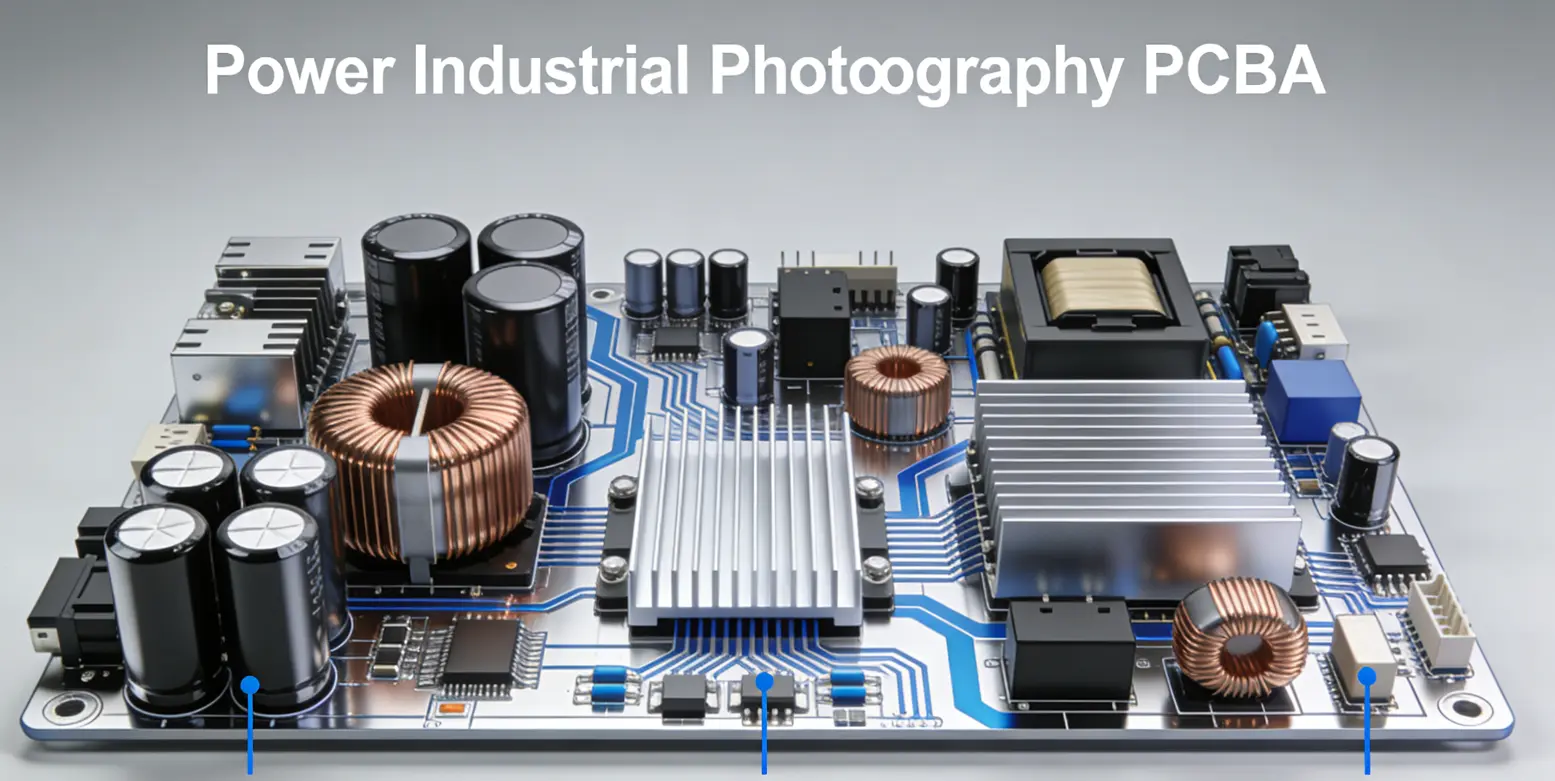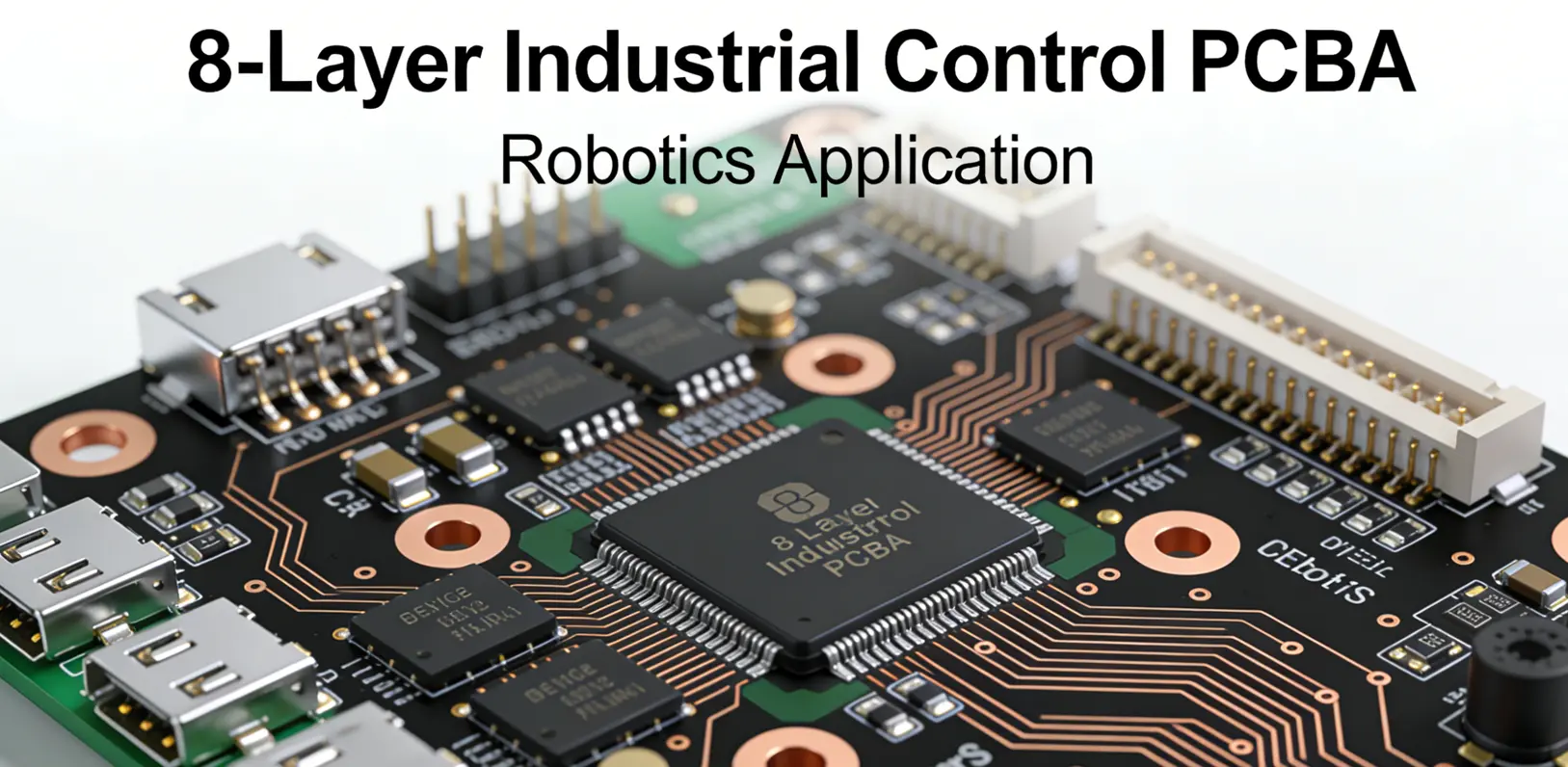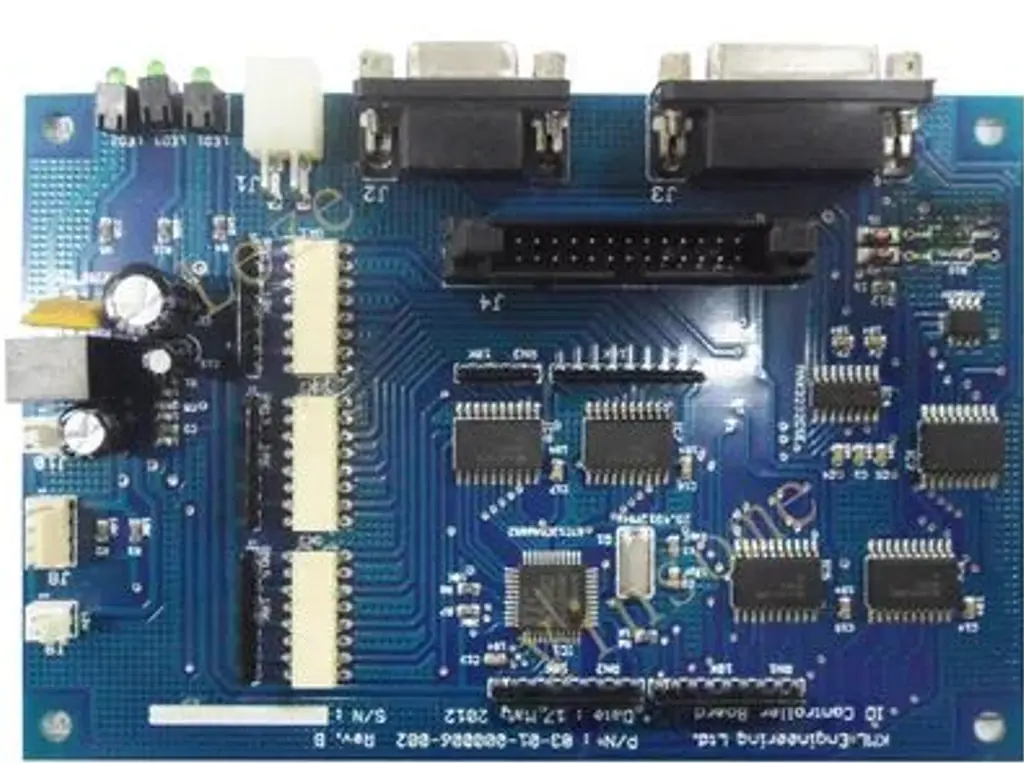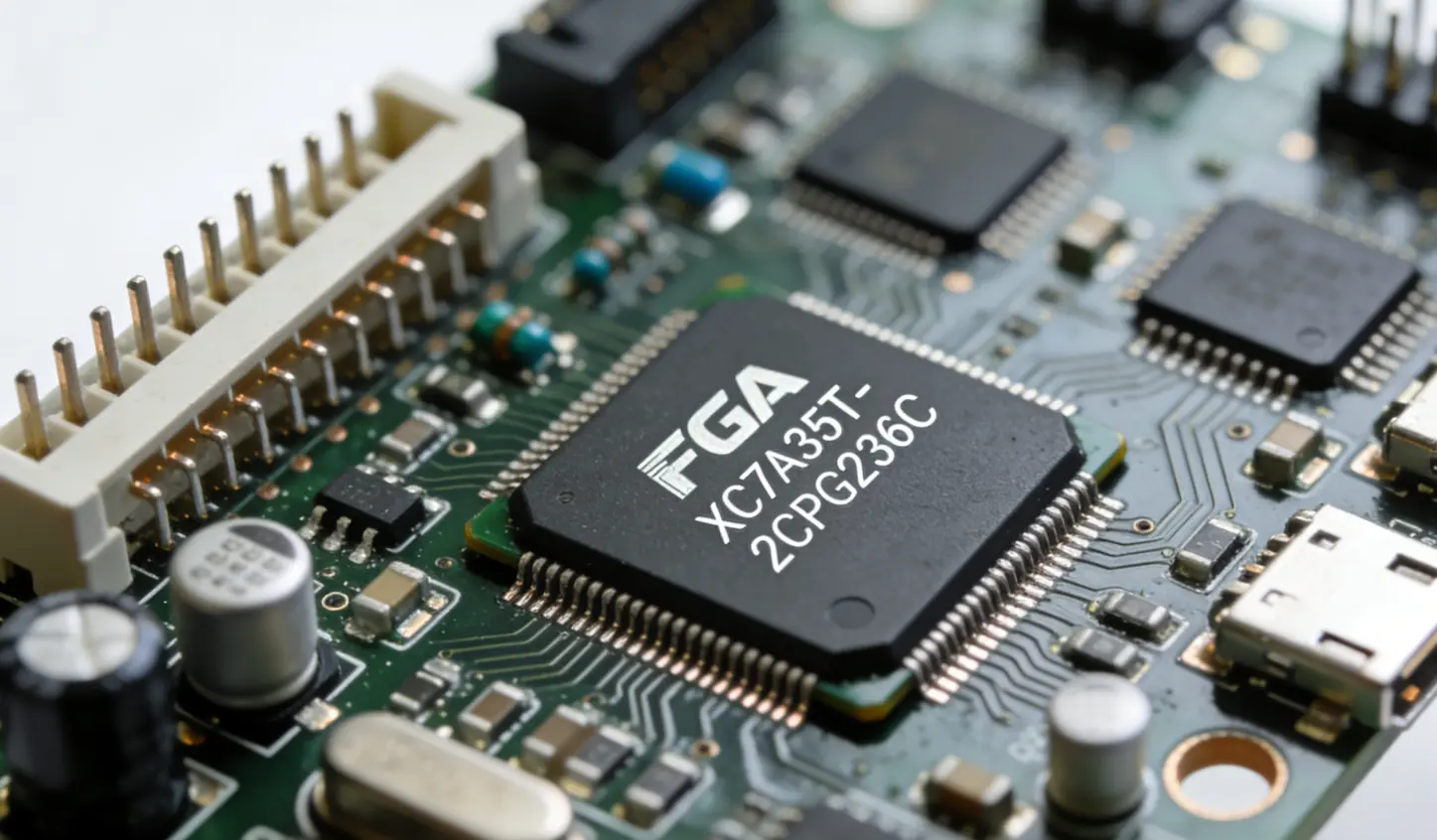

Welcome your arrival!

Welcome your arrival!

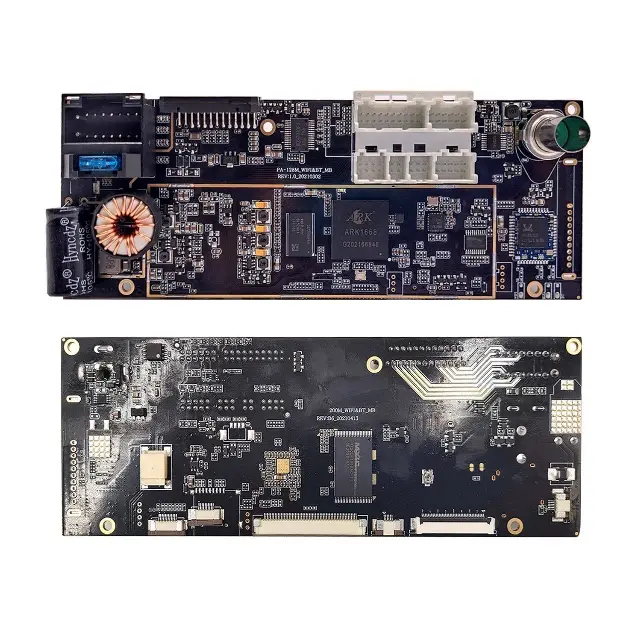
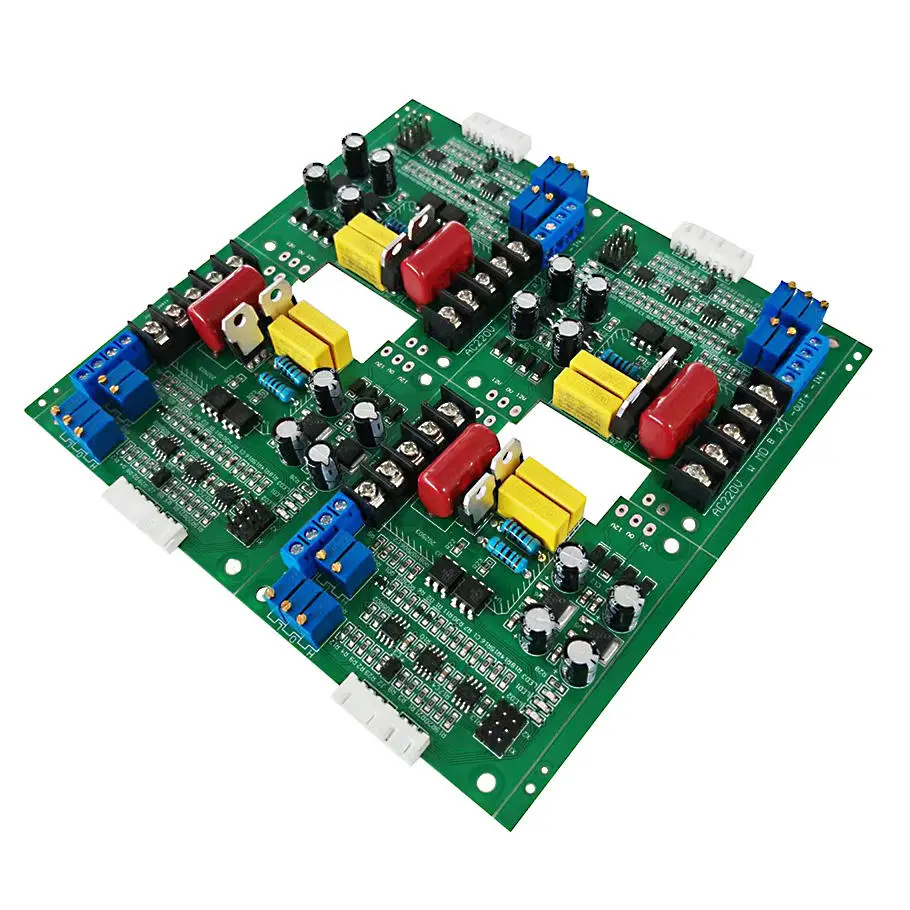
Industrial & High-Power Power Supply PCBA Base Material Type:FR-4 (High Tg ≥170°C), Aluminum-based PCB、Copper-clad laminate (CCL) for high power
PCB Layer Count:2–20 Layers (Support blind/buried via structure) Heavy copper PCB options (2 oz to 10+ oz Cu thickness)
Material: FR-4 (standard), High-Tg FR-4, or metal-core (e.g., aluminum-backed) for thermal management
Optional: Ceramic-filled or thermally conductive laminates for high-power applications
Copper Thickness: Standard: 1 oz (35 µm)
Board Thickness: 1.0 mm to 3.2 mm (customizable based on mechanical and thermal requirements)
Product Details Data Sheet

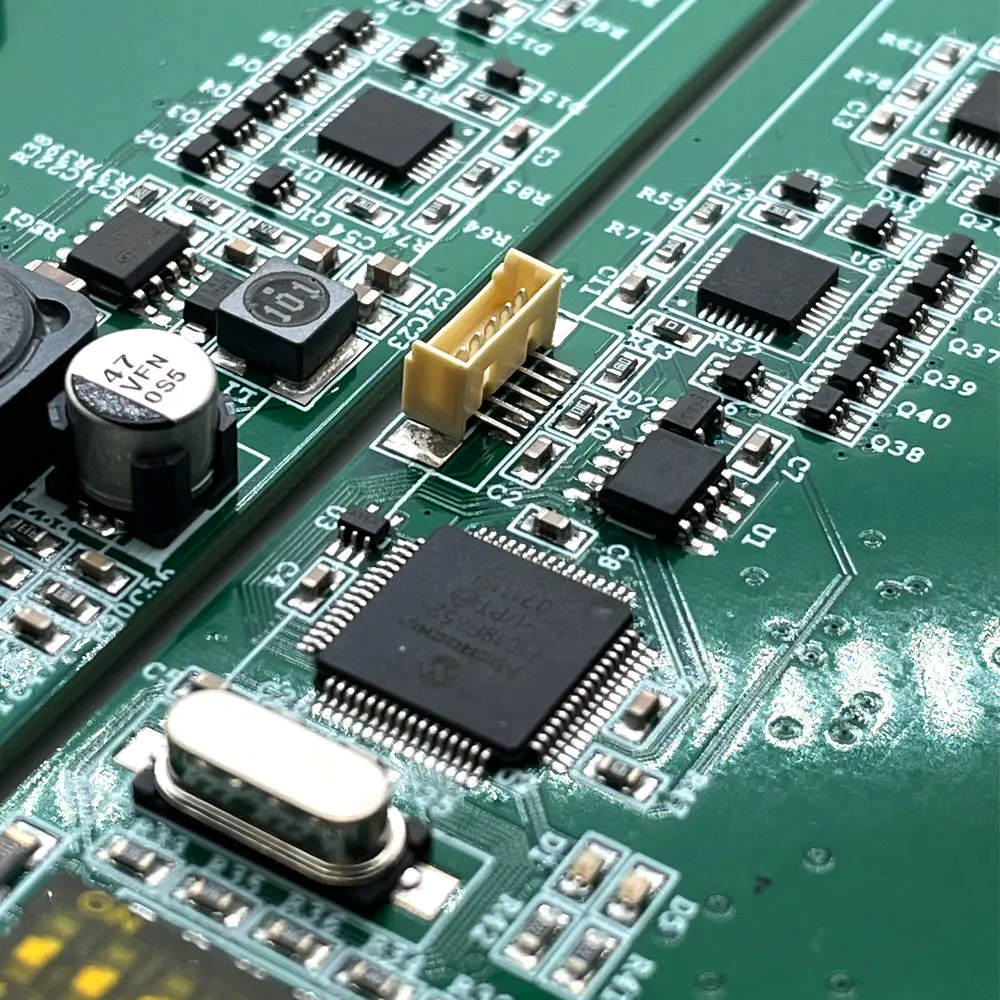
Industrial & High‑Power Power Supply PCBA: Engineering for Extreme Demands

In the industrial automation, renewable energy, and heavy‑duty equipment sectors, high‑power power supply Printed Circuit Board Assemblies (PCBA) serve as the critical backbone of reliable electrical power conversion and distribution. Unlike consumer‑grade power supply PCBA, industrial & high‑power variants (typically defined as ≥500W) demand rigorous manufacturing standards, advanced material selection, and precise process control to withstand extreme operating conditions, high current loads, and long‑term reliability requirements. This article outlines the core technical parameters and manufacturing benchmarks that define high‑quality industrial & high‑power power supply PCBA.


Core Material Specifications: Foundation of High‑Power Performance

The substrate material is the first line of defense for high‑power PCBA, as it directly impacts thermal management, mechanical stability, and electrical insulation.

  • Material Selection:

    • FR‑4 with High TG (≥170°C, or ≥200°C for high‑temperature grades): Baseline for industrial applications.

    • Aluminum‑based PCBs (Al₂O₃ / AlN) or high‑power copper‑clad laminates (CCL): Preferred for high‑heat scenarios.

  • Key Thermal Properties:

    • Thermal Conductivity:

      • FR‑4: 0.3–0.5 W/(m·K)

      • Aluminum‑based: 1.0–8.0 W/(m·K)

      • Aluminum Nitride (AlN): ≥120 W/(m·K) —exceptional performance.

    • Coefficient of Thermal Expansion (CTE): Tightly controlled to prevent delamination or cracking under thermal cycling:

      • X/Y: 12–18 ppm/°C

      • Z: 60–120 ppm/°C ≤260°C

  • Copper Thickness: A non‑negotiable parameter for high‑current handling.

    • Inner layers: 1 oz (35 μm) to 3 oz (105 μm) .

    • Outer layers (high‑current areas): 2 oz (70 μm) up to 10 oz (350 μm) .

    • Via wall copper thickness: 20–35 μm —ensuring robust current‑carrying capacity and mechanical integrity.


Precision in Circuit Design and Fabrication

High‑power PCBA demands meticulous control over circuit trace and pad dimensions to balance current capacity, insulation, and manufacturability.

  • Trace Geometry:

    • Minimum trace width: 0.2 mm (8 mil) to 5.0 mm (200 mil) —sizing calibrated to current loads (1 oz copper supports ~2.5 A/mm width).

    • Minimum trace spacing: 0.2 mm (8 mil) to 1.0 mm (40 mil) —ensures compliance with high‑voltage insulation requirements.

    • Pad diameter tolerance for power devices (e.g., IGBTs, MOSFETs): ±0.05 mm —guaranteeing secure soldering and electrical contact.

  • Via Design:

    • Through‑holes: 0.3–3.0 mm diameter —often filled with epoxy resin or copper plating to handle heavy current.

    • Blind/Buried vias: 0.15–0.5 mm diameter —enable compact internal layer interconnections.

    • CNC Precision Drilling: Drilling position tolerance ±0.02 mm —eliminating alignment errors that could compromise performance.


Surface Finish and Electrical Performance: Reliability at the Core

Surface finish selection directly impacts solderability, corrosion resistance, and long‑term reliability.

  • Surface Finish Options:

    • ENIG (Electroless Nickel Immersion Gold): 0.05–0.1 μm gold layer over 3–5 μm nickel.

    • OSP (Organic Solderability Preservative)

    • Immersion Silver

    • Hard Gold Plating: 0.5–2.0 μm —used for connector areas requiring wear resistance.

  • Solderability Standard: All finishes must meet IPC‑TM‑650 2.4.13, with ≥95% solder coverage to avoid cold joints or intermittent connections.

Electrical Performance Parameters:

  • Dielectric Withstand Voltage: AC 2.5 kV – 15 kV for 1 minute—no breakdown or flashover.

  • Insulation Resistance: ≥10¹⁰ Ω at 500V DC (25°C / 50% RH).

  • Current‑Carrying Capacity:

    • 2.5 A/mm for 1 oz copper.

    • 7.0 A/mm for 3 oz copper.
      (Continuous operation ≤105°C)

  • Impedance Control: ±5% tolerance for high‑frequency power conversion circuits—minimizing signal loss.


Reliability Testing: Validating for Industrial Environments

Industrial high‑power PCBA must endure harsh operating conditions, so compliance with industry reliability standards is mandatory.

  • Temperature Cycling Test (IPC‑6012): -40°C to +125°C for 1000 cycles—no delamination or solder joint cracking.

  • Damp Heat (85/85) Test: 85°C / 85% RH for 1000 hours—maintaining insulation resistance ≥10⁸ Ω.

  • Vibration Test: 10–2000 Hz with 10G acceleration (6 hours per axis) —ensuring no component detachment or trace damage.

  • Thermal Shock Test: -55°C to +125°C for 500 cycles—preventing via cracking or pad lifting.


Assembly Process: Precision for Consistent Quality

The assembly phase for high‑power PCBA requires tight process control to ensure repeatability and reliability.

  • SMT Placement Tolerance: ±0.03 mm for fine‑pitch devices (pitch ≤0.4 mm).

  • Reflow Soldering Profile: Peak 245°C ±5°C; time above liquidus 60–90 s—avoiding thermal damage to power components.

  • Wave Soldering Parameters: 260°C ±5°C temperature; conveyor speed 0.8–1.2 m/min—optimized for through‑hole power components.

  • Conformal Coating: 20–50 μm thickness (acrylic or silicone)—enhances corrosion resistance and insulation in harsh industrial environments.


Conclusion

Industrial & high‑power power supply PCBA manufacturing is a synergistic blend of advanced material science, precision engineering, and stringent quality control. Every parameter—from substrate thermal properties to assembly process tolerances—directly impacts the performance, safety, and longevity of the final product. By adhering to the technical benchmarks outlined above, manufacturers can produce high‑power PCBA that meet the demanding requirements of industrial applications, ensuring uninterrupted operation in critical systems ranging from factory automation to renewable energy infrastructure.

As power density and operational demands continue to rise, ongoing advancements in materials and manufacturing processes will further elevate the standards for industrial high‑power PCBA, solidifying their role as a cornerstone of modern industrial technology.

1. Substrate Material Specifications

Parameter Category

English Parameter Name

Technical Range/Standard

Base Material Type

Substrate Material

FR-4 (High Tg ≥170°C), Aluminum-based PCB (Al₂O₃/AlN), Copper-clad laminate (CCL) for high power

Glass Transition Temperature

Tg Value

≥170°C (Standard), ≥200°C (High-temperature grade)

Thermal Conductivity

Thermal Conductivity

FR-4: 0.3–0.5 W/(m·K); Aluminum-based: 1.0–8.0 W/(m·K); AlN: ≥120 W/(m·K)

Coefficient of Thermal Expansion

CTE (X/Y/Z Axis)

X/Y: 12–18 ppm/°C; Z: 60–120 ppm/°C (≤260°C)

2. Circuit Layer & Copper Thickness Parameters

Parameter Category

English Parameter Name

Technical Range/Standard

PCB Layer Count

Layer Count

2–20 Layers (Support blind/buried via structure)

Inner Layer Copper Thickness

Inner Layer Copper Weight

1 oz (35μm) – 3 oz (105μm)

Outer Layer Copper Thickness

Outer Layer Copper Weight

2 oz (70μm) – 10 oz (350μm) (High-current area)

Copper Plating Thickness in Vias

Via Wall Copper Thickness

20–35μm (Ensure current-carrying capacity and reliability)

3. Circuit Trace & Pad Parameters

Parameter Category

English Parameter Name

Technical Range/Standard

Minimum Trace Width

Minimum Trace Width

0.2mm (8mil) – 5.0mm (200mil) (Adjust based on current: 1oz copper ≈ 2.5A/mm width)

Minimum Trace Spacing

Minimum Trace Spacing

0.2mm (8mil) – 1.0mm (40mil) (Meet high-voltage insulation requirements)

Pad Diameter Tolerance

Pad Diameter Tolerance

±0.05mm (For power device pads like IGBT/MOSFET)

Solder Mask Bridge Width

Solder Mask Bridge Width

≥0.15mm (Prevent solder bridging in high-density areas)

4. Via & Drilling Parameters

Parameter Category

English Parameter Name

Technical Range/Standard

Through-Hole Diameter

Through-Hole Diameter

0.3–3.0mm (Support heavy current via filling)

Blind/Buried Via Diameter

Blind/Buried Via Diameter

0.15–0.5mm (For internal layer interconnection)

Via Filling Type

Via Filling Process

Epoxy resin filling, Copper plating filling (For high-current vias)

Drilling Position Tolerance

Drilling Position Tolerance

±0.02mm (CNC precision drilling)

5. Surface Finish Specifications

Parameter Category

English Parameter Name

Technical Range/Standard

Surface Finish Type

Surface Finish

ENIG (Electroless Nickel Immersion Gold), OSP (Organic Solderability Preservative), Immersion Silver, Hard Gold Plating (For connector areas)

Gold Layer Thickness

Gold Layer Thickness

ENIG: 0.05–0.1μm (Nickel: 3–5μm); Hard Gold: 0.5–2.0μm

Solderability Test

Solderability Standard

IPC-TM-650 2.4.13: Solder coverage ≥95%

6. Electrical Performance Parameters

Parameter Category

English Parameter Name

Technical Range/Standard

Dielectric Withstand Voltage

Dielectric Withstand Voltage

AC 2.5kV–15kV, 1min (No breakdown or flashover)

Insulation Resistance

Insulation Resistance

≥10¹⁰Ω (At 500V DC, 25°C/50% RH)

Current-Carrying Capacity

Current-Carrying Capacity

1oz copper: 2.5A/mm; 3oz copper: 7.0A/mm (Continuous working temperature ≤105°C)

Impedance Control Tolerance

Impedance Tolerance

±5% (For high-frequency power conversion circuits)

7. Reliability Test Standards

Parameter Category

English Parameter Name

Test Standard & Requirements

Temperature Cycle Test

Temperature Cycling Test

IPC-6012: -40°C to +125°C, 1000 cycles; No delamination, no solder joint cracking

Damp Heat Test

Damp Heat (85/85) Test

85°C/85% RH, 1000h; Insulation resistance ≥10⁸Ω

Vibration Test

Vibration Test

10–2000Hz, 10G acceleration, 6h/axis; No component detachment or trace damage

Thermal Shock Test

Thermal Shock Test

-55°C to +125°C, 500 cycles; No via cracking or pad lifting

8. Assembly Process Parameters

Parameter Category

English Parameter Name

Technical Range/Standard

SMT Component Placement Tolerance

Component Placement Tolerance

±0.03mm (For fine-pitch devices: pitch ≤0.4mm)

Reflow Soldering Temperature Profile

Reflow Temperature Profile

Peak temperature: 245±5°C; Time above liquidus: 60–90s

Wave Soldering Parameters

Wave Soldering Temperature

260±5°C; Conveyor speed: 0.8–1.2m/min

Conformal Coating Thickness

Conformal Coating Thickness

20–50μm (Material: Acrylic, Silicone; For anti-corrosion and insulation)