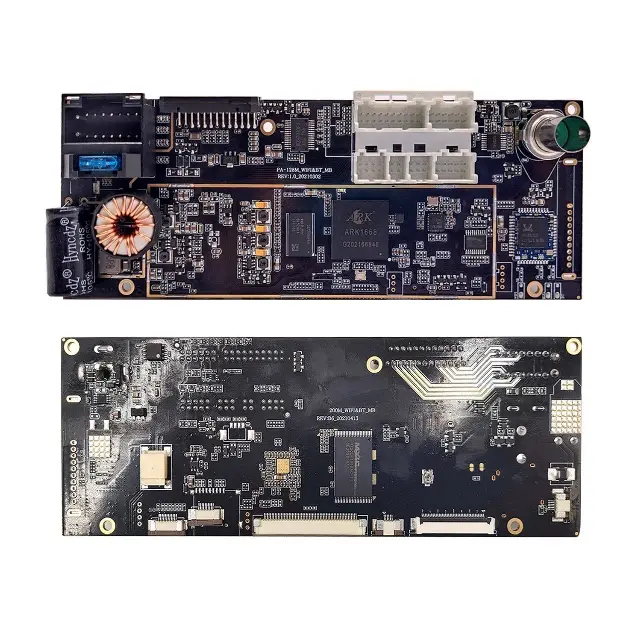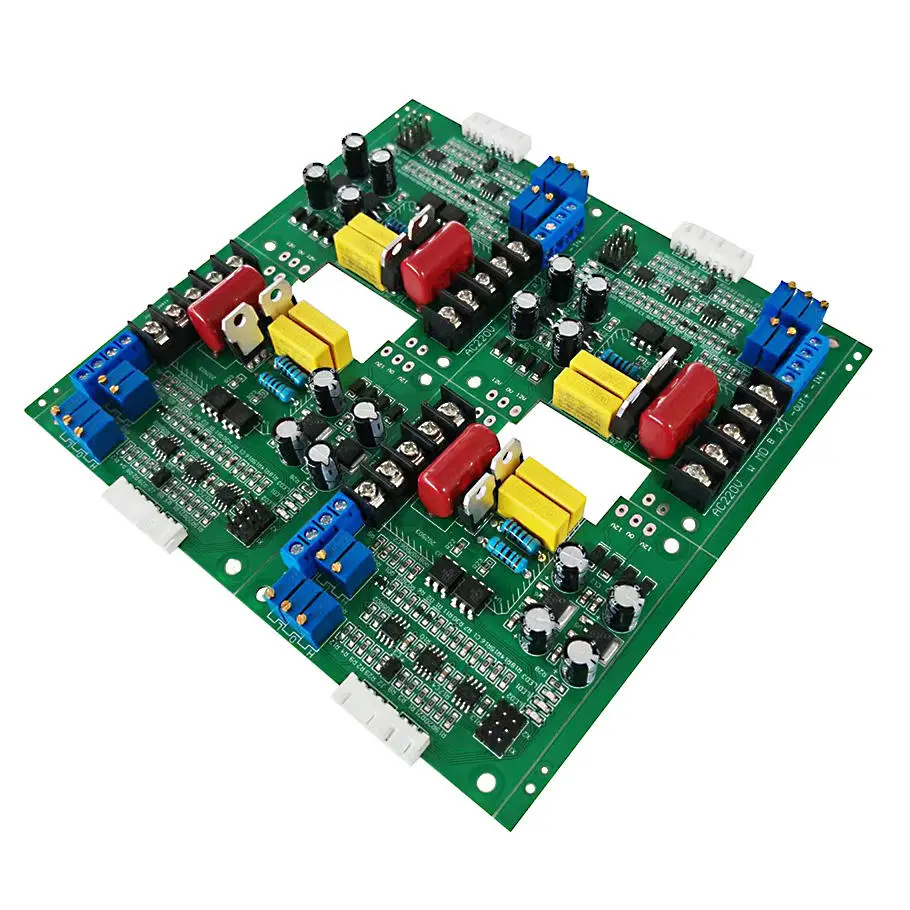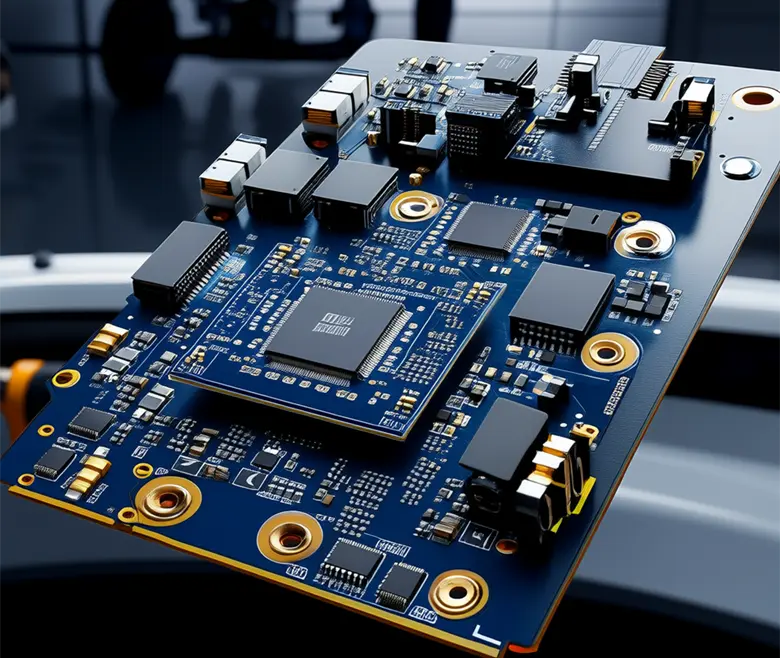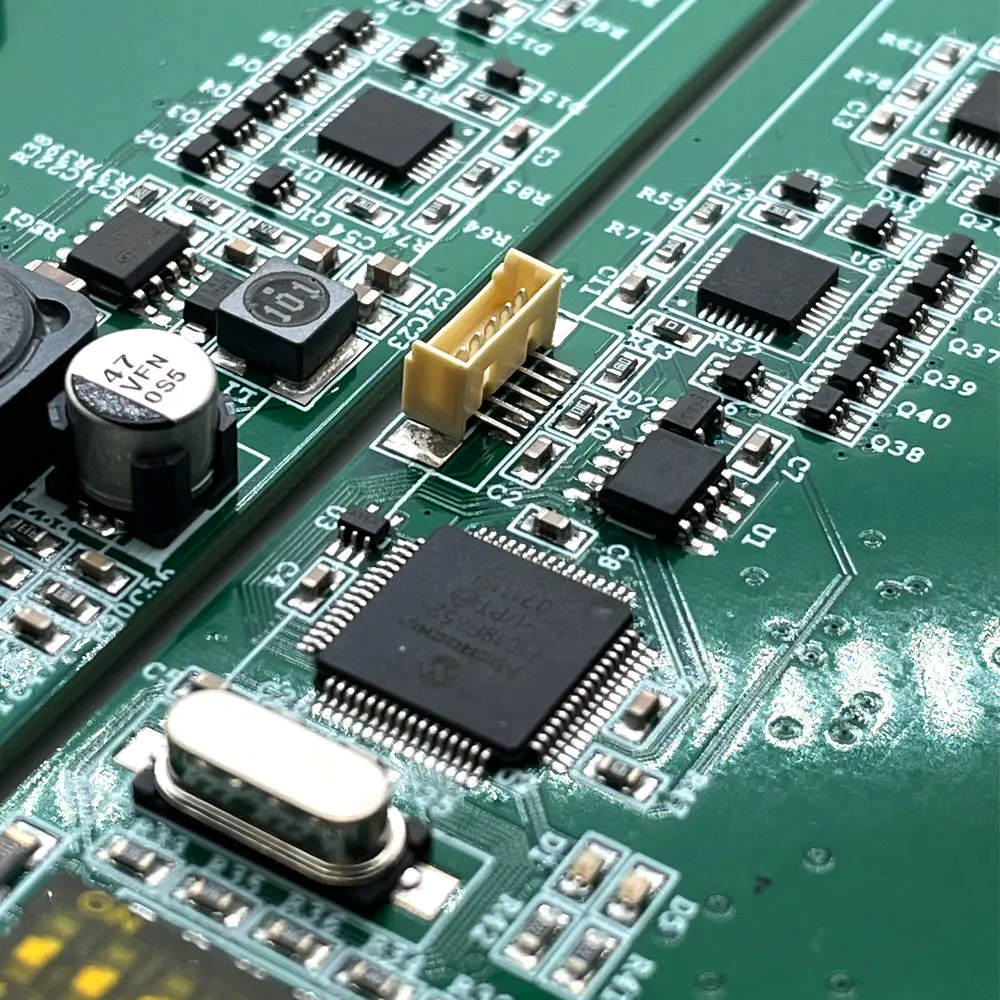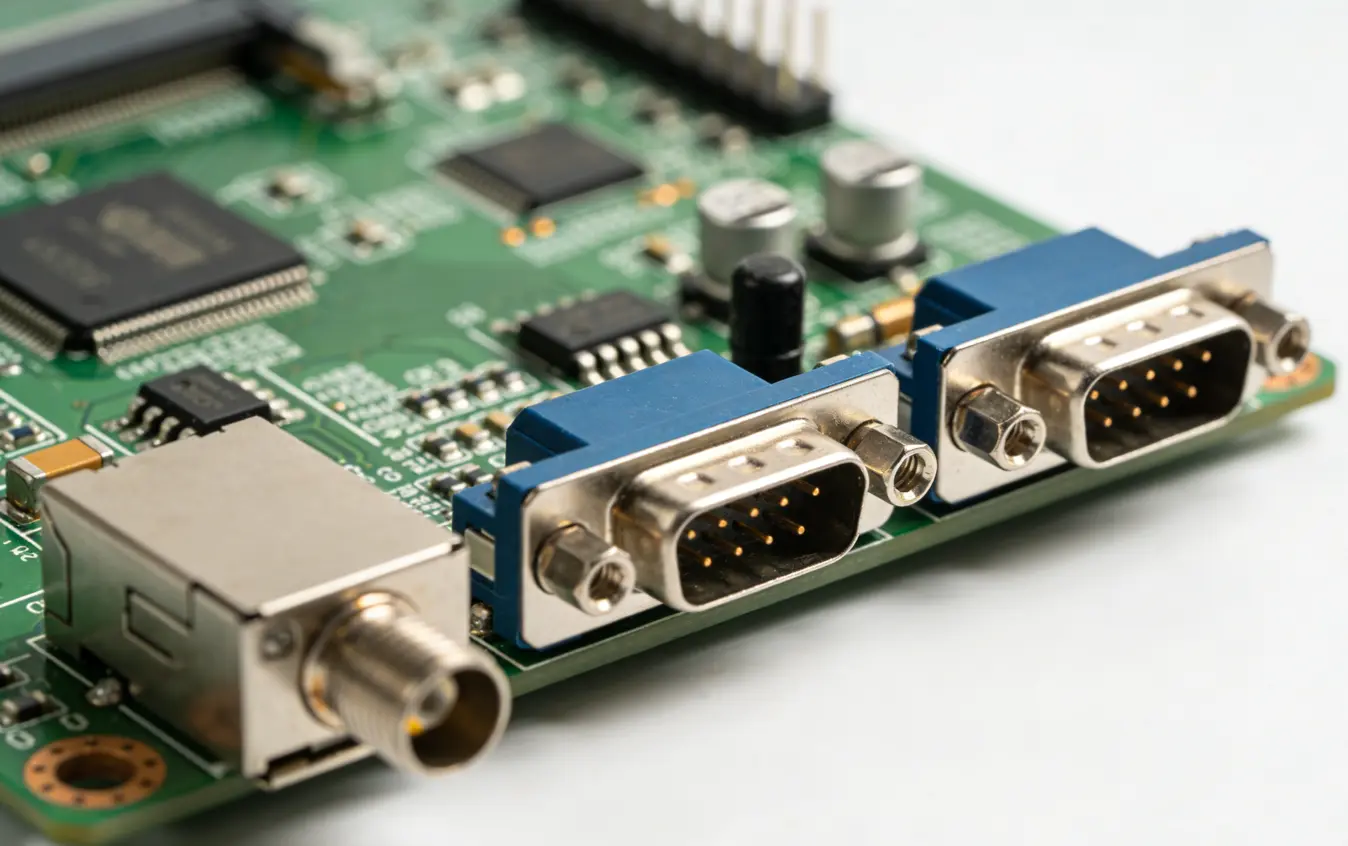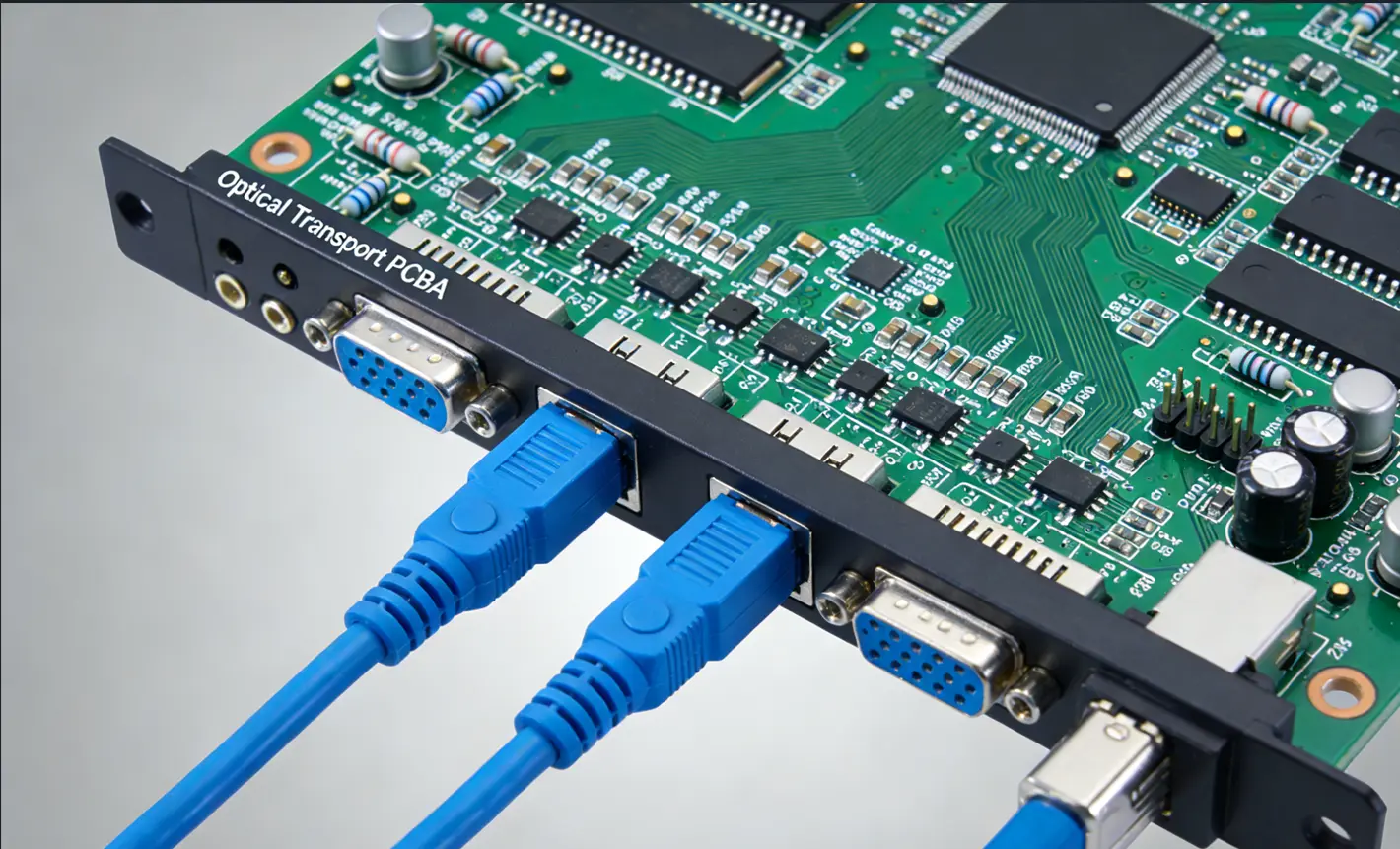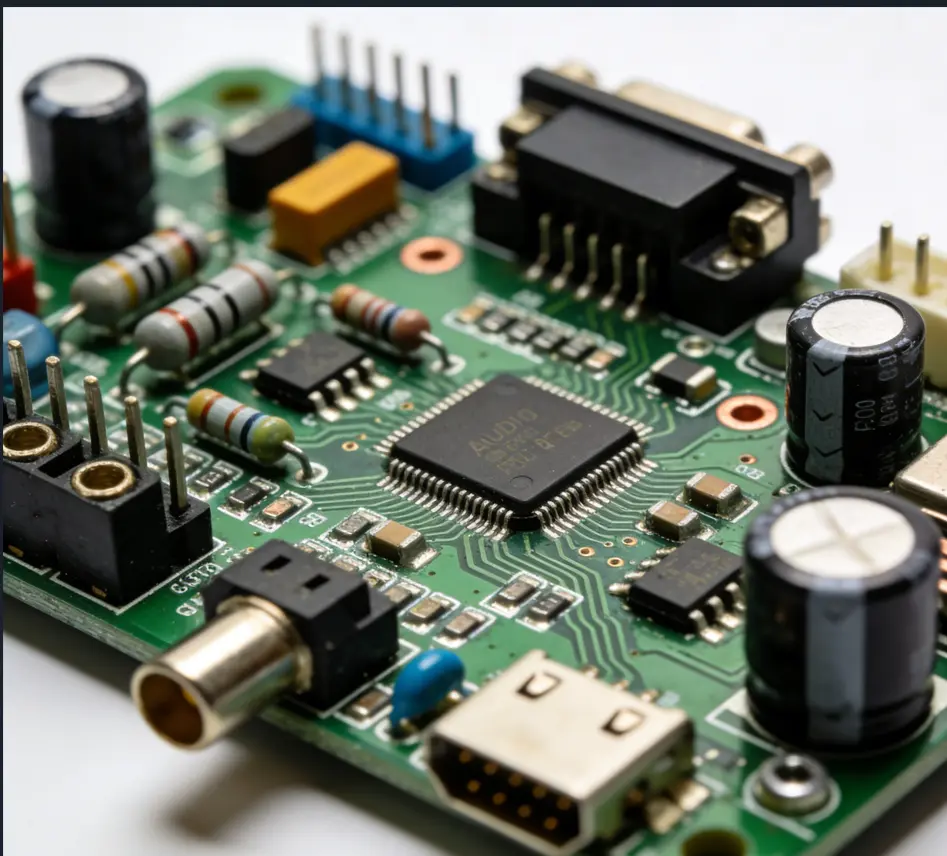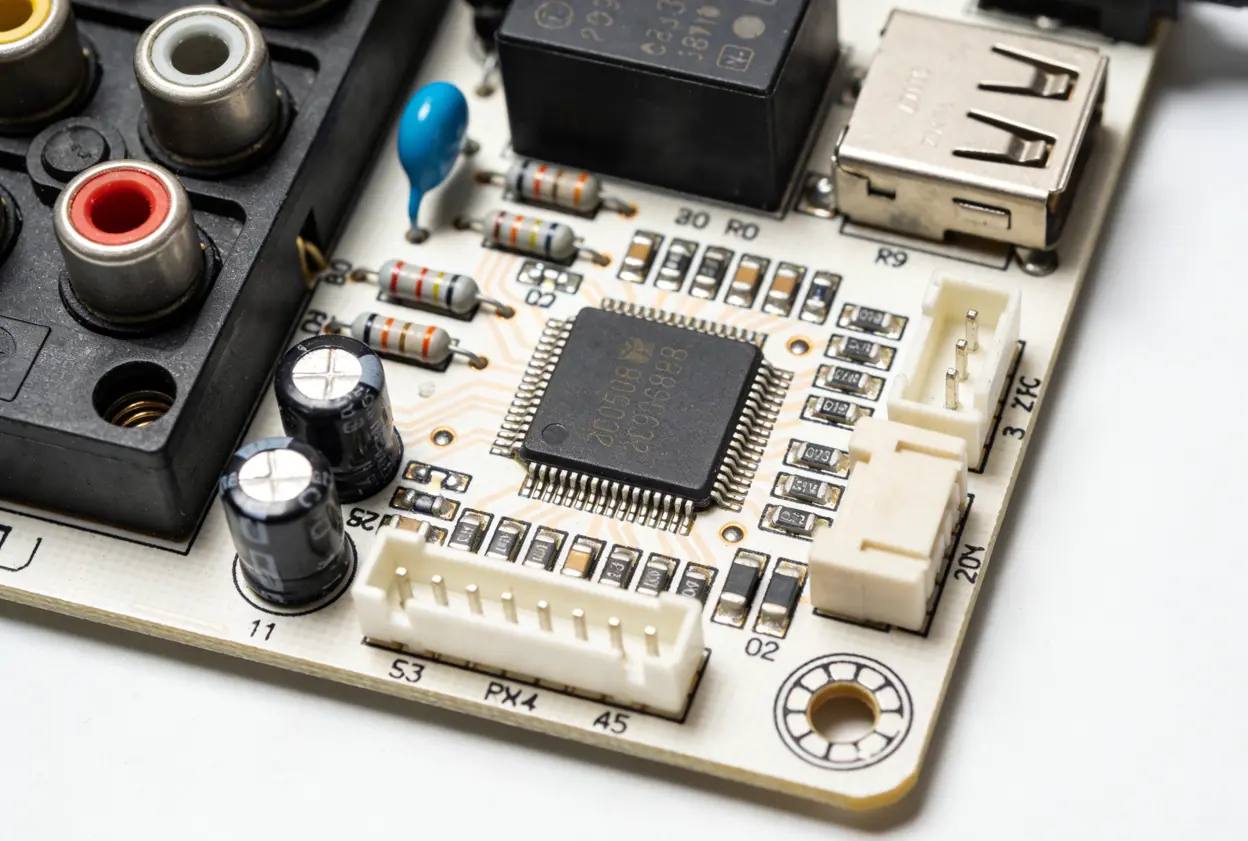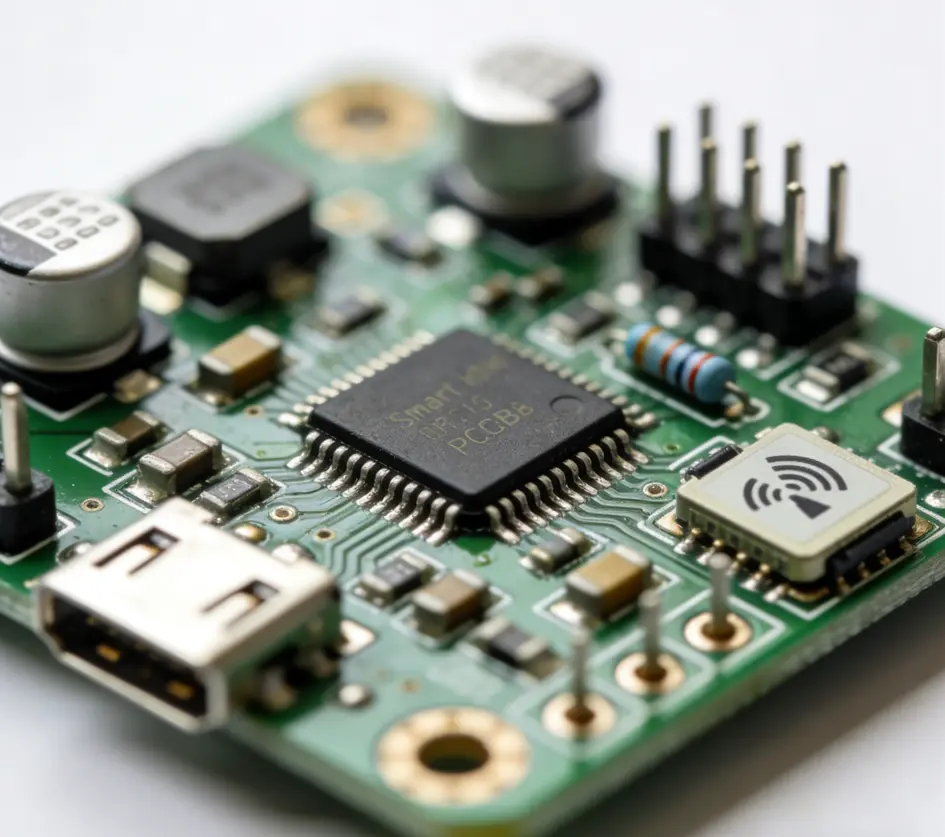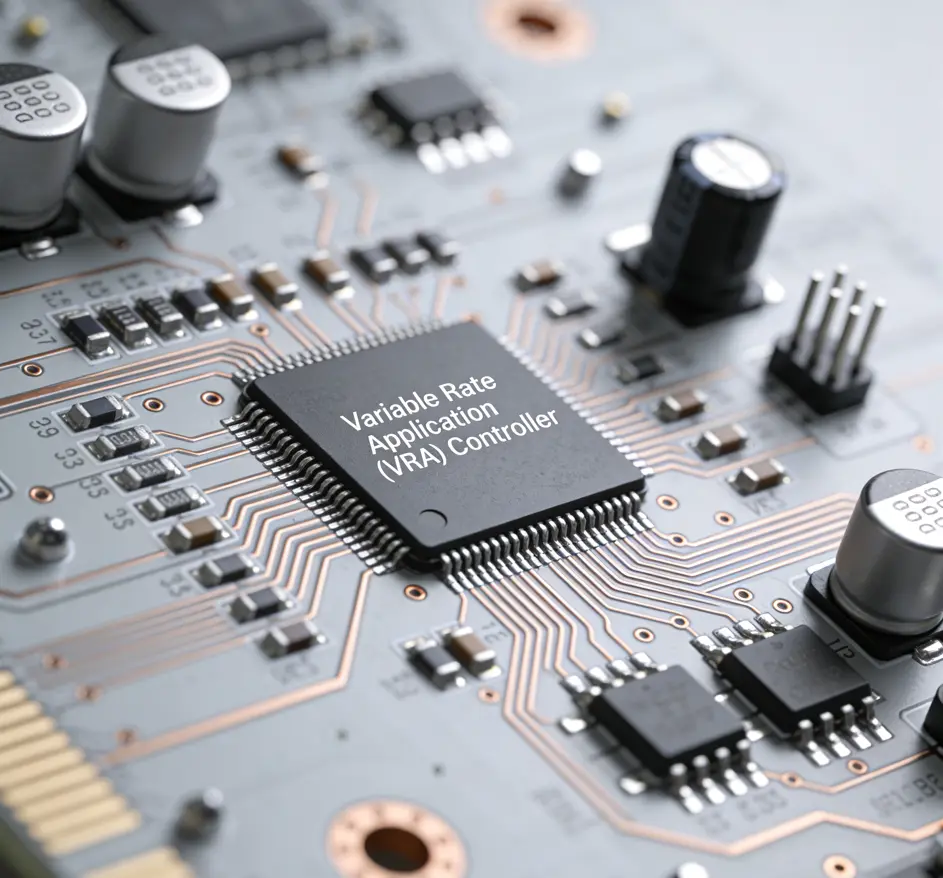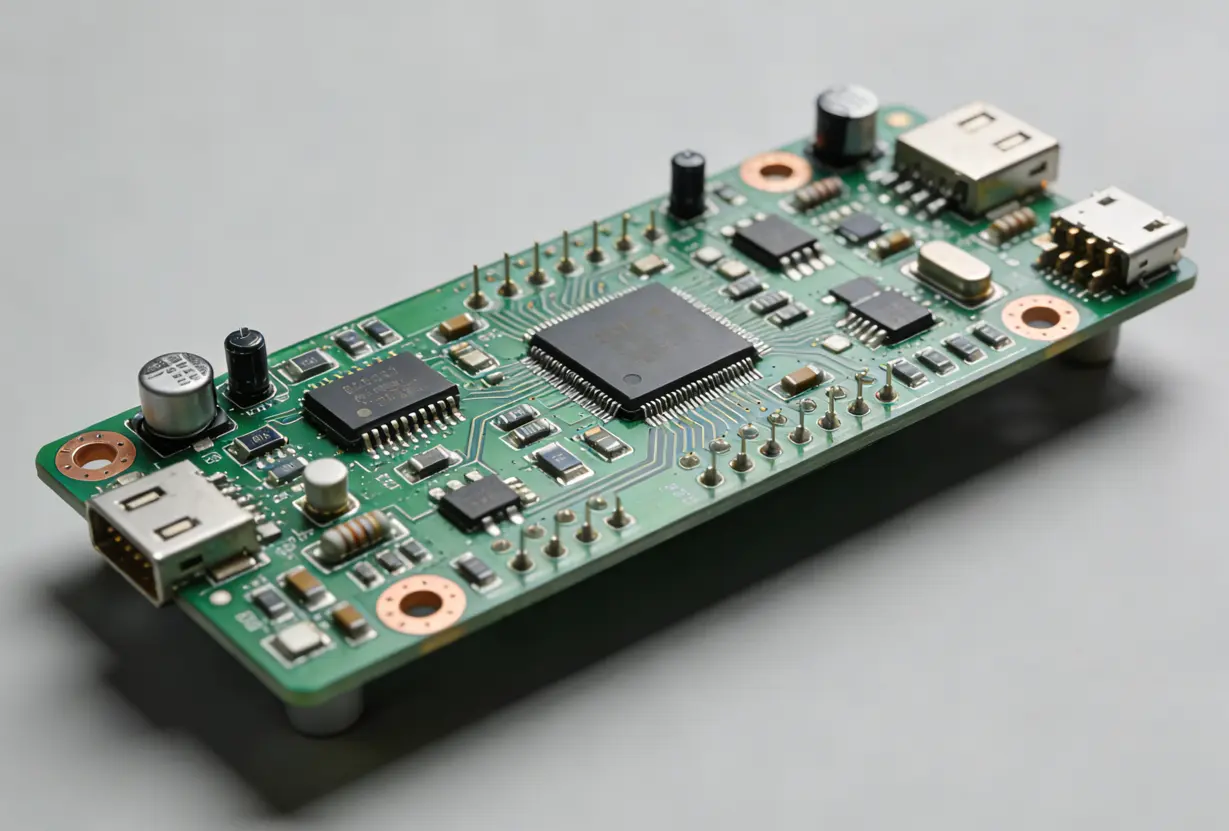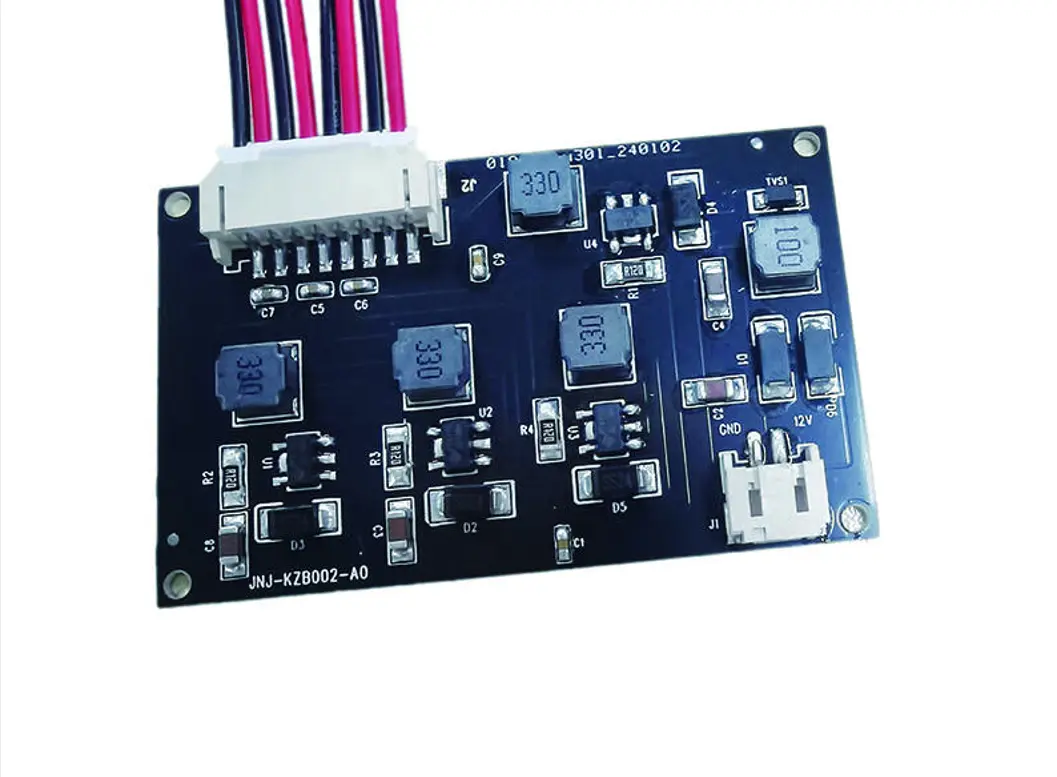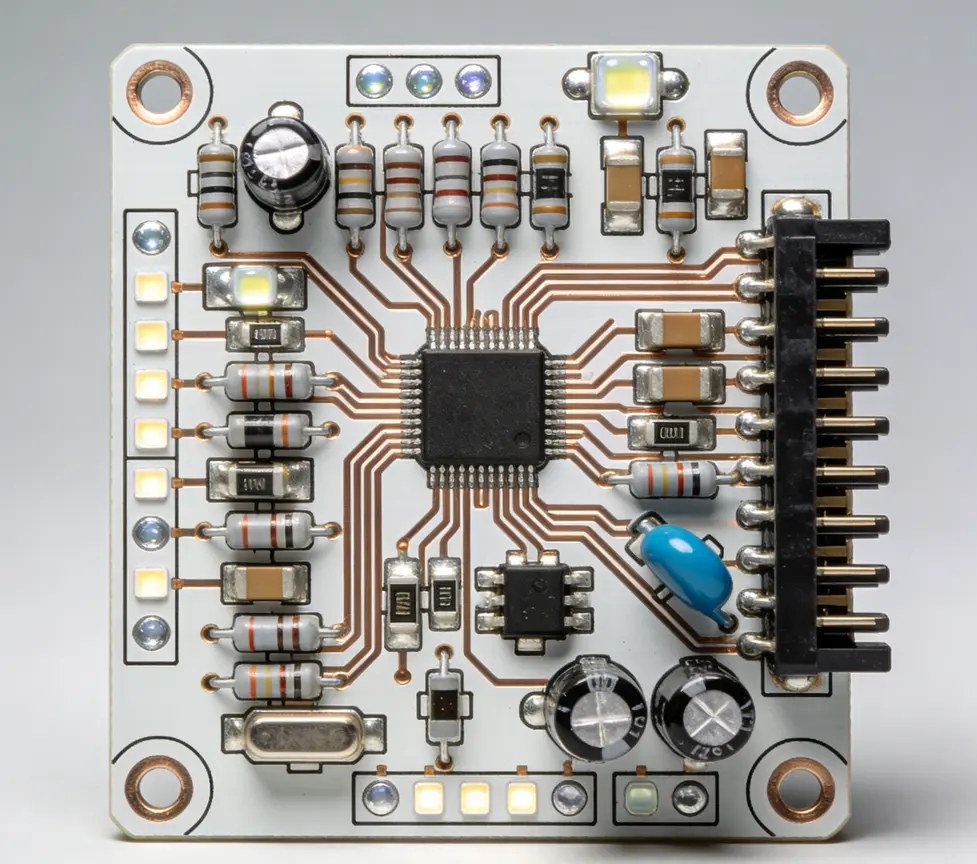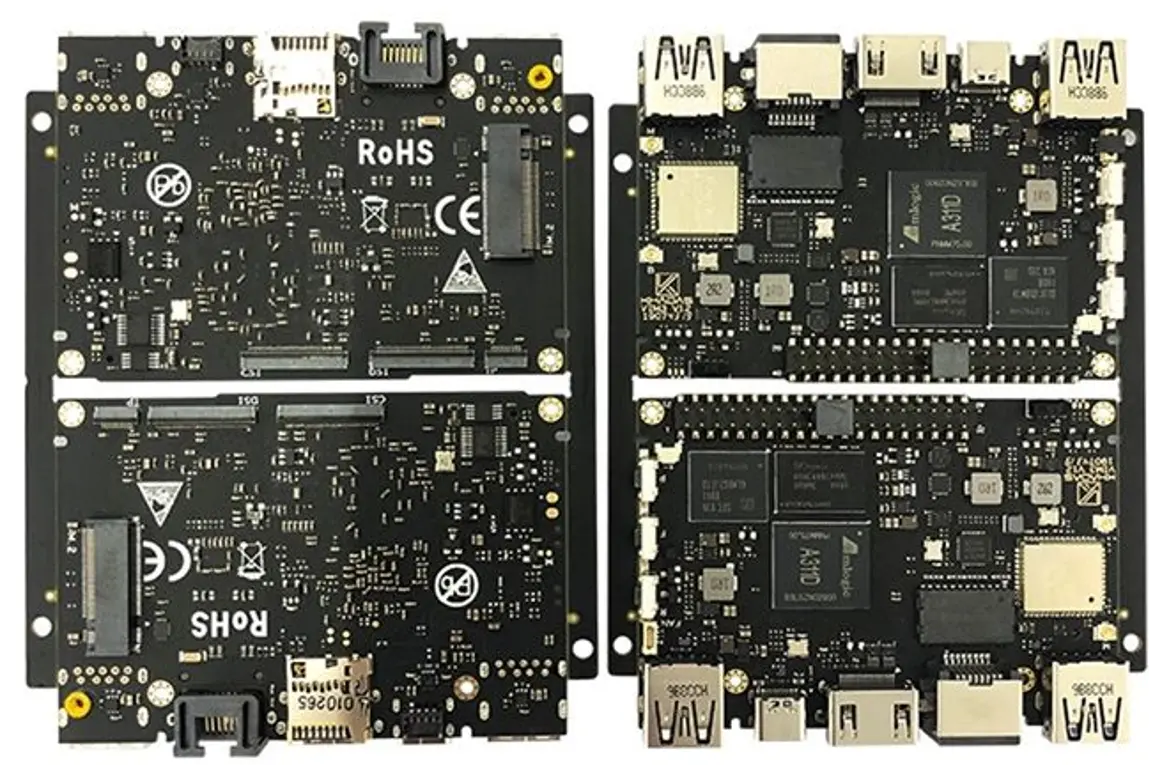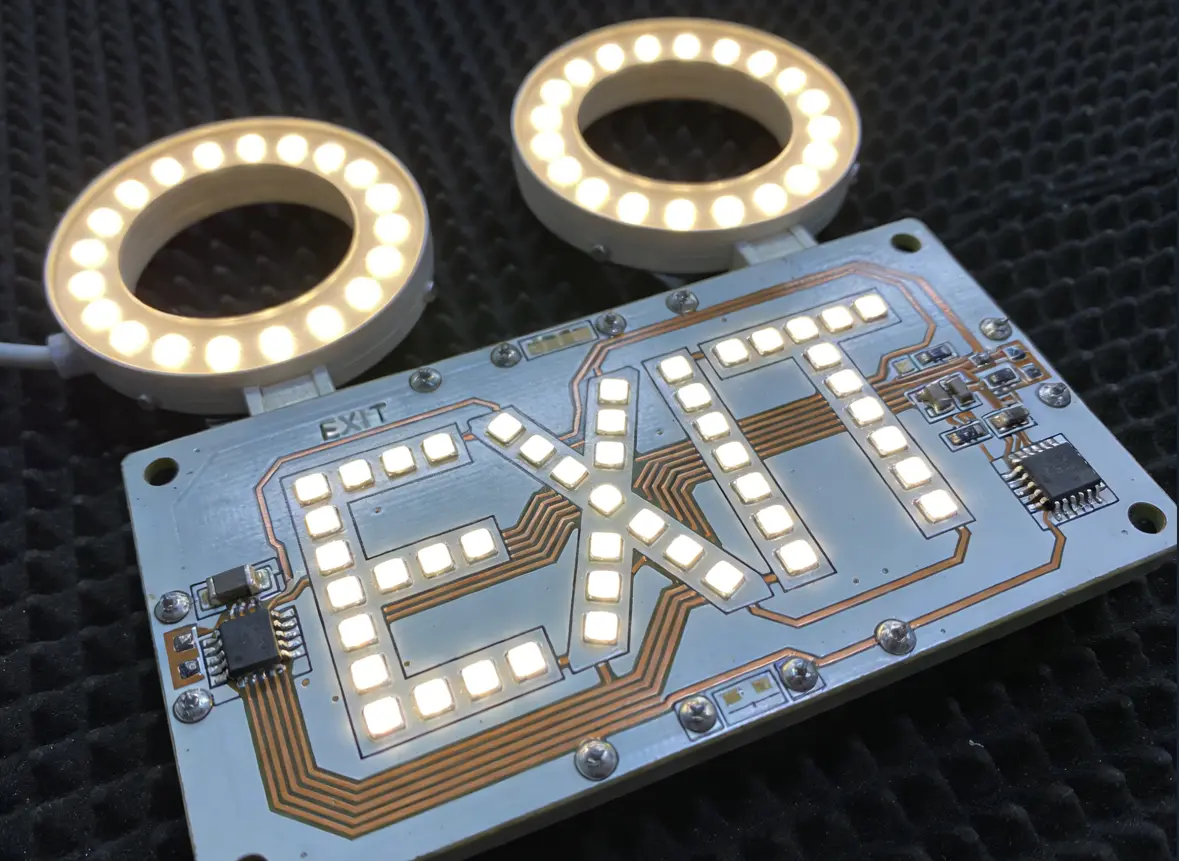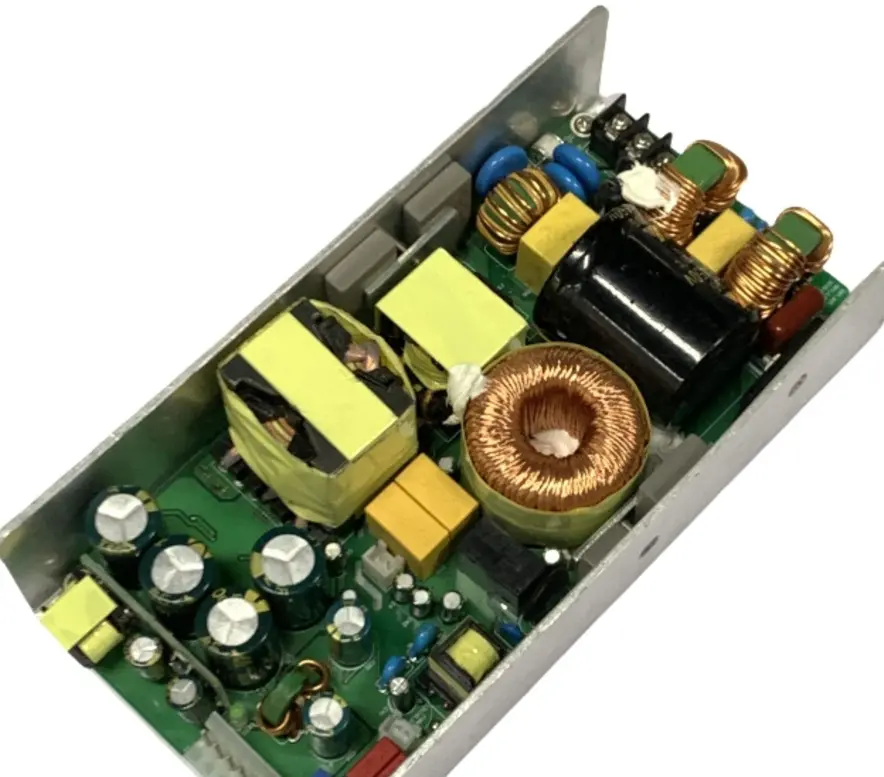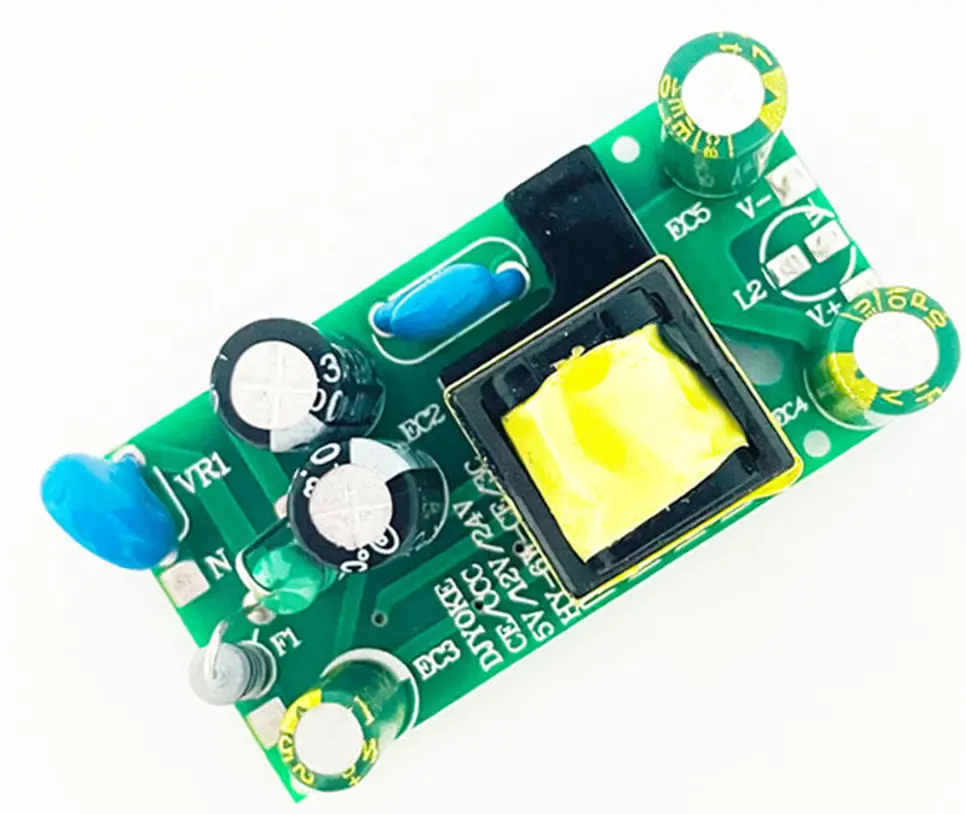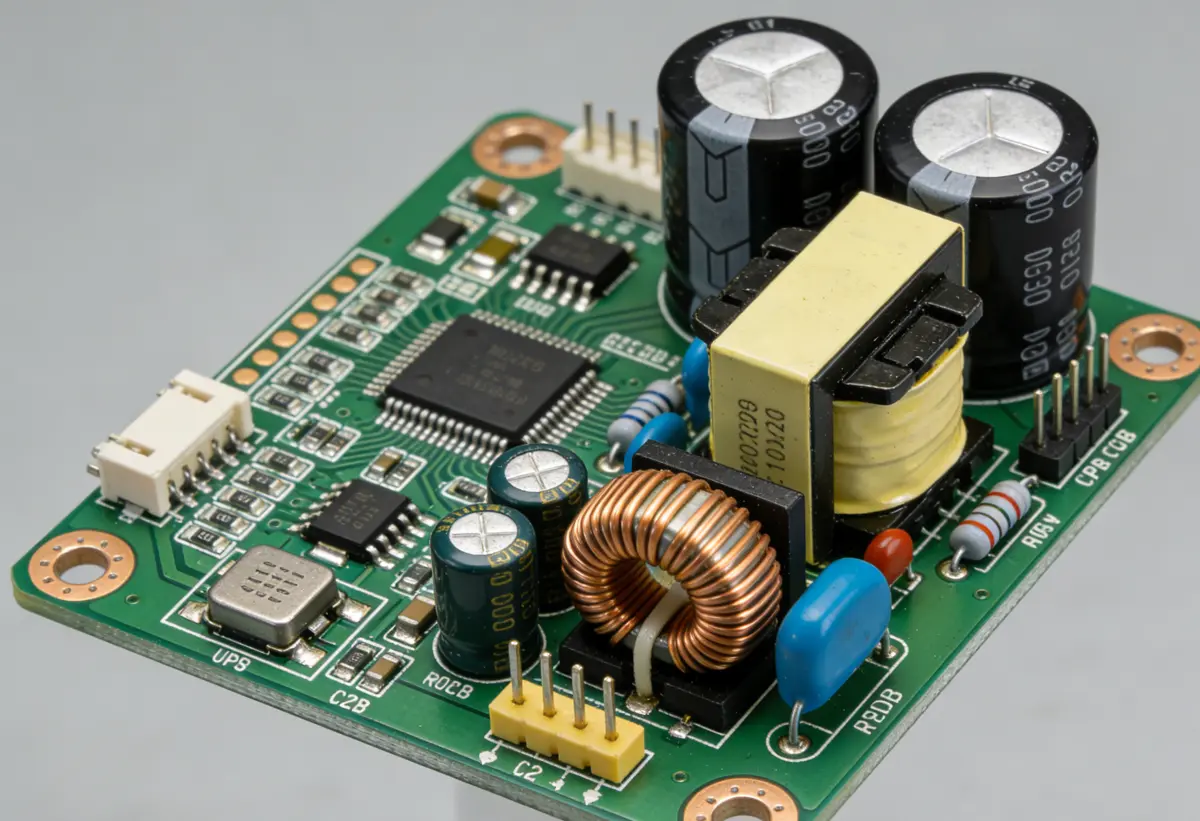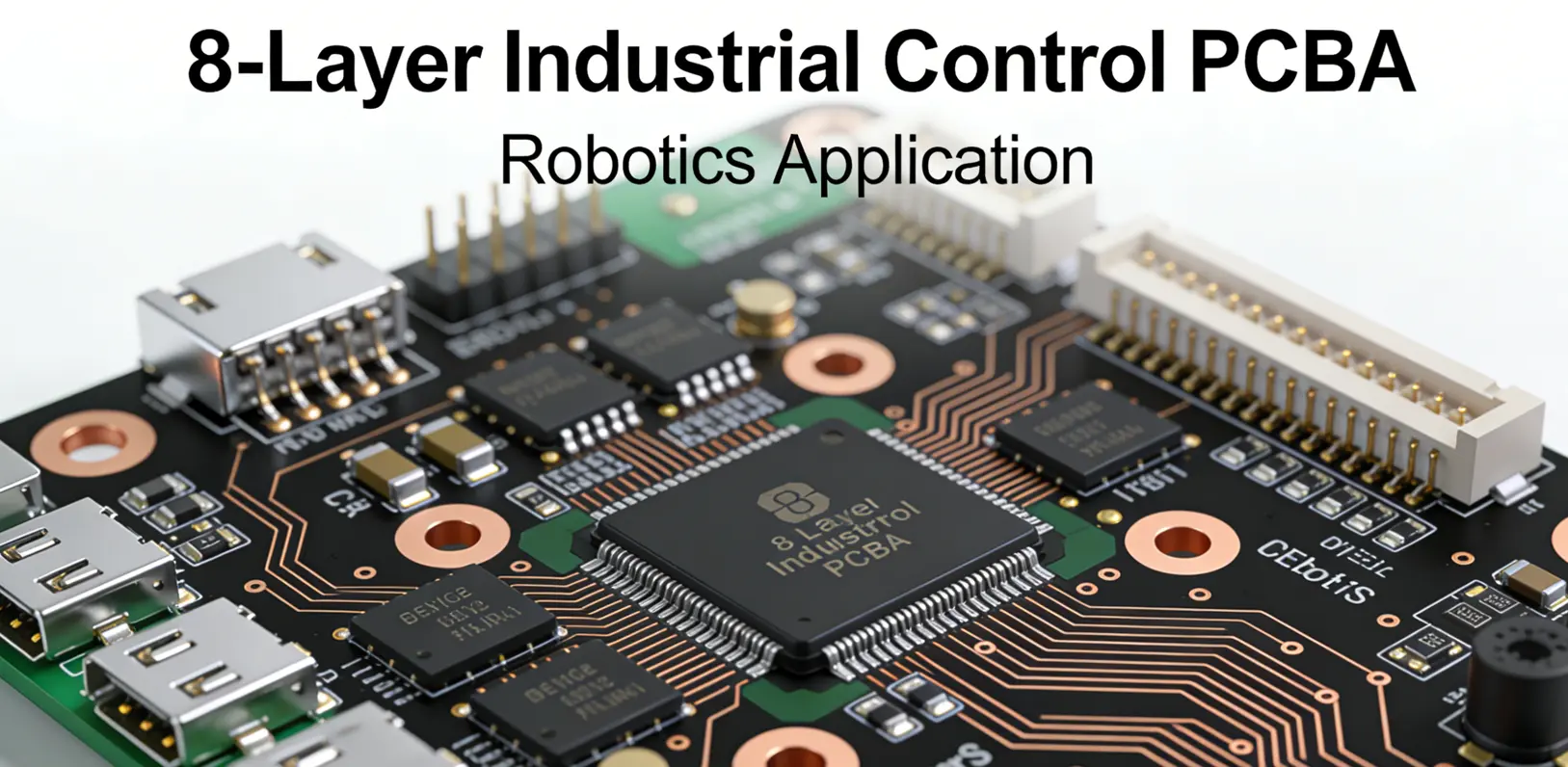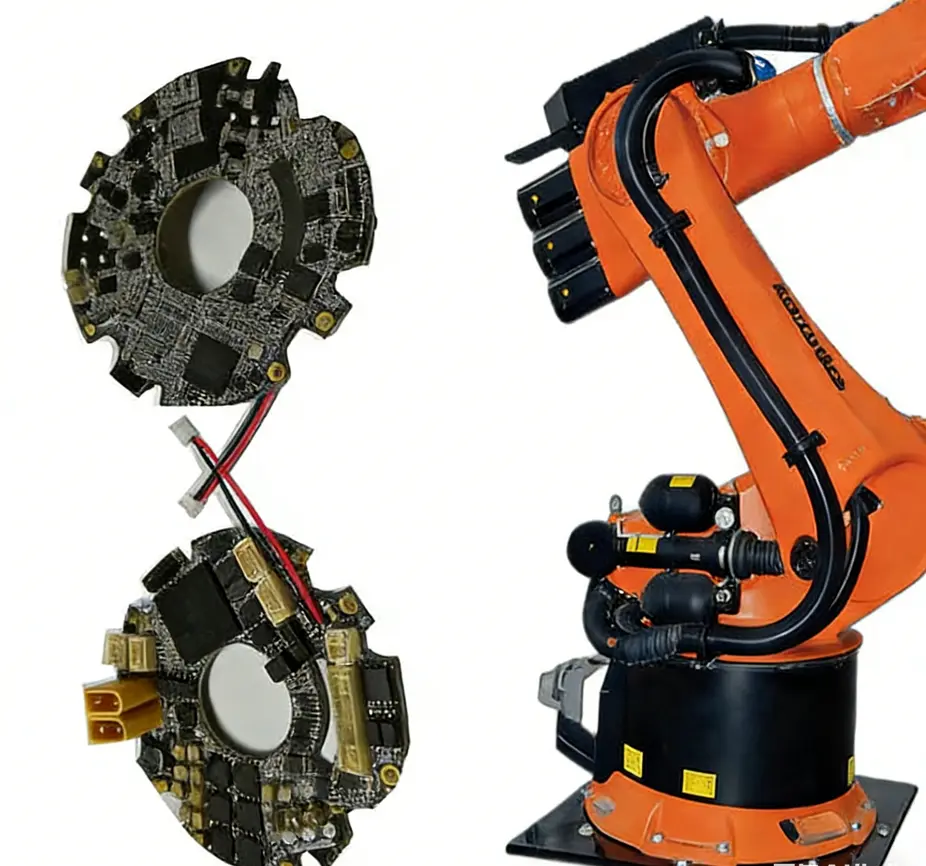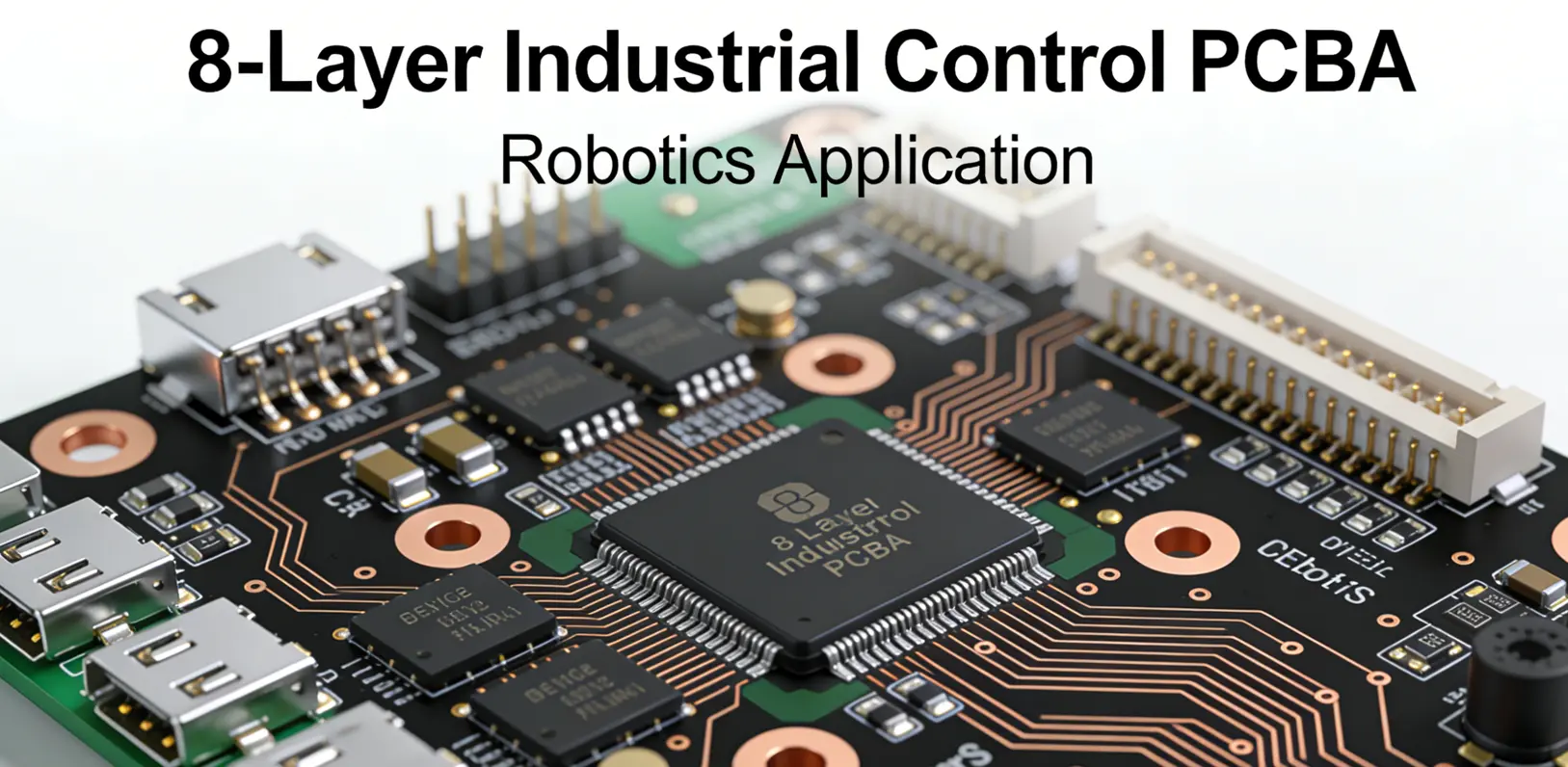
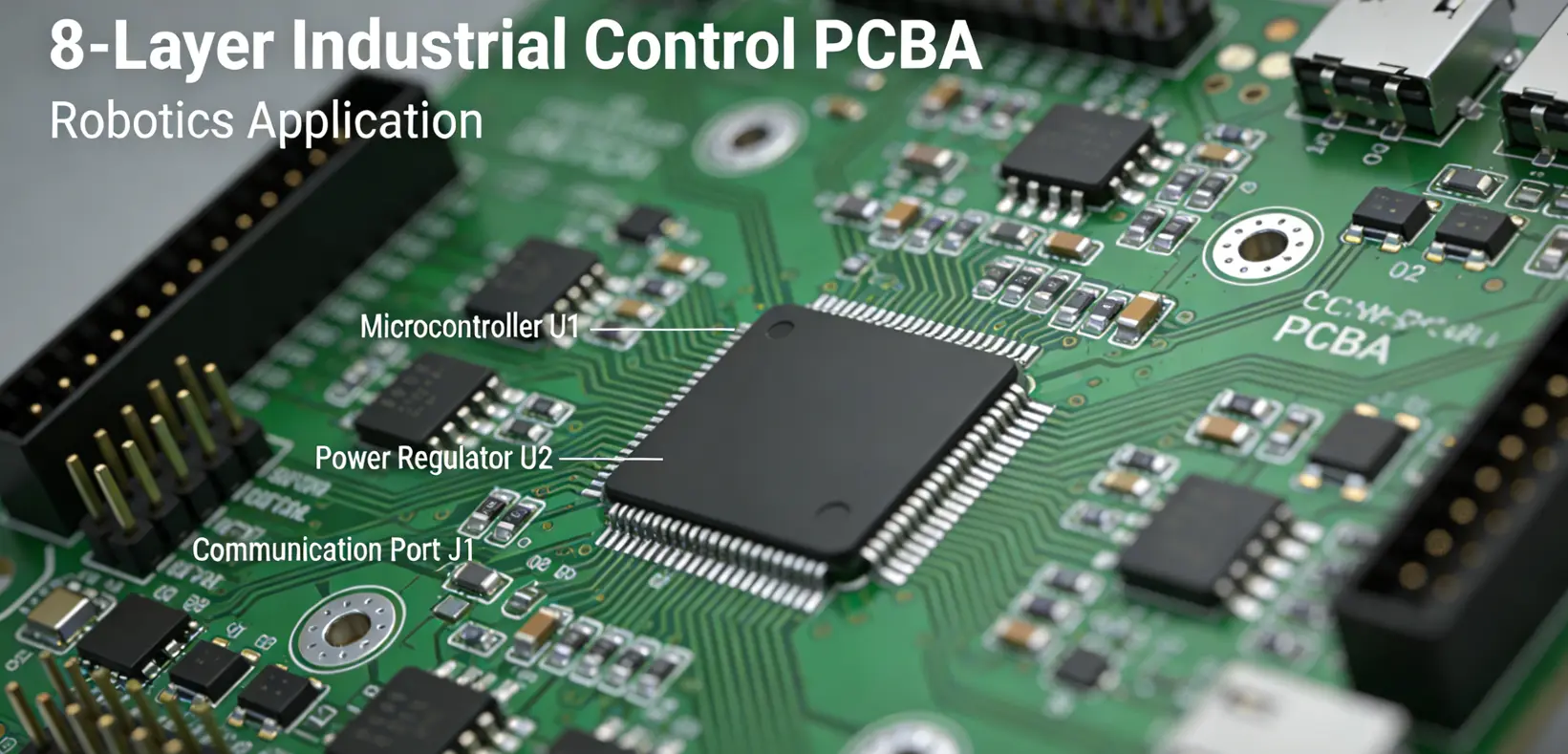
In the rapidly evolving landscape of industrial robotics, the performance, reliability, and precision of electronic components directly define operational efficiency and longevity. At the heart of every high-performance robotic system lies its printed circuit board assembly (PCBA) — and the 8 Layer Industrial Control PCBA stands out as a benchmark solution, engineered to meet the rigorous demands of robotic applications across manufacturing, logistics, and industrial automation.
Core Design & Material Engineering
The 8-layer architecture of this PCBA is meticulously optimized for robotic control systems, featuring a balanced stack-up of 4 signal layers, 2 power layers, and 2 ground layers. This layered configuration minimizes electromagnetic interference (EMI) — a critical concern in robotic systems with dense wiring and high-speed signal transmission — while ensuring stable power distribution to critical components like motor drivers, sensors, and microcontrollers.
Constructed from premium FR-4 substrate (or high Tg FR-4 with Tg ≥ 170°C for high-temperature industrial environments), the board delivers exceptional thermal stability and mechanical rigidity. With a standard thickness of 1.6mm (customizable from 1.0–2.0mm) and copper thickness graded at 1oz (35μm) for inner layers and 2oz (70μm) for outer layers (0.5–3oz customizable), it balances weight efficiency with robust current-carrying capacity — supporting up to 3.5A/mm width for 2oz copper traces at a 10°C temperature rise, ideal for power-hungry robotic actuators.
Precision Engineering for Robotic Control
Robotic systems demand uncompromising precision in signal integrity, and this 8-layer PCBA delivers with industry-leading circuit and impedance control. It supports a minimum line width/spacing of 3mil/3mil (0.075mm/0.075mm), enabling compact layout design for space-constrained robotic enclosures. Impedance control is maintained at ±10% accuracy, with configurable single-ended (50Ω/75Ω) and differential (100Ω/90Ω) impedance values to match the specific communication protocols (e.g., Ethernet/IP, CANopen) used in robotic control systems.
Advanced hole technology further elevates performance: laser-drilled blind/buried vias (minimum diameter 0.1mm, aspect ratio 1:1.2) and mechanical through-holes (minimum diameter 0.2mm) ensure reliable interlayer connectivity, while plated through-holes (PTH) achieve ≥98% coverage with no voids or cracks — critical for vibration-prone robotic applications.
Surface Finish & Component Compatibility
To accommodate the diverse component requirements of robotic PCBA, multiple surface finish options are available:
· ENIG (Electroless Nickel Immersion Gold): Ideal for high-reliability applications, with 2–5μm nickel and 0.05–0.1μm gold layers for excellent solderability and corrosion resistance.
· Lead-free HASL: Cost-effective and compatible with conformal coating for harsh industrial environments.
· OSP: Optimized for fine-pitch components like BGAs and QFNs (minimum pitch 0.4mm), supporting 0201 and 01005 micro-components.
· Immersion tin/silver: Customizable for specialized robotic use cases.
The PCBA supports mixed assembly (SMT + THT), integrating both surface-mount sensors and through-hole connectors/press-fit pins with exceptional accuracy (±0.02mm for chip components, ±0.03mm for BGAs/QFPs) — essential for consistent performance in repetitive robotic motions.
Industrial-Grade Reliability
Engineered for the harsh conditions of industrial robotics, this 8-layer PCBA meets the highest reliability standards:
· Temperature resilience: Operates from -40°C to +85°C (industrial grade) and stores from -55°C to +125°C, suitable for extreme factory floor environments.
· Environmental durability: Withstands 85% RH at 85°C for 1000 hours (no delamination/corrosion), 48 hours of salt spray (no rust), 10–2000Hz vibration (10G acceleration, 20hrs per axis), and 50G shock (11ms half-sine wave) — ensuring no solder joint failure or functional degradation during robotic operation.
· Compliance: Adheres to IPC-A-610 Class 3 (high-reliability robotics grade), RoHS 2.0, REACH, and UL 94V-0 flame retardant standards, meeting global industrial regulatory requirements.
Manufacturing Precision & Quality Control
Stringent manufacturing tolerances ensure consistency across production runs:
· Board dimension tolerance: ±0.1mm (for boards <300mm) / ±0.2mm (larger boards).
· Warpage: ≤0.75% (per IPC-TM-650 2.4.22), preventing misalignment in robotic control modules.
· Solder mask/silkscreen alignment: ±0.05mm and ±0.1mm respectively, ensuring accurate component placement and traceability.
Quality control includes automated optical inspection (AOI), X-ray inspection for BGAs/QFNs, in-circuit testing (ICT), and functional circuit testing (FCT) — guaranteeing zero-defect performance for mission-critical robotic systems.
Why 8 Layers for Robotics?
Compared to 4 or 6-layer PCBs, the 8-layer design offers unparalleled advantages for robotic control:
1. Dedicated power/ground planes reduce noise and improve signal integrity for high-speed robotic feedback loops.
2. Additional signal layers enable segregation of high-power (actuator) and low-power (sensor/control) circuits, minimizing cross-talk.
3. Enhanced thermal dissipation through layered copper, critical for continuous robotic operation.
Conclusion
The 8 Layer Industrial Control PCBA for Robotics represents the pinnacle of engineered reliability, precision, and durability for next-generation robotic systems. Its optimized layer stack-up, industrial-grade materials, and strict manufacturing standards make it the ideal choice for robotic OEMs and system integrators seeking to maximize uptime, performance, and lifespan in industrial automation applications. Whether for collaborative robots (cobots), industrial arms, or autonomous mobile robots (AMRs), this PCBA delivers the stability and precision that modern robotics demands — bridging the gap between electronic design and real-world industrial performance.
| Category | Technical Parameters |
|---|---|
| Basic Board Configuration |
• Number of Layers: 8 Layers (4 signal layers + 2 power layers + 2 ground layers) • Substrate Material: FR-4 (Standard) / High Tg FR-4 (Tg ≥ 170°C, for high-temperature scenarios) • Board Thickness: 1.6mm (Standard) / Customizable (1.0–2.0mm optional) • Copper Thickness: Inner Layers: 1oz (35μm); Outer Layers: 2oz (70μm) / Customizable (0.5–3oz) |
| Circuit & Impedance Control |
• Minimum Line Width/Spacing: 3mil/3mil (0.075mm/0.075mm) • Impedance Control Accuracy: ±10% • Typical Impedance Values: Single-ended: 50Ω/75Ω; Differential: 100Ω/90Ω (Customizable per design) • Maximum Track Current Capacity: 2oz copper: 3.5A/mm width (at 10°C temperature rise) |
| Hole Technology |
• Mechanical Through Hole: Minimum Diameter: 0.2mm; Hole Wall Copper Thickness: ≥25μm • Blind/Buried Vias: Laser-drilled; Minimum Diameter: 0.1mm; Aspect Ratio: 1:1.2 • Plated Through Hole (PTH): Coverage Rate: ≥98%; No voids or cracks |
| Surface Finish |
• Options: ENIG (Electroless Nickel Immersion Gold, 2–5μm Ni, 0.05–0.1μm Au) • HASL Lead-Free (Conformal Coating Compatible) • OSP (Organic Solderability Preservative, for fine-pitch components) • Immersion Tin/Immersion Silver (Customizable) |
| Component Assembly Capability |
• SMD Components: Support 0201, 01005 micro-components; BGA, QFP, QFN, LGA with minimum pitch 0.4mm • Through-Hole Components: Support radial/axial lead components; Press-fit pins compatible • Mixed Assembly: SMT + THT hybrid process available • Assembly Accuracy: ±0.02mm for chip components; ±0.03mm for BGA/QFP |
| Reliability & Environmental Performance |
• Operating Temperature Range: -40°C ~ +85°C (Industrial Grade) • Storage Temperature Range: -55°C ~ +125°C • Humidity Resistance: 85% RH, 85°C, 1000hrs (No delamination, no corrosion) • Vibration Resistance: 10–2000Hz, 10G acceleration, 20hrs per axis (No solder joint failure) • Shock Resistance: 50G, 11ms half-sine wave (Functional integrity maintained) • Salt Spray Resistance: 48hrs (Surface finish intact, no rust) |
| Quality & Compliance Standards |
• IPC Class: IPC-A-610 Class 2 (Commercial) / Class 3 (High-Reliability, Aerospace/Robotics Grade) • Certifications: RoHS 2.0, REACH, UL 94V-0 (Flame Retardant) • Testing Standards: AOI (Automated Optical Inspection), X-Ray Inspection (for BGA/QFN), ICT (In-Circuit Test), FCT (Functional Circuit Test) |
| Manufacturing Tolerances |
• Board Dimension Tolerance: ±0.1mm (for boards <300mm; ±0.2mm for larger boards) • Warpage: ≤0.75% (per IPC-TM-650 2.4.22) • Solder Mask Alignment Tolerance: ±0.05mm • Silkscreen Alignment Tolerance: ±0.1mm |