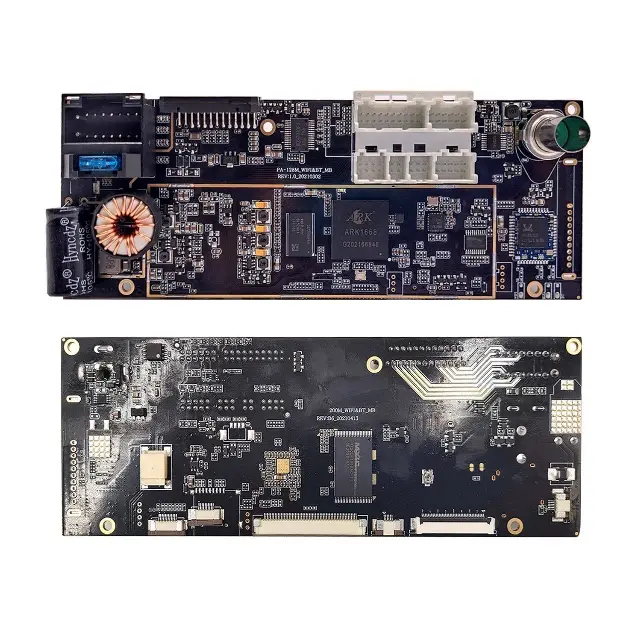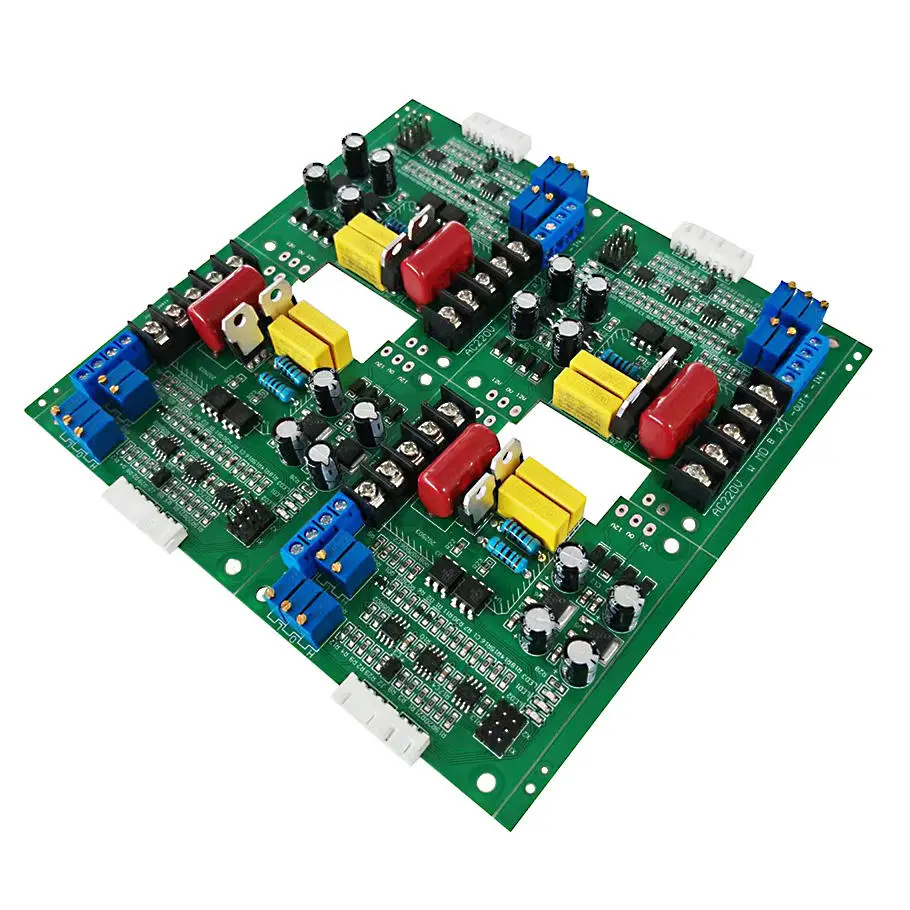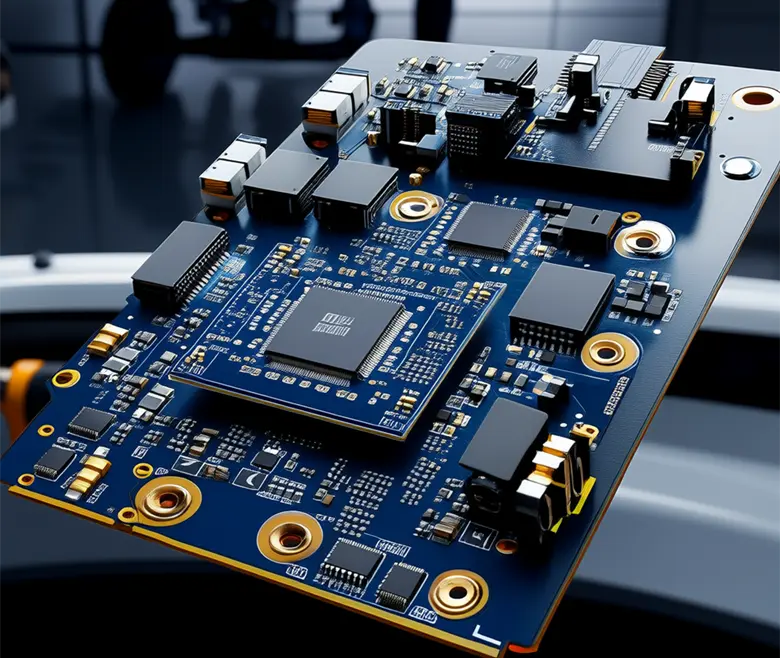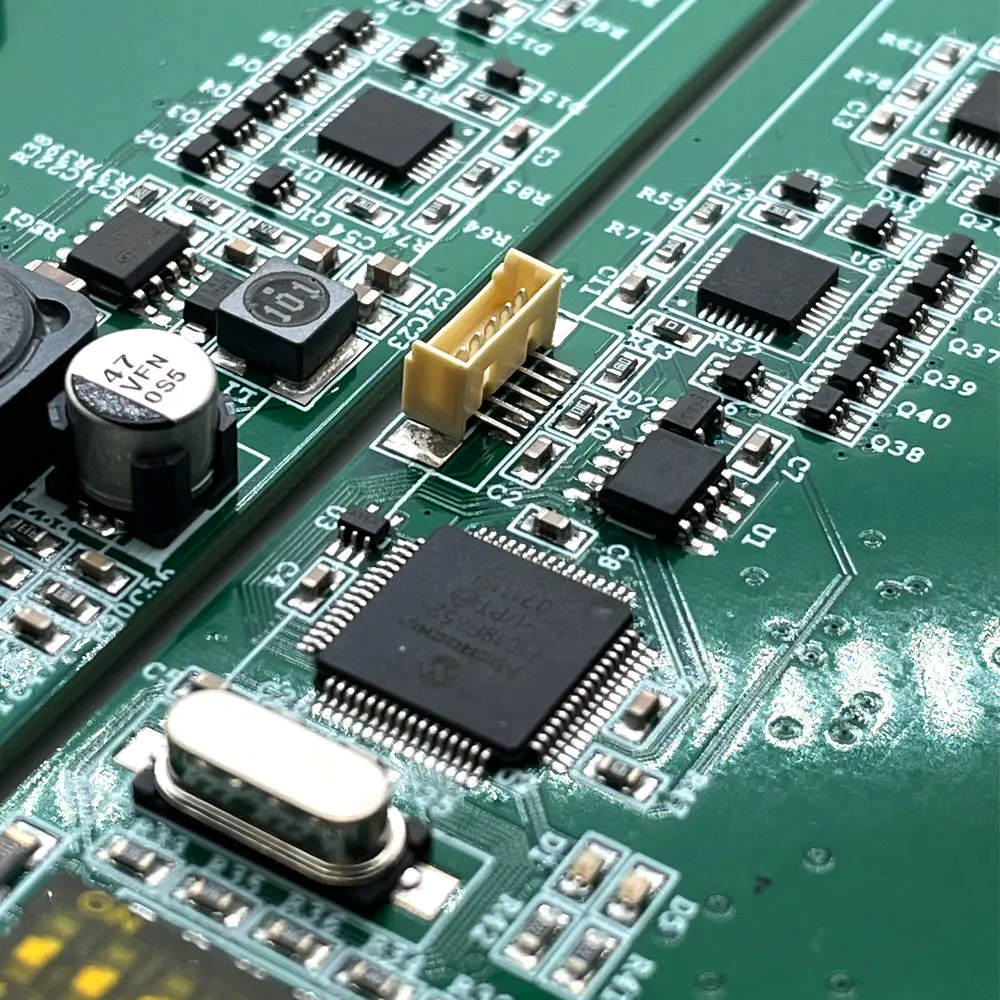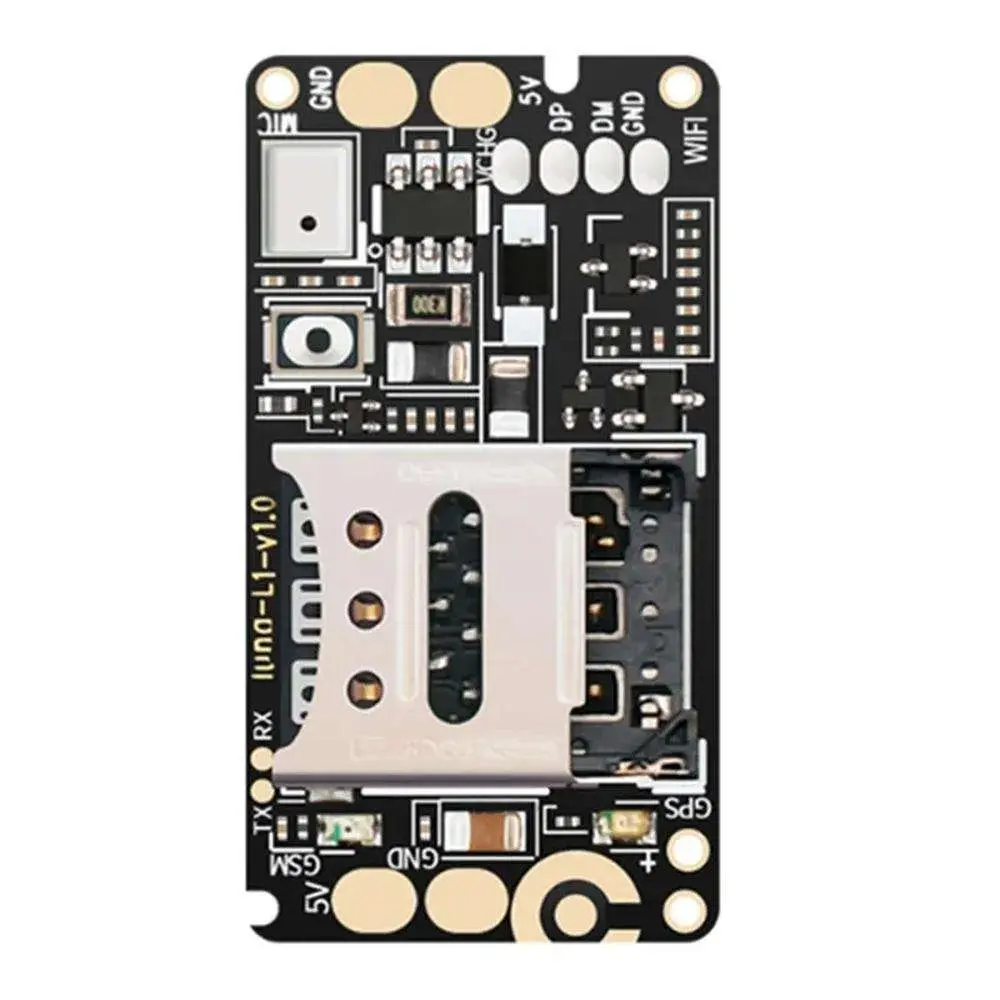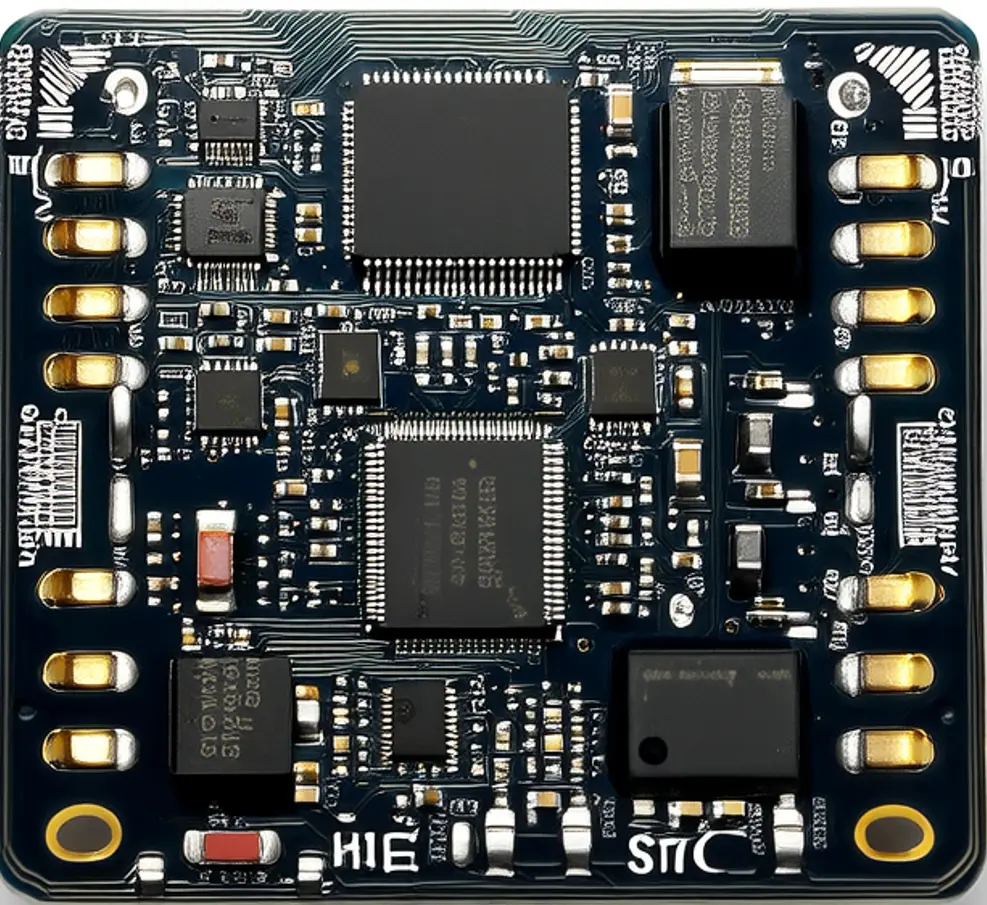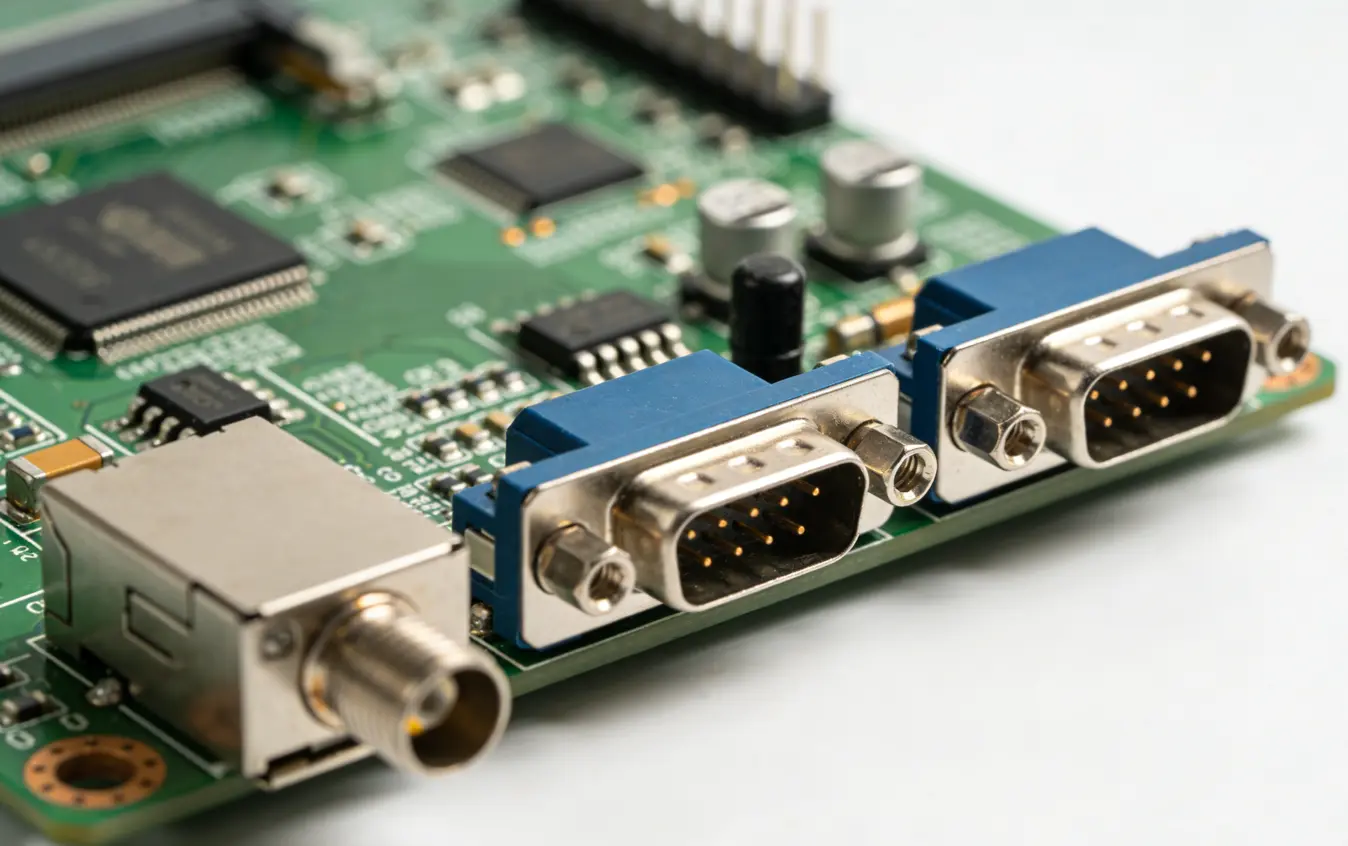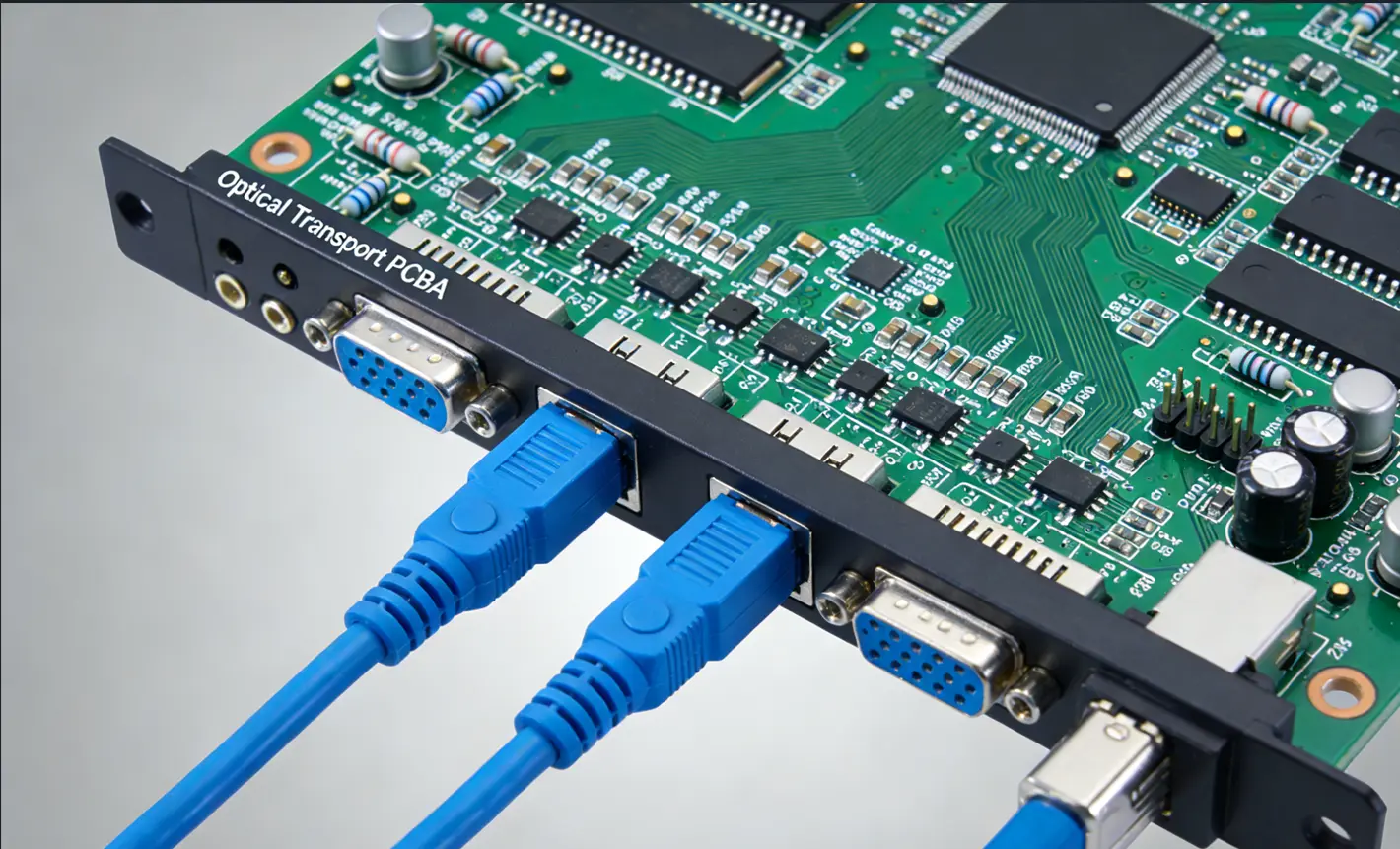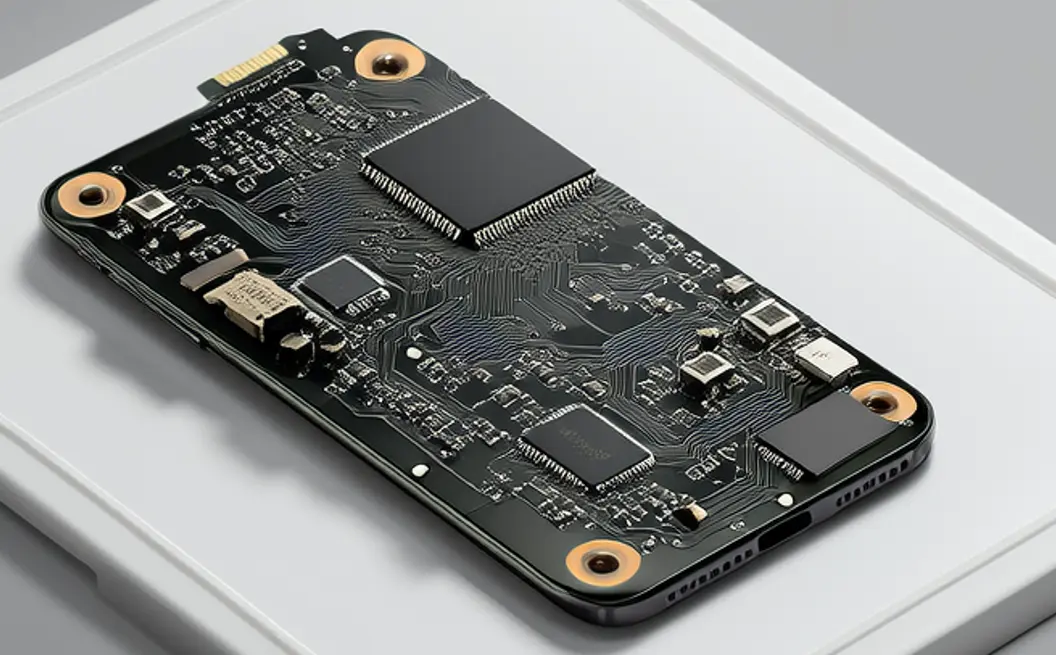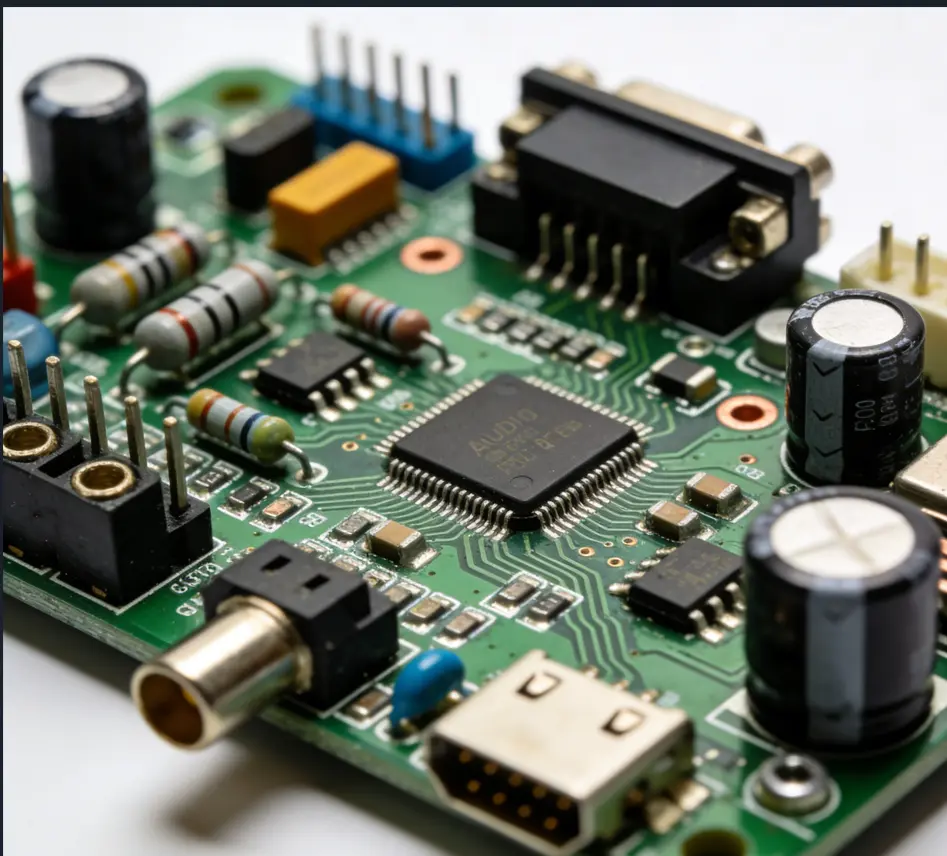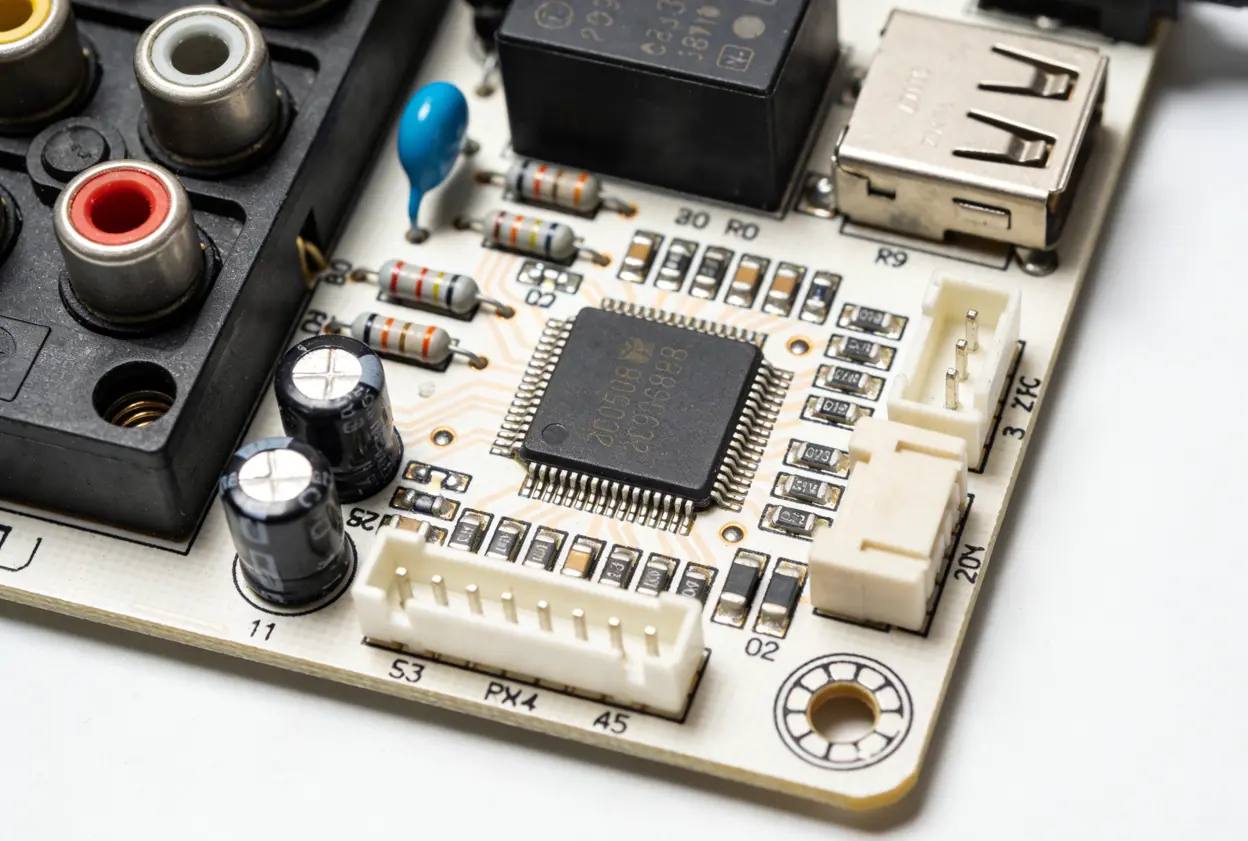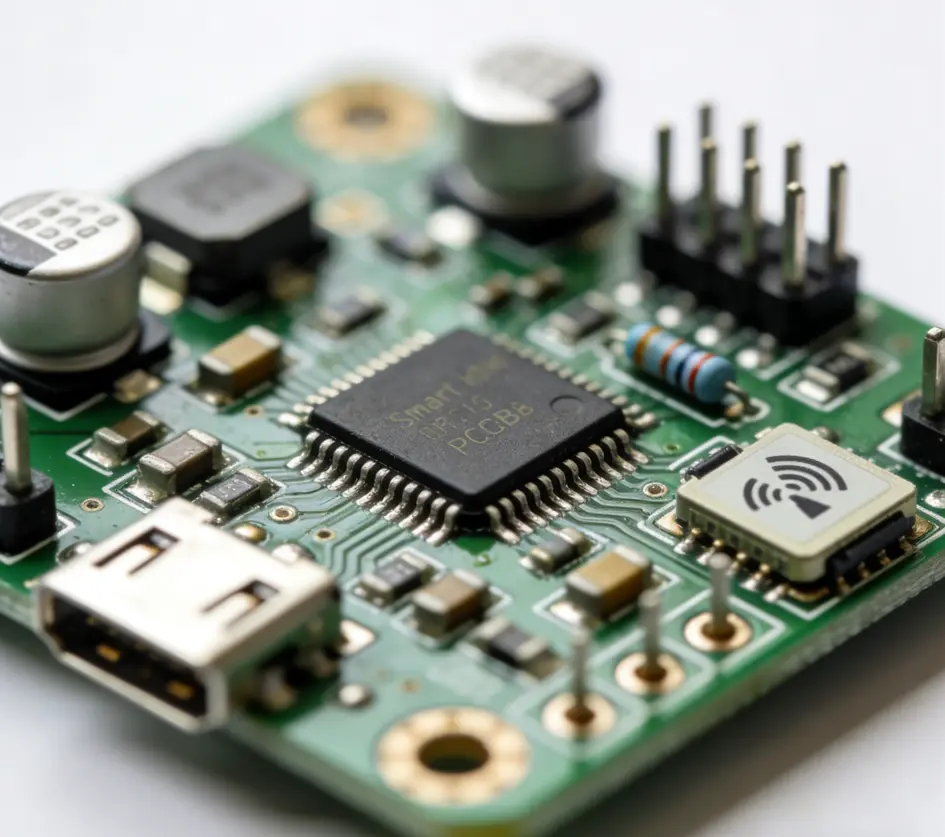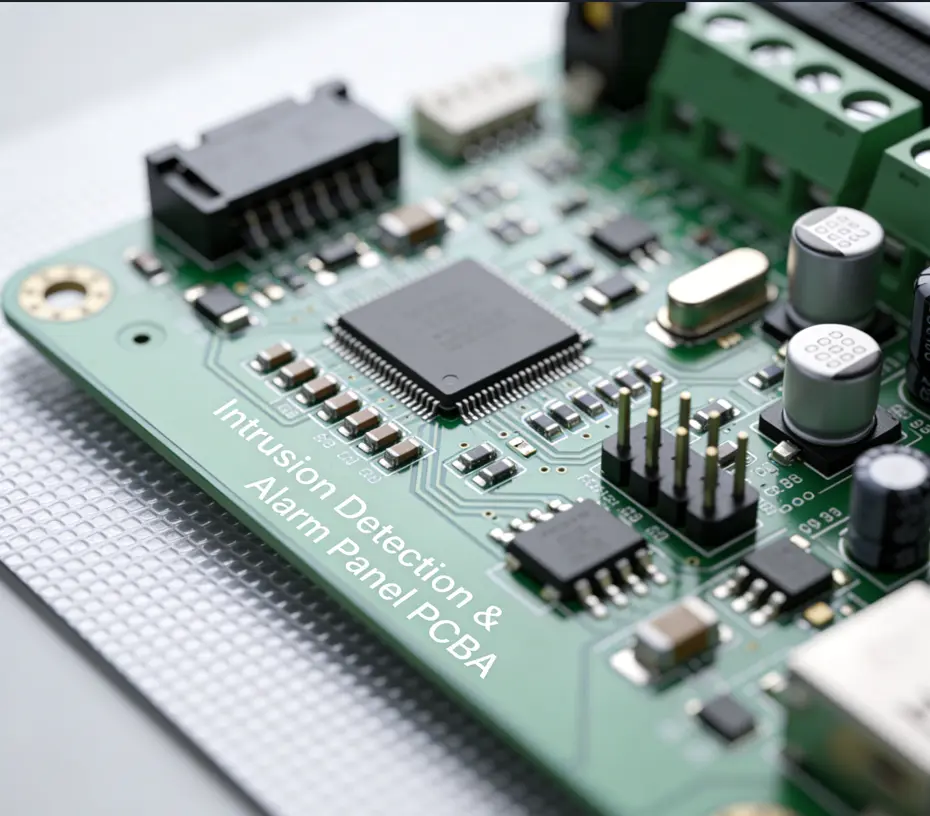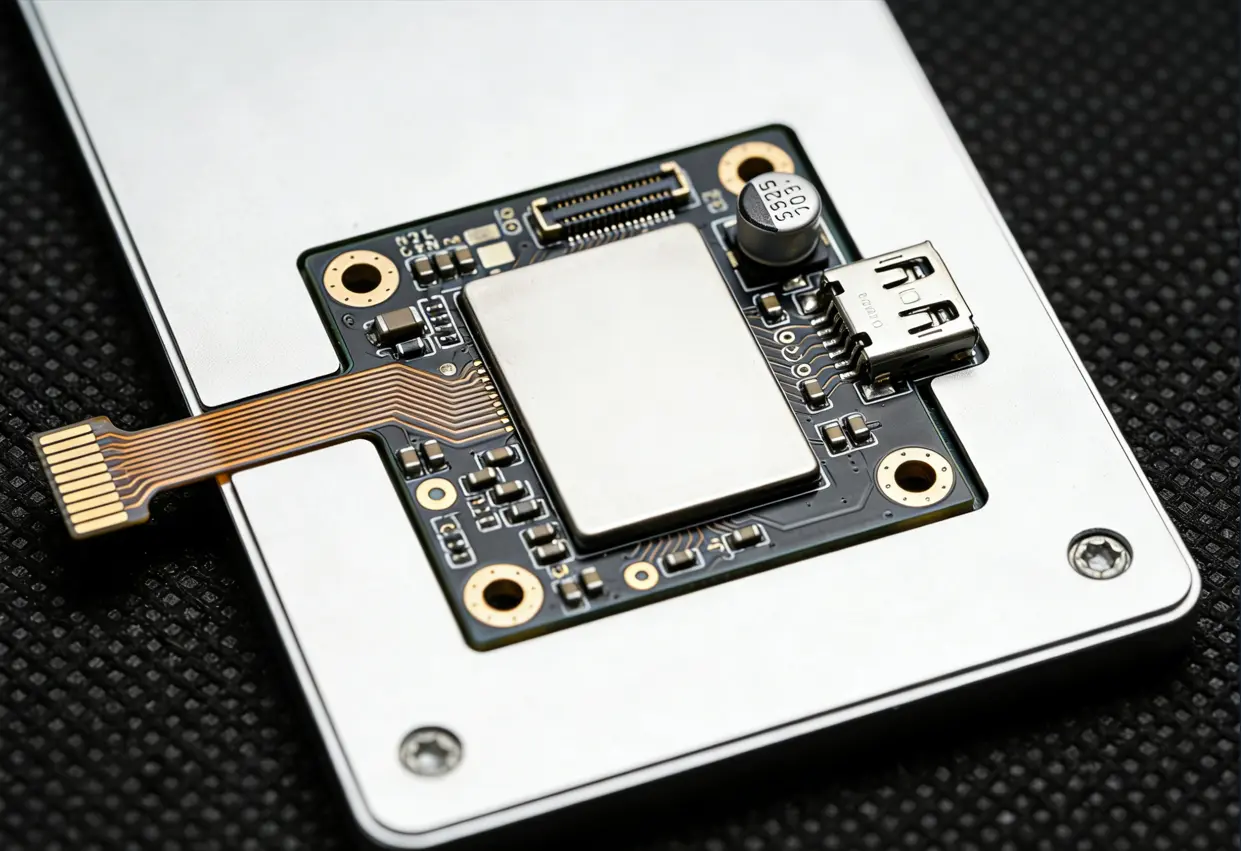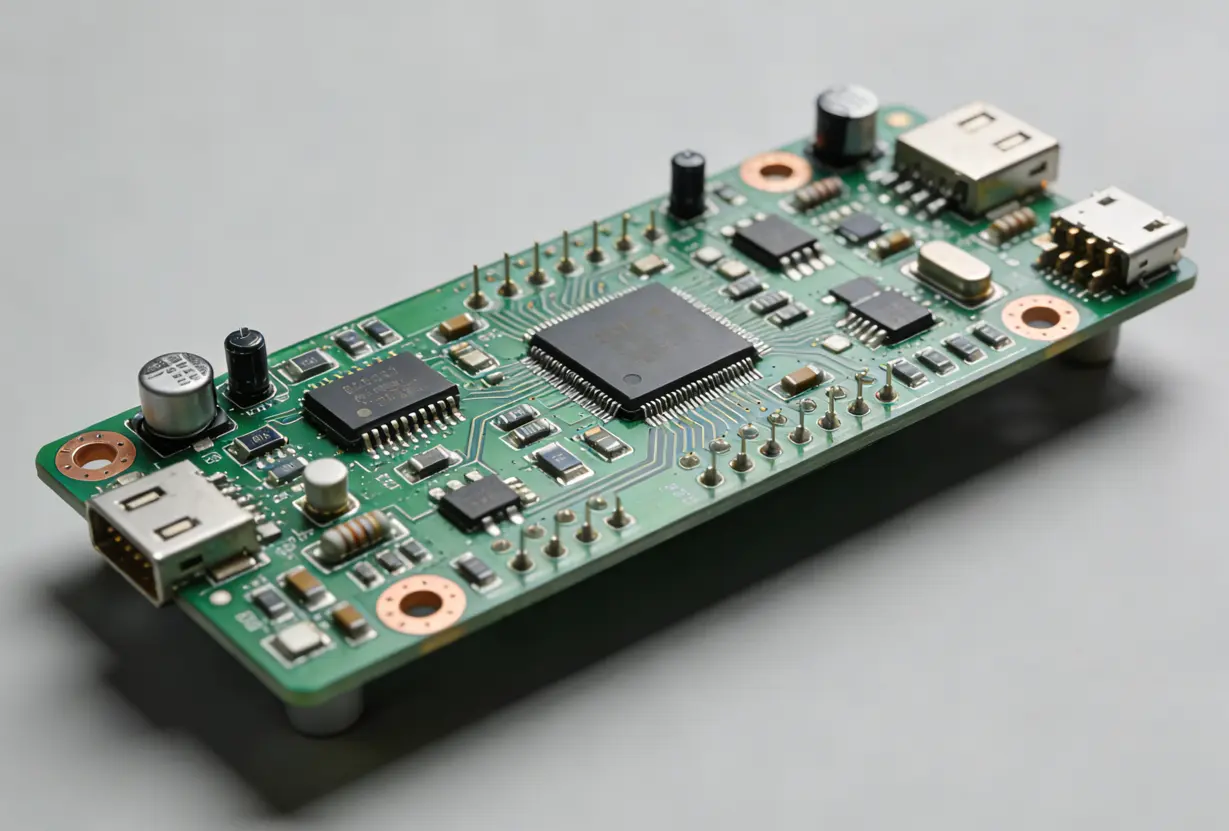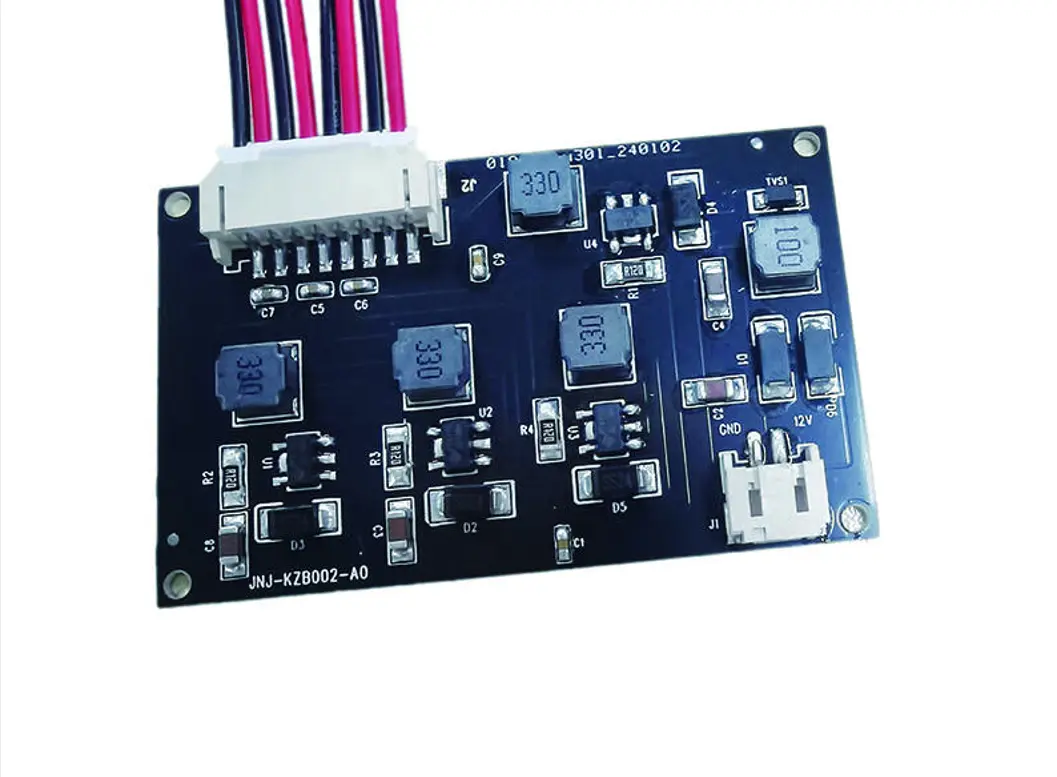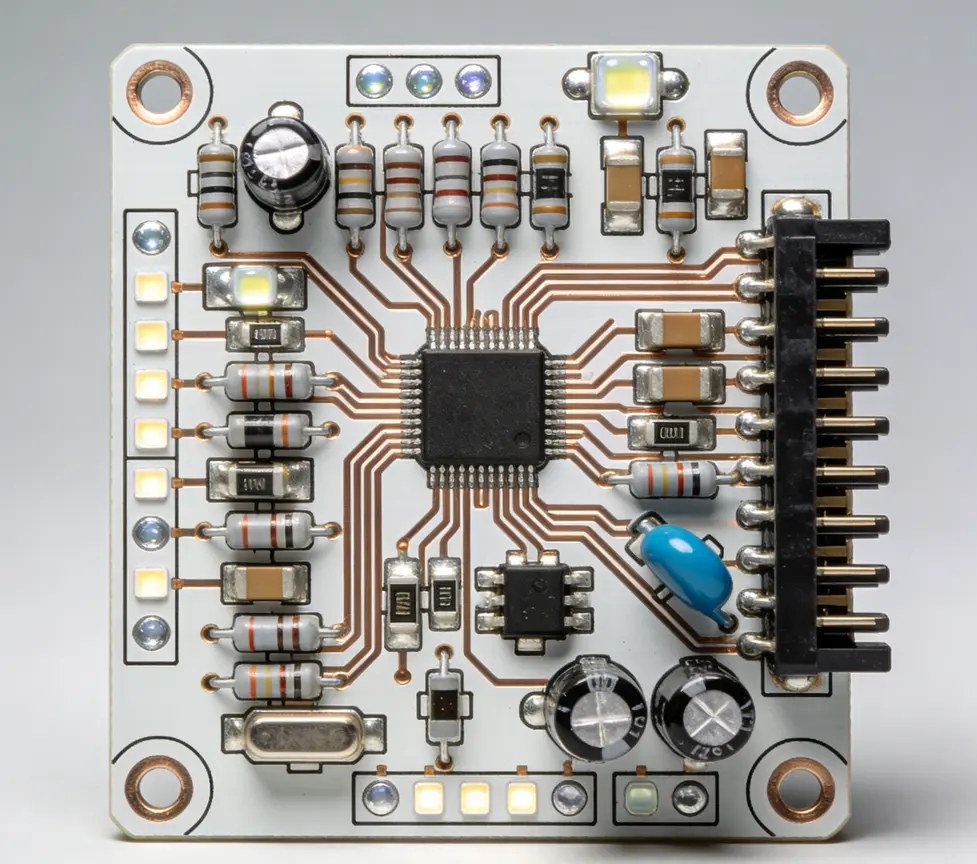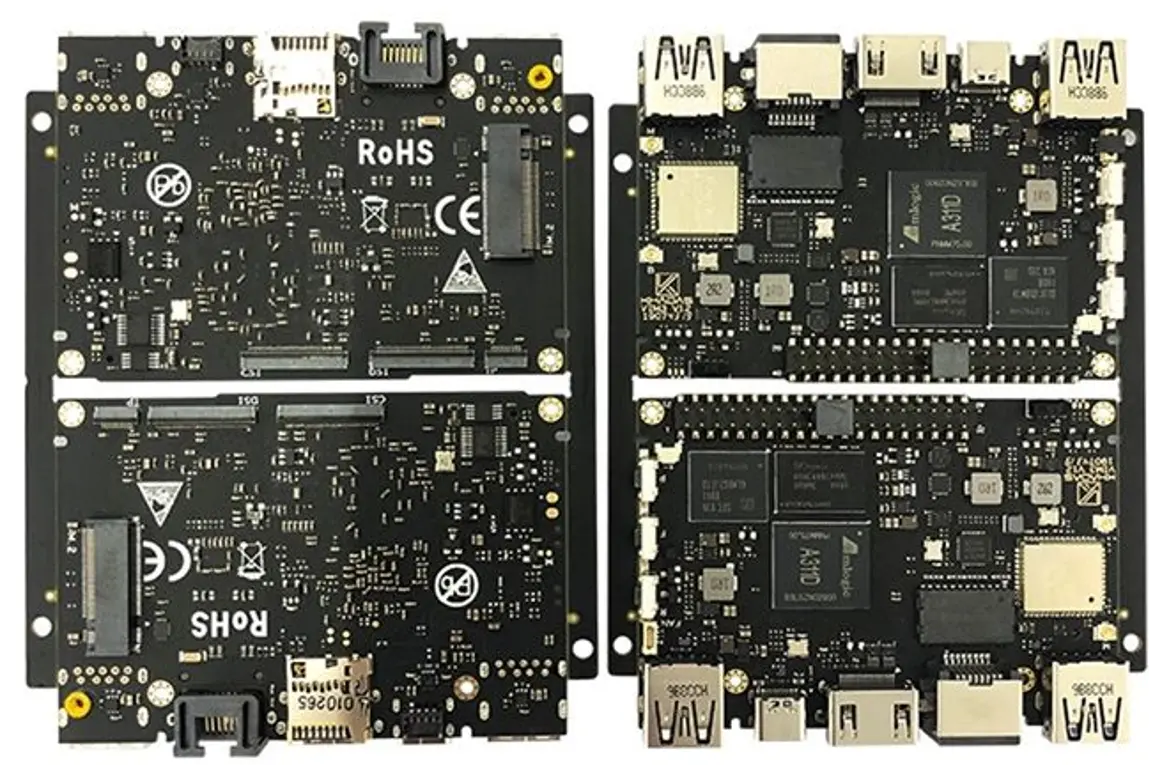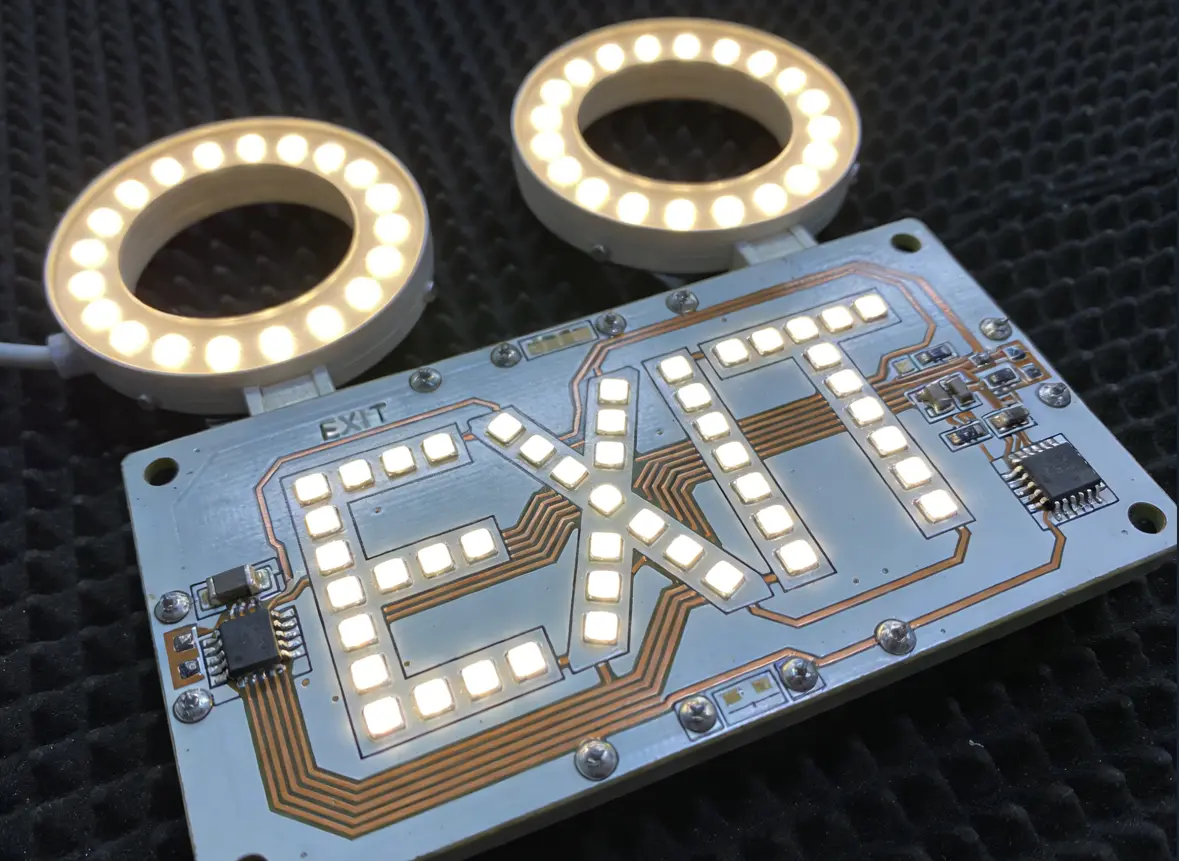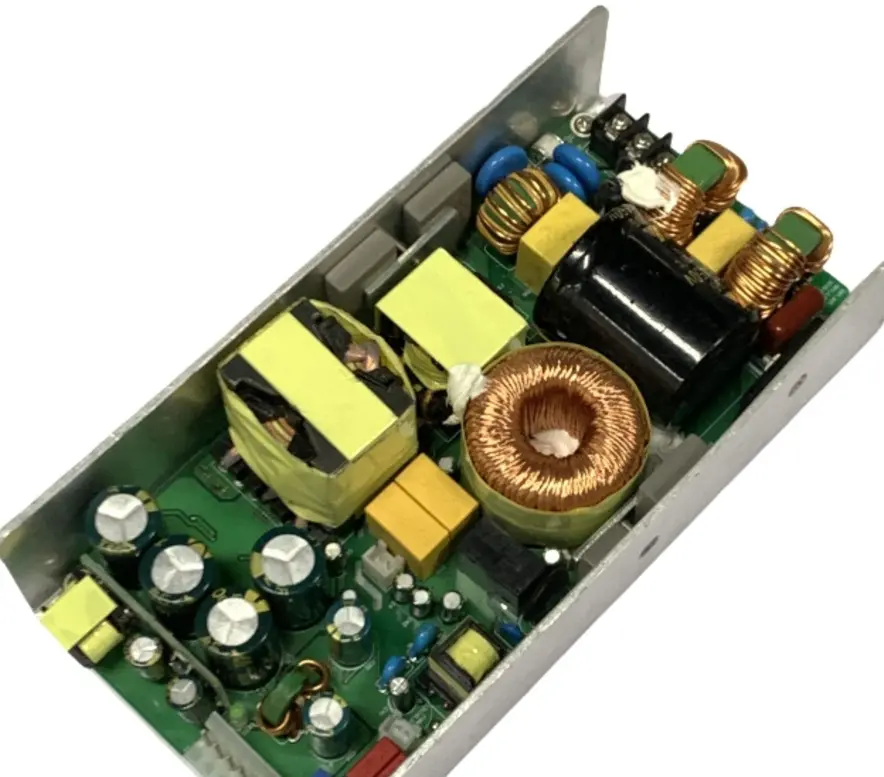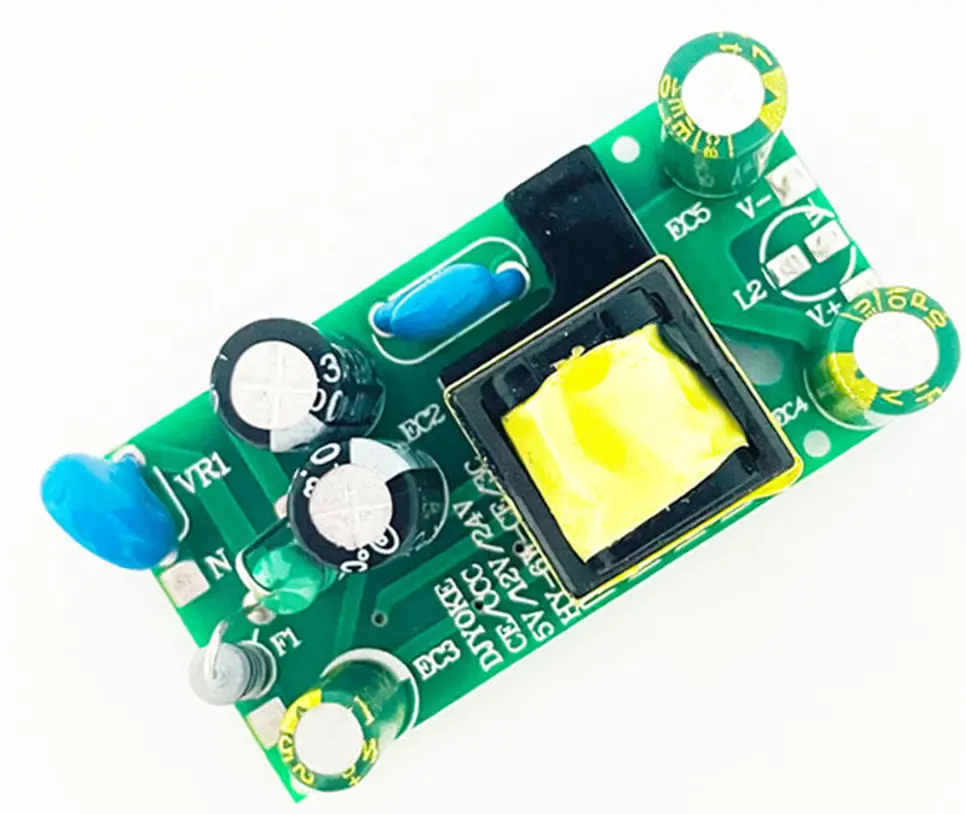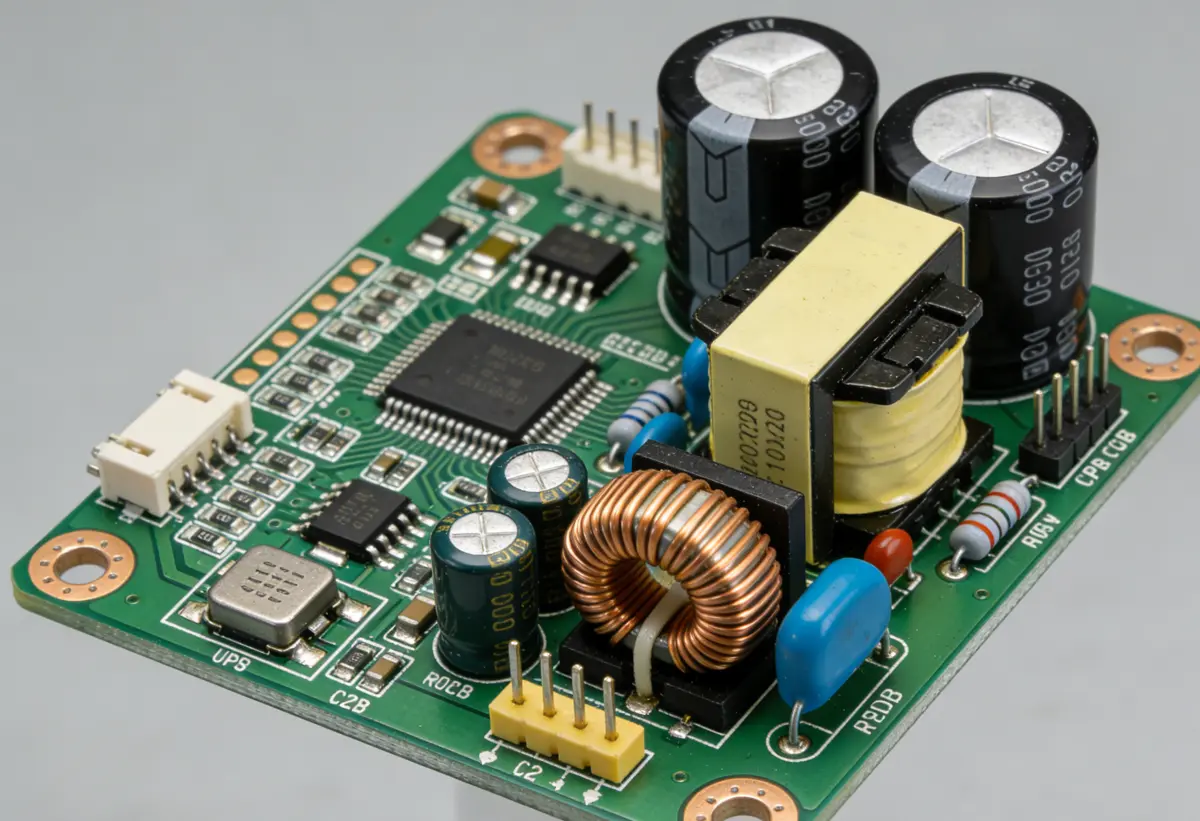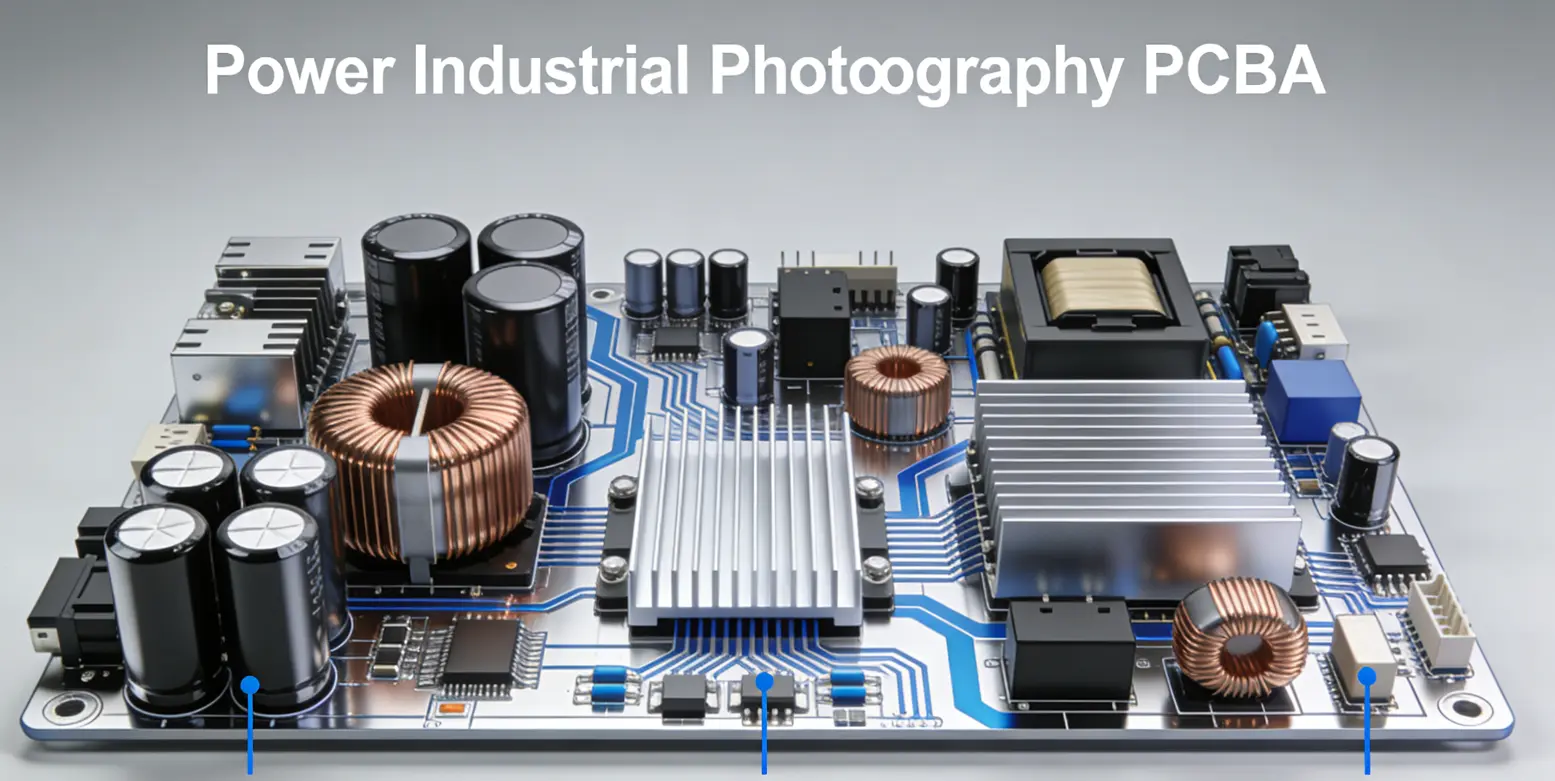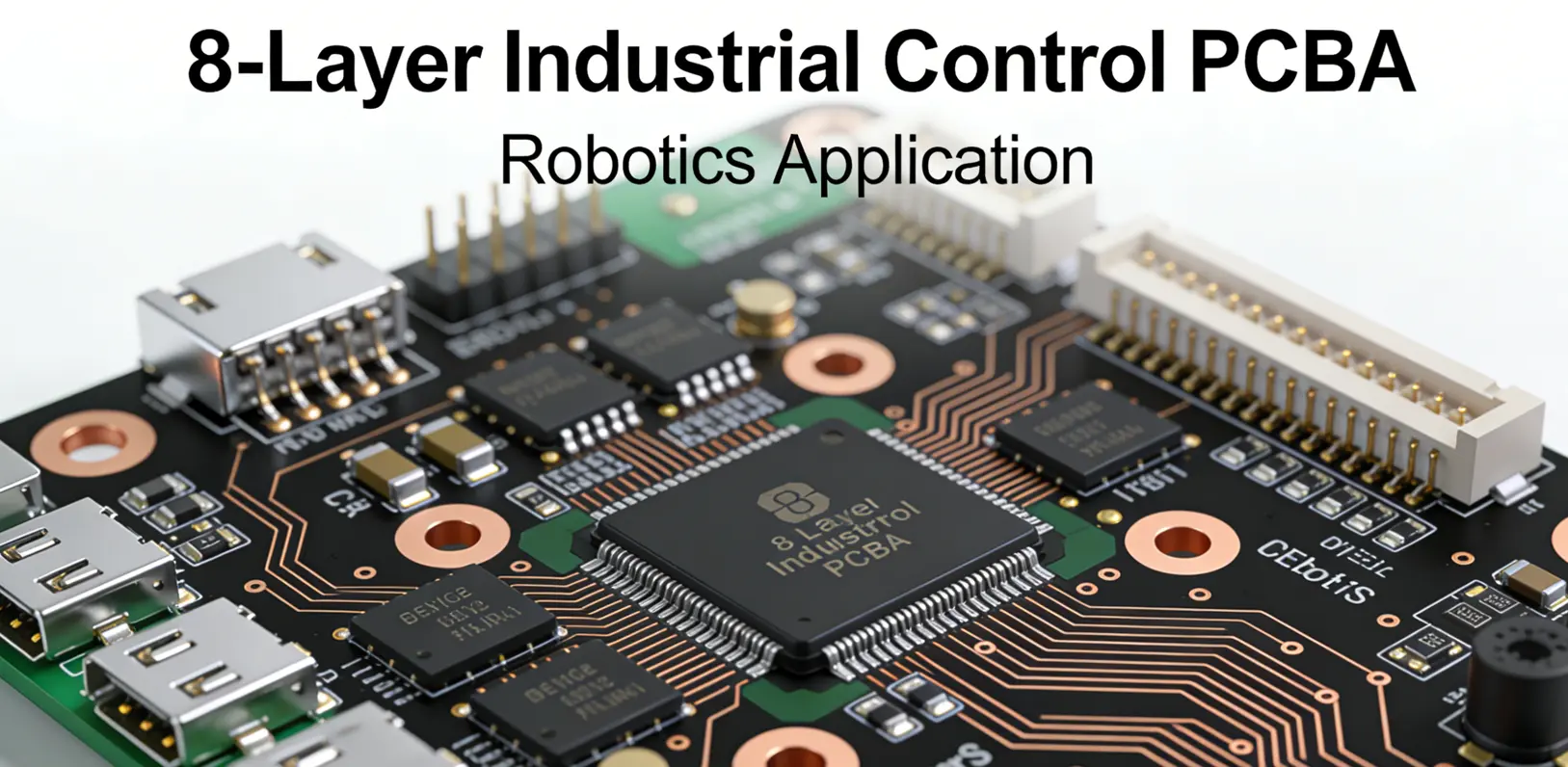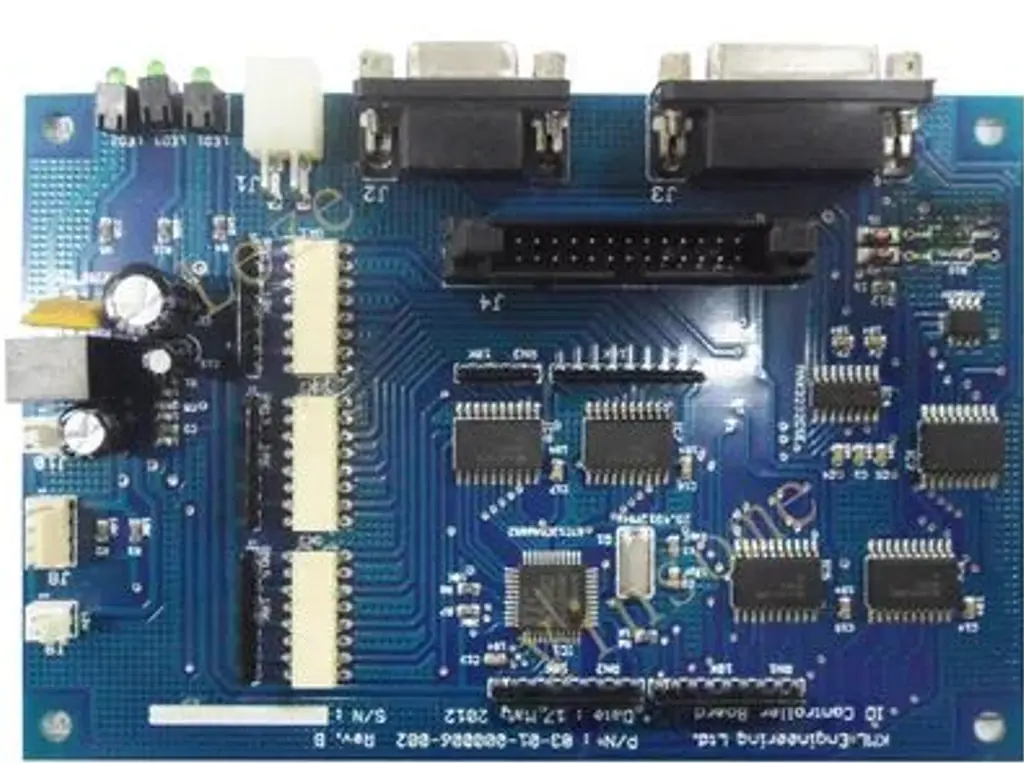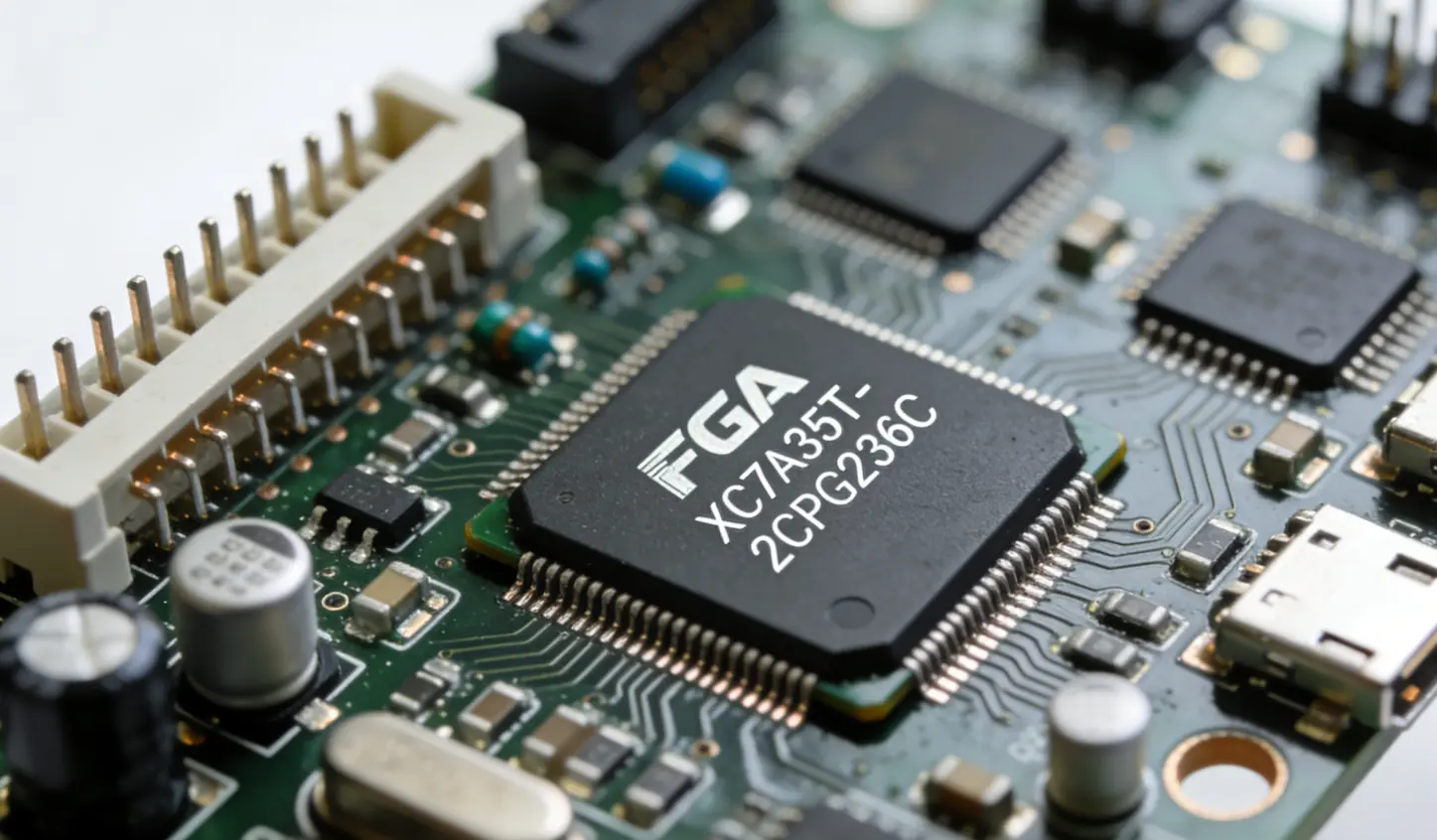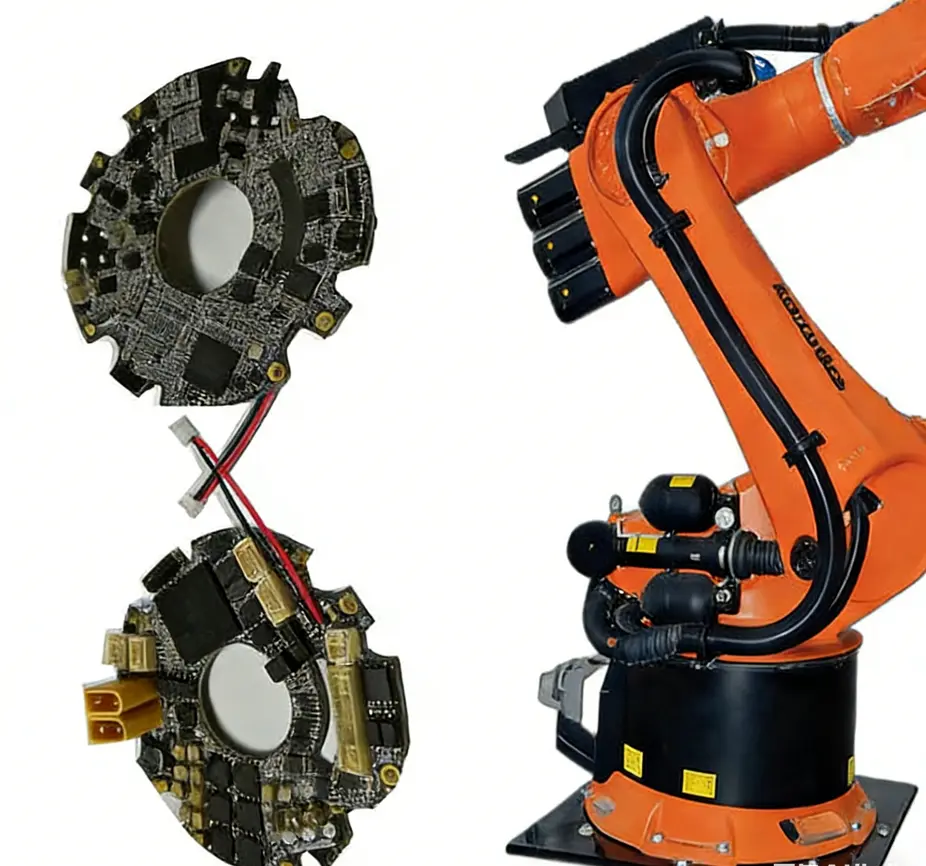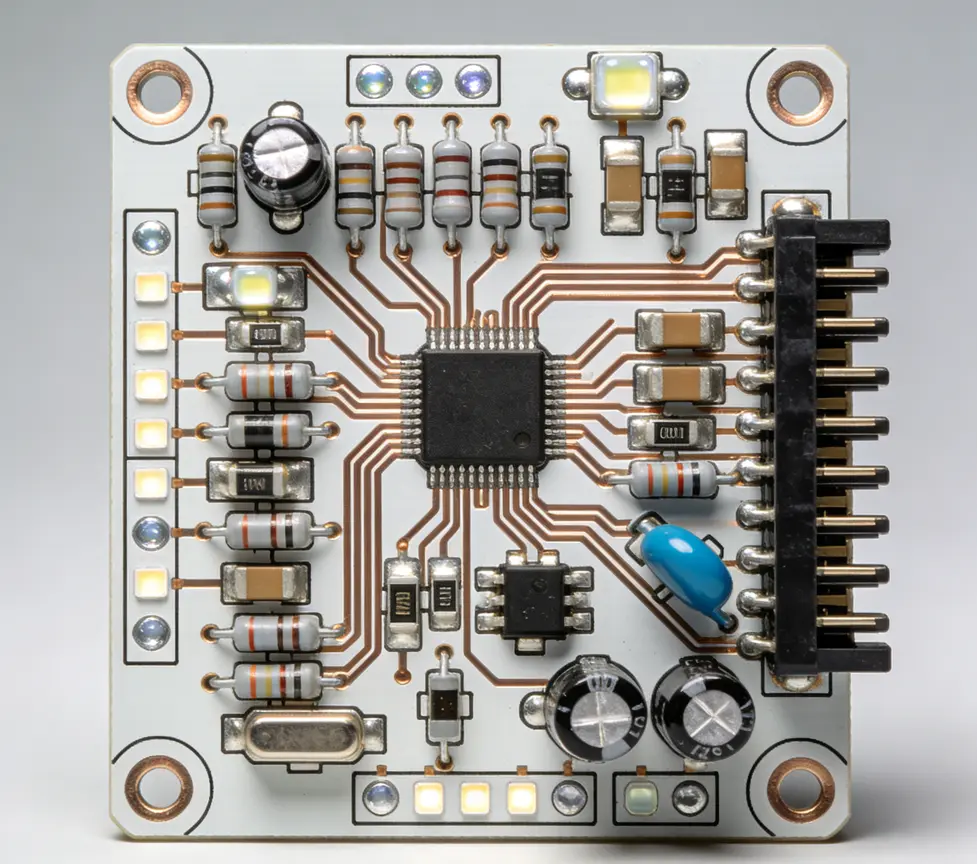
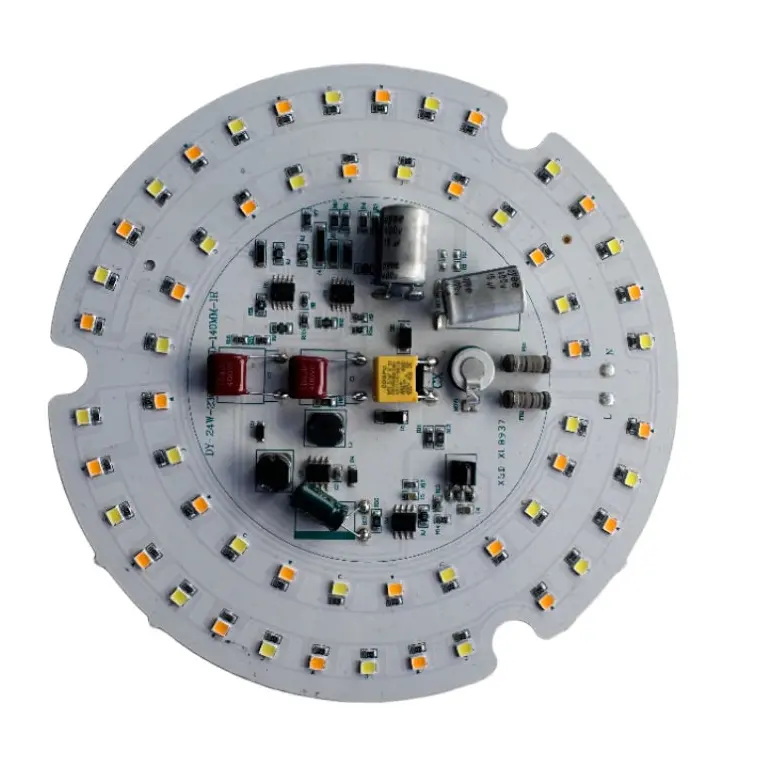
In the era of intelligent IoT (Internet of Things) applications, smart lighting systems have emerged as a pivotal component in modern buildings, homes, and industrial spaces, revolutionizing energy efficiency, user experience, and operational management. At the heart of every high-performance smart lighting system lies the Printed Circuit Board Assembly (PCBA), a sophisticated integration of electronic components and circuitry that serves as the "brain" and "nervous system" of the entire lighting setup. This article delves into the core functions, technical specifications, performance requirements, and practical significance of PCBA boards in smart lighting systems.
1. Core Roles of PCBA in Smart Lighting Systems
The PCBA board is the foundational component that enables the intelligence and functionality of smart lighting systems, undertaking multiple critical roles simultaneously. Firstly, it serves as the control hub, housing microcontrollers (MCUs) that process user commands—such as on/off switching, dimming, color temperature adjustment, and scene mode selection—transmitted via wireless communication protocols. Secondly, it manages power conversion and distribution, ensuring stable and efficient power supply to LED light sources while protecting the system from overcurrent, overvoltage, and short-circuit faults. Thirdly, it integrates sensor modules to enable adaptive lighting control, allowing the system to respond to changes in ambient light, human motion, and temperature. Finally, it facilitates seamless connectivity with IoT platforms, enabling remote control, data monitoring, and system optimization through smartphones, tablets, or cloud-based management systems.
2. Key Technical Specifications of Smart Lighting Control PCBA
The performance and reliability of a smart lighting system are directly determined by the technical parameters of its PCBA board. Below is a detailed breakdown of the critical specifications that define high-quality smart lighting PCBA:
2.1 Base PCB Fundamentals
The base PCB (Printed Circuit Board) provides the physical and electrical foundation for component assembly. The choice of PCB material depends on the application scenario: FR-4 is the standard material for most commercial smart lighting products due to its cost-effectiveness and excellent electrical insulation; aluminum-based PCBs are preferred for high-power smart lighting systems, as they offer superior thermal conductivity to dissipate heat generated by LED drivers and high-current components; ceramic PCBs are utilized in extreme high-temperature environments, such as industrial lighting, for their exceptional thermal stability and resistance to harsh conditions.
PCB thickness typically ranges from 0.8mm to 1.6mm, with customization available based on the system’s size and component density. For smart lighting control modules, 2-layer or 4-layer PCBs are commonly adopted—4-layer PCBs are ideal for complex circuits with integrated communication modules and sensors, as they provide additional routing space and reduce electromagnetic interference (EMI). Copper thickness, usually 1oz or 2oz, is selected based on current-carrying requirements, with 2oz copper suitable for high-power circuits in industrial lighting applications. Surface finishes, including lead-free HASL, ENIG, OSP, immersion tin, and immersion silver, are chosen to enhance solderability, corrosion resistance, and long-term reliability.
2.2 Component Integration
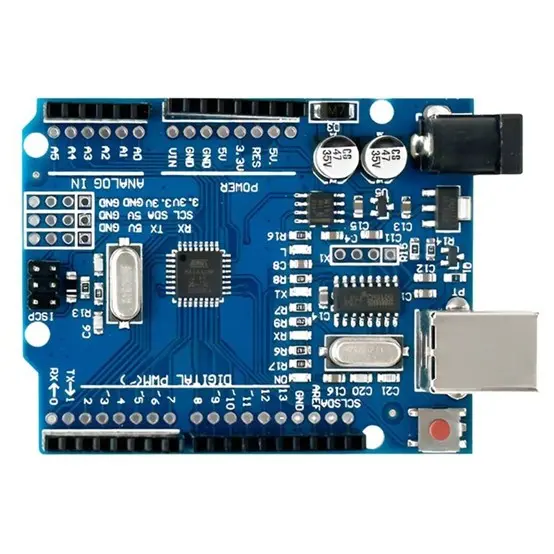
The component selection and integration on the PCBA are tailored to meet the intelligence and functionality demands of smart lighting systems. The microcontroller (MCU) is the core component, with mainstream options including ESP32/ESP8266 (equipped with Wi-Fi and Bluetooth capabilities for wireless connectivity), STM32 series (offering high processing performance for complex control algorithms), and Arduino-compatible ICs (facilitating rapid prototyping and customization). Communication modules are integrated based on application needs: Wi-Fi (802.11 b/g/n) for home and office lighting with easy smartphone connectivity, Bluetooth 5.0/BLE for low-power short-range communication, Zigbee 3.0 for multi-device mesh network setups in large spaces, and LoRa for long-distance control in industrial or outdoor lighting scenarios.
Lighting driver ICs are critical for optimizing LED performance, with PWM (Pulse Width Modulation) dimming drivers enabling 0-100% smooth dimming without flicker, 0-10V analog dimming ICs for compatibility with traditional control systems, and DALI protocol-compatible drivers for professional lighting projects requiring centralized management. Sensor components, such as ambient light sensors (BH1750, TSL2561), motion sensors (HC-SR501), and temperature sensors (DS18B20), enable the system to adjust lighting automatically—for example, dimming lights when ambient light is sufficient or turning on lights when human motion is detected. Power management ICs, including AC-DC converters (supporting universal 100-240V AC input and converting to 5V/12V DC output) and DC-DC buck/boost ICs, ensure stable power supply, while passive components (resistors, capacitors, inductors) are selected for precision and EMI suppression: SMD resistors (0402/0603/0805 size, 1% tolerance), MLCC and tantalum capacitors, and power inductors for filtering and noise reduction.
2.3 Performance and Reliability Parameters
Smart lighting PCBA boards must meet strict performance standards to ensure consistent operation. The operating voltage range typically supports universal AC 100-240V input for global compatibility, with module working voltages of 5V/12V/24V DC. Maximum load current can reach up to 10A, enabling the PCBA to drive high-power LED lighting systems in industrial or commercial settings. The dimming range of 0-100% smooth dimming ensures comfortable user experience, while a response time of ≤100ms guarantees instant execution of control commands.
Environmental and reliability parameters are equally important for long-term use. Commercial-grade PCBA boards operate within a temperature range of -20°C to +60°C, while industrial-grade options can withstand -40°C to +85°C, making them suitable for harsh environments. Storage temperature ranges from -40°C to +125°C, and the board must resist humidity of 10% to 90% RH (non-condensing) to avoid moisture damage. The Mean Time Between Failures (MTBF) is ≥50,000 hours under normal operating conditions, ensuring long-term reliability. Additionally, all PCBA boards must comply with RoHS 2.0 standards, restricting hazardous substances to meet environmental regulations. For outdoor applications, optional conformal coating (UV-curable or acrylic) enhances moisture and corrosion resistance, enabling an IP65 rating, while indoor systems typically maintain an IP20 rating.
2.4 Manufacturing Standards
High-quality PCBA manufacturing is governed by strict industry standards to ensure consistency and reliability. Assembly follows IPC-A-610 Class 2 standards for commercial electronics, with Class 3 available for industrial or medical-grade lighting systems requiring higher precision and durability. The soldering process combines Surface Mount Technology (SMT) for compact component placement and Through-Hole Technology (THT) for connectors and high-power components, ensuring strong mechanical stability and electrical connectivity. Optional conformal coating further protects the board from dust, moisture, and chemical corrosion, extending its service life in harsh operating environments.
3. Applications and Advantages of PCBA in Smart Lighting
Smart lighting PCBA boards are widely applied across residential, commercial, industrial, and outdoor scenarios. In homes, they enable smart bulbs, strip lights, and ceiling lights to integrate with smart home ecosystems, supporting voice control (via Alexa, Google Assistant) and customized scene modes (e.g., reading, sleeping, party). In commercial spaces such as offices, malls, and hotels, PCBA-driven lighting systems optimize energy efficiency by adjusting brightness based on occupancy and natural light, reducing electricity consumption by up to 50% compared to traditional lighting. In industrial settings, rugged PCBA boards with industrial-grade specifications power high-power LED lighting, supporting remote monitoring and maintenance to minimize downtime. Outdoor applications, such as street lights and landscape lighting, benefit from weather-resistant PCBA designs, enabling solar-powered integration and intelligent dimming based on traffic flow and ambient light.
The adoption of high-performance PCBA boards in smart lighting systems offers numerous advantages: enhanced energy efficiency through intelligent control, improved user comfort with customizable lighting settings, reduced maintenance costs due to high reliability and long MTBF, and seamless integration with IoT platforms for centralized management. Moreover, the flexibility of PCBA design allows for customization to meet specific application needs—from compact modules for residential bulbs to large-scale boards for industrial lighting systems.
4. Future Trends of PCBA in Smart Lighting
As smart lighting technology continues to evolve, PCBA boards are poised to become more advanced, compact, and energy-efficient. The integration of AI (Artificial Intelligence) algorithms into MCUs will enable predictive maintenance and adaptive learning, allowing the system to anticipate component failures and optimize lighting based on user behavior. The development of smaller, high-density components will reduce PCBA size, enabling integration into ultra-thin lighting fixtures. Additionally, the adoption of energy-harvesting technologies, such as solar and kinetic energy, will make PCBA-driven smart lighting systems more sustainable, reducing reliance on grid power. Furthermore, enhanced EMI shielding and thermal management technologies will improve PCBA performance in harsh environments, expanding their application scope in industrial and outdoor settings.
Conclusion
The PCBA board is an indispensable core component of smart lighting systems, integrating control, power management, connectivity, and sensing functions to deliver intelligent, efficient, and reliable lighting solutions. Its technical specifications—from base PCB materials and component integration to performance and manufacturing standards—directly determine the quality and functionality of the entire smart lighting system. As IoT and AI technologies advance, PCBA boards will continue to evolve, driving innovation in smart lighting and unlocking new possibilities for energy conservation, user experience, and operational efficiency across various industries. Investing in high-quality, well-designed PCBA boards is therefore crucial for developing competitive smart lighting products that meet the demands of the modern intelligent era.
1. Base PCB Specifications
|
Parameter |
Specification Details |
|
PCB Material |
FR-4 (Standard), Aluminum-based PCB (for high-power lighting), Ceramic PCB (high-temperature scenarios) |
|
PCB Thickness |
0.8mm, 1.0mm, 1.2mm, 1.6mm (customizable per requirements) |
|
Number of Layers |
2-layer, 4-layer (common for smart control modules) |
|
Copper Thickness |
1oz, 2oz (supports high-current circuits for lighting drivers) |
|
Surface Finish |
HASL (Lead-free), ENIG, OSP, Immersion Tin/Immersion Silver |
2. PCBA Component Specifications
|
Parameter |
Specification Details |
|
Microcontroller (MCU) |
Compatible with mainstream chips: ESP32/ESP8266 (Wi-Fi/Bluetooth enabled), STM32 series, Arduino-compatible ICs |
|
Communication Module |
Wi-Fi (802.11 b/g/n), Bluetooth 5.0/BLE, Zigbee 3.0, LoRa (optional for long-distance control) |
|
Lighting Driver IC |
PWM dimming driver, 0-10V analog dimming IC, DALI protocol compatible driver |
|
Sensor Components |
Ambient light sensor (BH1750, TSL2561), Motion sensor (HC-SR501), Temperature sensor (DS18B20) |
|
Power Management IC |
AC-DC converter (100-240V AC input, 5V/12V DC output), DC-DC buck/boost IC, Over-current/over-voltage protection IC |
|
Passive Components |
Resistors: 0402/0603/0805 SMD, 1% tolerance; Capacitors: MLCC, Tantalum capacitors; Inductors: Power inductors for EMI suppression |
3. Performance Parameters
|
Parameter |
Specification Details |
|
Operating Voltage Range |
AC 100-240V (universal input), DC 5V/12V/24V (module working voltage) |
|
Maximum Load Current |
Up to 10A (supports high-power LED lighting systems) |
|
Dimming Range |
0-100% smooth dimming (no flicker) |
|
Response Time |
≤ 100ms (for command execution: on/off, dimming, color adjustment) |
4. Environmental & Reliability Parameters
|
Parameter |
Specification Details |
|
Operating Temperature |
-20°C ~ +60°C (commercial grade), -40°C ~ +85°C (industrial grade option) |
|
Storage Temperature |
-40°C ~ +125°C |
|
Humidity Resistance |
10% ~ 90% RH (non-condensing) |
|
MTBF |
≥ 50,000 hours (under normal operating conditions) |
|
RoHS Compliance |
Fully compliant with RoHS 2.0 (restriction of hazardous substances) |
|
IP Rating (Optional) |
IP20 (indoor use), IP65 (with conformal coating for outdoor lighting applications) |
5. Manufacturing Standards
|
Parameter |
Specification Details |
|
Assembly Standard |
IPC-A-610 Class 2 (commercial electronics), Class 3 (industrial/medical grade option) |
|
Soldering Process |
SMT (Surface Mount Technology) + THT (Through-Hole Technology, for connectors) |
|
Conformal Coating (Optional) |
UV-curable coating, Acrylic coating (enhances moisture and corrosion resistance) |