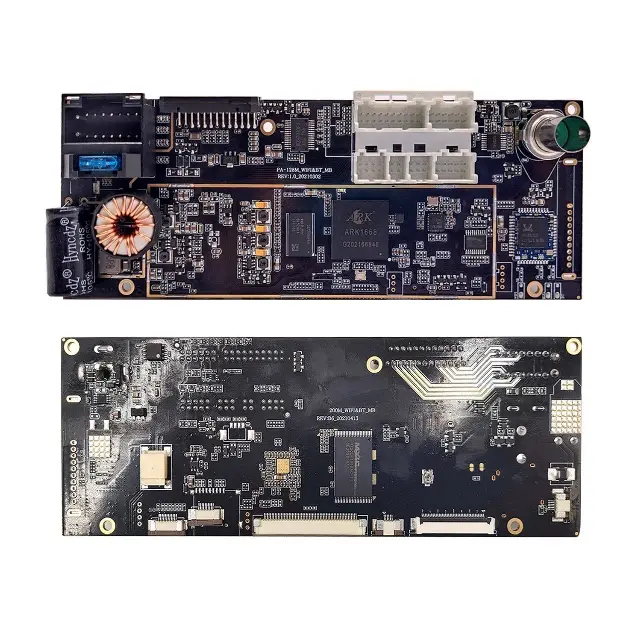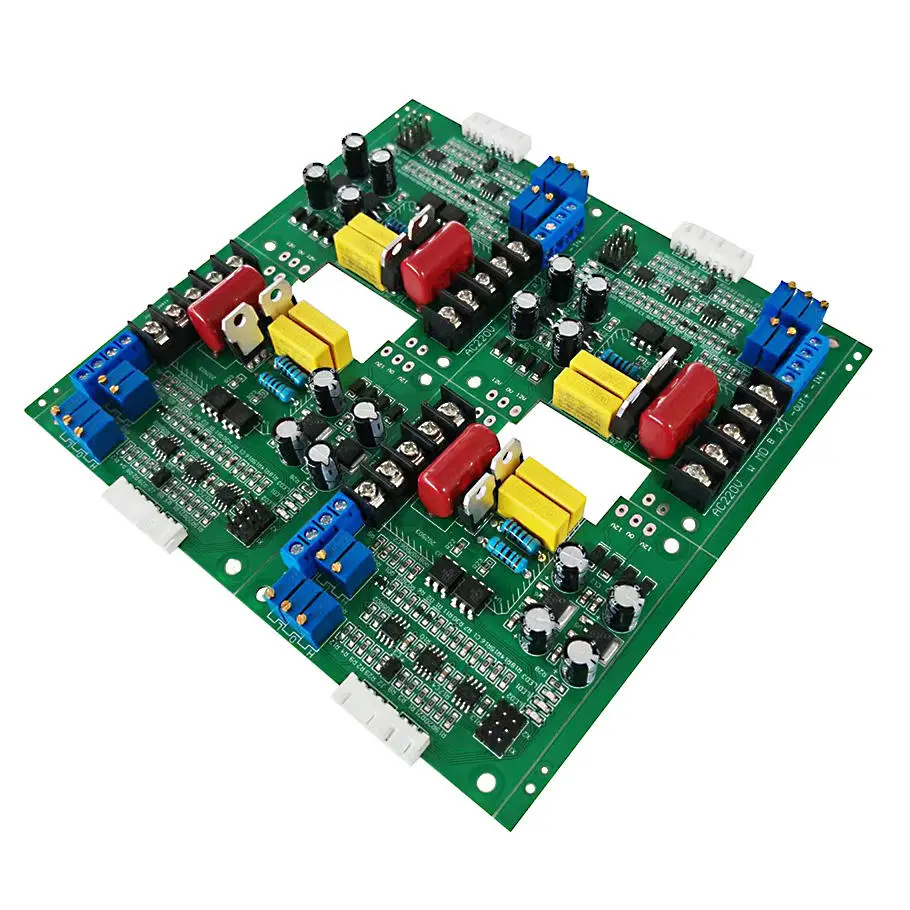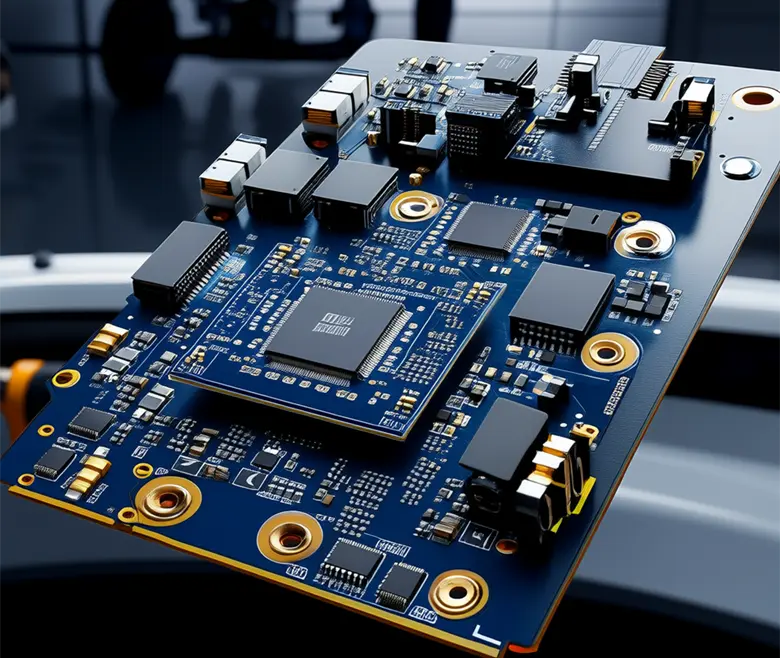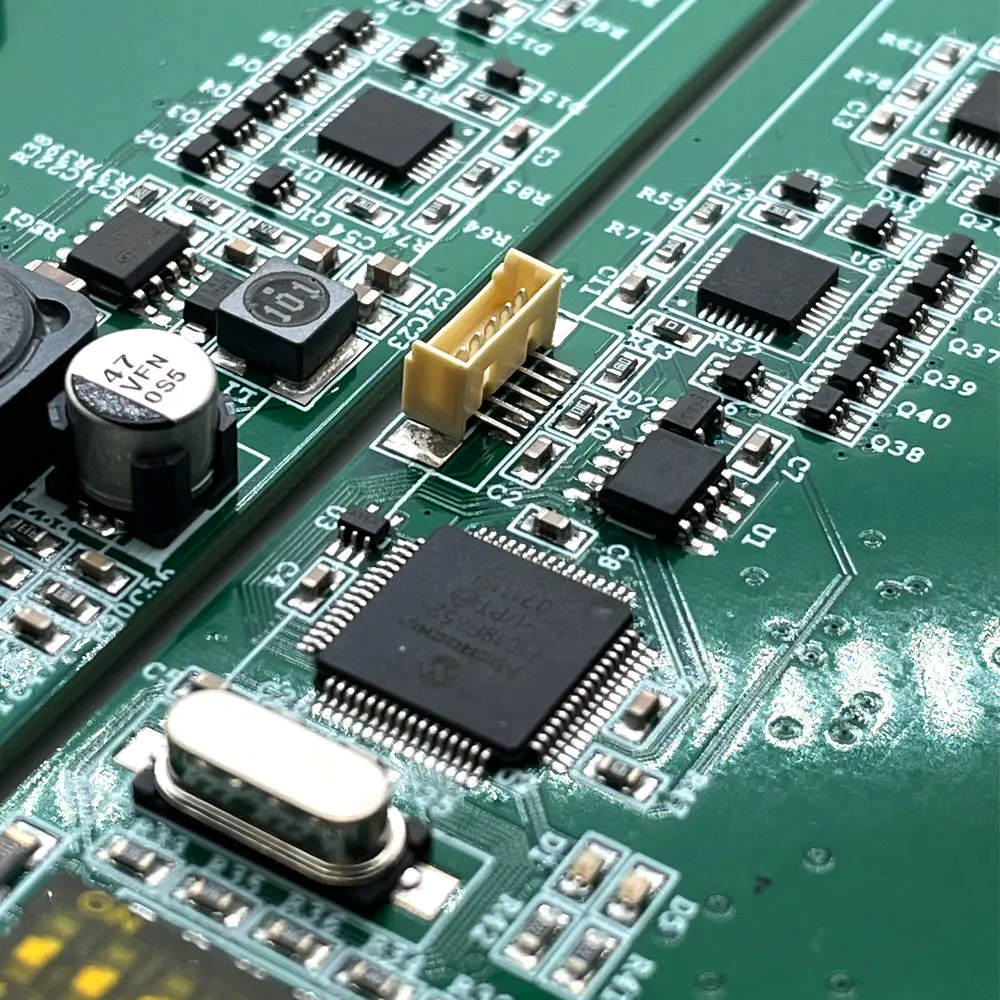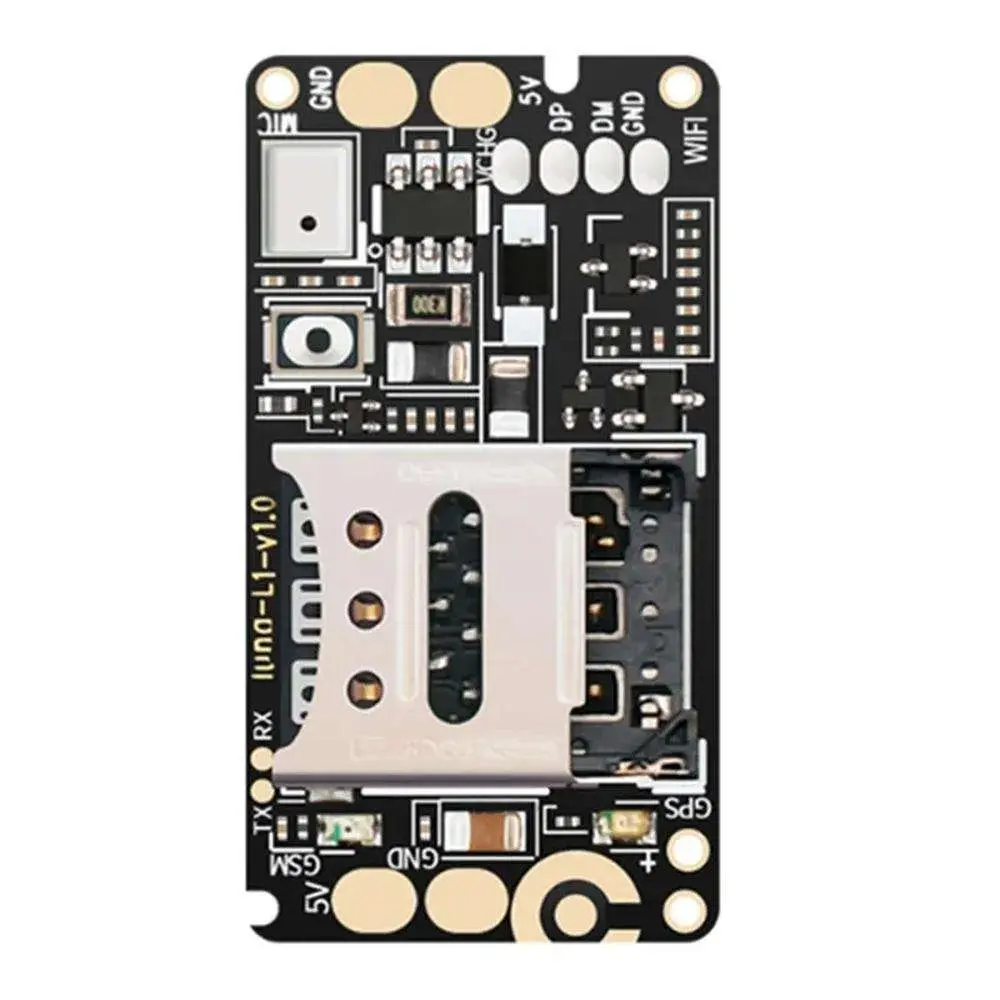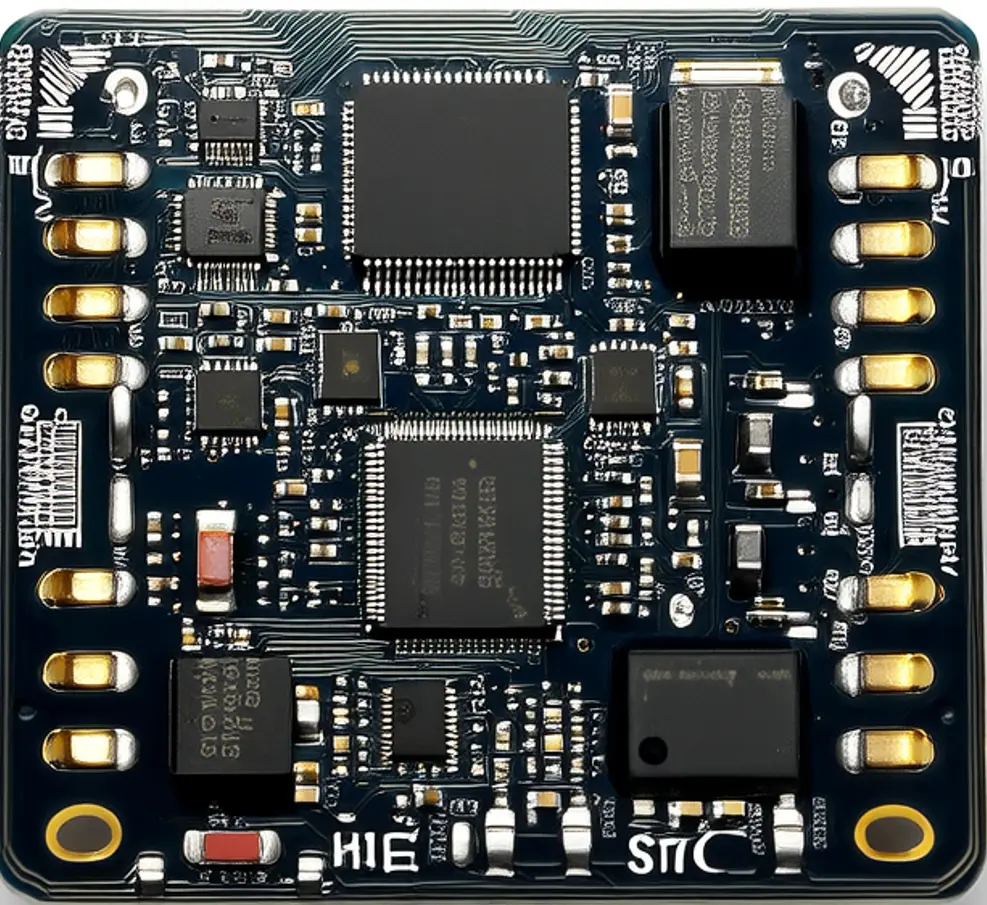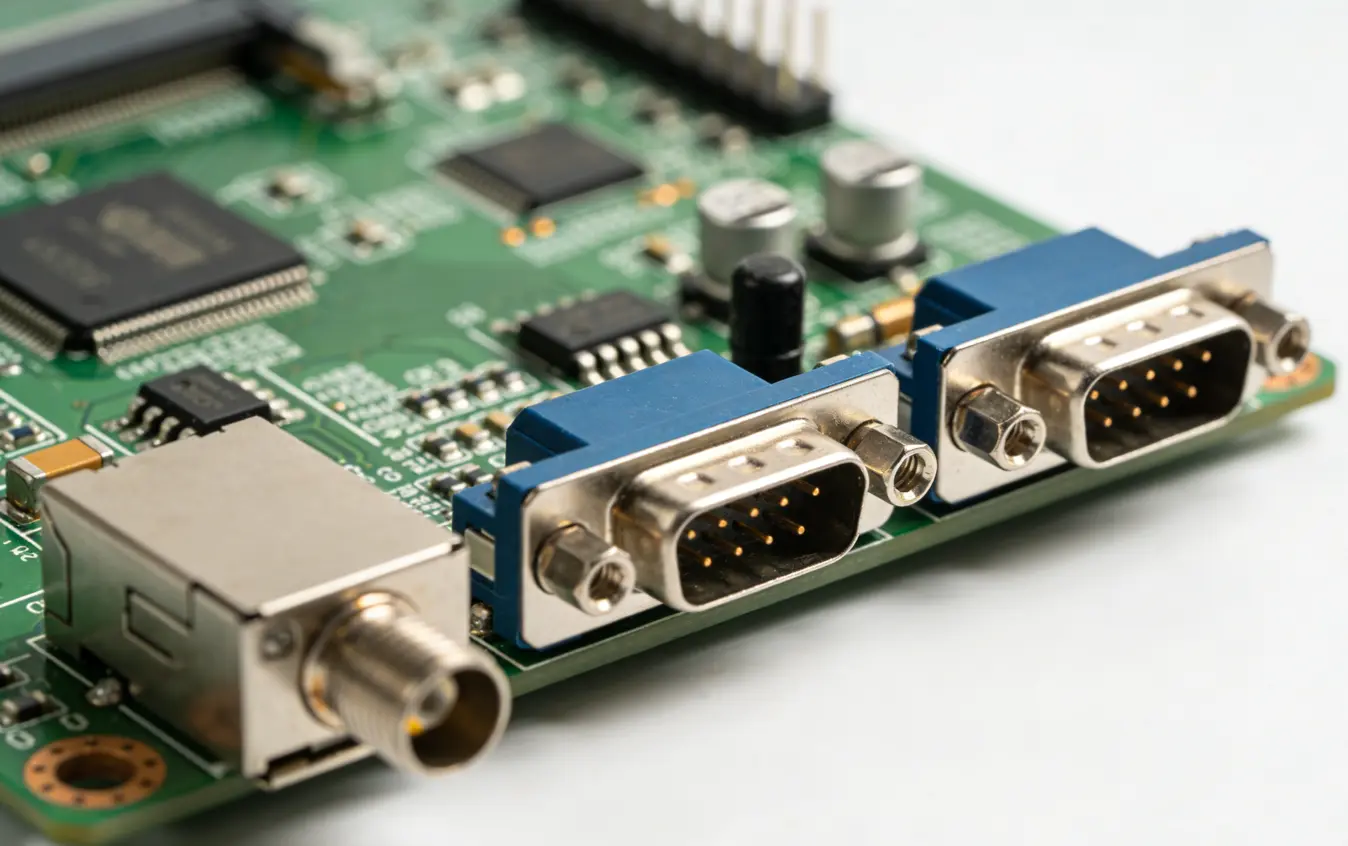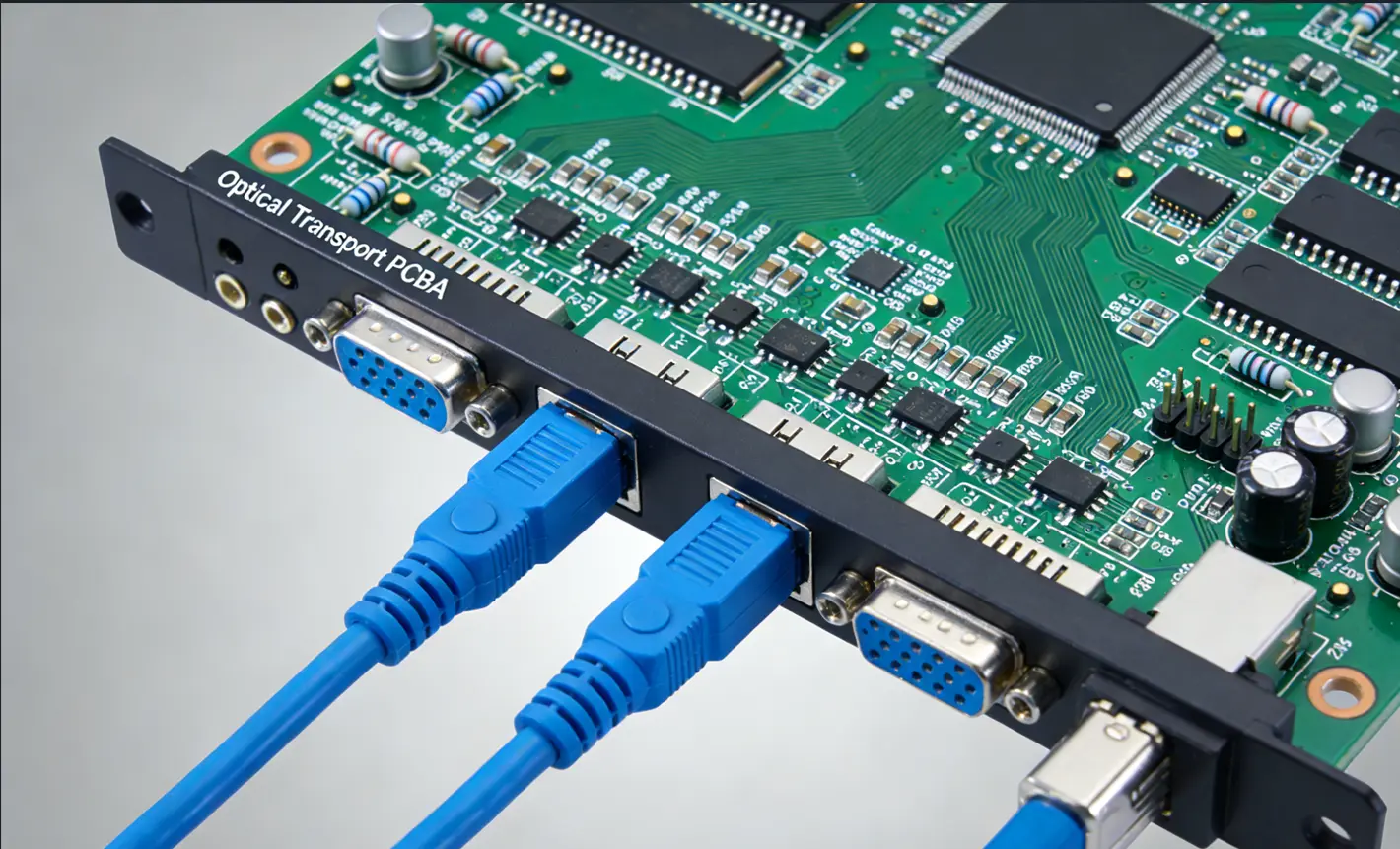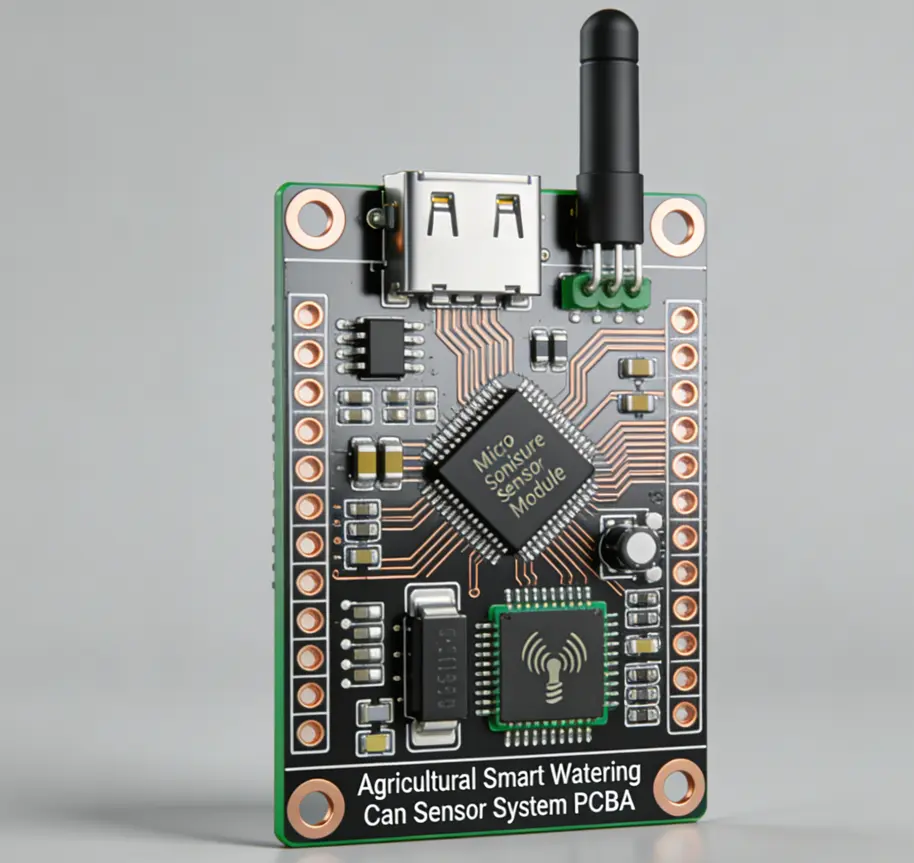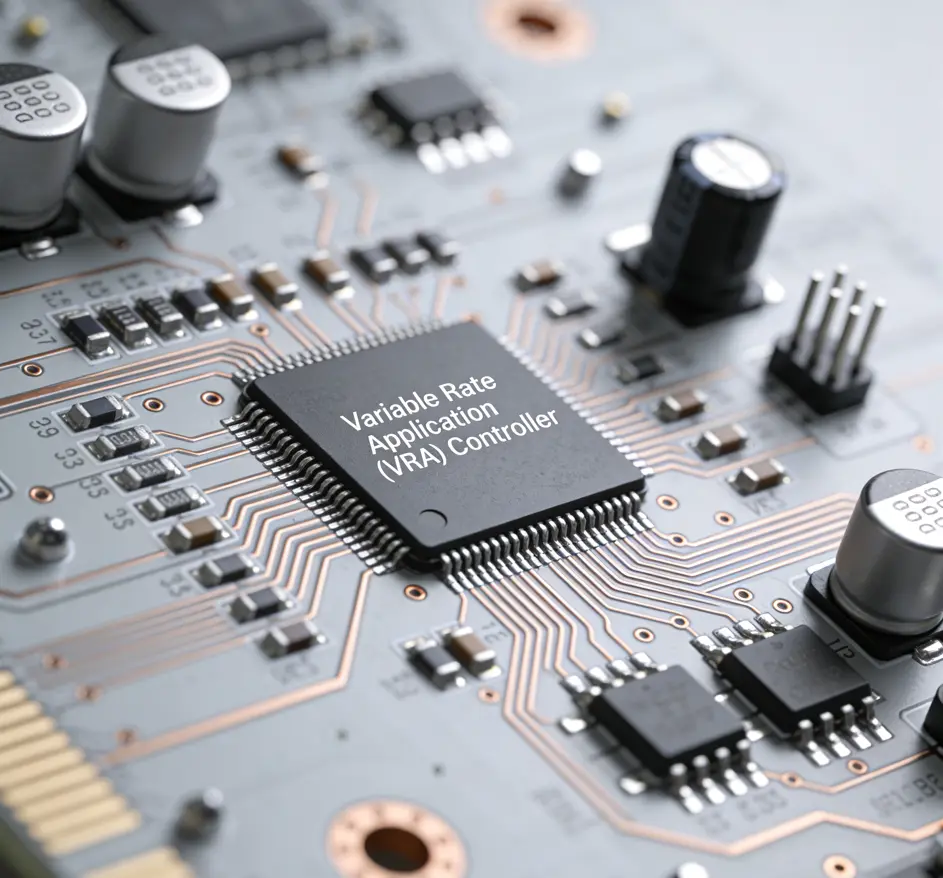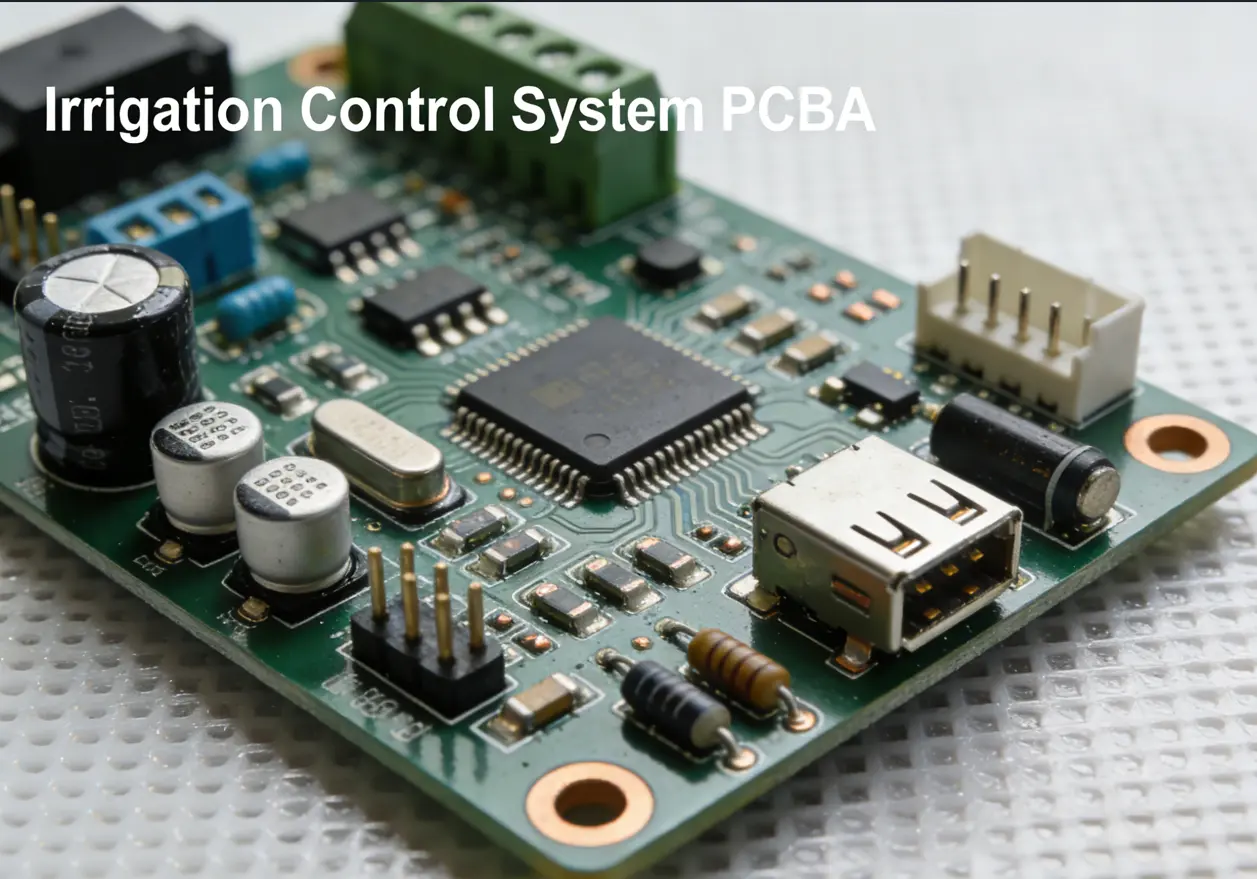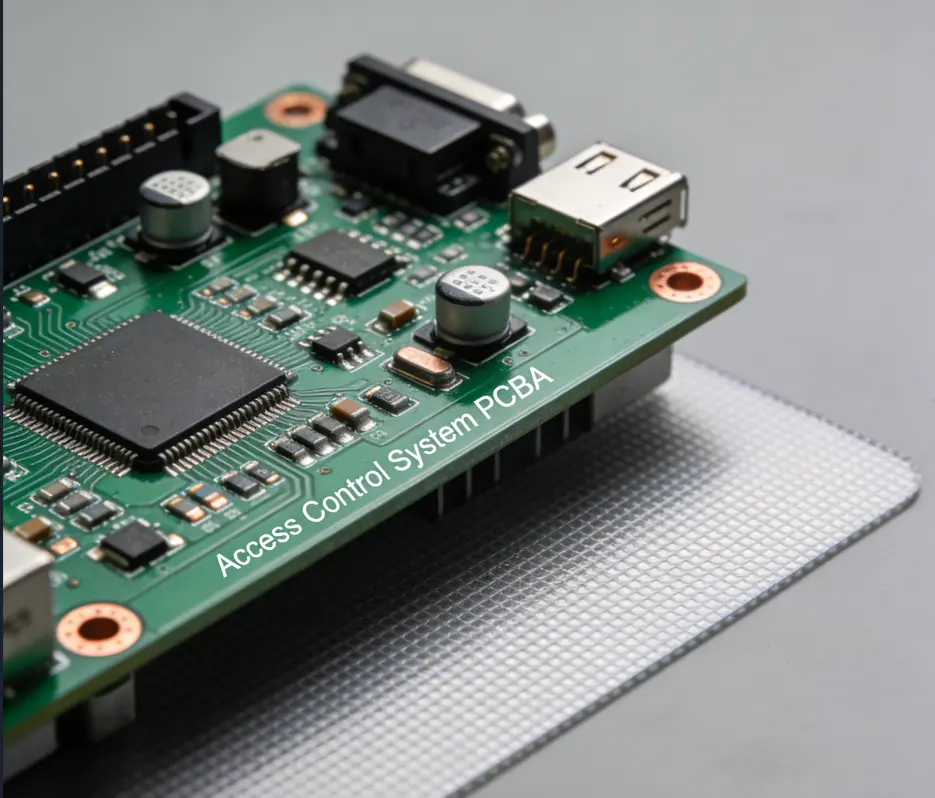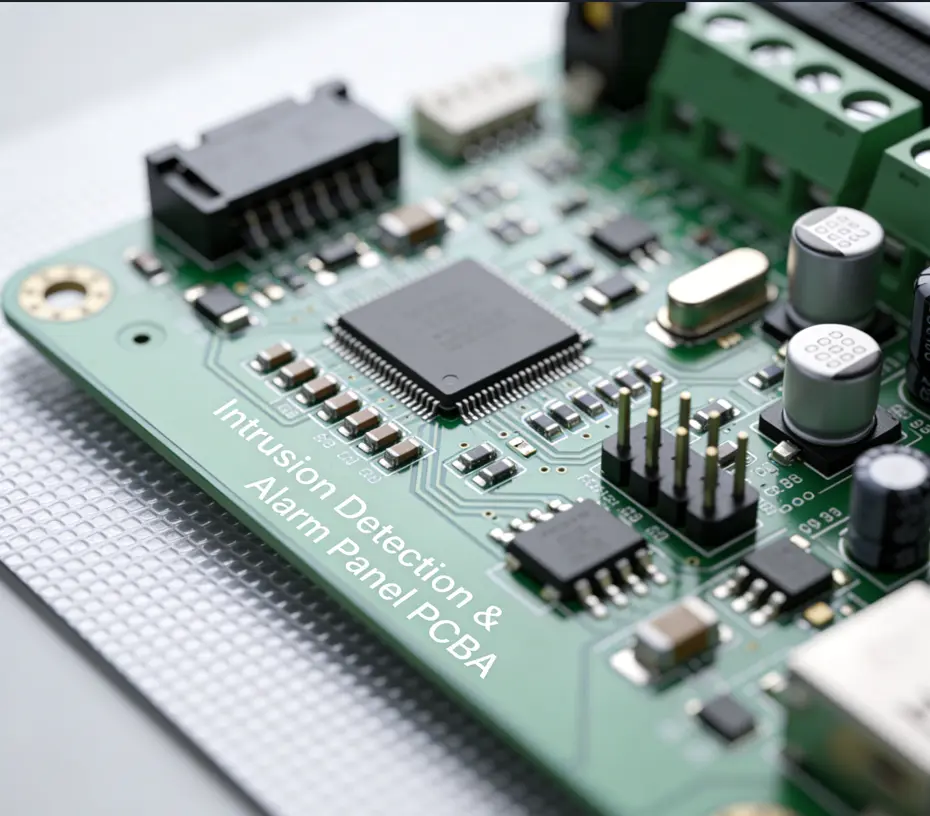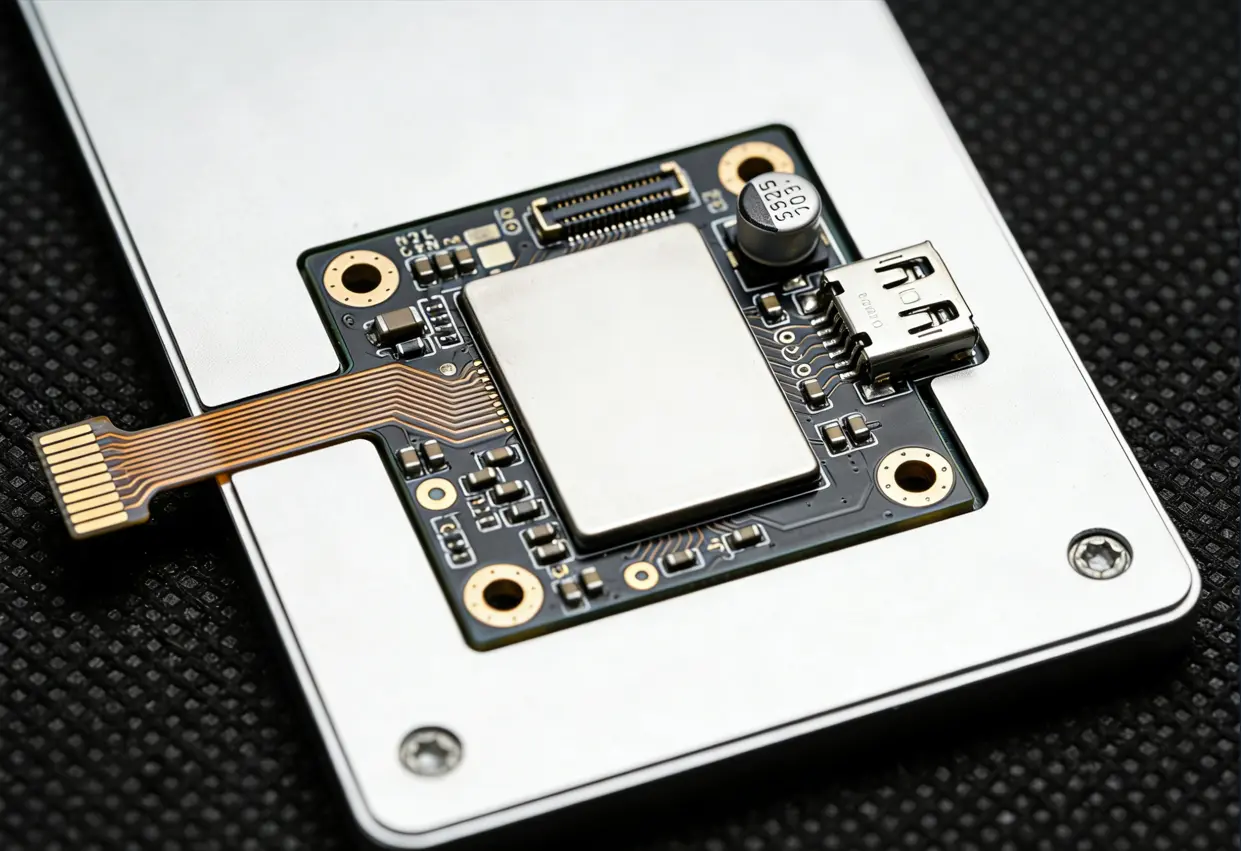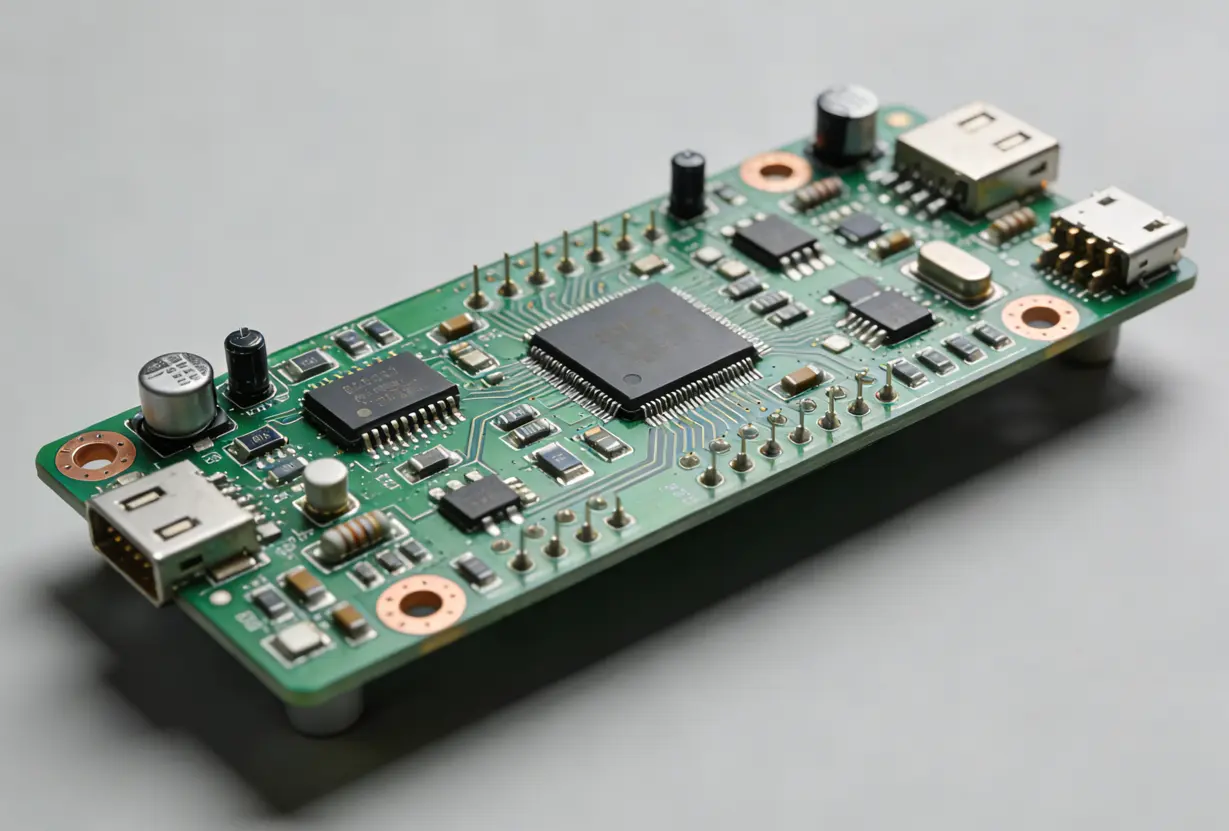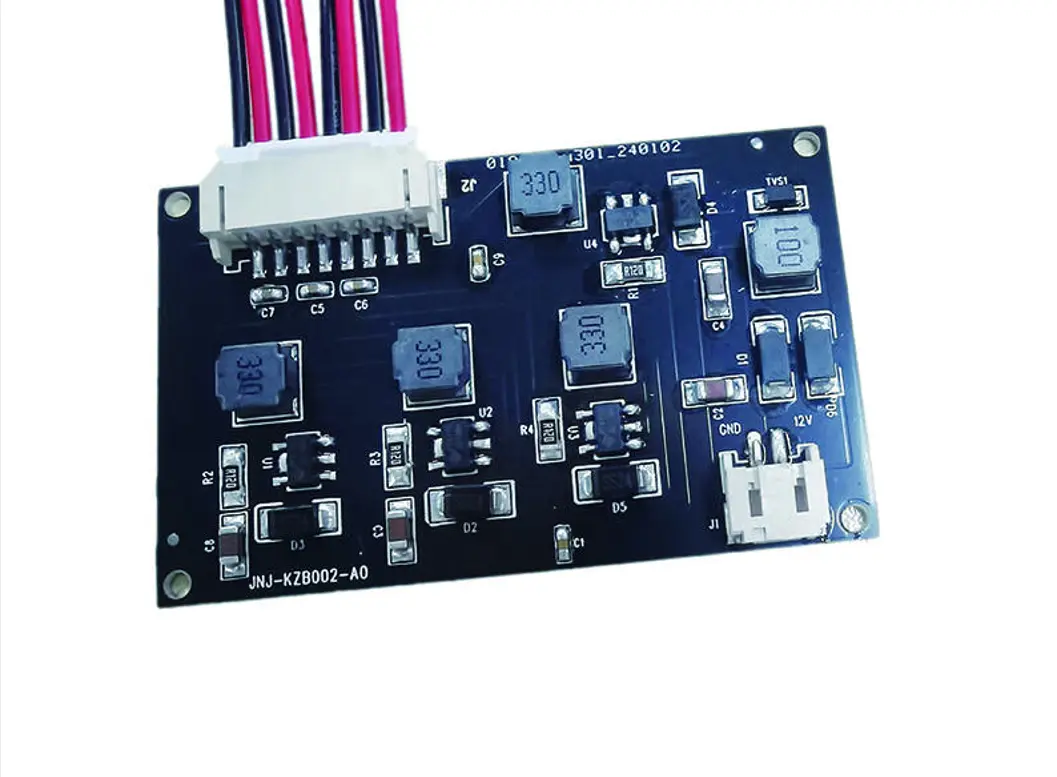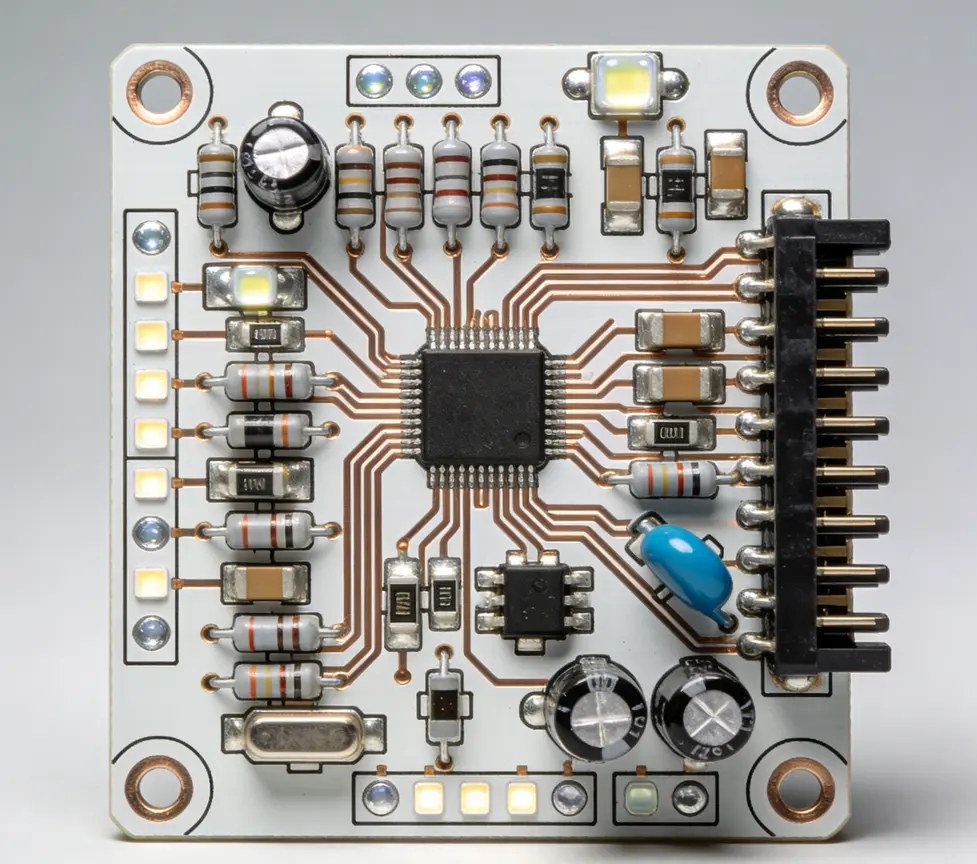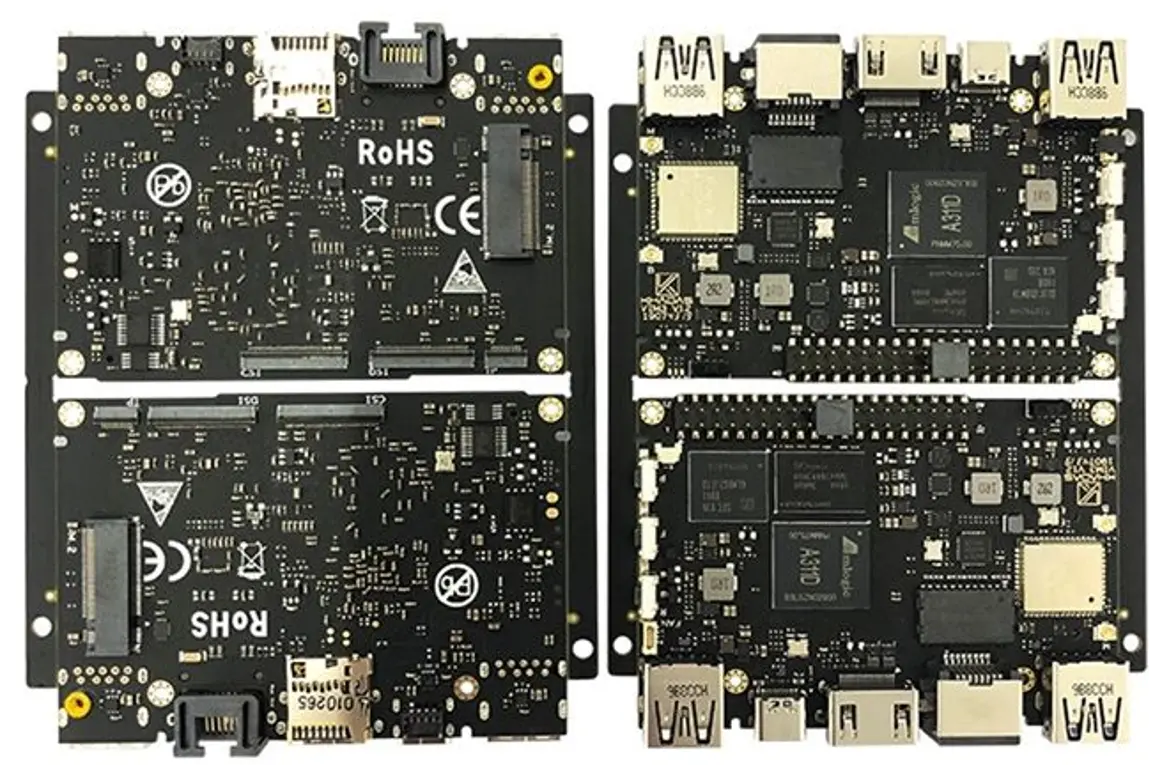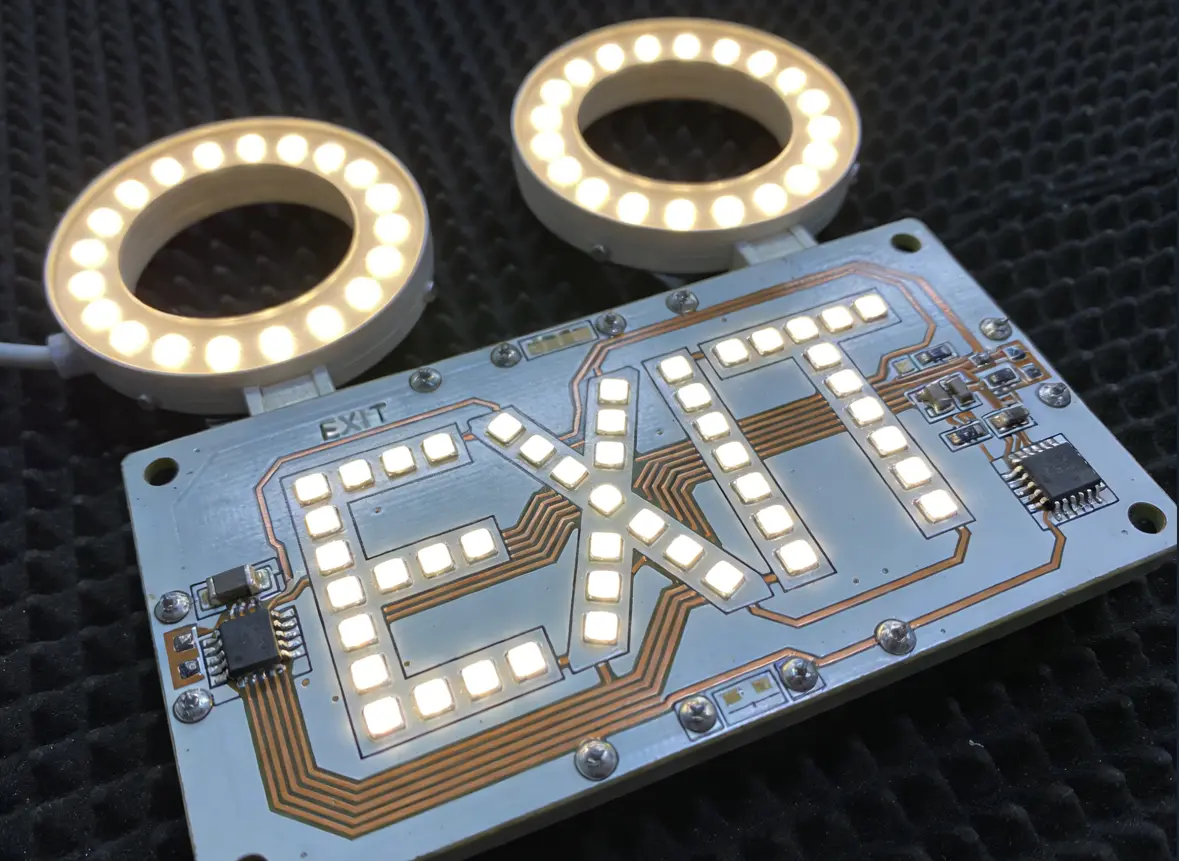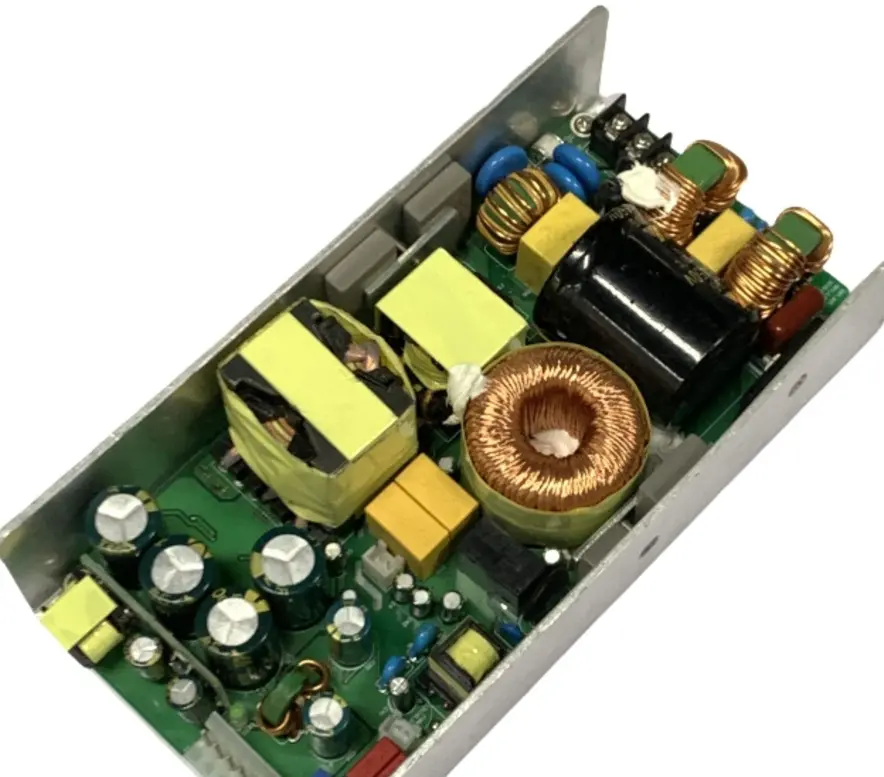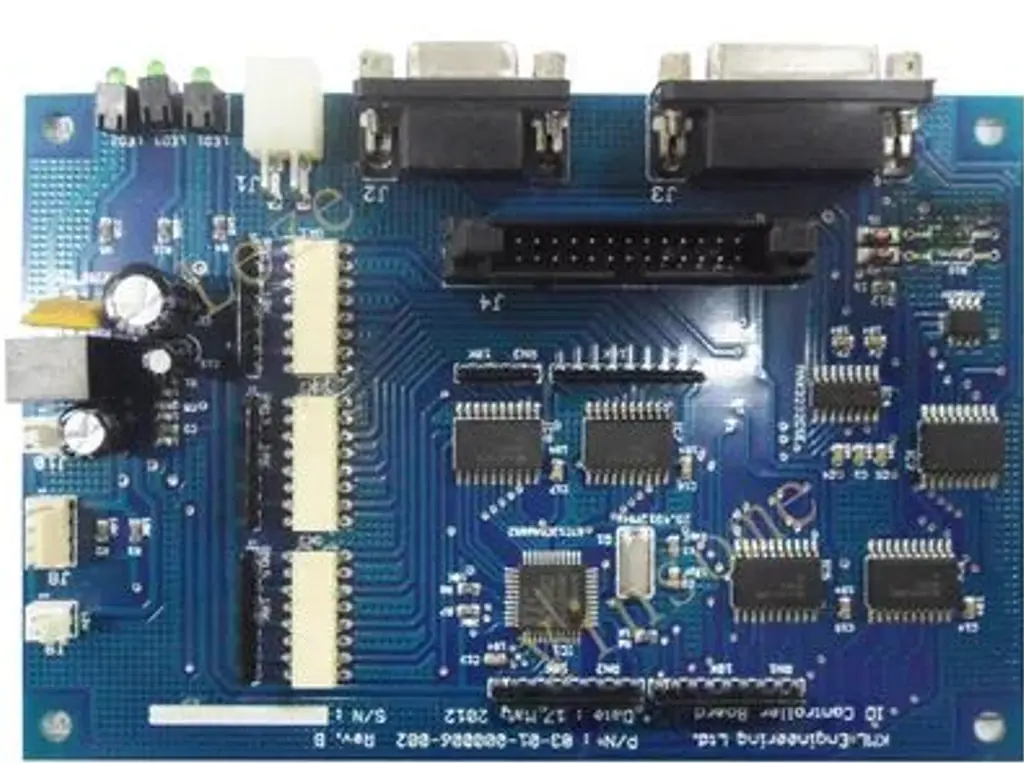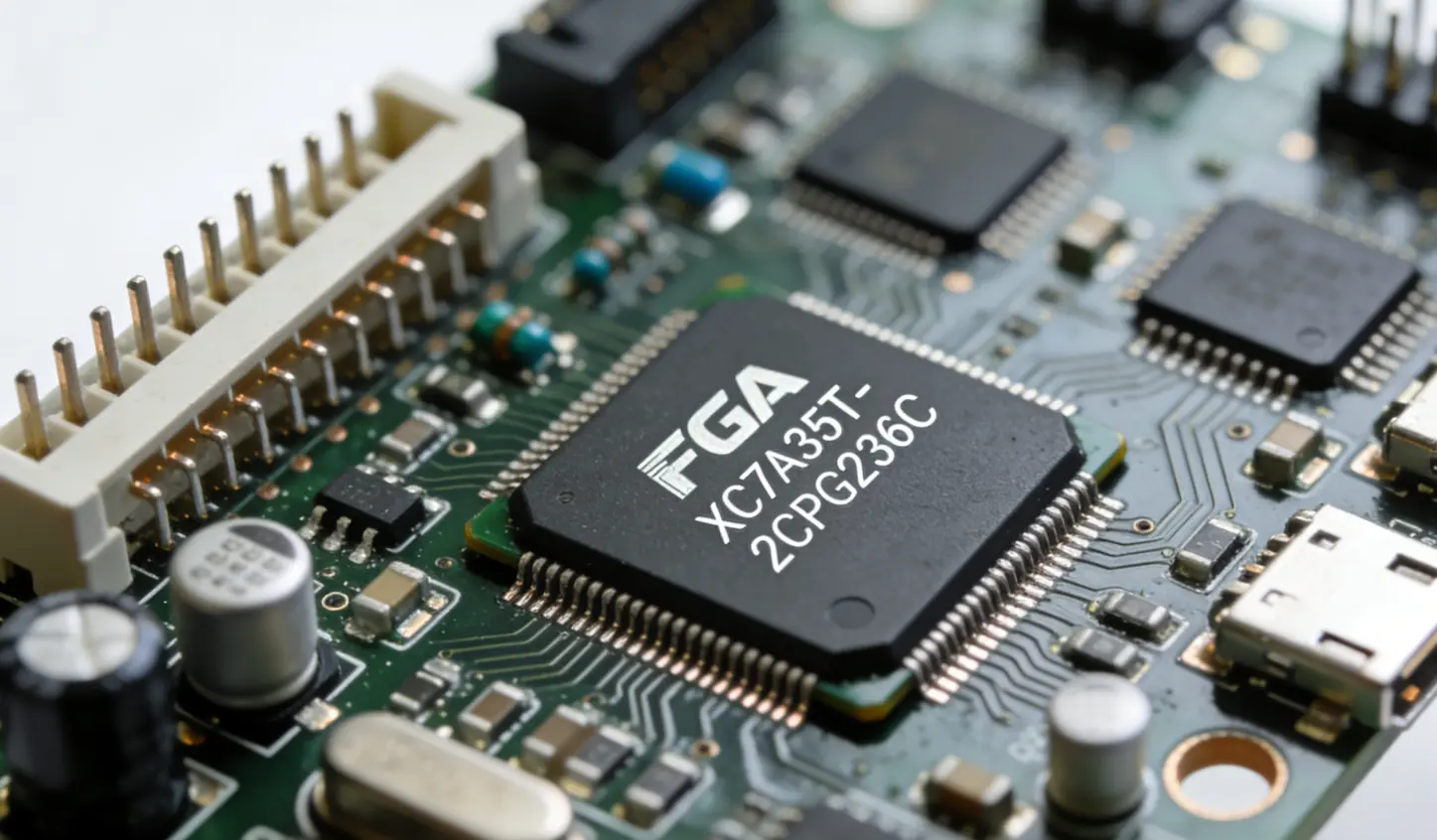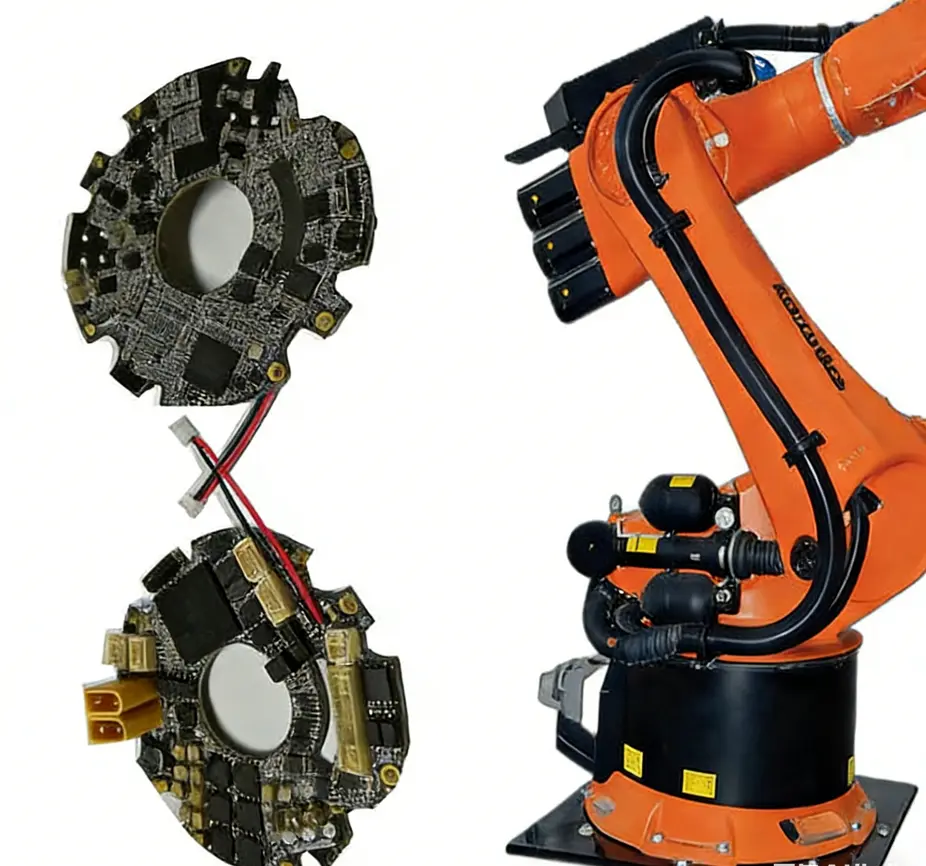
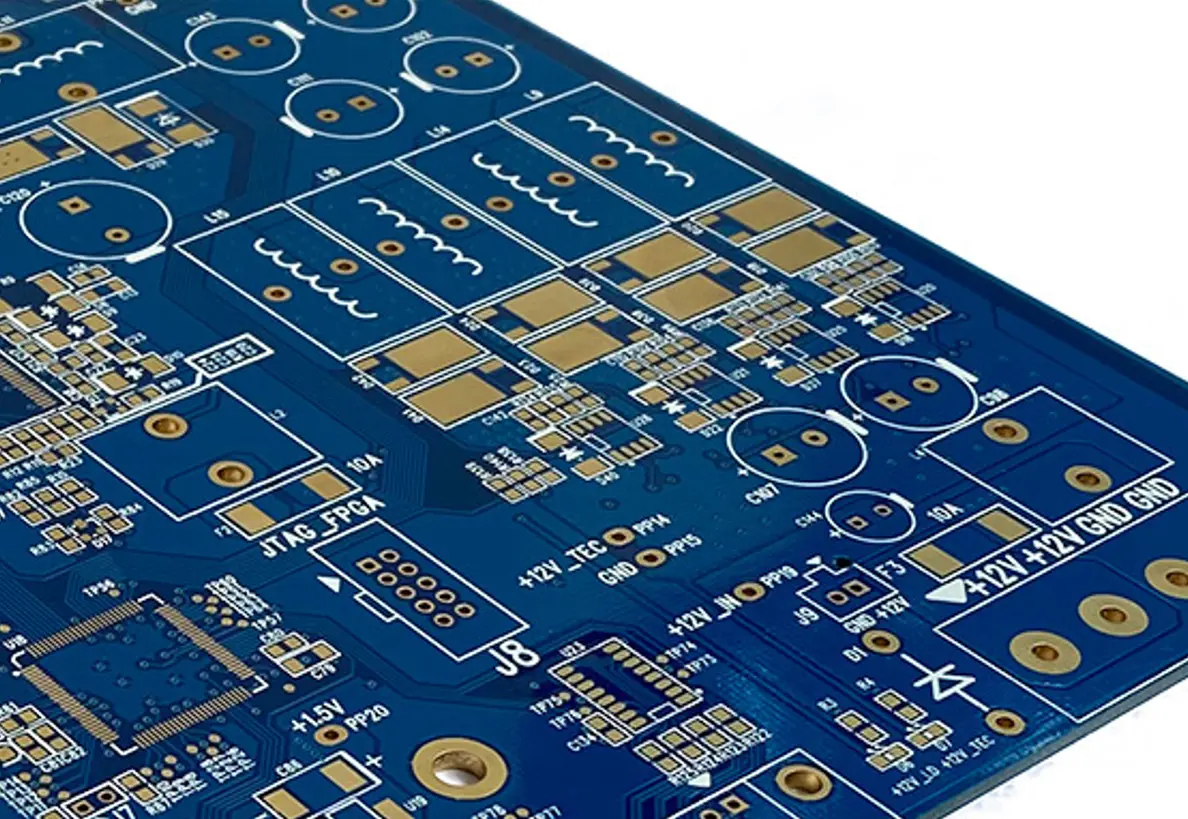
MCU (Microcontroller Unit) control boards serve as the core of modern electronic systems, powering everything from industrial automation equipment to consumer electronics. The performance, reliability, and longevity of these control boards are fundamentally determined by the quality of their PCB (Printed Circuit Board) and PCBA (Printed Circuit Board Assembly) manufacturing processes. This article outlines the critical technical parameters and manufacturing standards that define high-quality MCU control board PCB&PCBA production.
The foundation of an MCU control board lies in its PCB substrate and layer structure, which must balance electrical performance, thermal management, and mechanical stability.
MCU control boards often feature fine-pitch components (e.g., QFP, BGA packaged MCUs), demanding tight tolerances in routing and via design:
The surface finish of the PCB directly impacts solderability and long-term reliability, particularly for MCU pins that require consistent electrical contact:
The assembly process for MCU control board PCBA must adhere to strict thermal and precision standards to protect the sensitive MCU chip and ensure robust soldering:
The manufacturing of MCU control board PCB&PCBA is a precision-driven process that requires strict adherence to technical parameters across substrate selection, routing design, surface finishing, and assembly. By following these standards—from high TG FR-4 substrates for thermal stability to ENIG surface finishes and rigorous reliability testing—manufacturers can produce MCU control boards that deliver consistent performance, withstand harsh operating conditions, and meet the regulatory demands of global markets. Whether for consumer electronics or mission-critical industrial systems, these specifications form the backbone of reliable MCU control board design and production.
| Parameter | Specification Range | Notes |
|---|---|---|
| Substrate Material |
FR-4 (FR-406/FR-408), High TG FR-4 (TG ≥ 170°C), Aluminum-based PCB |
High TG FR-4 is recommended for high-power MCU applications; Aluminum-based PCB for thermal management scenarios |
| Number of Layers | 2-layer, 4-layer, 6-layer, 8-layer |
4-layer is the mainstream for medium-complexity MCU control boards (signal layer + power layer + ground layer) |
| Copper Thickness | ½ oz (18μm), 1 oz (35μm), 2 oz (70μm), 3 oz (105μm) |
1 oz for general signal traces; 2–3 oz for power supply traces of high-current MCU |
| Minimum Line Width/Line Spacing | 3 mil/3 mil, 4 mil/4 mil, 5 mil/5 mil |
Determined by MCU pin density; 3 mil/3 mil applies to fine-pitch MCU (e.g., QFP, BGA packages) |
| Minimum Via Diameter |
Mechanical via: 0.2 mm (drill diameter) / 0.4 mm (pad diameter); Laser via: 0.1 mm / 0.25 mm |
Laser via is suitable for HDI MCU control boards with dense components |
| Pad Size Tolerance | ±0.05 mm |
Critical for soldering reliability of MCU chips (QFP, LQFP, BGA packages) |
| Surface Finish | HASL (Lead-free), ENIG, OSP, Immersion Silver, Immersion Tin |
ENIG is preferred for high-reliability MCU boards (good oxidation resistance, compatible with reflow soldering) |
| Solder Mask | Green, Red, Blue, Black, White; Liquid photoimageable solder mask (LPI) |
Black solder mask is widely used for industrial MCU control boards (anti-glare, high contrast with silkscreen) |
| Silkscreen | White, Yellow; Polyimide ink |
Clear marking of MCU pin 1, component polarity, board version, and component labels |
| Component Placement Accuracy |
Chip components (0402/0201): ±0.05 mm; IC components (QFP/BGA): ±0.03 mm |
Ensures precise alignment between MCU pins and PCB pads |
| Reflow Soldering Temperature Profile |
Preheat: 150–180°C (60–90s); Peak temperature: 245±5°C (10–20s); Cooling rate: 2–4°C/s |
Optimized for lead-free solder (SAC305) to prevent MCU chip thermal damage |
| Electrical Test | 100% Flying Probe Test, In-Circuit Test (ICT) |
Verifies MCU pin connectivity, open/short circuits, and component value correctness |
| Environmental Reliability Test |
Temperature cycling: -40°C to +85°C, 1000 cycles; Humidity test: 85% RH, 85°C, 1000h; Vibration test: 5–2000Hz, 10g acceleration |
Meets industrial/automotive grade MCU control board requirements |
| RoHS/REACH Compliance | RoHS 2.0 (2011/65/EU), REACH SVHC (≤0.1%) | Compliant with global environmental standards for electronic products |