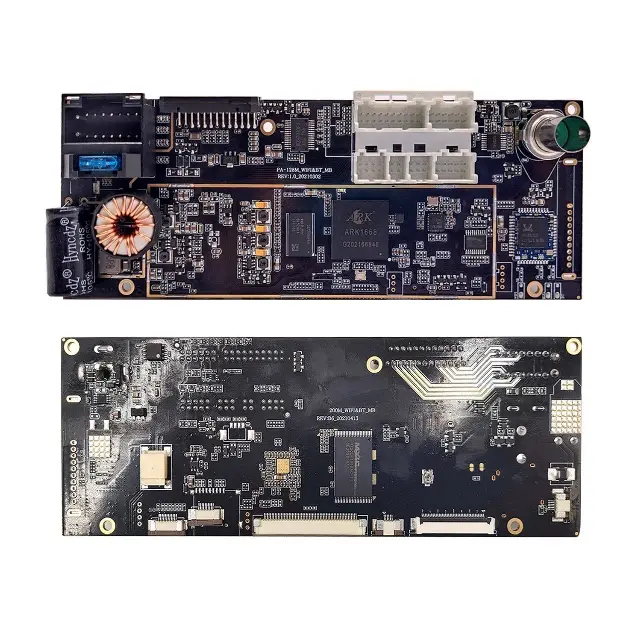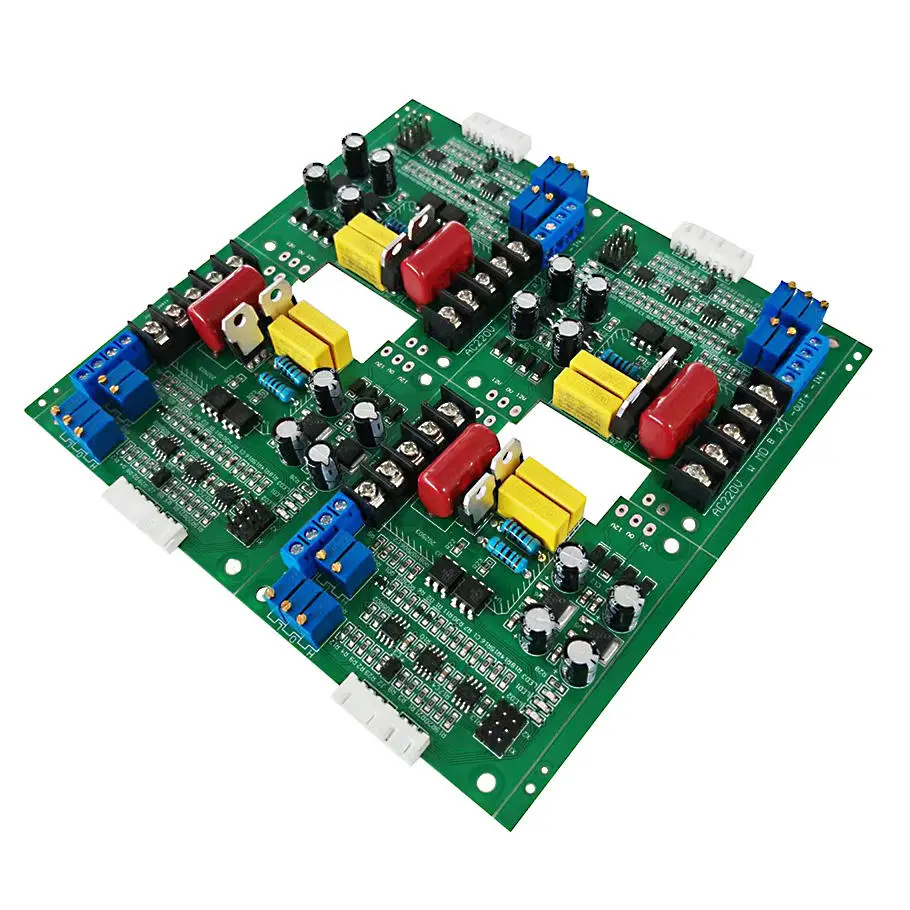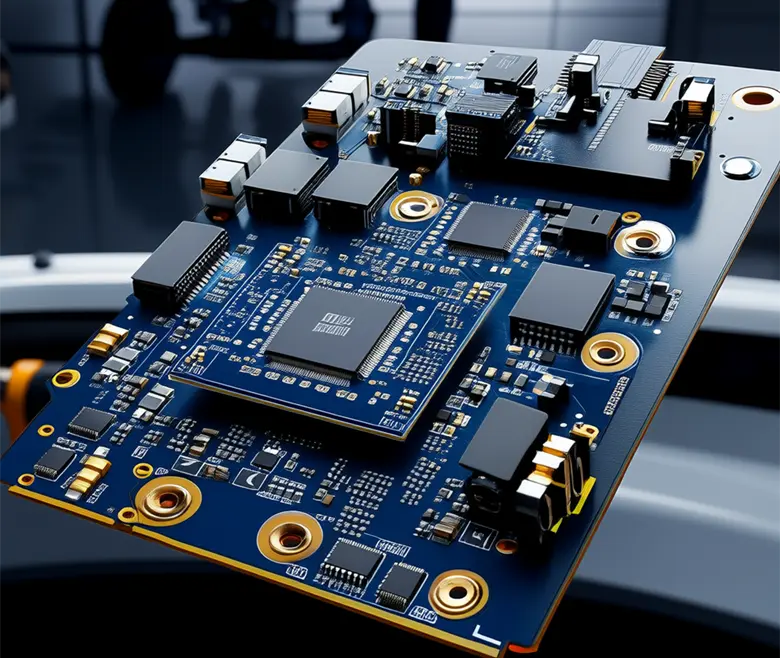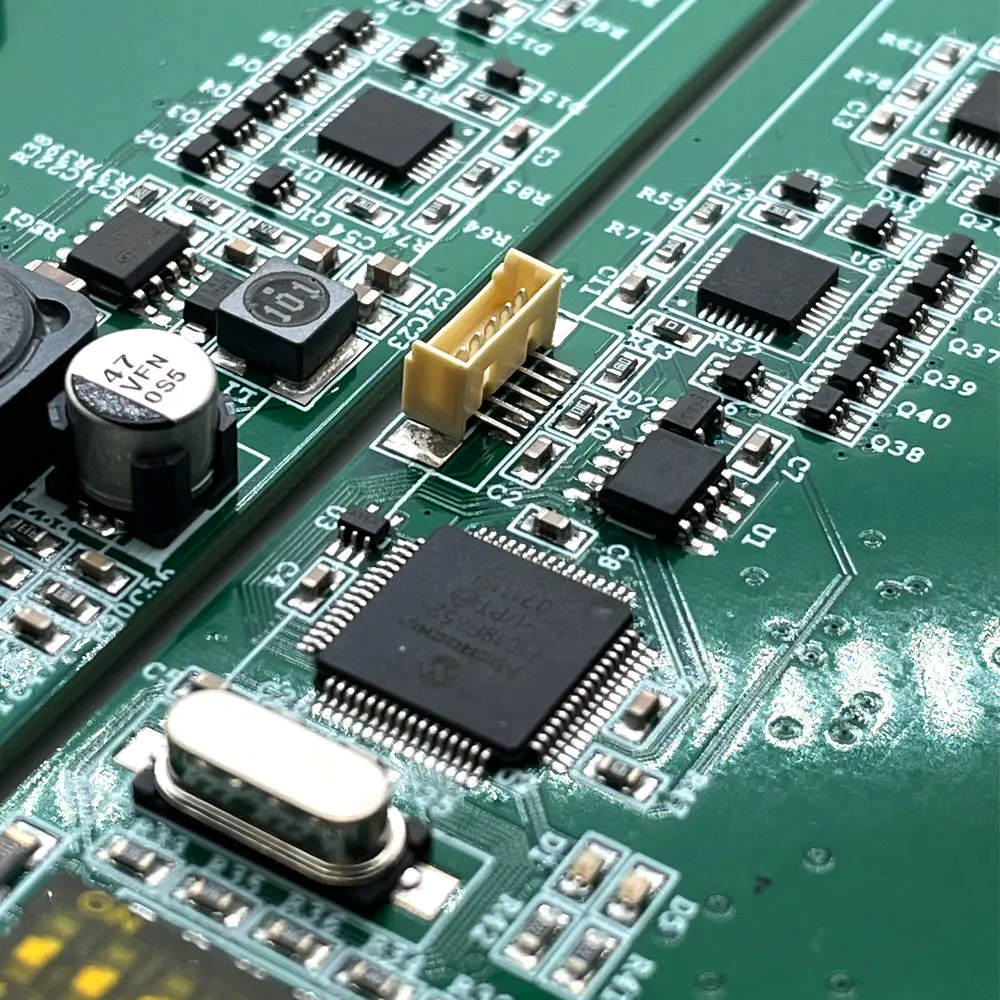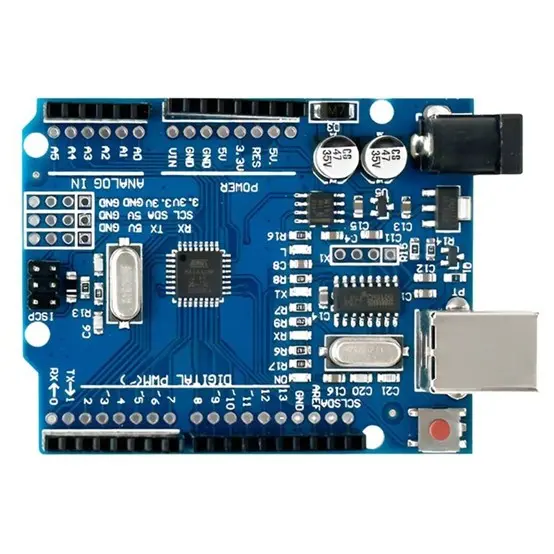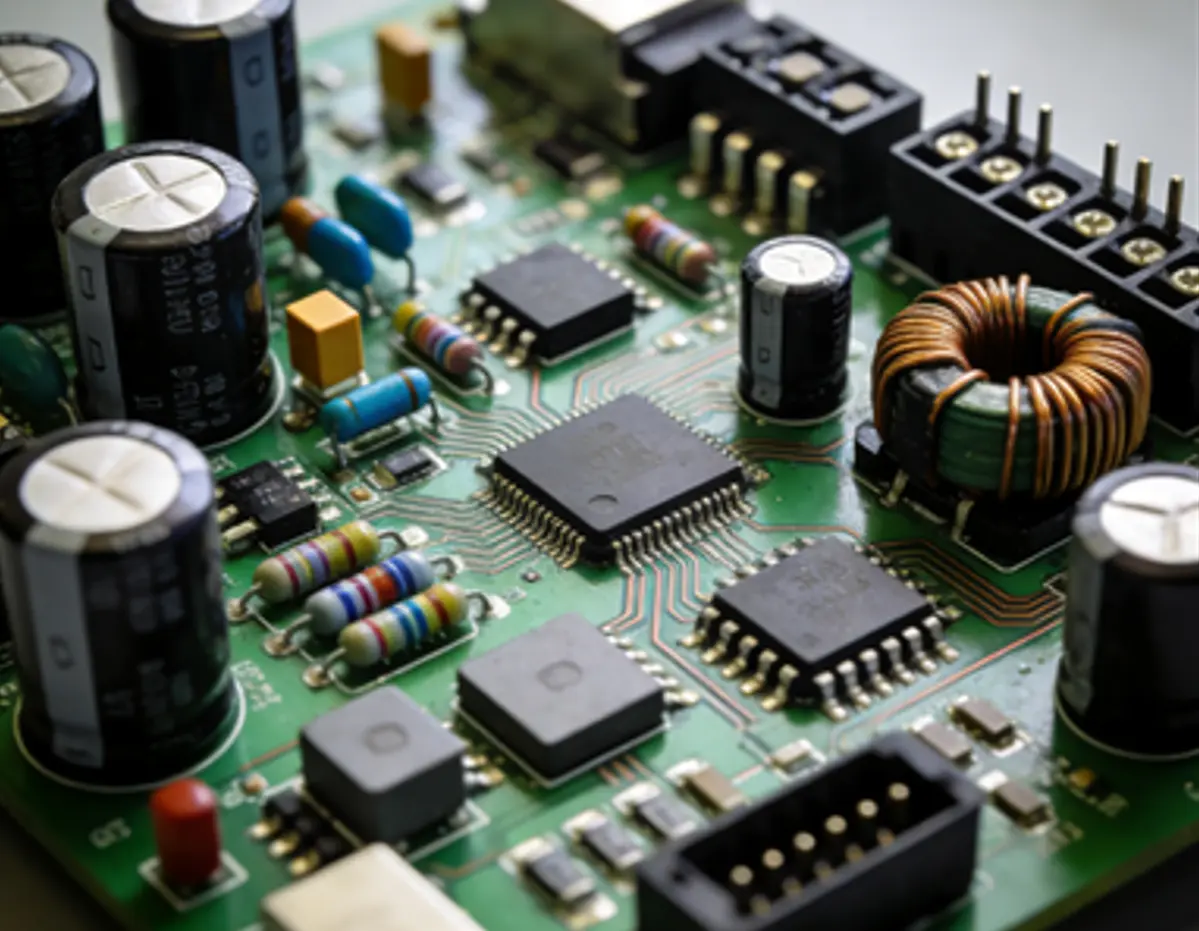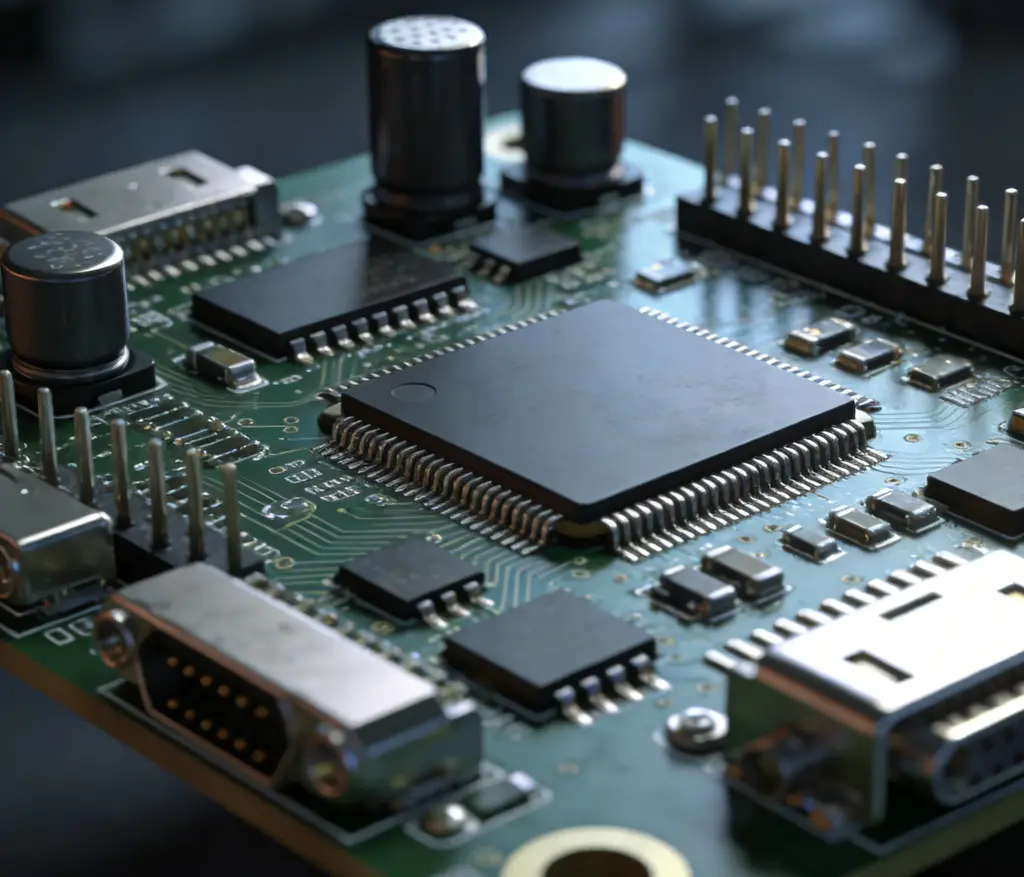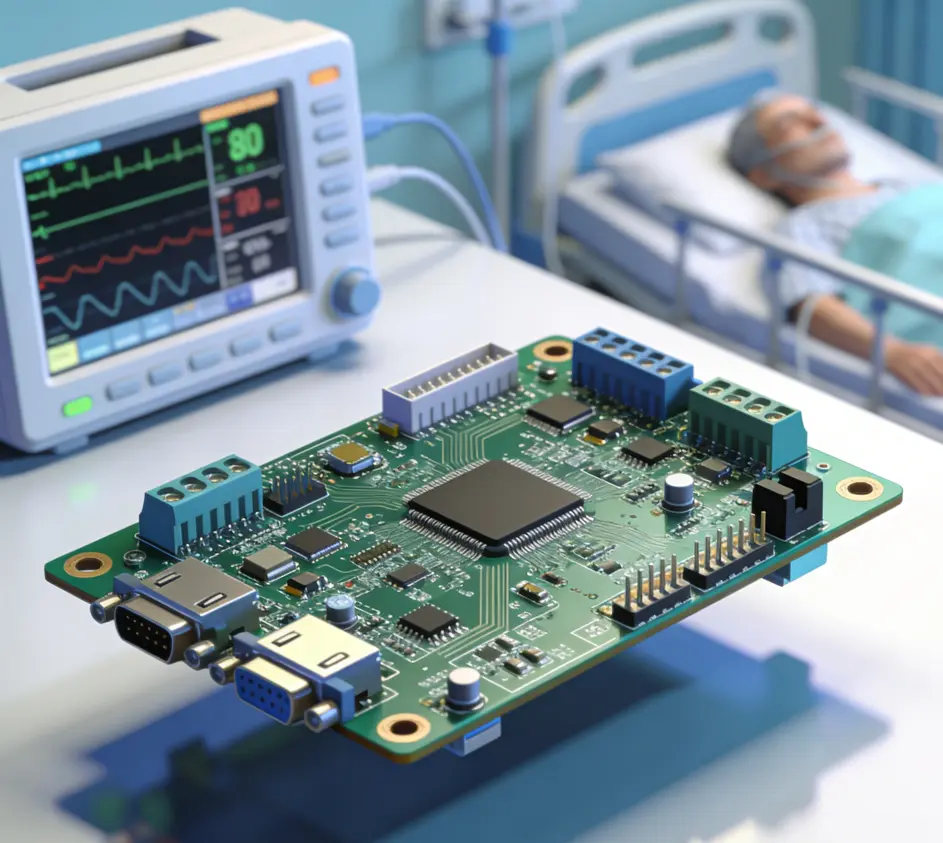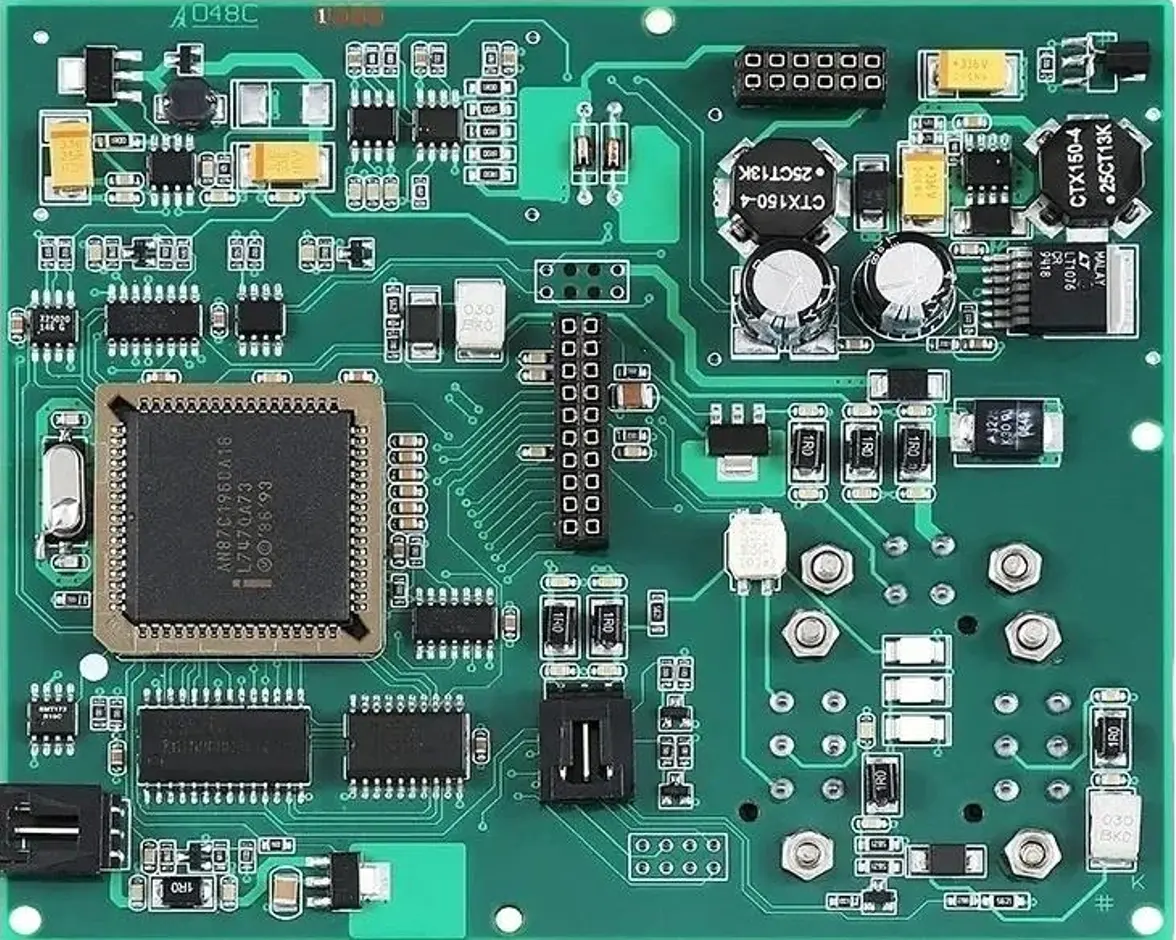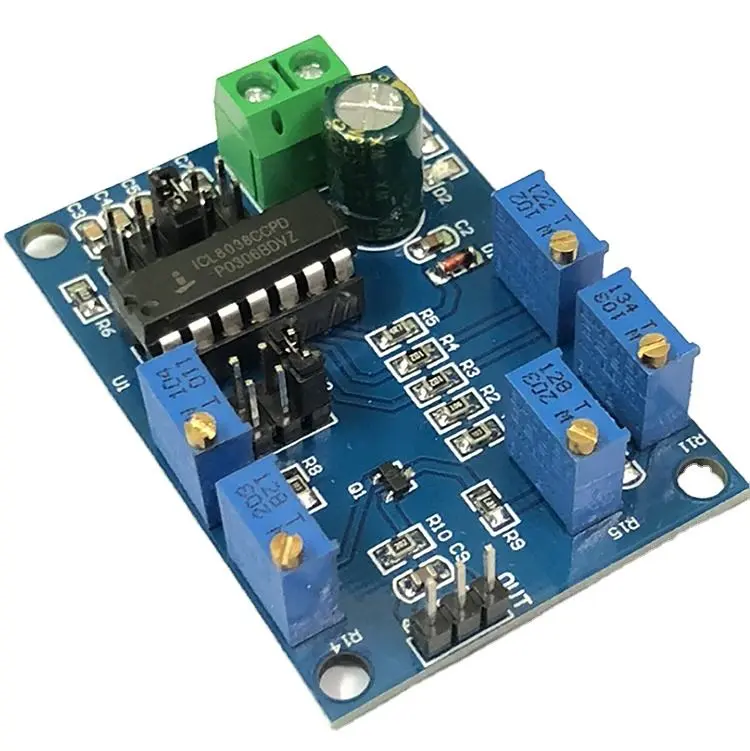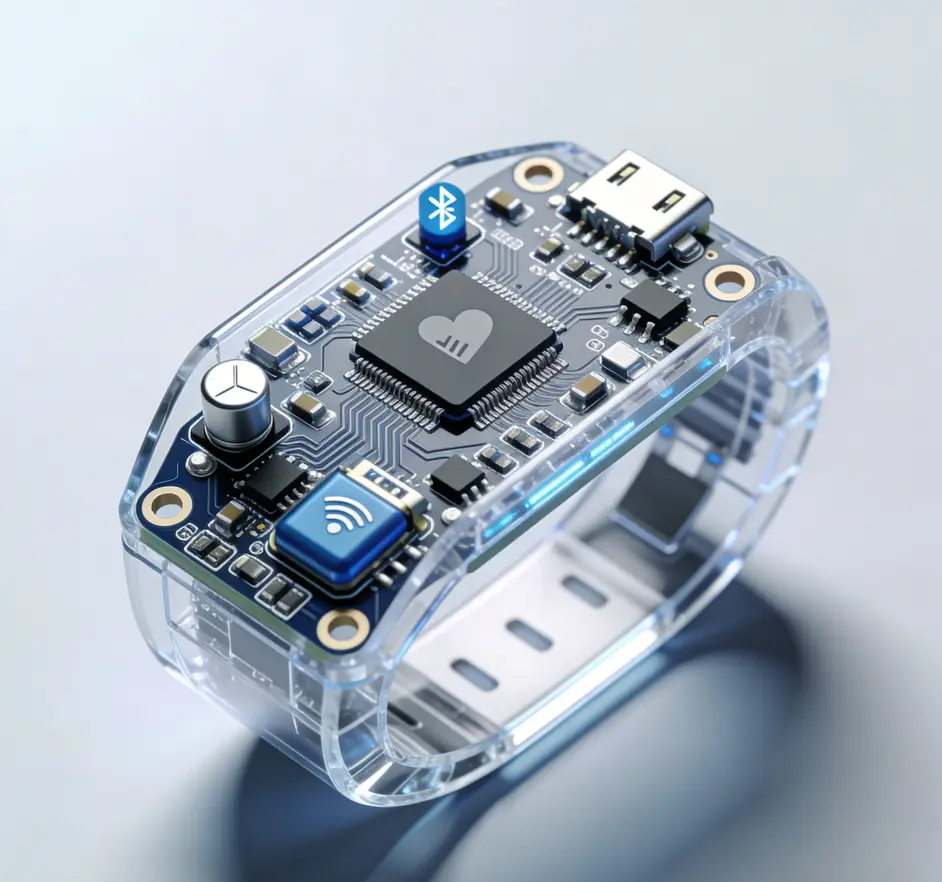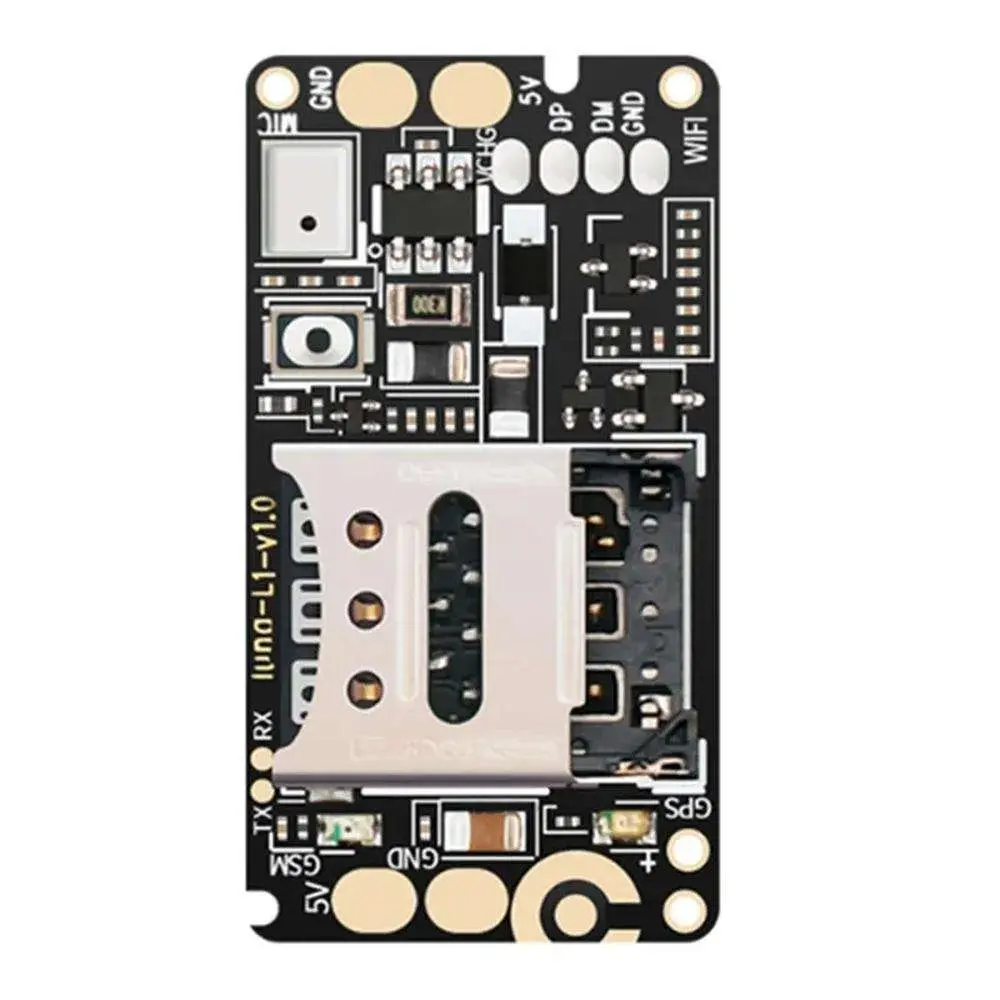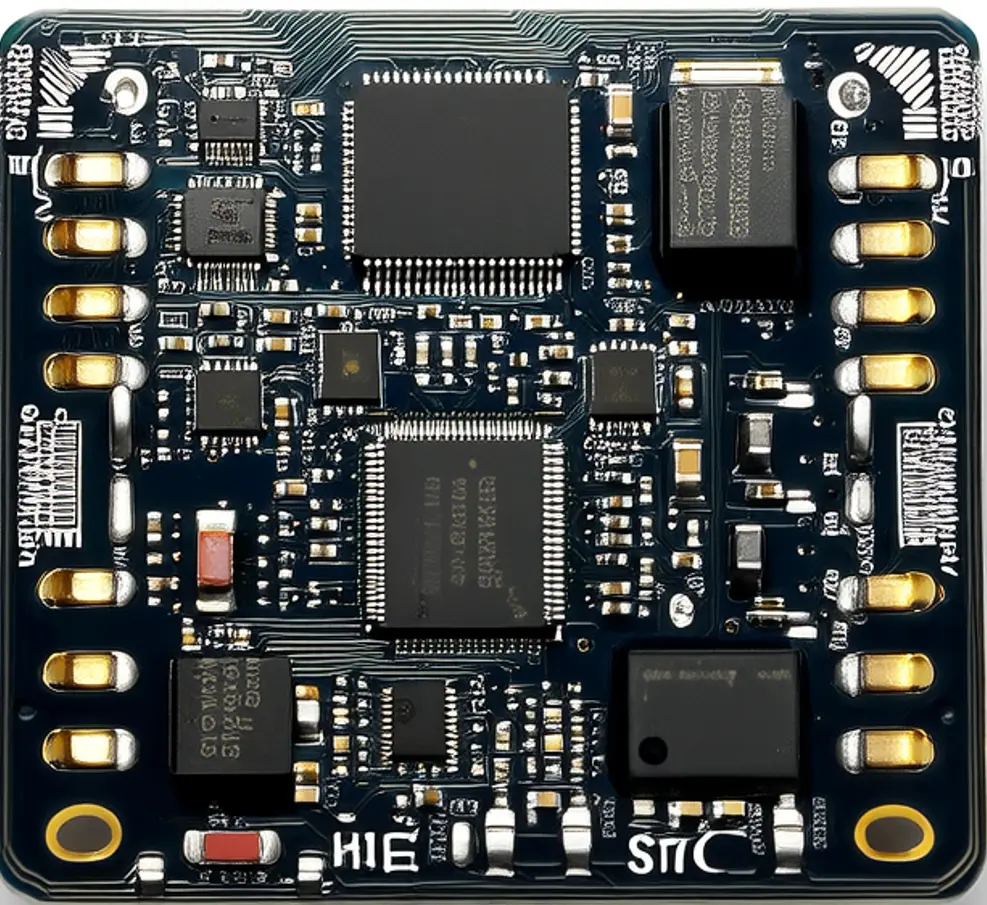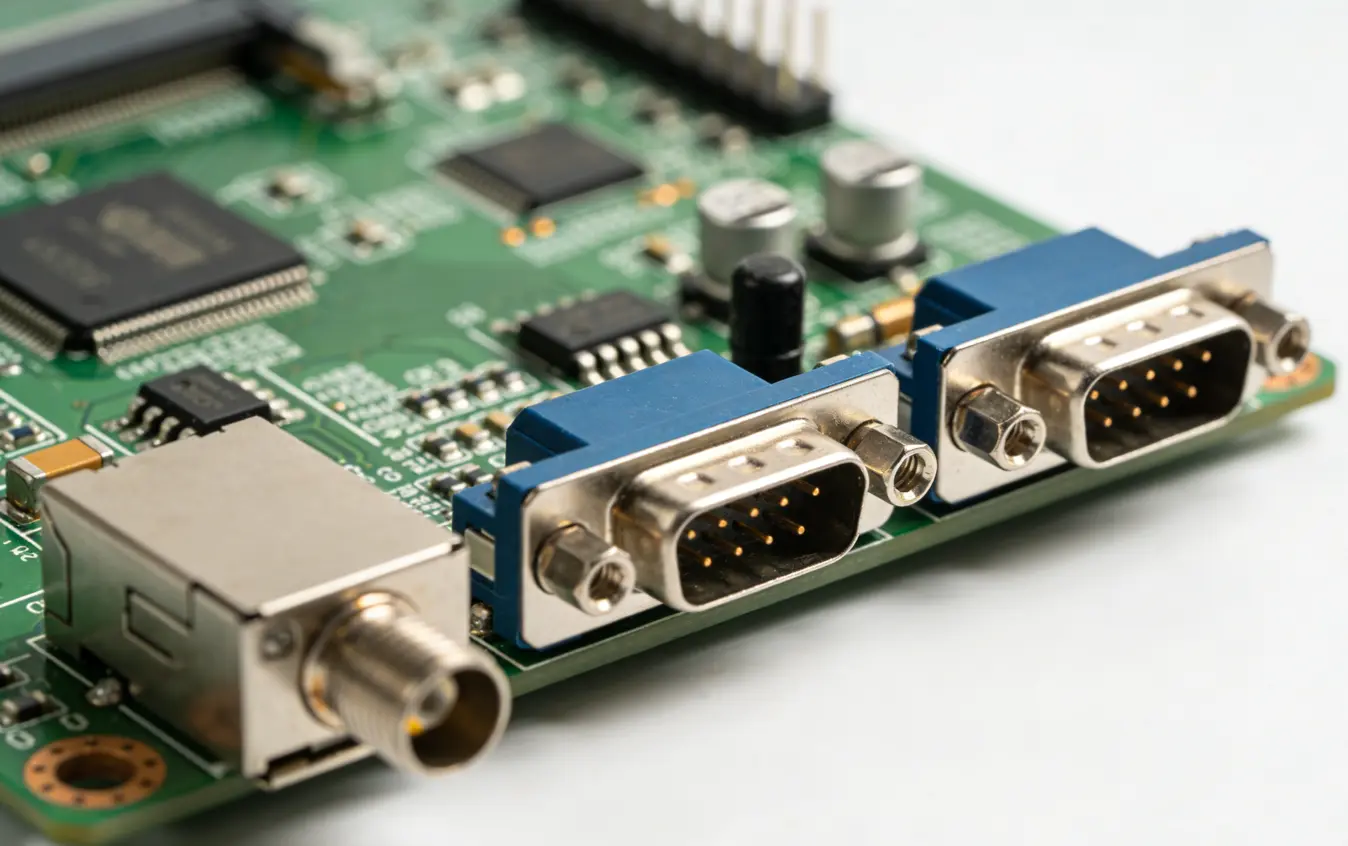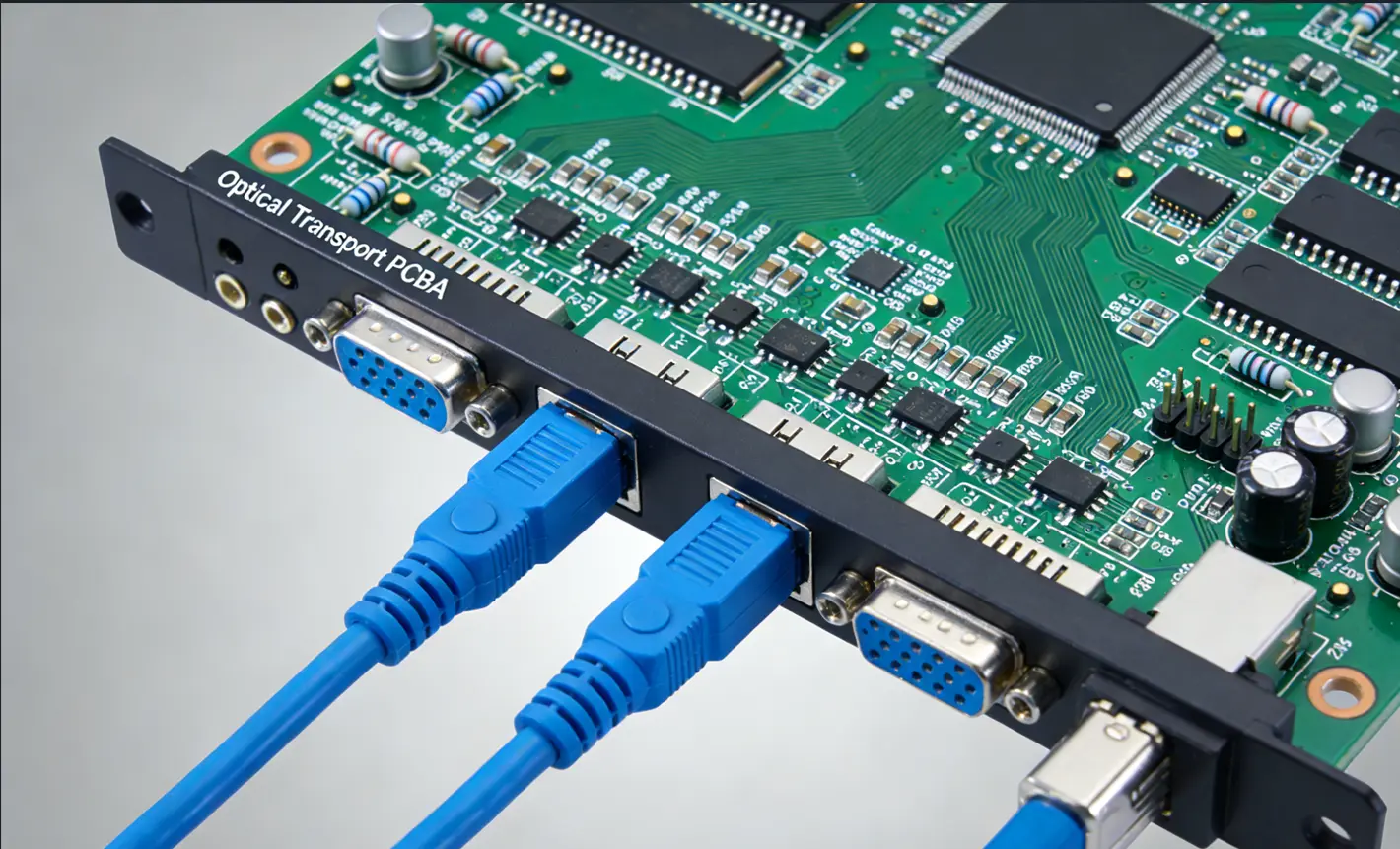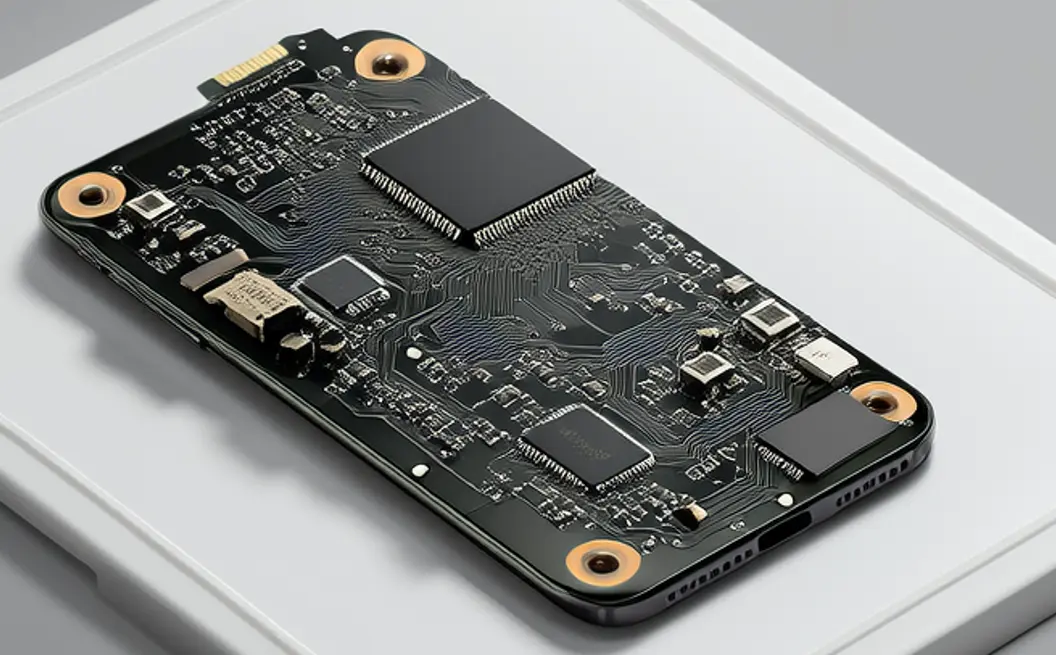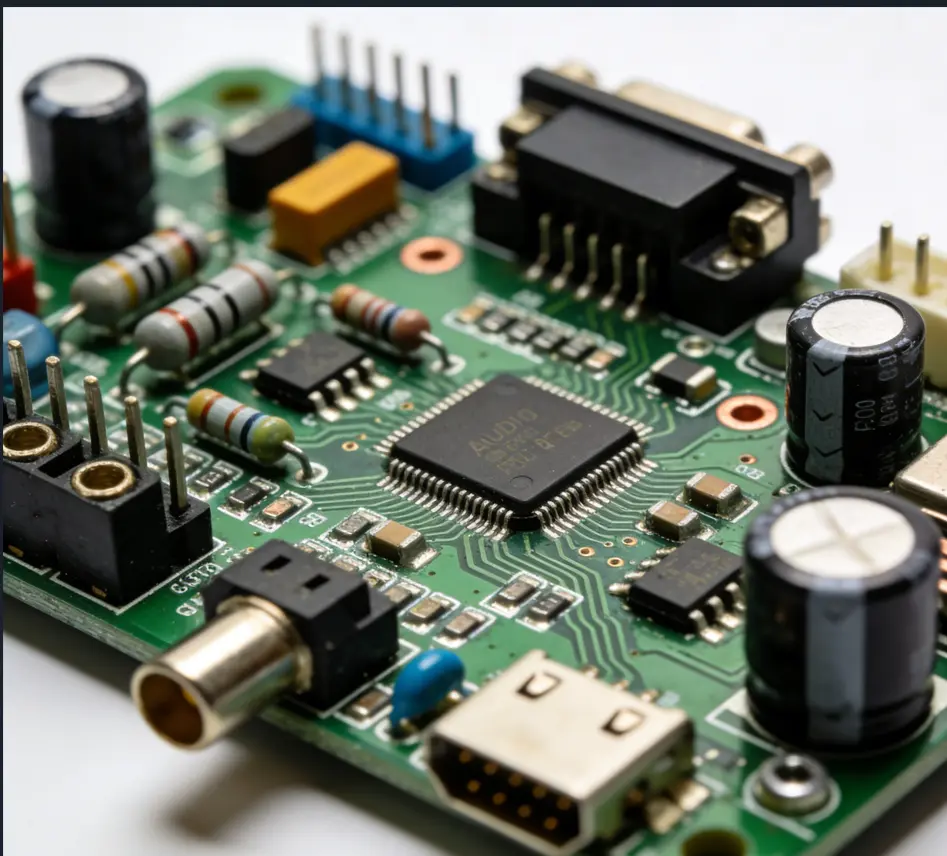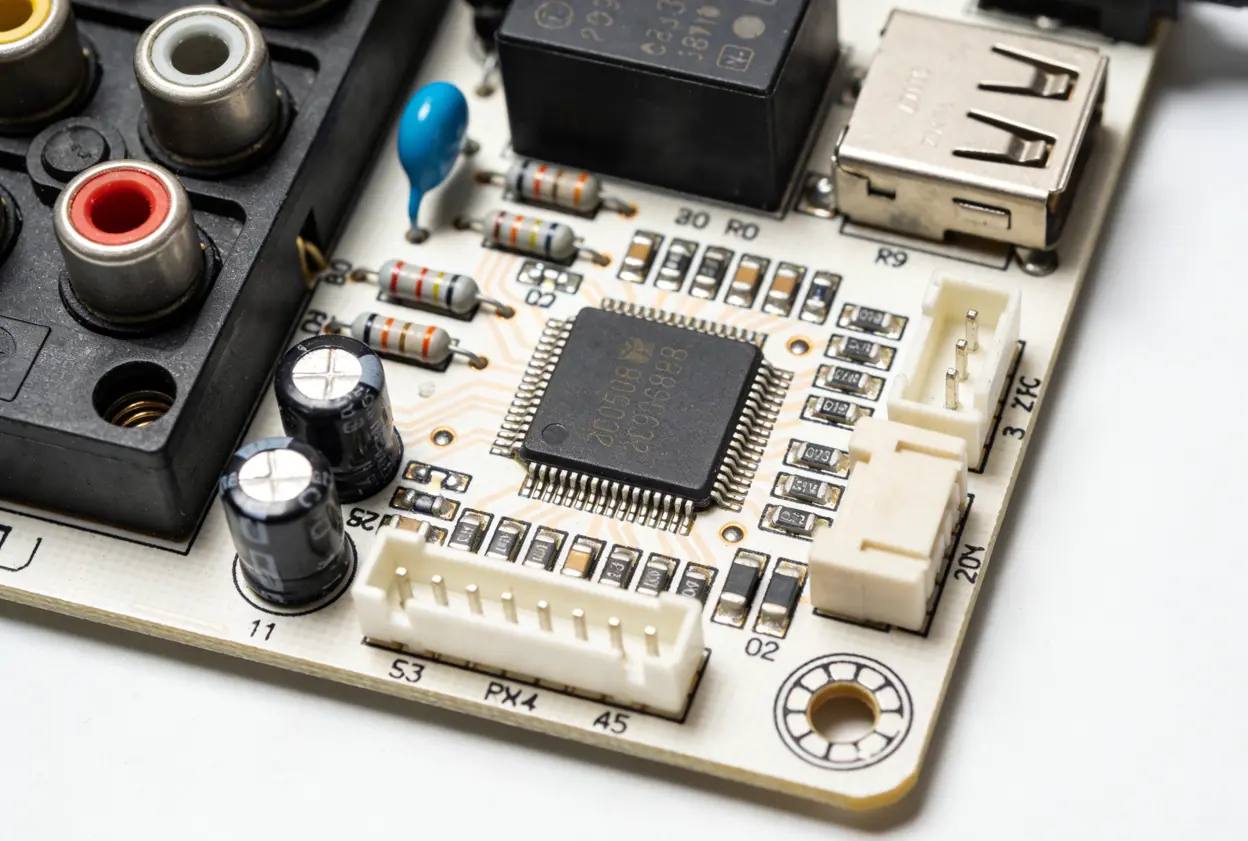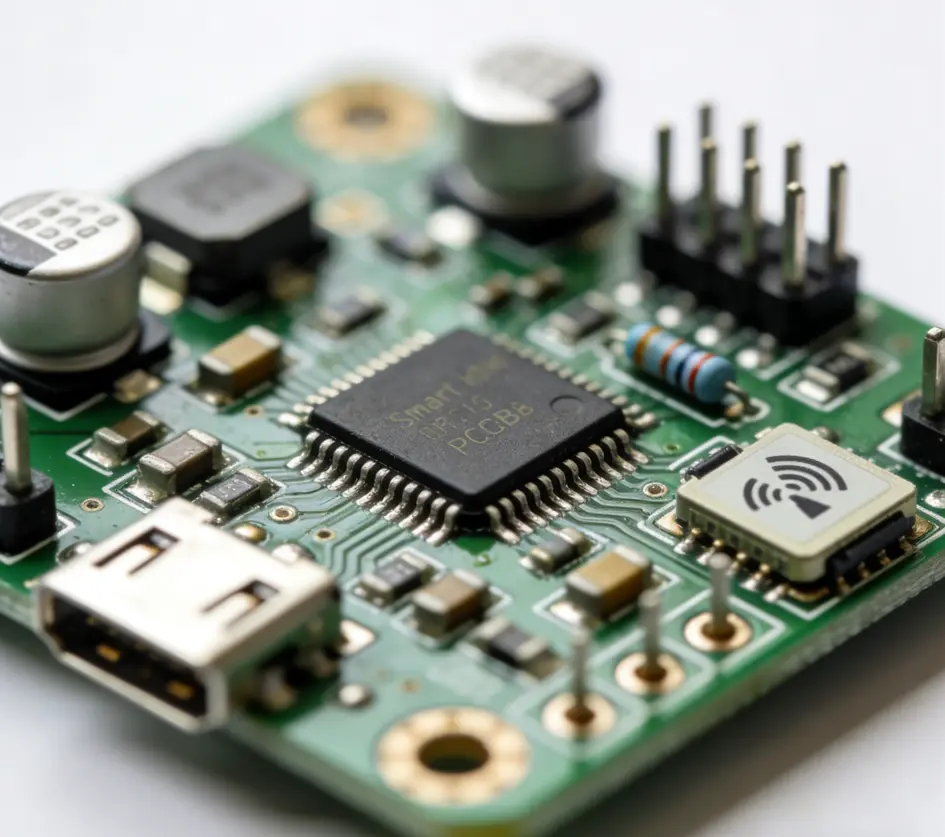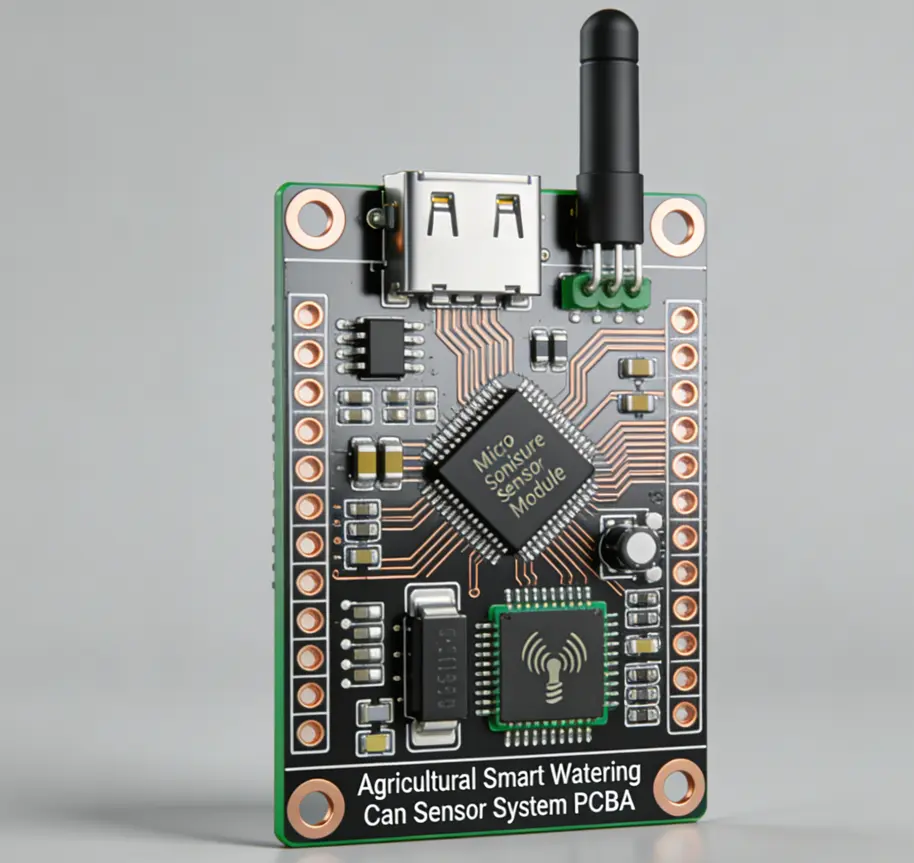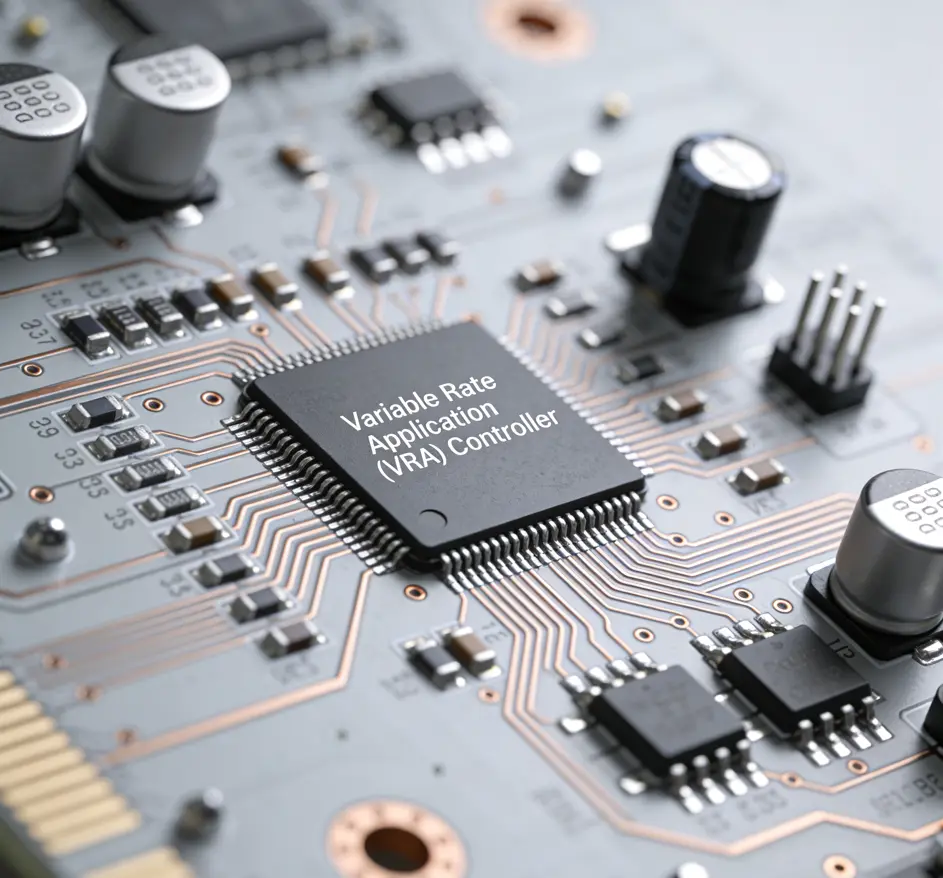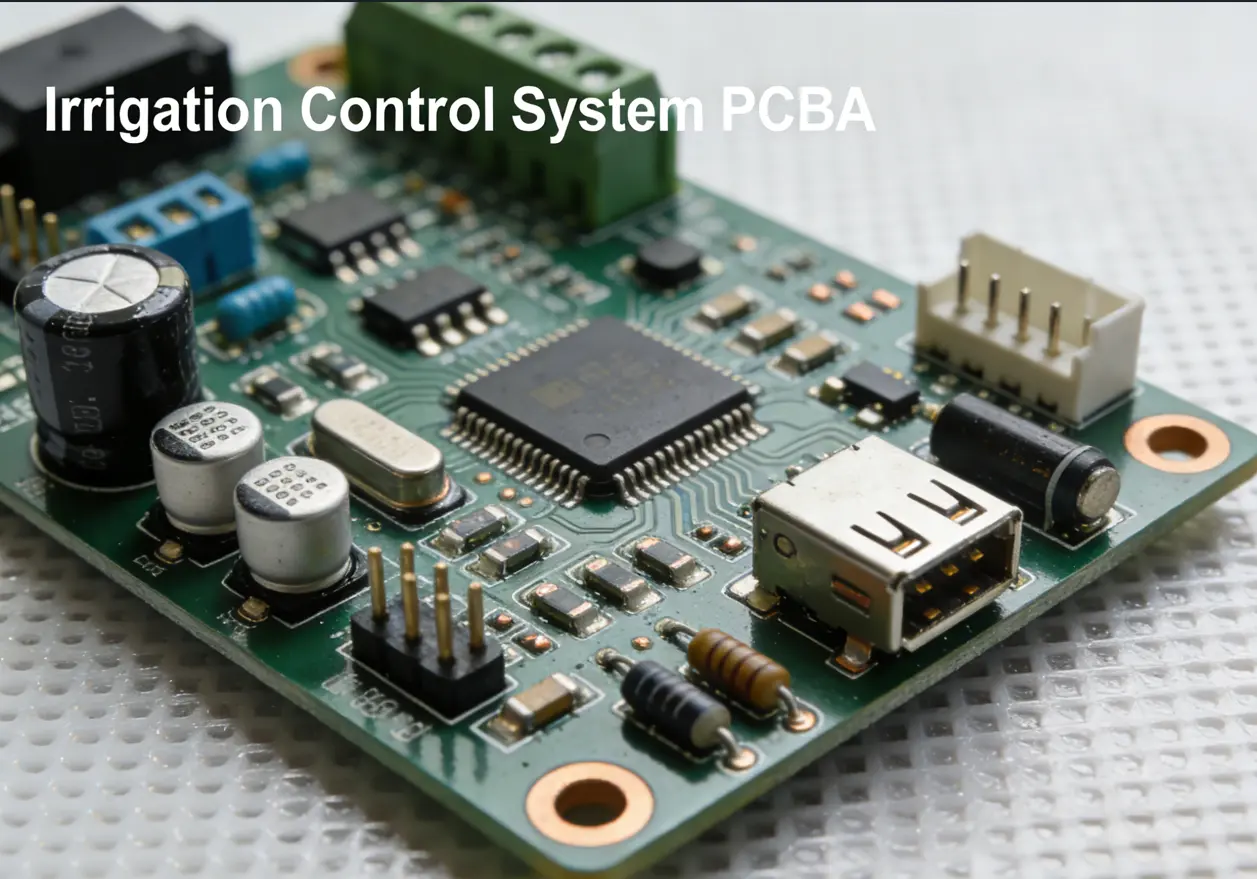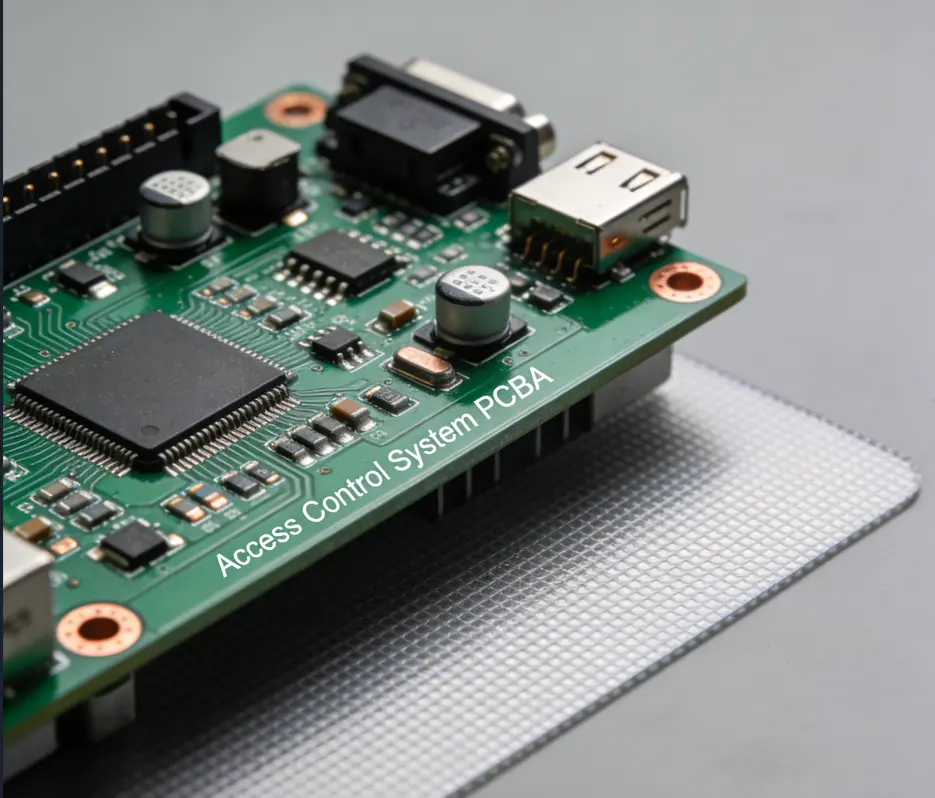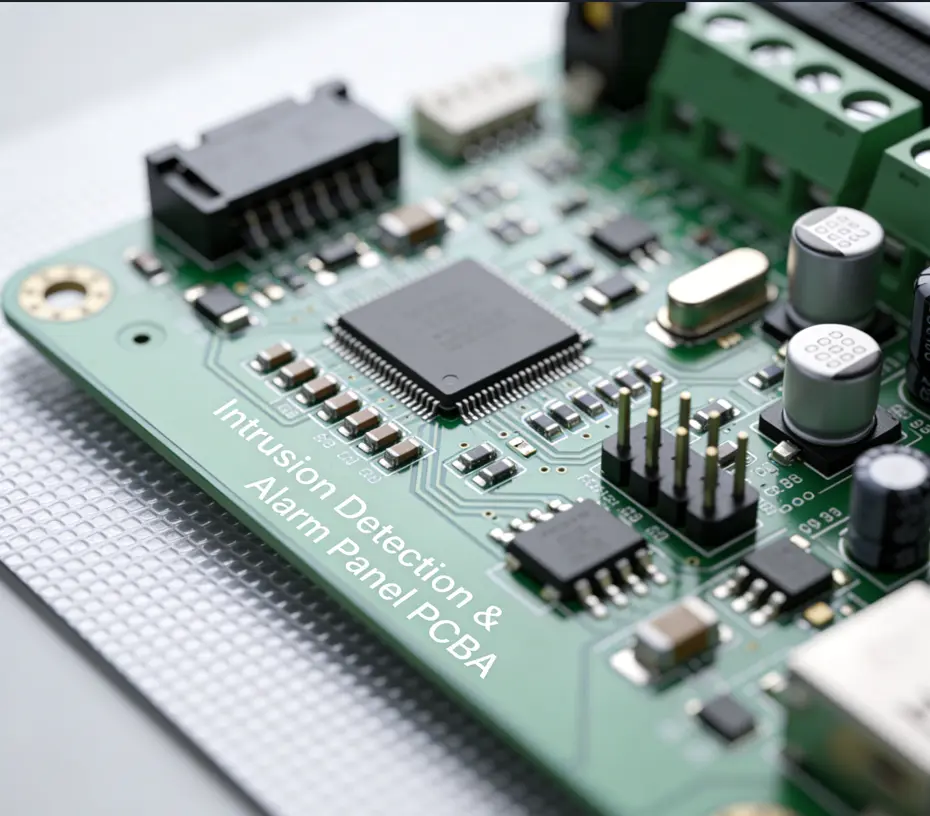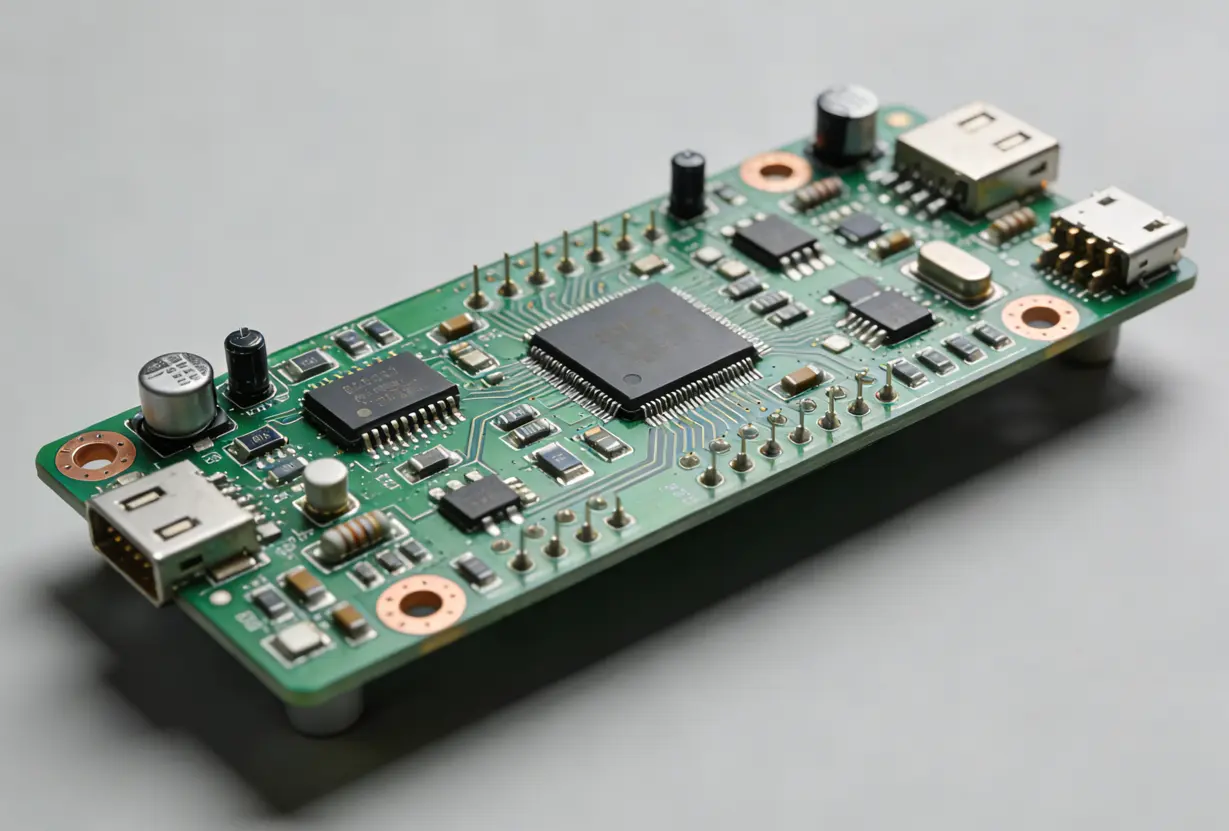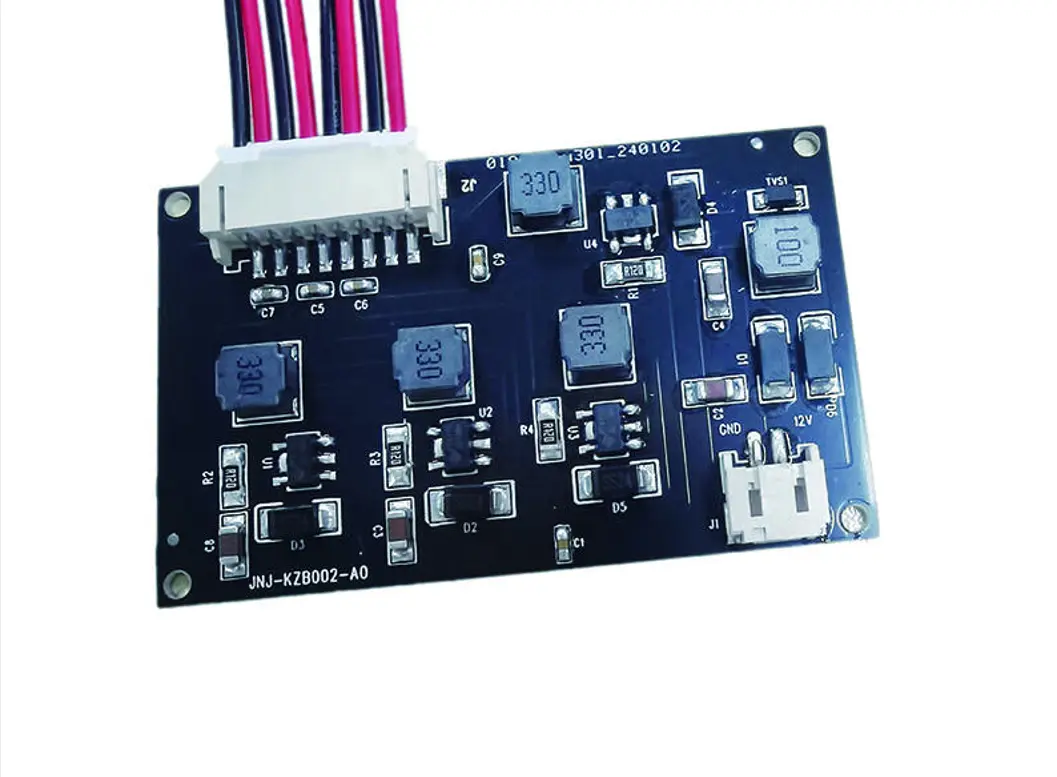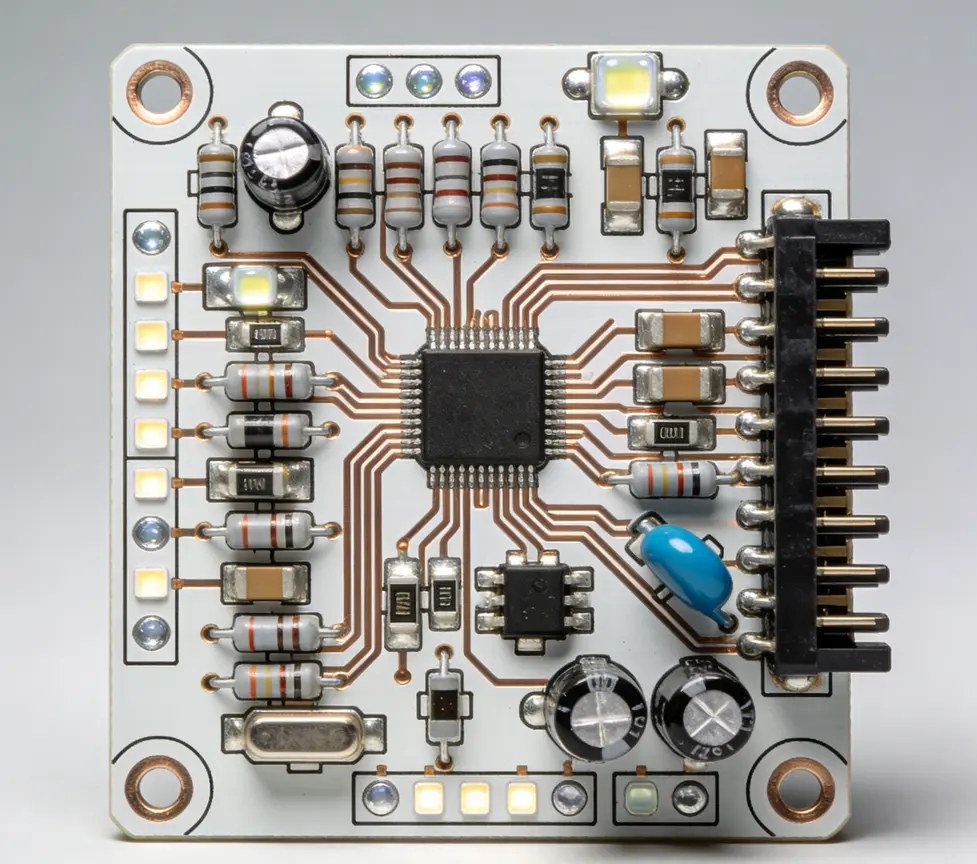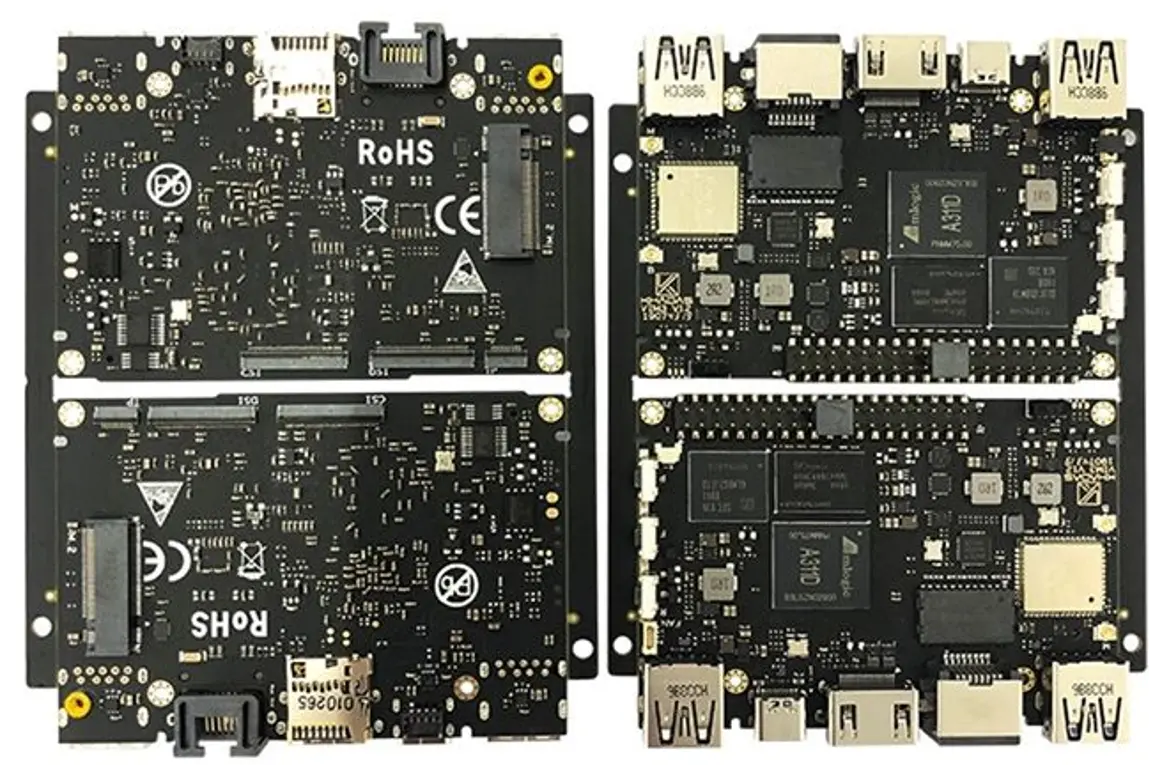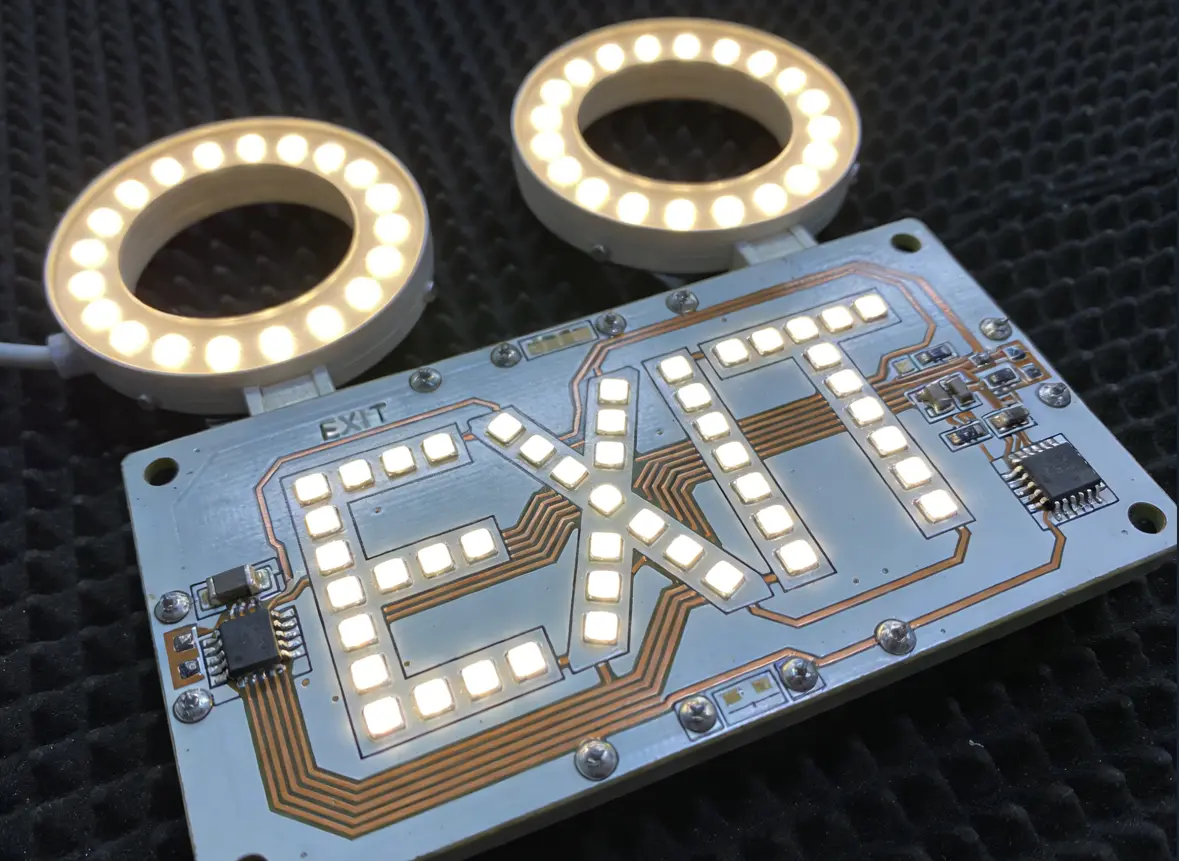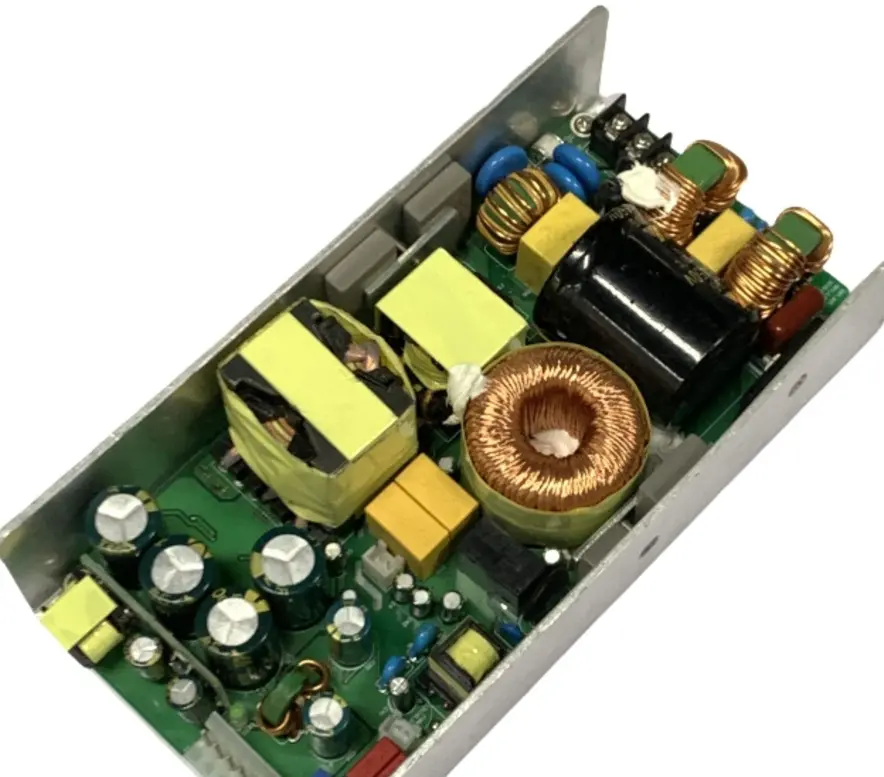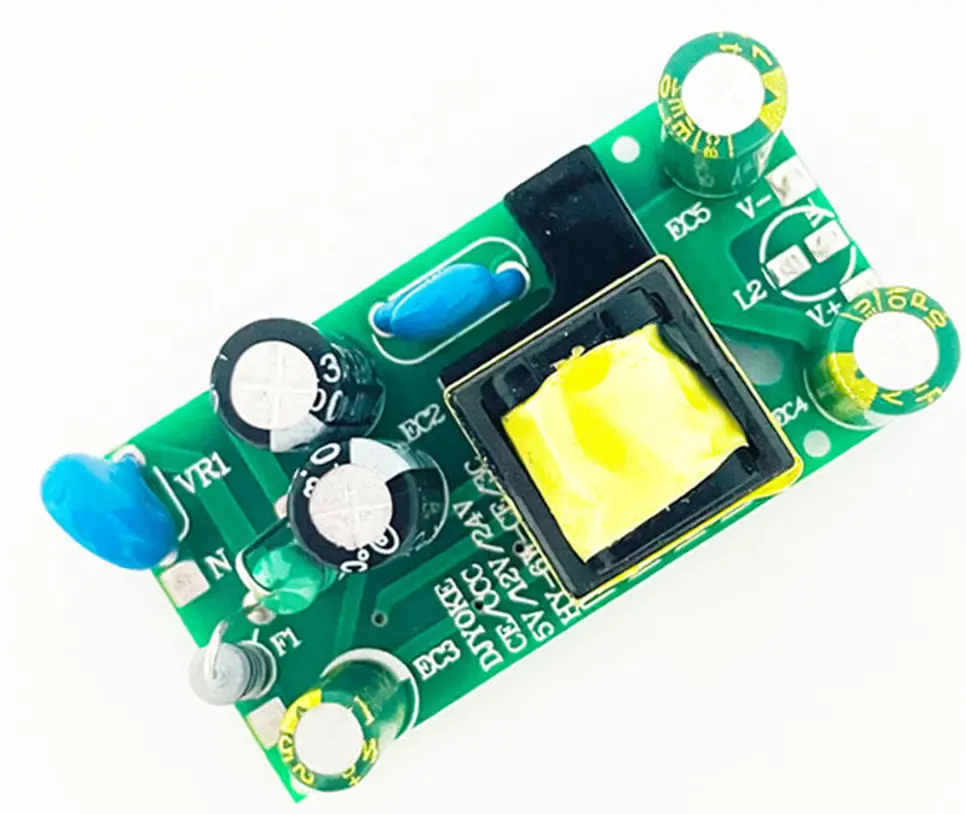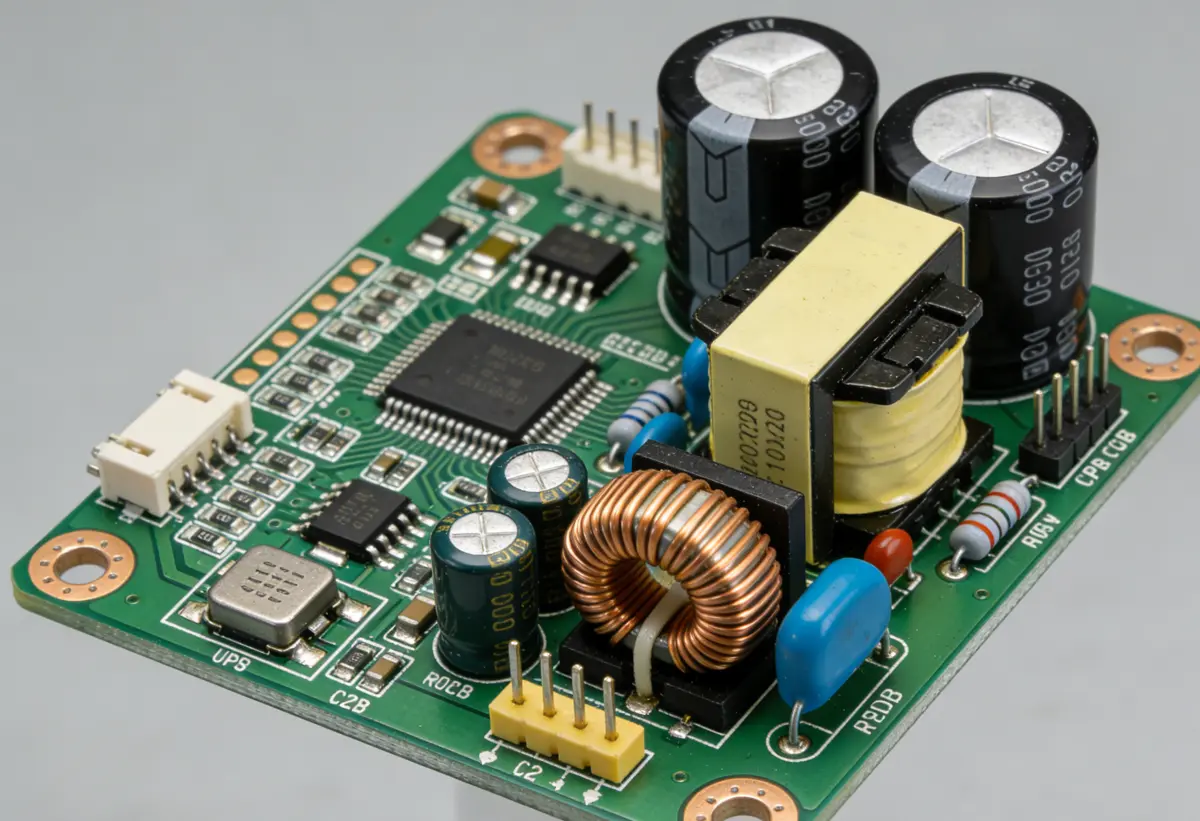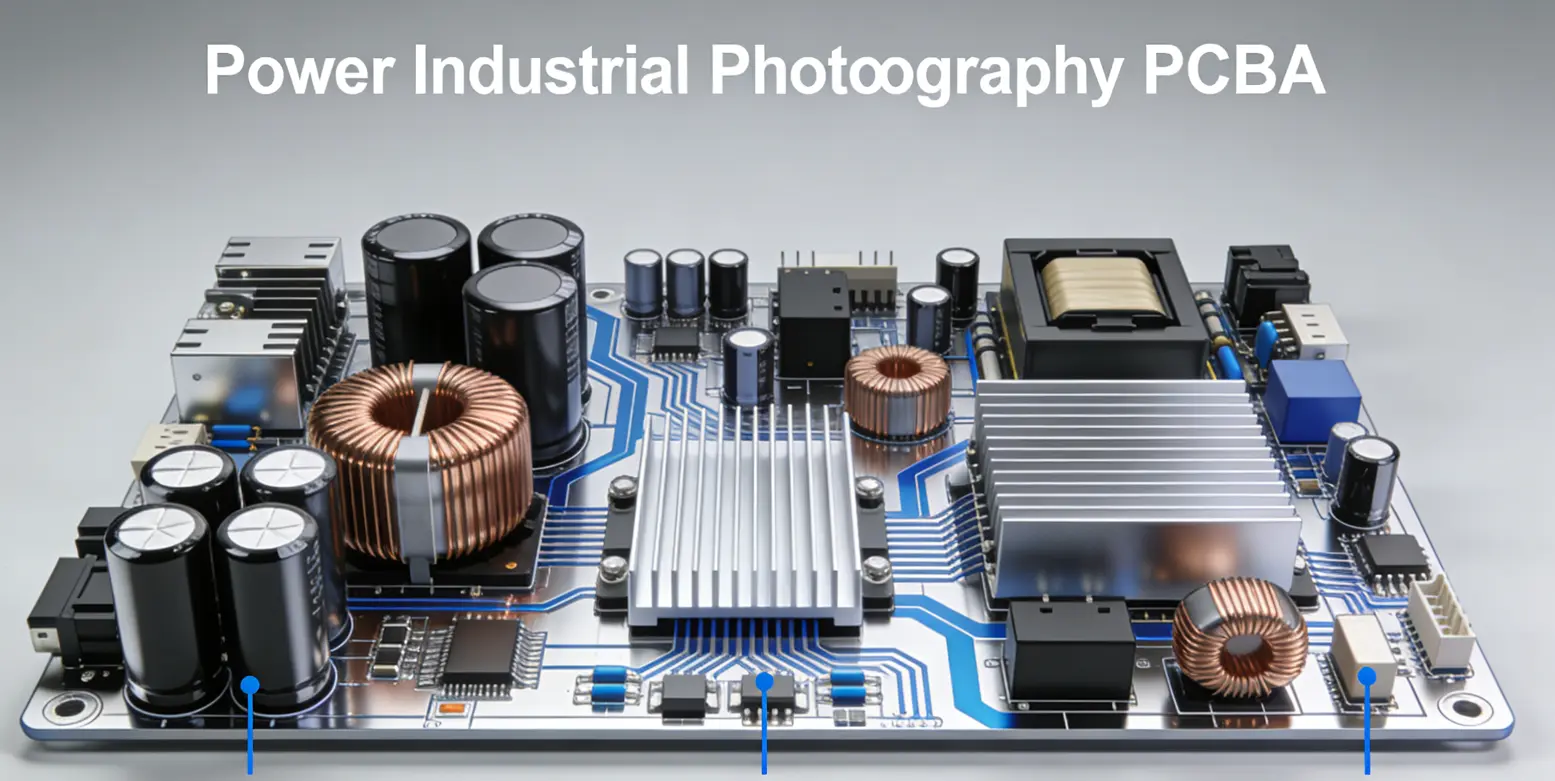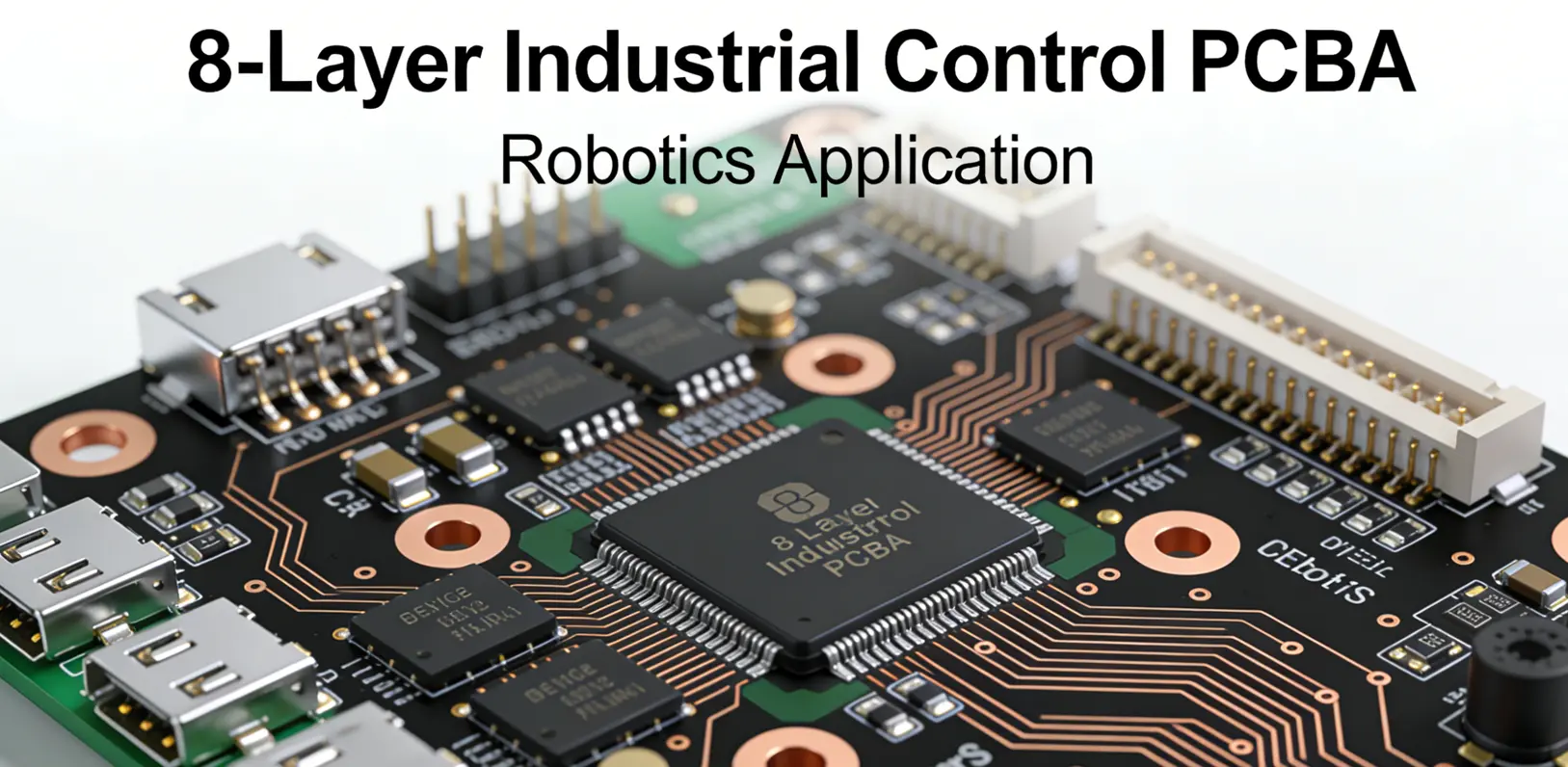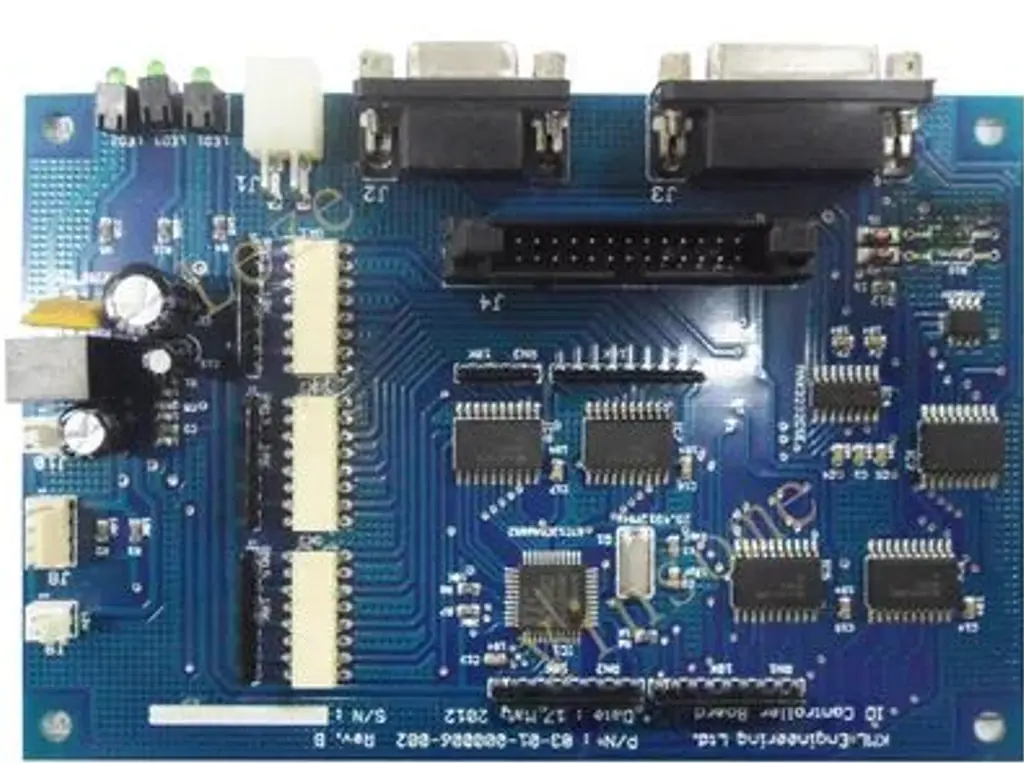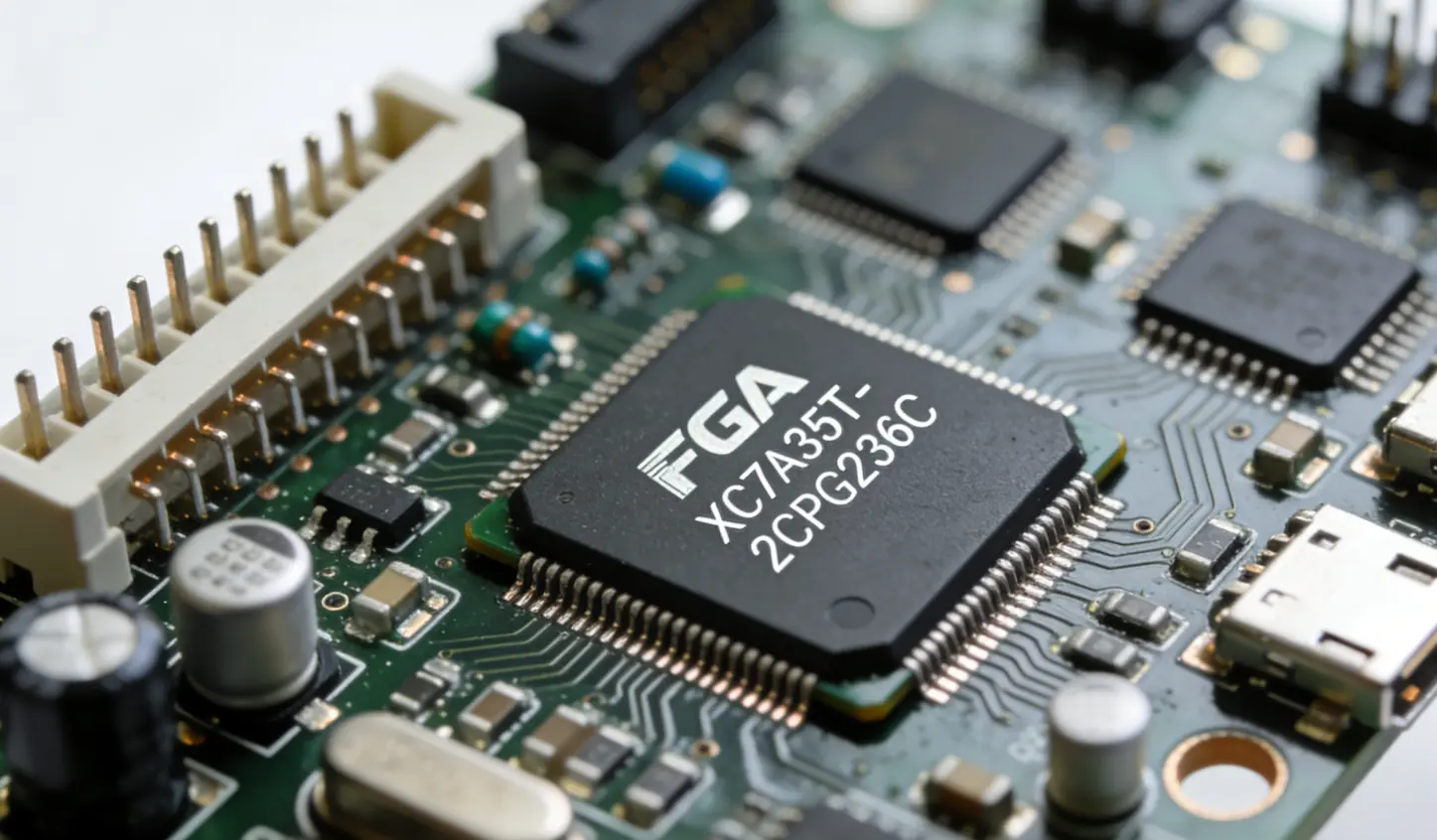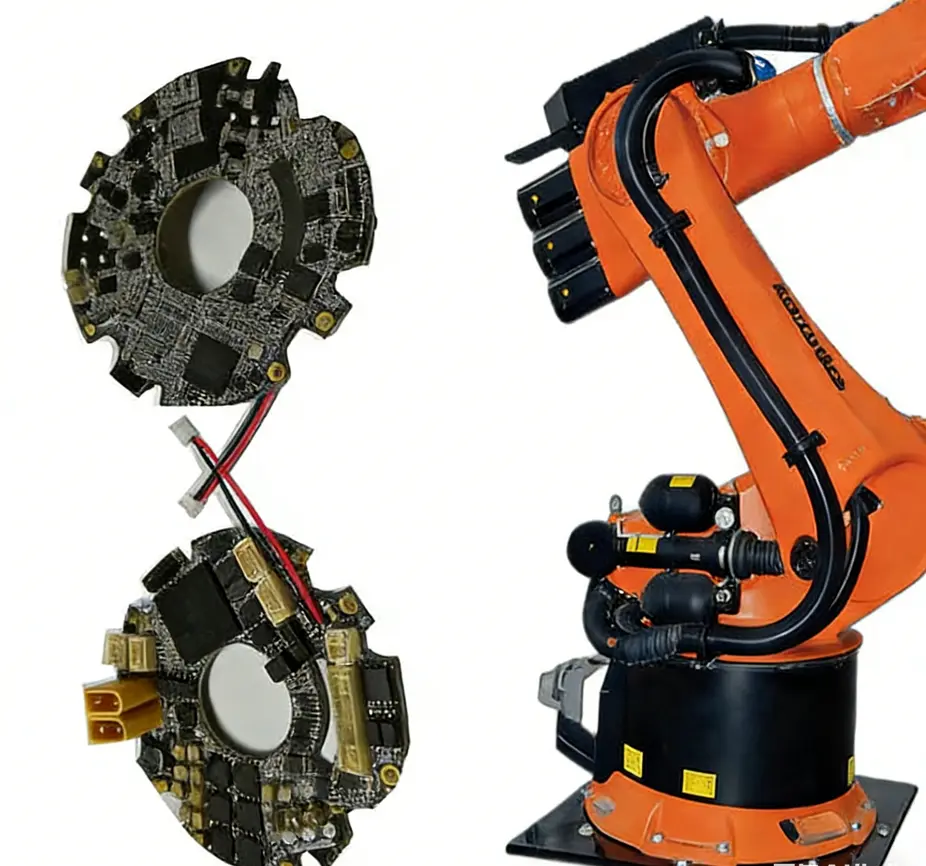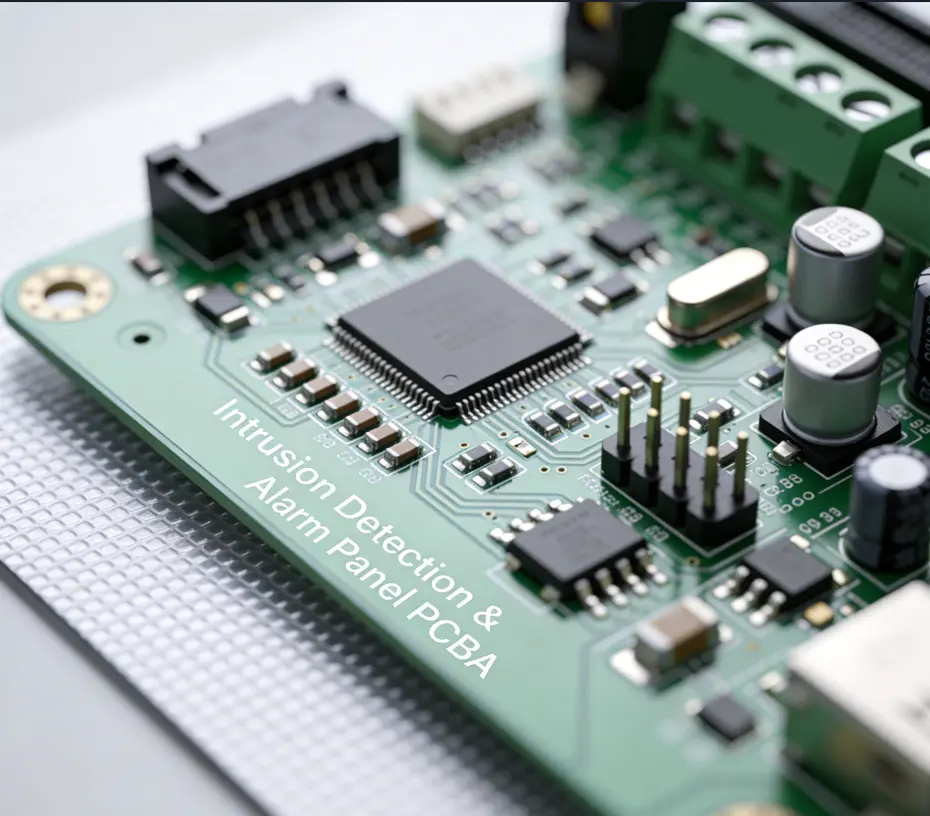
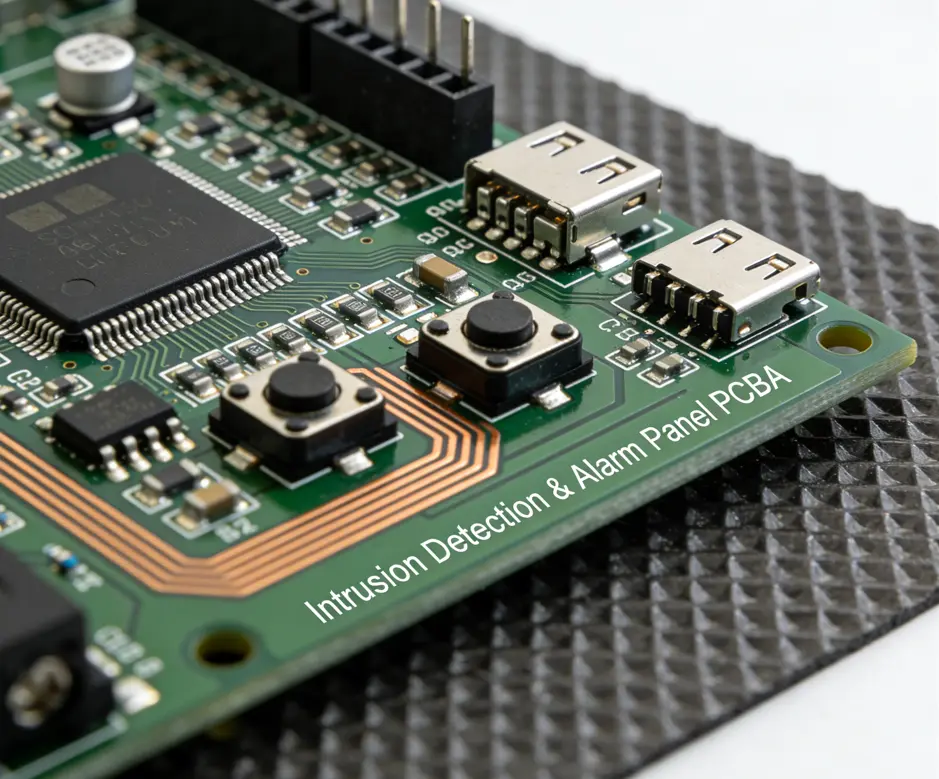
Intrusion detection & alarm panel PCB&PCBA serves as the core hardware foundation of security alarm systems, undertaking the functions of signal collection, processing, transmission, and alarm triggering. Its performance and reliability directly determine the stability and sensitivity of the entire alarm system. Given the diverse application scenarios of intrusion detection devices—ranging from commercial buildings and residential communities to industrial parks and outdoor facilities—the technical parameters of PCB&PCBA must meet strict requirements for environmental adaptability, signal integrity, and safety compliance. This article elaborates on the key technical parameters of intrusion detection & alarm panel PCB&PCBA, providing a comprehensive reference for product design, manufacturing, and quality control.
1. PCB Substrate and Structural Parameters
The substrate material and structural design of the PCB are the primary factors ensuring the mechanical strength and environmental stability of the alarm panel. FR-4 is the standard substrate material for most commercial-grade intrusion detection panels, featuring excellent electrical insulation, mechanical toughness, and cost-effectiveness. For high-stability applications such as industrial control environments or high-temperature working conditions, high TG FR-4 (glass transition temperature ≥170°C) is preferred, as it can resist thermal deformation and maintain performance stability under extreme temperature fluctuations. In scenarios requiring enhanced heat dissipation—such as panels integrated with high-power siren drivers or wireless communication modules—aluminum-based substrates are adopted to accelerate heat conduction and prevent component overheating.
The number of PCB layers is determined by the circuit complexity of the alarm panel. Basic models with simple functions (e.g., standalone magnetic contact alarms) typically use 2-layer PCBs, which are cost-efficient and easy to manufacture. Mid-to-high-end panels integrated with multiple modules (MCU, PIR sensors, GSM/GPRS modules, Ethernet interfaces) require 4-layer or 6-layer PCBs to optimize signal routing, reduce electromagnetic interference (EMI), and improve space utilization. The copper thickness of the PCB directly affects current-carrying capacity and heat dissipation performance; common specifications include 1 oz (35μm), 2 oz (70μm), and 3 oz (105μm). For power supply circuits of sensors and alarms, 2 oz or thicker copper is recommended to support stable operation of high-current channels (up to 10A).
Standard PCB thickness ranges from 0.8mm to 1.6mm with a tolerance of ±10%, among which 1.6mm is the most widely used specification, balancing mechanical strength and installation compatibility. The minimum line width and spacing are critical indicators of PCB manufacturing precision: commercial-grade panels usually adopt 0.1mm/0.1mm (4mil/4mil), while high-density designs (e.g., panels with BGA-packaged MCUs) can achieve 0.08mm/0.08mm (3mil/3mil) to accommodate more components in limited space.
2. PCB Surface Treatment and Coating Parameters
Surface treatment and coating processes are essential to ensure the solderability, corrosion resistance, and durability of PCB&PCBA. Common surface finish technologies include lead-free HASL, ENIG, OSP, and immersion silver, each with unique advantages for different application scenarios. Lead-free HASL (Hot Air Solder Leveling) is cost-effective and suitable for mass-produced commercial alarm panels, complying with RoHS 2.0 standards. ENIG (Electroless Nickel Immersion Gold) offers excellent solderability, wear resistance, and flatness, making it ideal for high-reliability applications such as precision sensor connections and gold finger interfaces. OSP (Organic Solderability Preservative) is a environmentally friendly option with low cost, suitable for short-term storage and SMT assembly of PCBs, while immersion silver provides good electrical conductivity and is widely used in high-frequency signal circuits of wireless alarm modules.
The solder mask plays a role in protecting the PCB circuit, preventing short circuits, and improving insulation performance. Green is the standard color, but red, blue, and black are also available for customization according to brand needs. All solder masks must be lead-free and halogen-free to meet environmental compliance requirements. The silkscreen process is used for component labeling, alignment marks, and brand logos; white and black are the most common colors, with high-resolution printing ensuring clear identification during assembly and maintenance.
3. PCBA Component Mounting and Compatibility Parameters
Component mounting technology of PCBA directly affects the integration level and reliability of the alarm panel. SMT (Surface Mount Technology) is the main mounting process, suitable for small-sized components such as MCUs, PIR sensors, and chip resistors/capacitors, enabling high-density assembly and improving production efficiency. THT (Through-Hole Technology) is retained for components requiring high mechanical strength and stable connection, such as power connectors, relays, and siren output terminals, ensuring resistance to vibration and long-term use.
Key components compatibility is a core parameter for PCBA design. The MCU (Microcontroller Unit) is the "brain" of the alarm panel, with common compatible models including ARM Cortex-M series and PIC series, which support high-speed signal processing and multiple communication protocols. Motion sensors (PIR) require compatibility with low-power consumption and high-sensitivity specifications to ensure accurate detection of human movement. Other compatible components include magnetic contacts for door/window detection, siren drivers for alarm sound output, GSM/GPRS modules for remote communication, and Ethernet modules for wired network connection, all of which need to match the PCB circuit design and electrical parameters.
4. Environmental Adaptability and Electrical Performance Parameters
Intrusion detection & alarm panels often operate in complex environments, so their PCB&PCBA must have excellent environmental adaptability. The operating temperature range is divided into commercial grade (-20°C ~ +70°C) and industrial grade (-40°C ~ +85°C); industrial-grade PCBA uses high-temperature resistant components and substrates to adapt to harsh conditions such as outdoor or industrial workshops. Humidity resistance requires the PCBA to work normally in an environment with 5% ~ 95% RH (non-condensing), avoiding circuit corrosion and short circuits caused by moisture.
Electrical performance parameters determine the signal stability and working reliability of the alarm panel. The voltage rating is divided into logic circuits (3.3V, 5V) and power supply circuits (12V, 24V); logic circuits ensure the normal operation of MCUs and sensors, while power supply circuits provide stable power for high-power components such as sirens and relays. The current capacity of power output channels can reach up to 10A, meeting the power demand of various peripheral devices. EMC (Electromagnetic Compatibility) compliance is mandatory, including CE (EN 55032, EN 55035), FCC Part 15, RoHS 2.0, and REACH certifications, ensuring that the PCBA does not generate excessive electromagnetic radiation and can resist external electromagnetic interference, avoiding false alarms or signal loss.
5. Quality Control and Testing Parameters
Strict quality control and testing are necessary to ensure the reliability of intrusion detection & alarm panel PCB&PCBA. PCB warpage must comply with IPC-A-600 Class 2 standard, with a warpage rate ≤0.75%, preventing assembly failures and signal distortion caused by structural deformation. During the manufacturing process, multiple testing methods are adopted: AOI (Automated Optical Inspection) detects surface defects such as solder bridges and missing components; X-Ray Inspection is used for internal defects of BGA/QFN components, ensuring solder joint quality; Functional Testing verifies power-on status, signal transmission, and alarm trigger accuracy, simulating actual working scenarios to confirm product performance; Burn-in Testing conducts long-term high-load operation tests to screen out early failure products and improve long-term reliability.
6. Conclusion
The technical parameters of intrusion detection & alarm panel PCB&PCBA cover substrate materials, structural design, surface treatment, component mounting, environmental adaptability, and quality testing. Each parameter is closely related to the performance, reliability, and compliance of the alarm system. With the continuous development of security technology, intrusion detection panels are moving towards intelligence, wirelessization, and high integration, which puts forward higher requirements for PCB&PCBA technical parameters. By strictly controlling each link of PCB&PCBA design and manufacturing in accordance with the above parameters, manufacturers can produce high-quality intrusion detection & alarm panels that meet diverse application needs, providing a solid guarantee for public safety and property protection.
|
Parameter Category |
Specification Details |
|
Substrate Material |
FR-4 (Standard), High TG FR-4 (≥170°C, for high-stability applications), Aluminum-based (for heat dissipation scenarios) |
|
Number of Layers |
2-layer, 4-layer, 6-layer (customizable based on circuit complexity) |
|
Copper Thickness |
1 oz (35μm), 2 oz (70μm), 3 oz (105μm) |
|
Board Thickness |
0.8mm, 1.0mm, 1.2mm, 1.6mm (±10% tolerance) |
|
Minimum Line Width/Spacing |
0.1mm/0.1mm (4mil/4mil), 0.08mm/0.08mm (3mil/3mil) for high-density designs |
|
Solder Mask |
Green (standard), Red, Blue, Black; Lead-free (RoHS compliant), Halogen-free option |
|
Silkscreen |
White, Black; High-resolution printing for component labeling and alignment marks |
|
Surface Finish |
HASL (Lead-free), ENIG (Electroless Nickel Immersion Gold), OSP (Organic Solderability Preservative), Immersion Silver |
|
Component Mounting Technology |
SMT (Surface Mount Technology, main process), THT (Through-Hole Technology, for connectors/relays) |
|
Key Components Compatibility |
Microcontrollers (MCU: ARM Cortex-M series, PIC series), Motion Sensors (PIR), Magnetic Contacts, Siren Drivers, GSM/GPRS Modules, Ethernet Modules |
|
Operating Temperature Range |
-20°C ~ +70°C (commercial grade), -40°C ~ +85°C (industrial grade) |
|
Humidity Resistance |
5% ~ 95% RH (non-condensing) |
|
Voltage Rating |
3.3V, 5V (logic circuits); 12V, 24V (power supply circuits for sensors/alarms) |
|
Current Capacity |
Up to 10A (for power output channels) |
|
EMC Compliance |
CE (EN 55032, EN 55035), FCC Part 15, RoHS 2.0, REACH |
|
PCB Warpage |
≤0.75% (IPC-A-600 Class 2 standard) |
|
Testing Standards |
AOI (Automated Optical Inspection), X-Ray Inspection (for BGA/QFN components), Functional Testing (power-on, signal transmission, alarm trigger verification), Burn-in Testing |