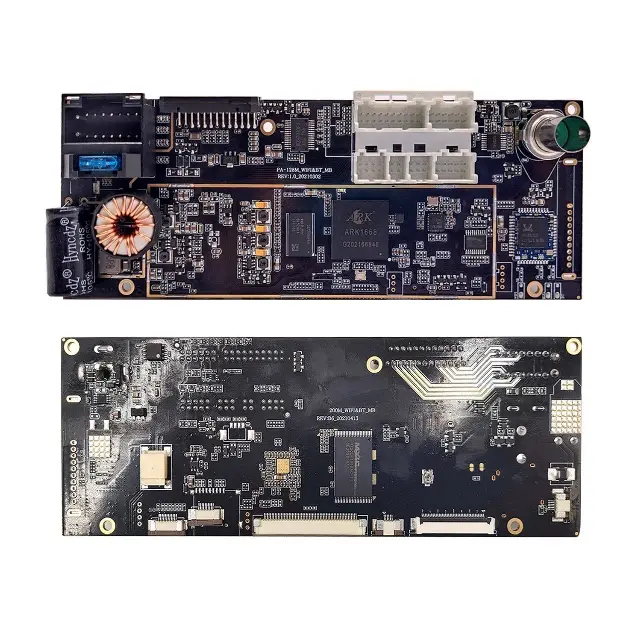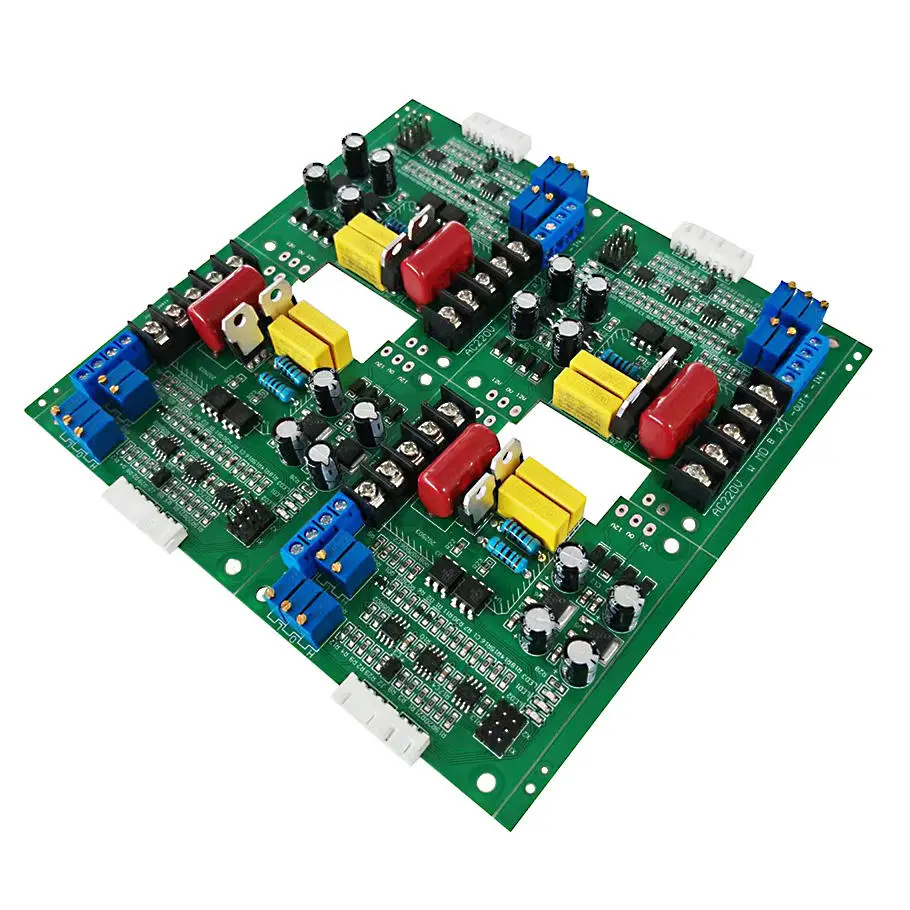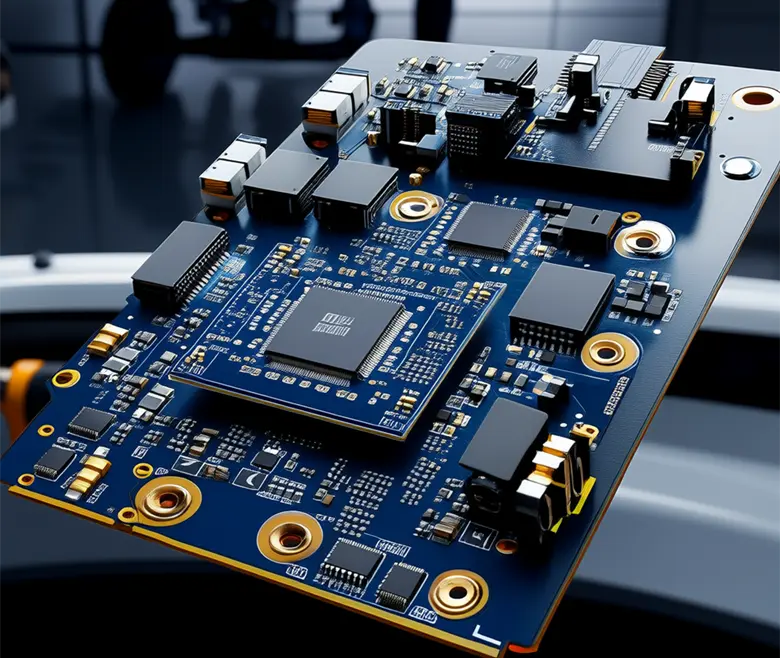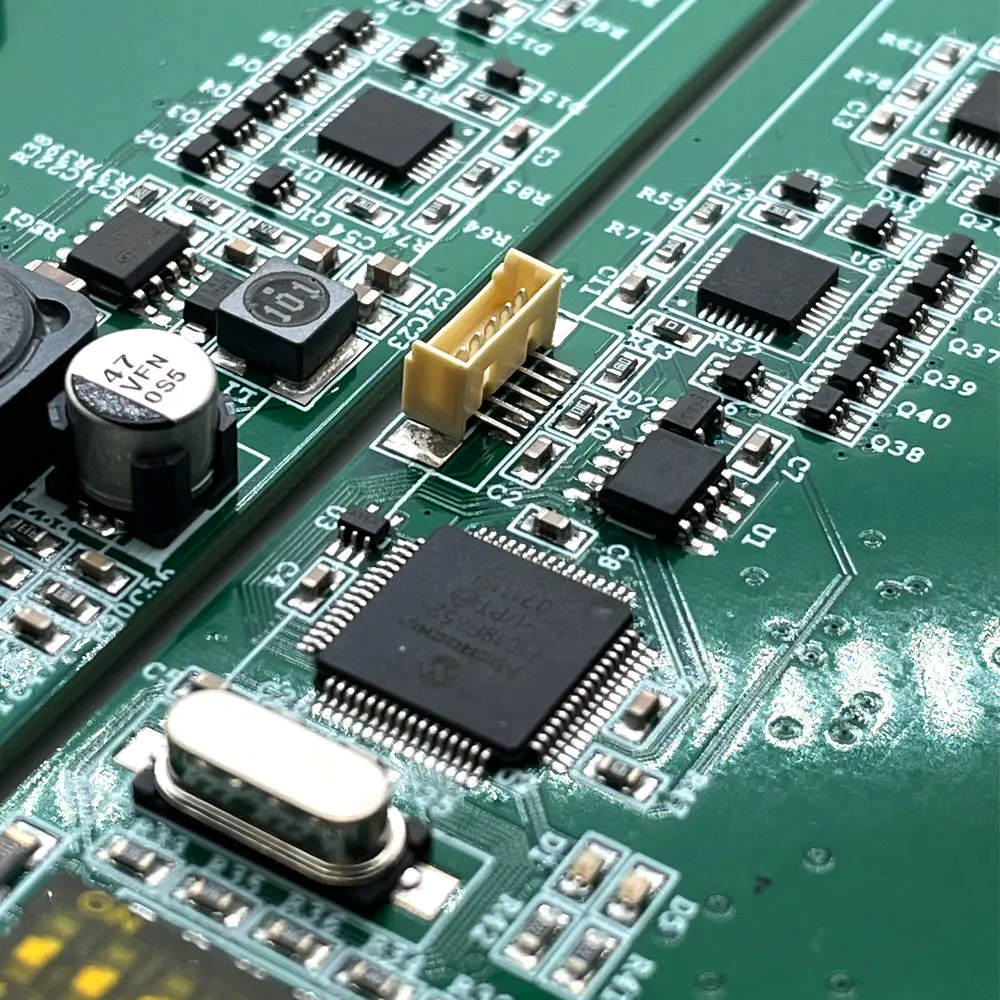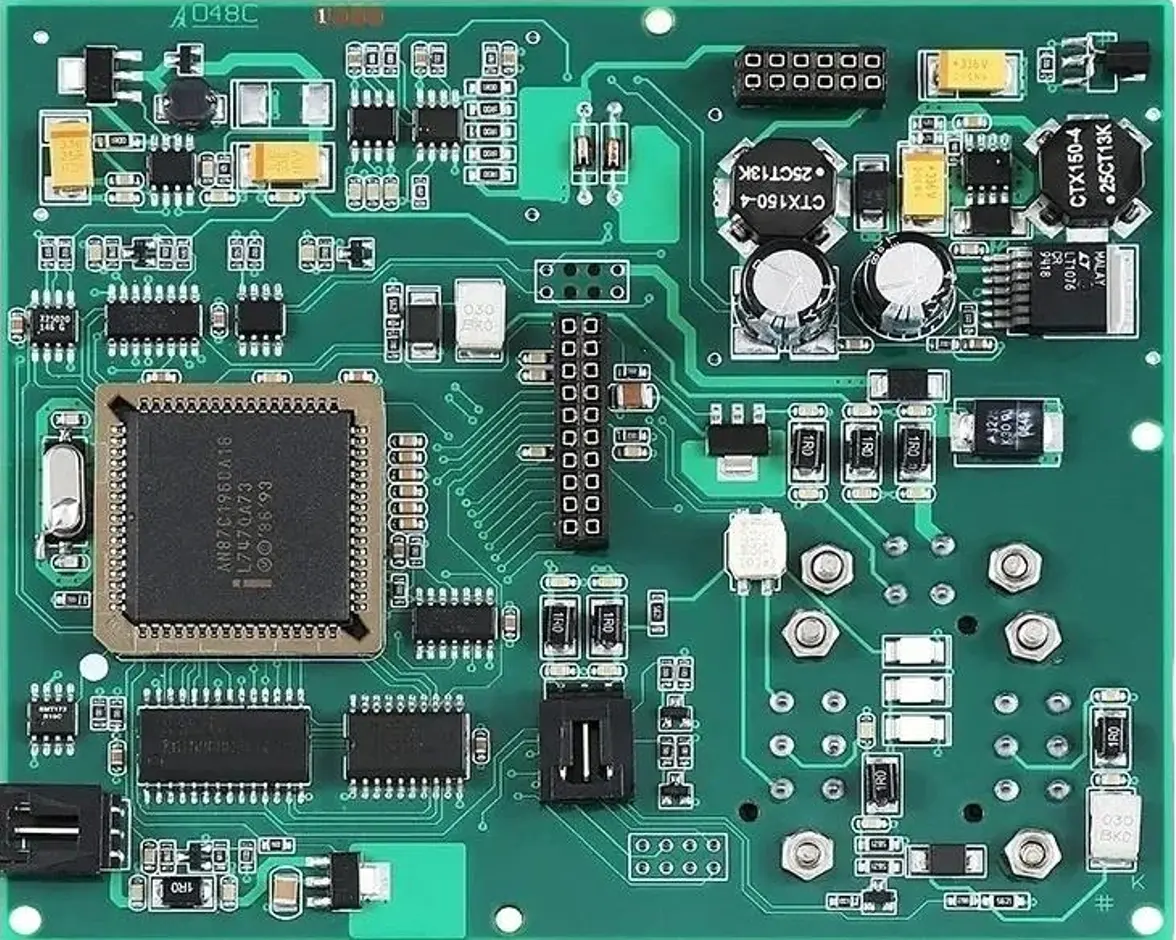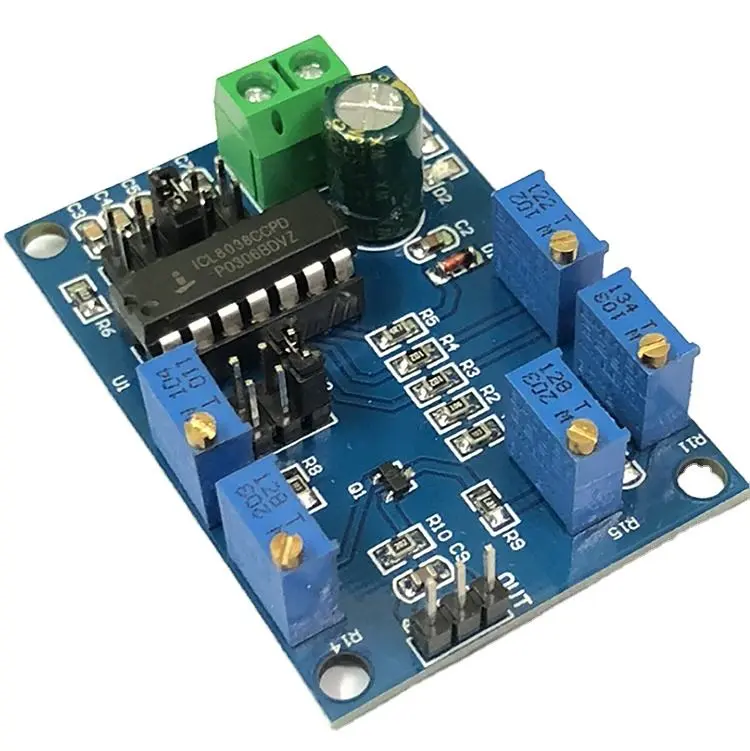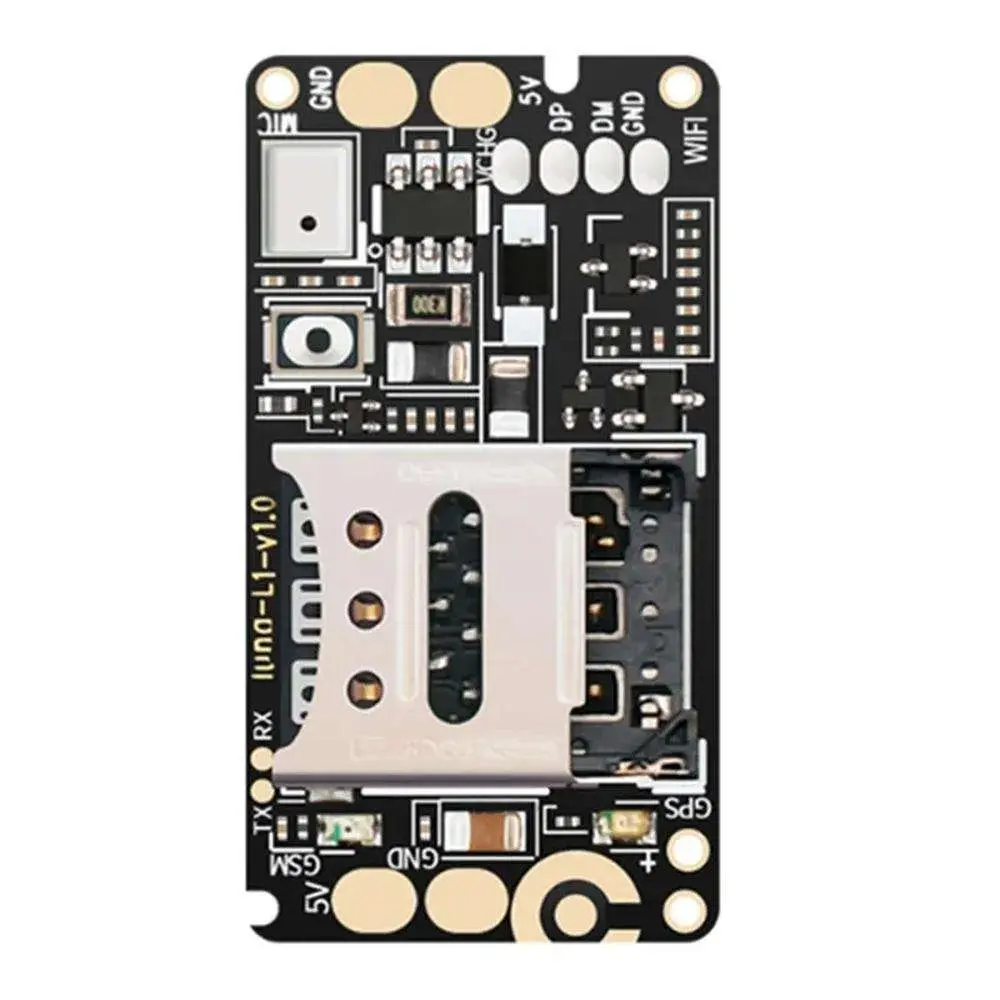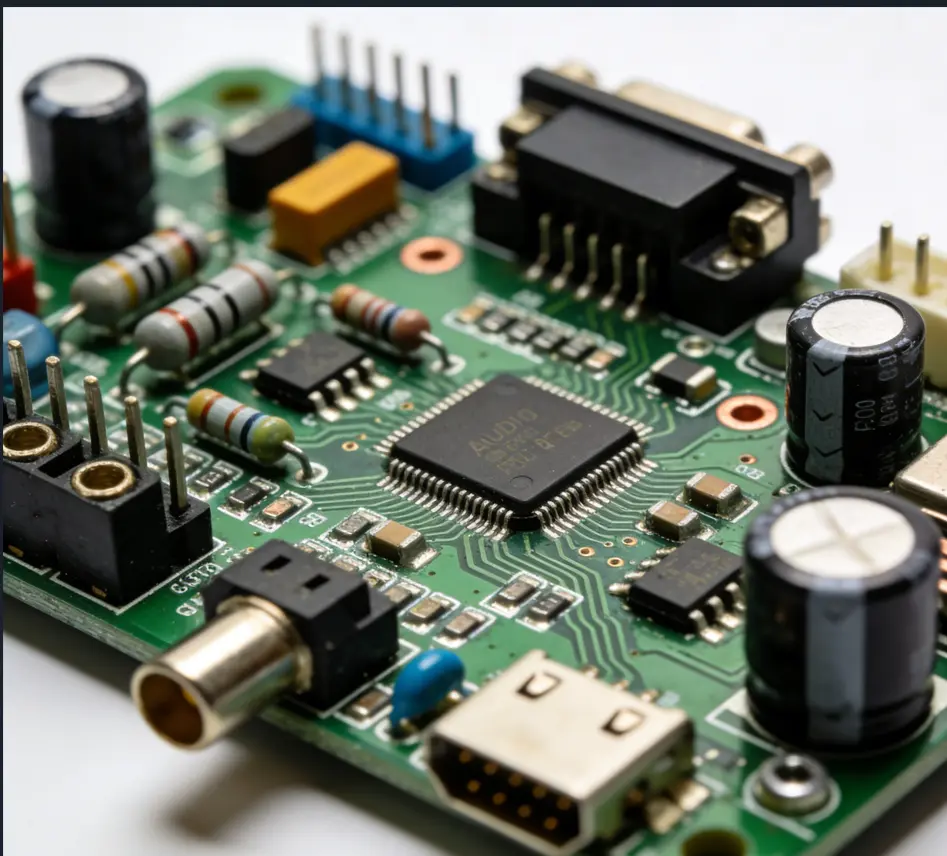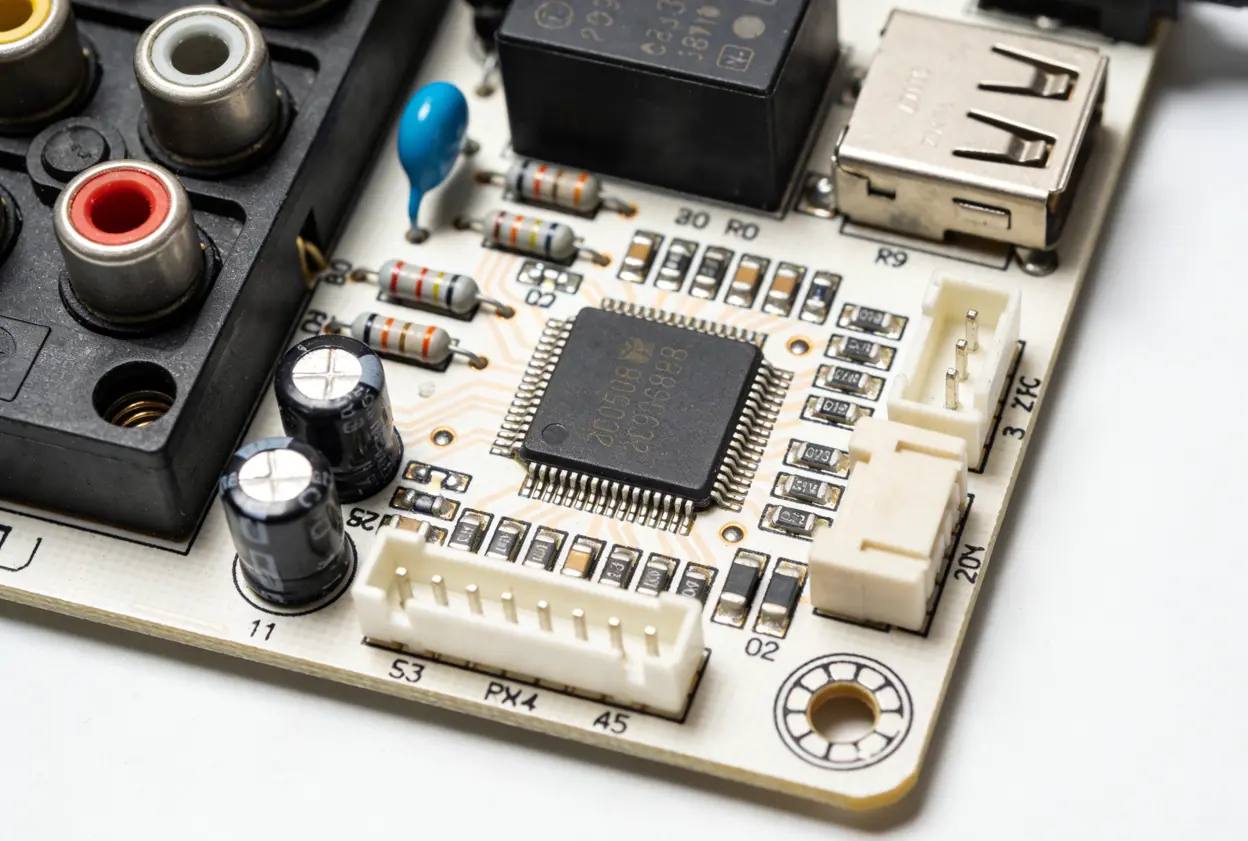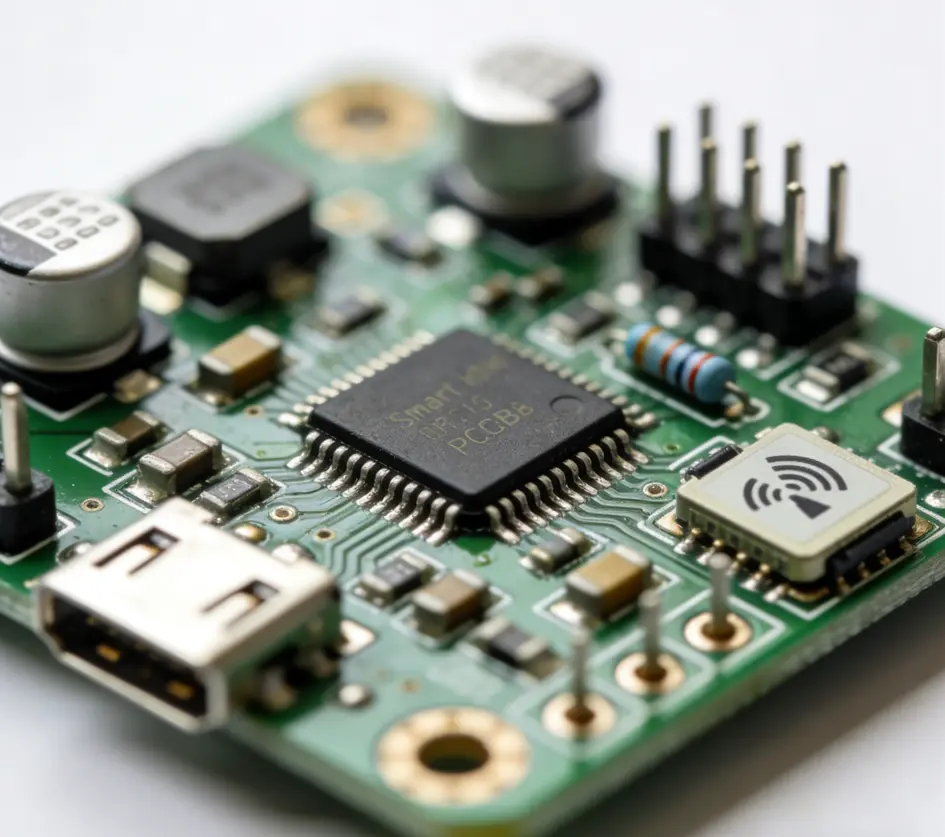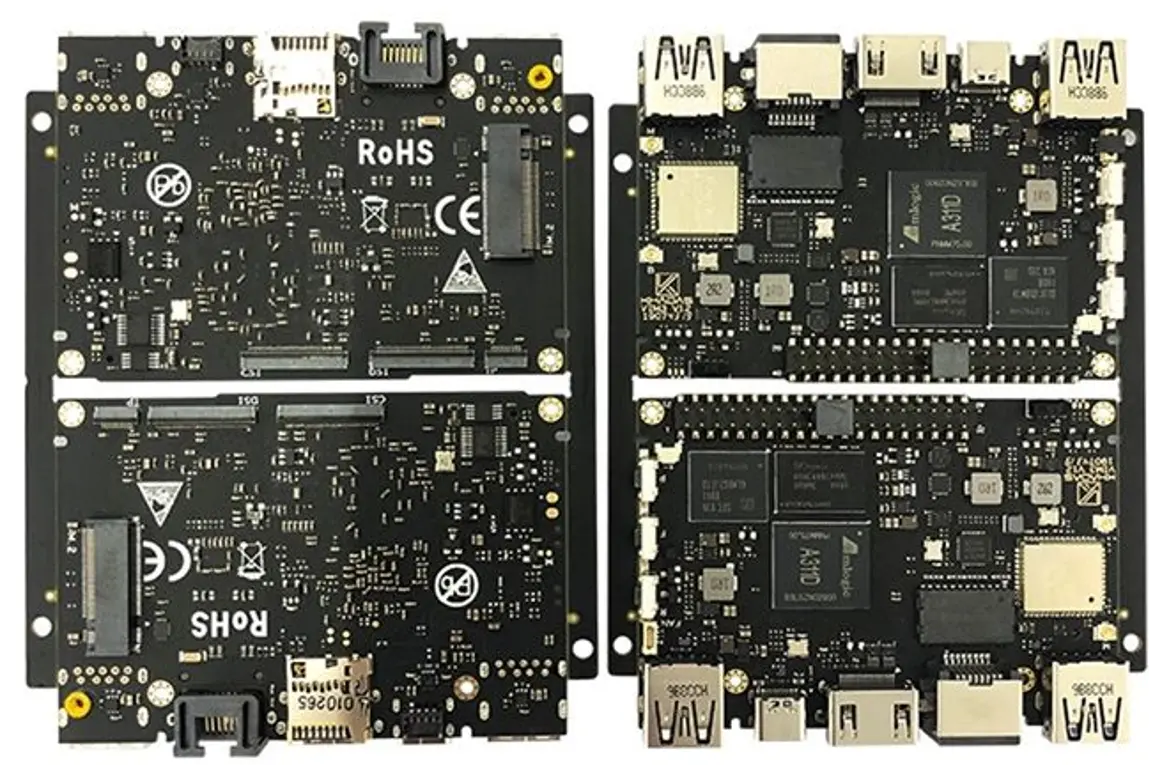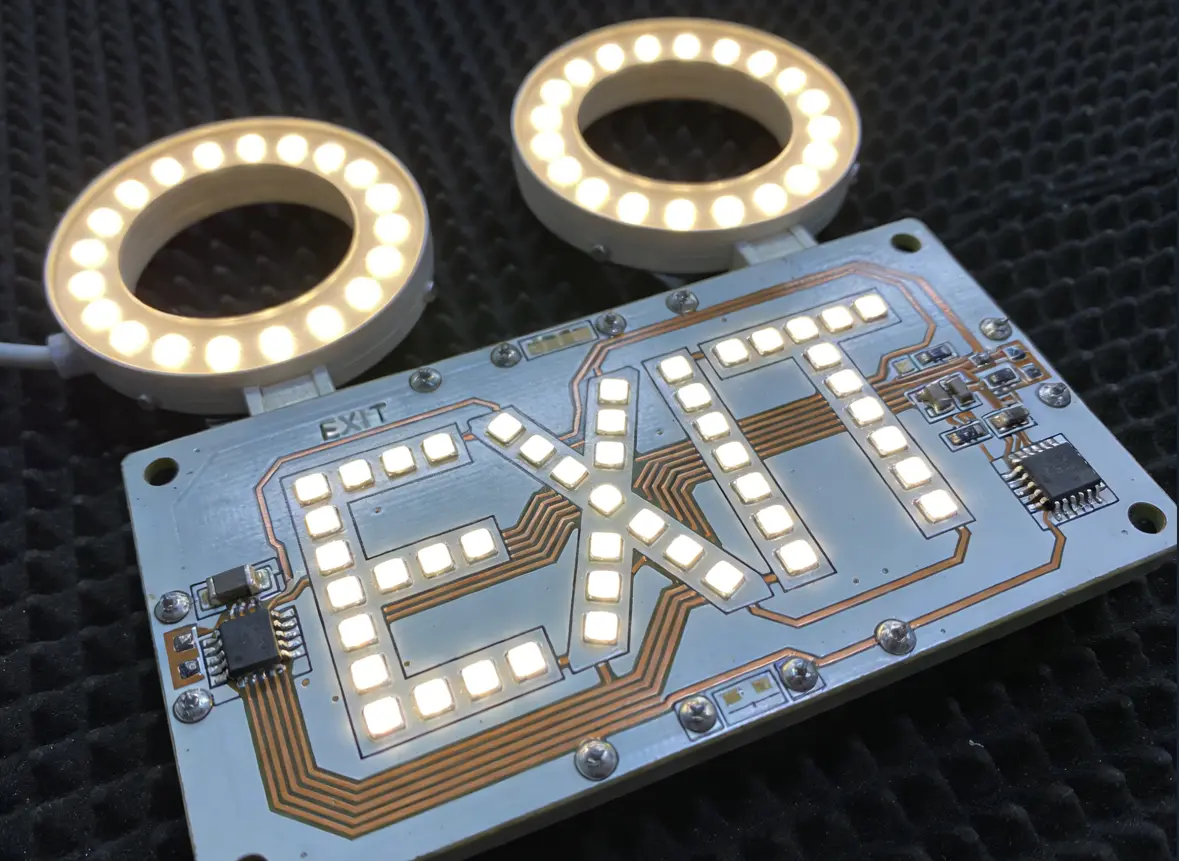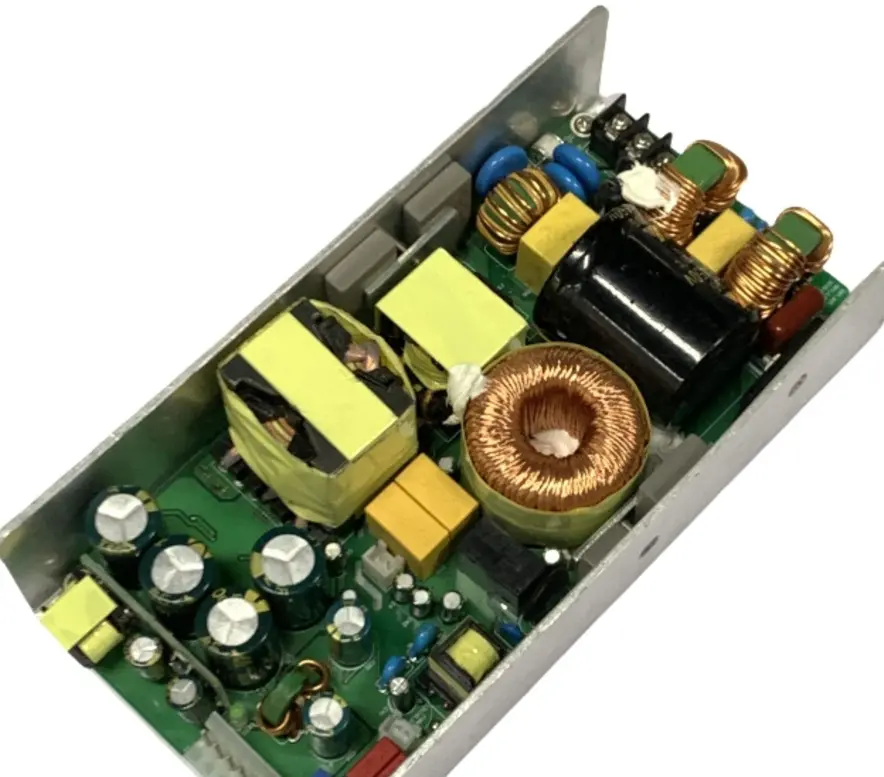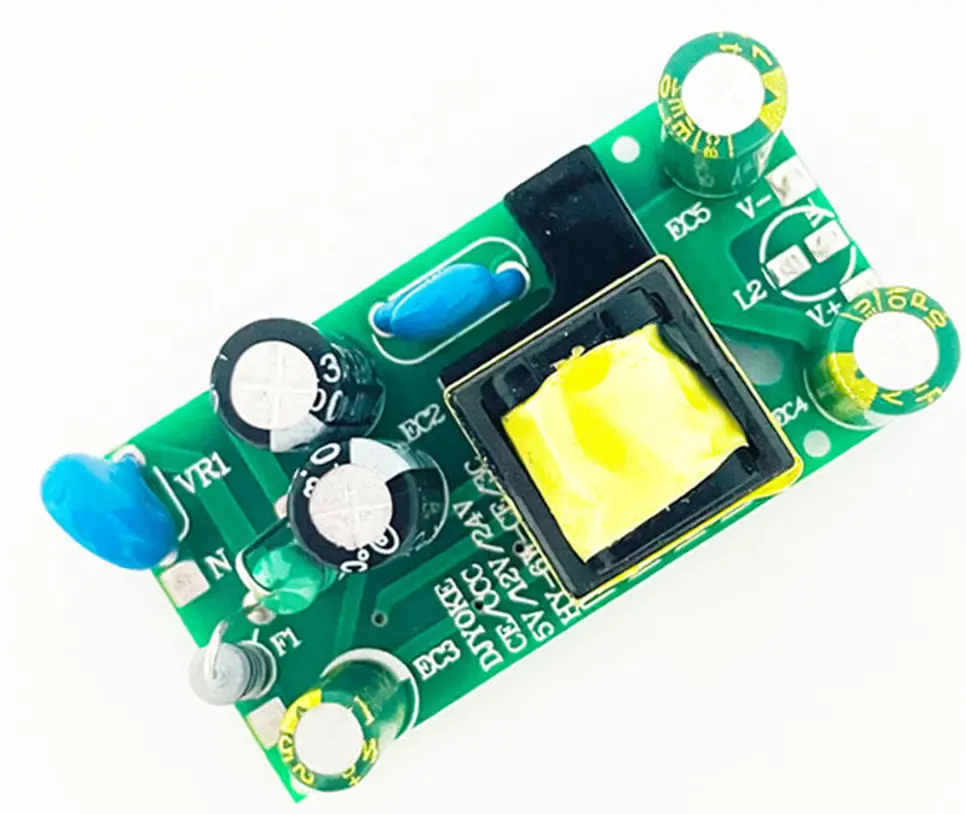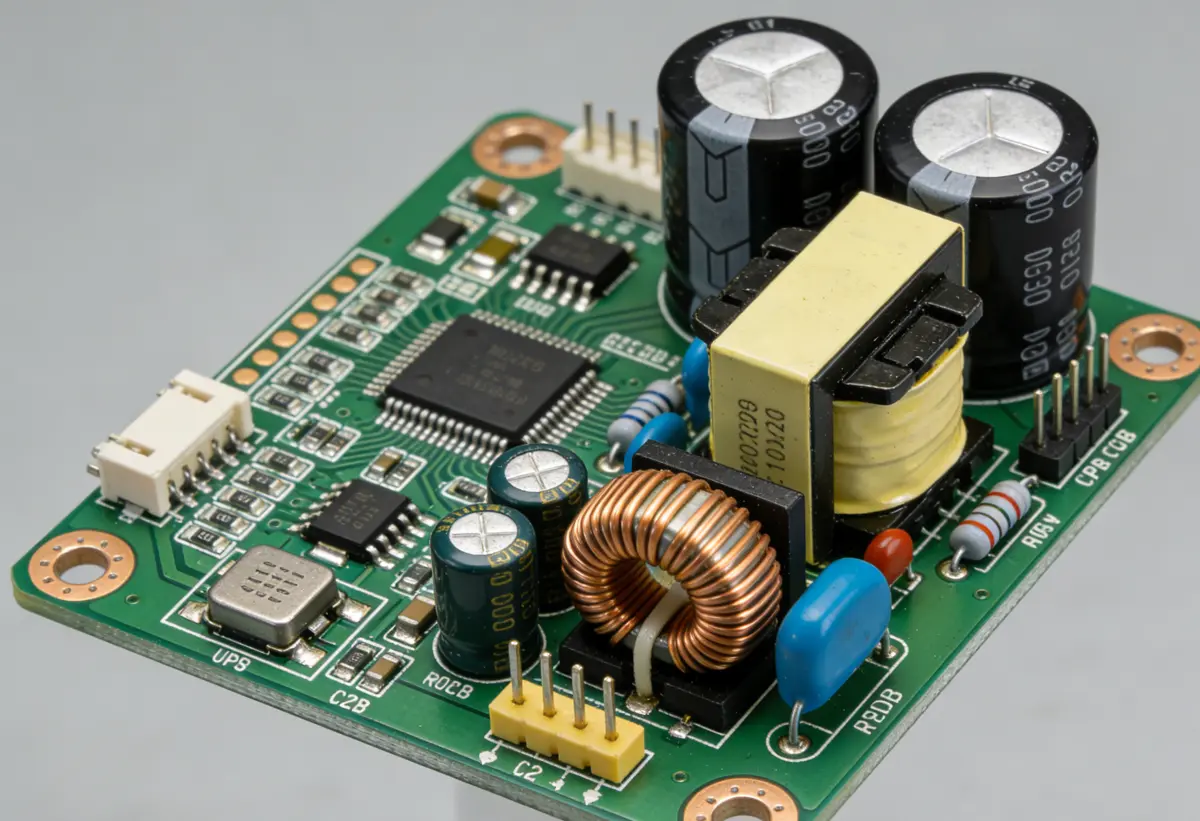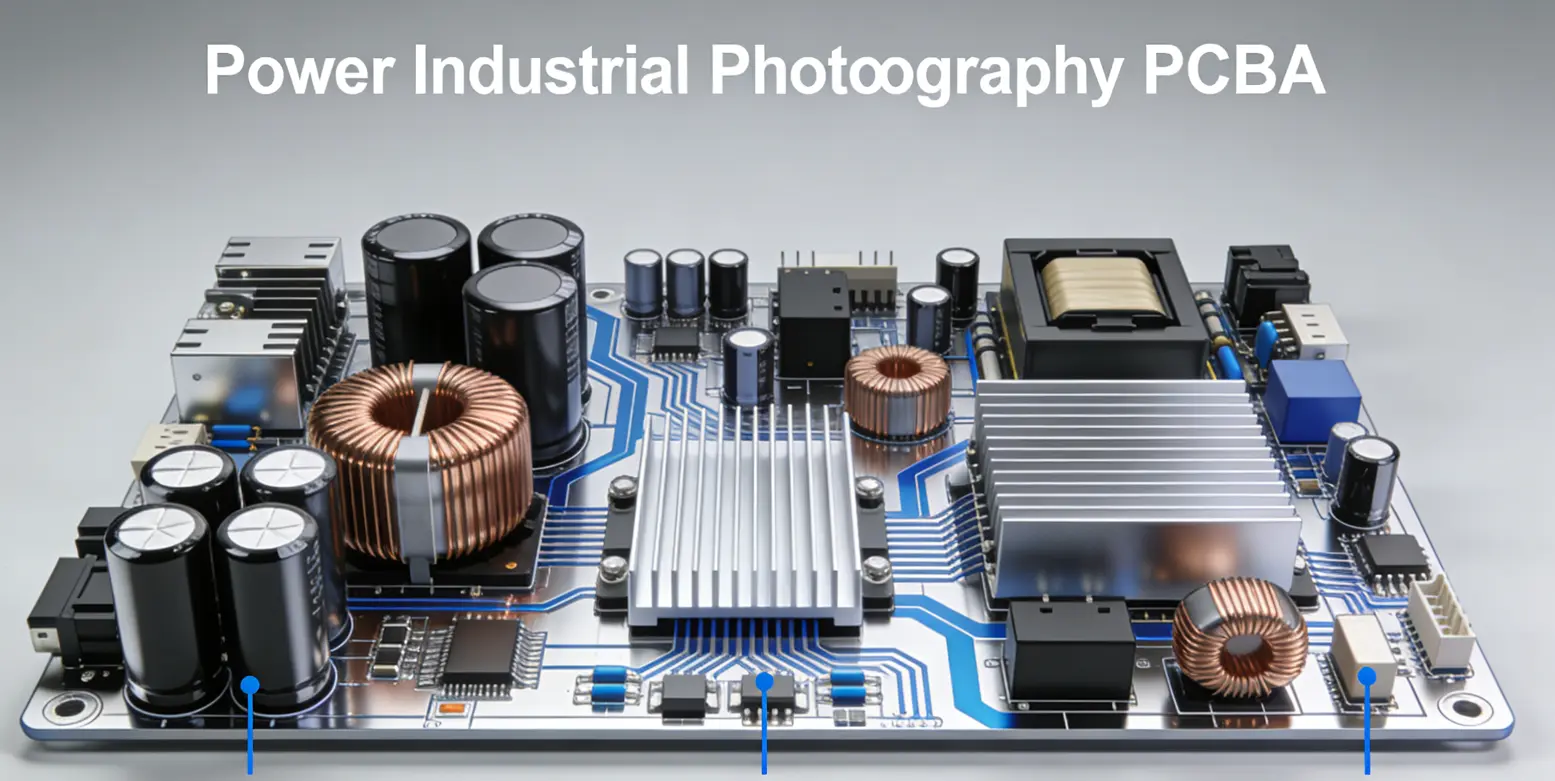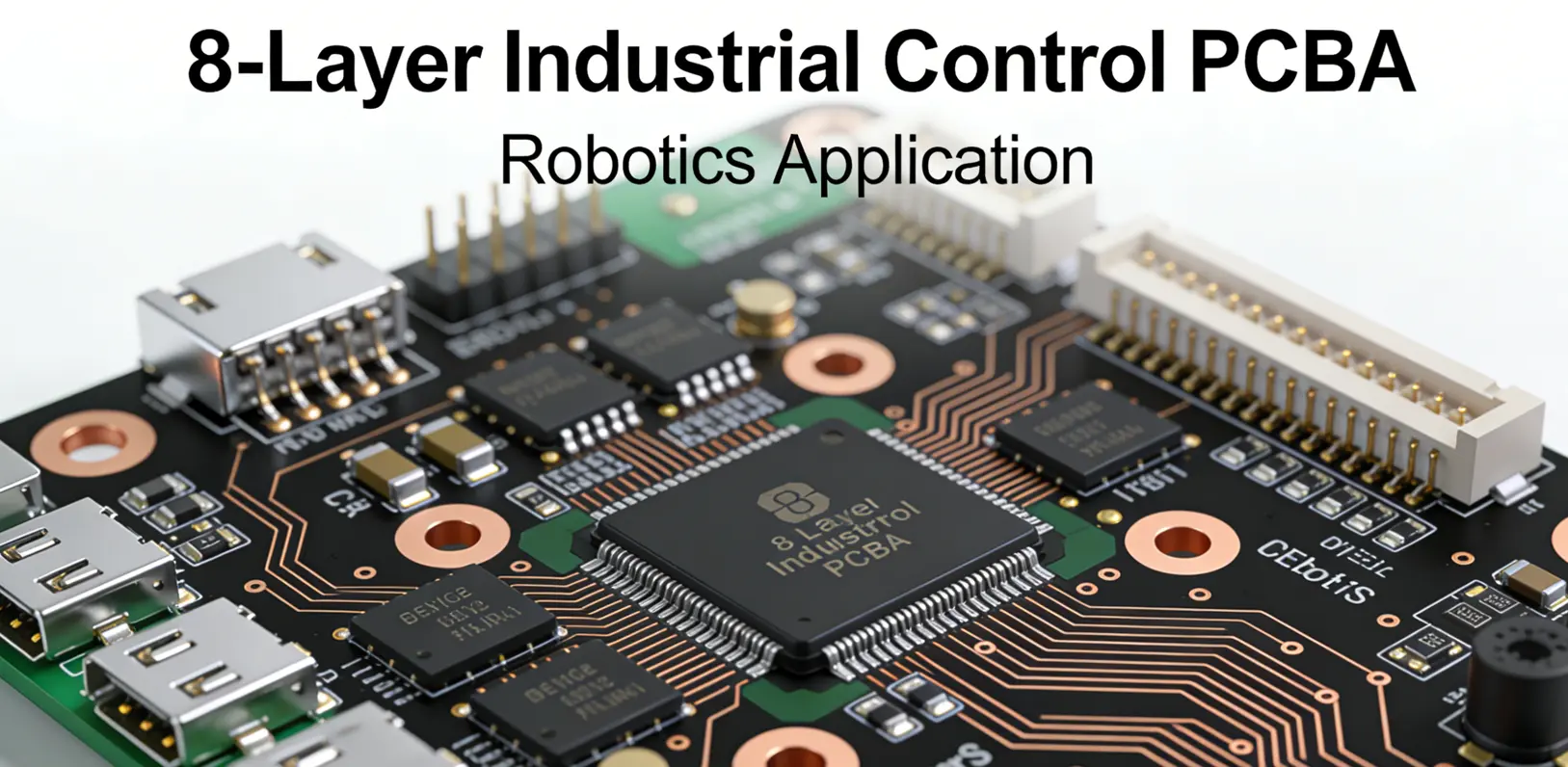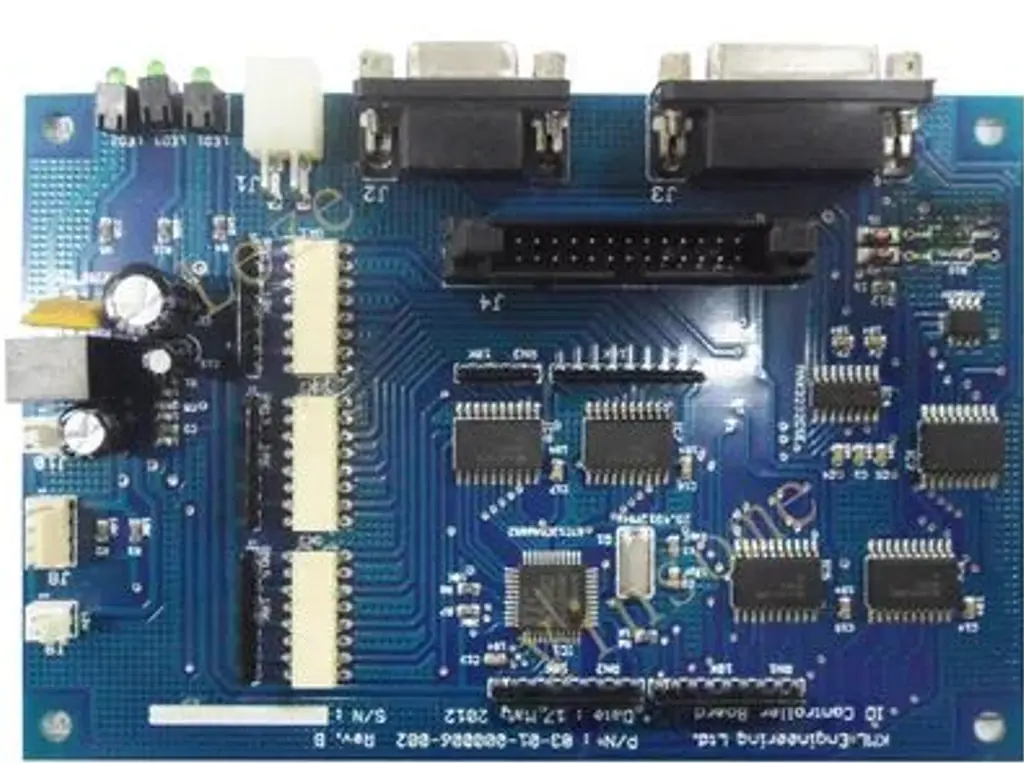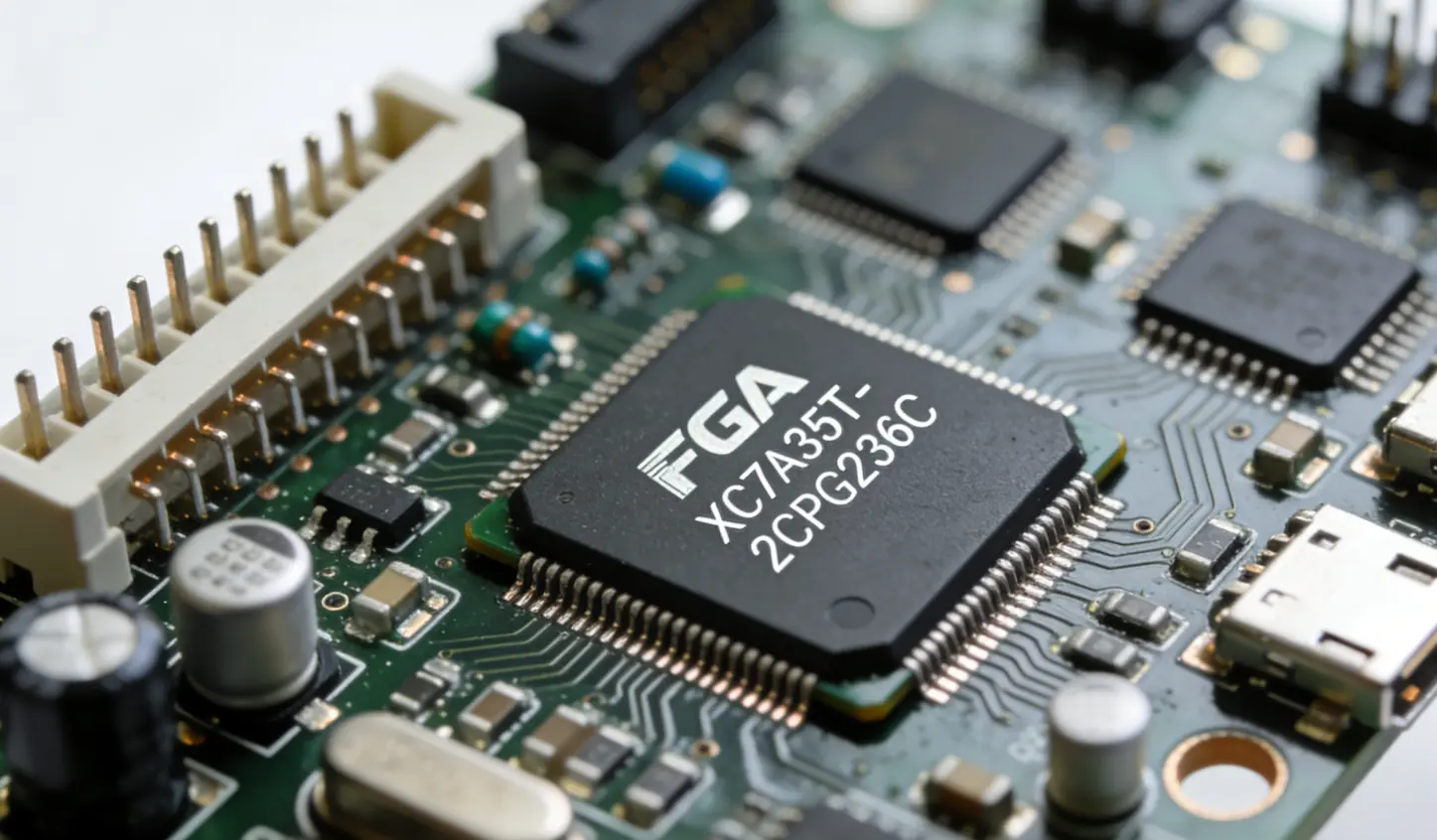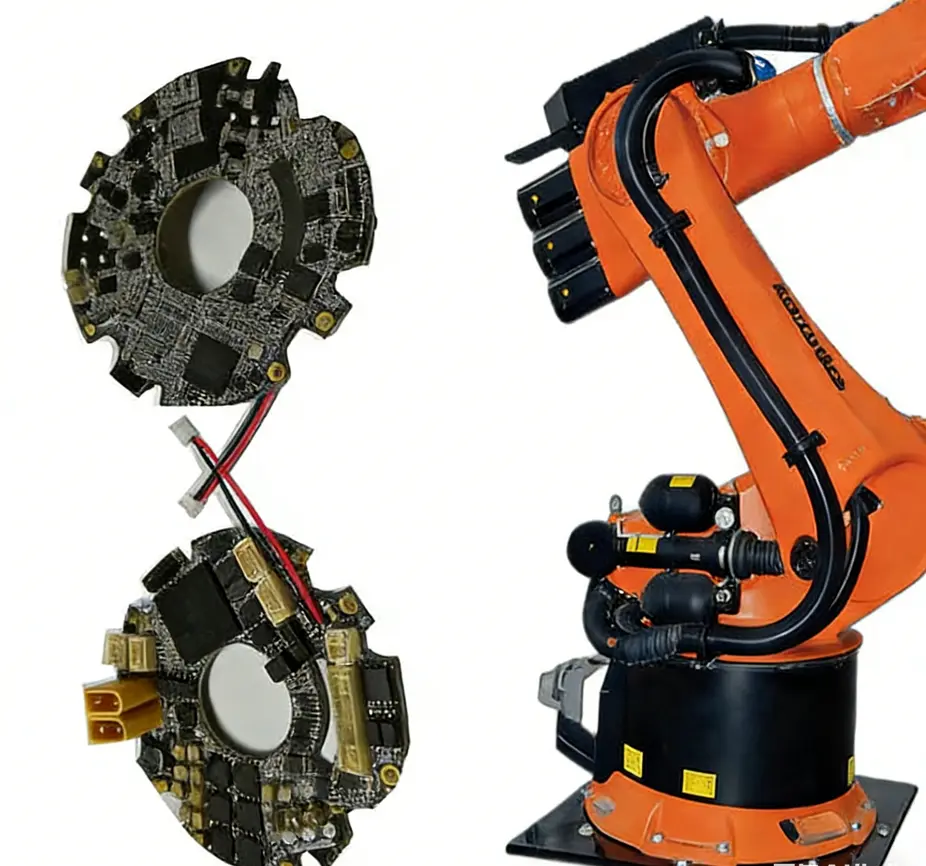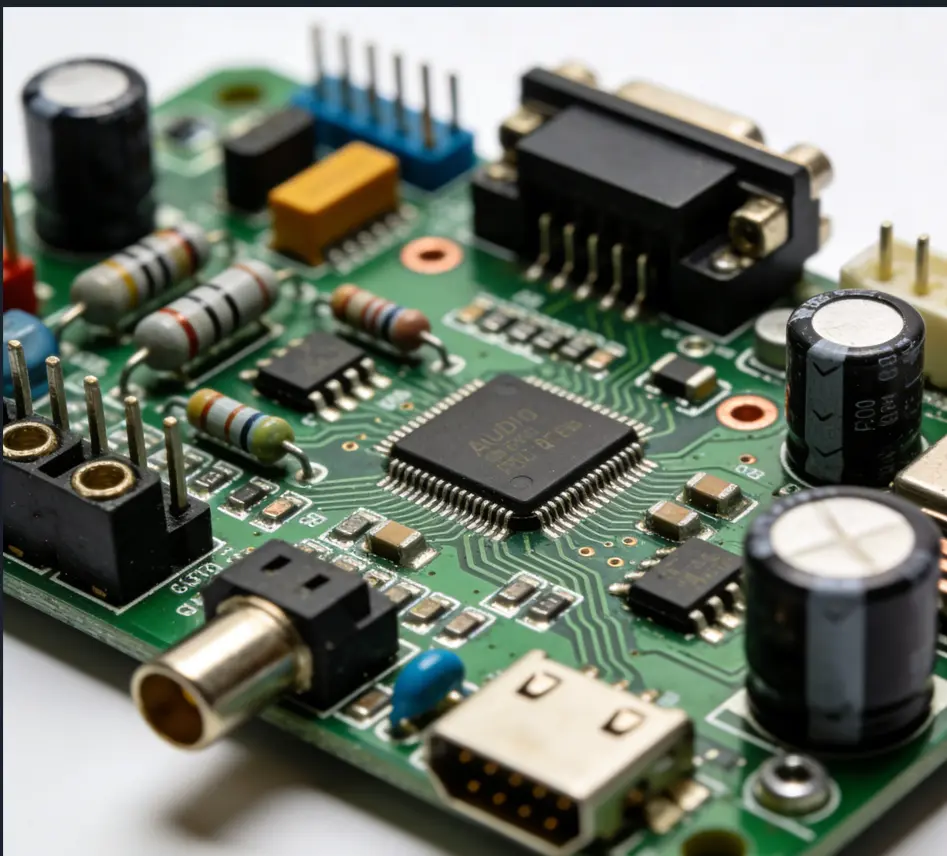
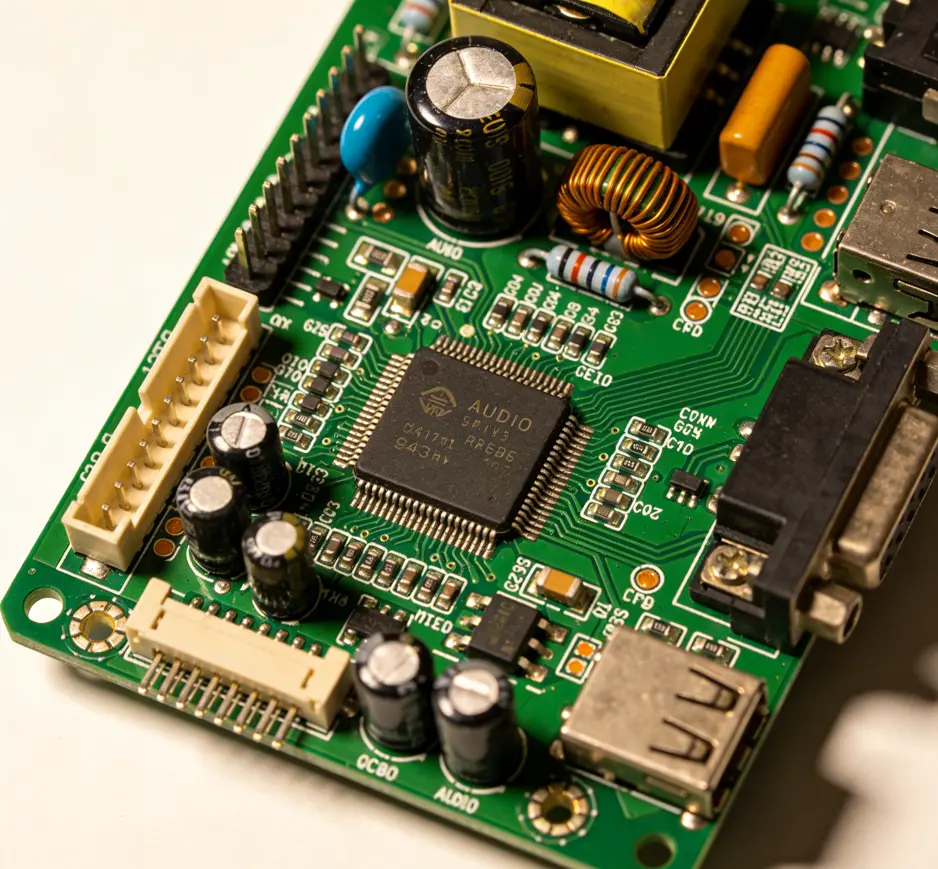
Audio Printed Circuit Board Assembly (PCBA) is the core hardware foundation of modern audio equipment, serving as the critical interface between audio signal processing, power management, and physical output. From consumer‑grade headphones and portable speakers to professional high‑fidelity (Hi‑Fi) systems and automotive audio modules, the performance, reliability, and miniaturization of Audio PCBA directly determine the sound quality, stability, and lifespan of audio devices. This article elaborates on the core technical parameters, material selection, and quality control standards that define high‑performance Audio PCBA manufacturing.
The selection of substrate materials and manufacturing materials is the first step in ensuring Audio PCBA performance, as it directly impacts signal integrity, heat dissipation, and mechanical stability.
Substrate Material:
FR‑4: The standard choice for consumer audio devices due to its cost‑effectiveness and sufficient electrical insulation.
Rogers 4350B: Preferred for high‑frequency audio applications (e.g., radio‑integrated audio systems) for its low dielectric loss and stable impedance characteristics.
Aluminum‑based substrates: Adopted for power audio amplifiers to address high heat dissipation requirements from continuous high‑power operation.
Dimensional and Material Thickness:
Substrate Thickness: Ranges from 0.4 mm to 2.0 mm.
0.8–1.2 mm: Optimized for portable audio devices (e.g., wireless earbuds, pocket speakers) to balance miniaturization and structural strength.
1.6–2.0 mm: Used for fixed audio systems (e.g., home theater amplifiers) for enhanced durability.
Copper Thickness: 1 oz (35 μm) for signal traces; 2–4 oz (70–140 μm) for power circuits—ensuring low resistance for power transmission and minimal signal attenuation for audio traces.
Surface Protection:
Liquid Photoimageable Solder Mask (LPI): Available in green, black, or white—applied for high‑precision coverage of fine‑pitch audio components, with UV‑resistant formulations for outdoor audio equipment.
Polyimide‑based Silkscreen: 75–125 μm thick—provides high‑contrast labeling for component alignment and maintenance, critical for complex Audio PCBA assemblies.
Audio signals are highly sensitive to electromagnetic interference (EMI) and impedance mismatch, making circuit layout a core focus of Audio PCBA design.
Trace and Via Design:
Minimum Trace Width/Spacing: 0.15–0.3 mm balances compactness and signal isolation.
0.15 mm: For audio signal traces (to save space in portable devices).
≥0.25 mm: For power traces (to reduce current loss).
Minimum Via Size: 0.2 mm drill / 0.4 mm pad—ensures reliable interlayer connection.
Blind/Buried Vias: Available for HDI (High‑Density Interconnect) Audio PCBA in ultra‑compact devices like in‑ear monitors.
Impedance Control: Strict impedance control is mandatory with ±10% tolerance:
75 Ω: For audio/video signal lines to match industry standards for AV interfaces.
50 Ω: For RF‑audio integrated modules to minimize signal reflection.
Ground Plane Optimization:
Full Ground Plane: Recommended for high‑fidelity audio PCBA to reduce EMI and crosstalk between audio channels.
Split Ground Planes: Used in mixed‑signal audio systems (e.g., audio amplifiers with digital control) to isolate analog and digital circuits.
The assembly of active and passive components directly affects the accuracy of audio signal processing.
Component Compatibility:
SMT (Surface Mount Technology): Components from 0201 to 2512, QFP, BGA—enable miniaturization for portable audio devices.
THT (Through‑Hole Technology): Retained for high‑reliability connectors and power capacitors in professional audio equipment.
Placement Accuracy:
±0.05 mm for small SMT components (<0402).
±0.1 mm for larger components.
Ensures precise soldering of audio codec chips, precision resistors, and capacitors—critical for maintaining low total harmonic distortion (THD) in audio signals.
Soldering Quality:
Reflow Soldering: Used for SMT audio ICs to ensure uniform solder joints.
Selective Soldering: Addresses mixed SMT/THT assemblies.
IPC‑A‑610 Standards:
Class 2: Commercial audio.
Class 3: Medical/aerospace audio—required for diagnostic medical audio equipment to meet strict reliability standards.
Key electrical parameters quantify the performance of Audio PCBA and align with end‑use application requirements.
Signal‑to‑Noise Ratio (SNR):
≥85 dB: Consumer audio (e.g., Bluetooth speakers).
≥100 dB: High‑fidelity audio systems—ensures clear, noise‑free sound reproduction.
(Measured at 1 kHz, 0 dBFS input)
Total Harmonic Distortion (THD):
≤0.1%: Consumer devices.
≤0.01%: High‑fidelity audio—minimizes signal distortion, a critical metric for premium amplifiers and DAC (Digital‑to‑Analog Converter) modules.
Frequency Response:
20 Hz – 20 kHz: Standard audio, covering the human audible range.
10 Hz – 40 kHz: Supported for high‑resolution audio PCBA to match advanced DAC/ADC chip specifications.
Environmental Adaptability:
Operating Temperature:
-20°C to 70°C: Commercial.
-40°C to 85°C: Industrial/automotive—ensuring functionality in extreme environments like in‑car audio systems or outdoor sound equipment.
Rigorous testing validates the durability of Audio PCBA under real‑world conditions.
Thermal Cycle Testing: 500 cycles of -40°C to 85°C—simulates temperature fluctuations in automotive or outdoor audio applications, validating solder joint reliability.
Humidity Testing: 1000 hours at 85% RH and 85°C—ensures resistance to moisture for marine audio equipment or tropical‑region deployments.
Vibration Testing: 5 Hz – 2000 Hz with 10g acceleration—tests mechanical robustness for portable and automotive audio systems, preventing component detachment during movement.
Functional Testing: Automated testing (audio signal integrity, frequency sweep, power consumption) using professional analyzers (Keysight, Rohde & Schwarz) verifies performance consistency at scale.
Audio PCBA manufacturing is a synergistic process of material science, precision engineering, and performance validation. By adhering to the technical parameters and quality standards outlined above, manufacturers can produce Audio PCBA that meets the diverse needs of consumer, professional, industrial, and automotive audio applications. As audio technology evolves toward higher fidelity, miniaturization, and smart integration, optimizing Audio PCBA design and manufacturing will remain central to delivering superior sound experiences across all audio device categories.
Audio PCBA Technical Parameters
|
Parameter |
Range |
Application Notes |
|
Substrate Material |
FR-4 (Standard), Rogers 4350B (High-Frequency), Aluminum-Based (High-Dissipation) |
FR-4 is used for consumer audio; Rogers is suitable for high-fidelity/radio audio; Aluminum-based substrate is applied in power audio amplifiers |
|
Substrate Thickness |
0.4 mm – 2.0 mm |
0.8 mm – 1.2 mm for portable audio devices; 1.6 mm – 2.0 mm for fixed audio systems |
|
Copper Thickness |
1 oz (35 μm), 2 oz (70 μm), 4 oz (140 μm) |
1 oz for signal traces; 2–4 oz for power supply circuits in amplifiers |
|
Solder Mask |
Green/Black/White, Liquid Photoimageable Solder Mask (LPI) |
LPI ensures high precision for fine-pitch components; UV-resistant for outdoor audio equipment |
|
Silkscreen |
Polyimide-based ink, 75 μm – 125 μm thickness |
High-contrast silkscreen for component labeling and alignment |
|
Parameter |
Range |
Application Notes |
|
Minimum Trace Width |
0.15 mm (6 mils) – 0.3 mm (12 mils) |
0.15 mm for audio signal traces; ≥0.25 mm for power traces |
|
Minimum Trace Spacing |
0.15 mm (6 mils) – 0.3 mm (12 mils) |
Tighter spacing (0.15 mm) for compact portable audio; wider spacing for high-voltage power sections |
|
Minimum Via Size |
0.2 mm (drill diameter) / 0.4 mm (pad diameter) |
Blind/buried vias available for HDI audio PCBA |
|
Impedance Control |
50 Ω, 75 Ω, 100 Ω (±10% tolerance) |
75 Ω for audio/video signal lines; 50 Ω for RF-audio integrated modules |
|
Ground Plane Design |
Full coverage or partial split planes |
Full ground plane recommended for noise reduction in high-fidelity audio |
|
Parameter |
Range |
Application Notes |
|
Component |
SMT (0201 to 2512, QFP, |
SMT for miniaturization; THT for |
|
Parameter |
Range |
Application Notes |
|
Types Supported |
BGA), THT (through-hole connectors, capacitors) |
high-reliability connectors and power components |
|
Placement Accuracy |
±0.05 mm (for SMT components < 0402); ±0.1 mm (for larger components) |
Critical for audio codec chips and precision resistors/capacitors |
|
Soldering Technology |
Reflow Soldering (SMT), Wave Soldering (THT), Selective Soldering |
Reflow soldering for SMT audio ICs; selective soldering for mixed SMT/THT assemblies |
|
Solder Joint Quality |
IPC-A-610 Class 2 (commercial) / Class 3 (medical/aerospace audio) |
Class 3 required for diagnostic medical audio equipment |
|
Parameter |
Range |
Application Notes |
|
Signal-to-Noise Ratio (SNR) |
≥85 dB (consumer audio); ≥100 dB (high-fidelity audio) |
Measured at 1 kHz, 0 dBFS input |
|
Total Harmonic Distortion (THD) |
≤0.1% (consumer); ≤0.01% (high-fidelity) |
Critical for premium audio amplifiers and DAC modules |
|
Frequency Response |
20 Hz – 20 kHz (standard audio); 10 Hz – 40 kHz (high-resolution audio) |
Matched to audio IC specifications (e.g., DAC/ADC chips) |
|
Input/Output Voltage Range |
1.8 V – 24 V DC |
3.3 V/5 V for portable audio; 12 V/24 V for home theater systems |
|
Operating Temperature Range |
-20°C to 70°C (commercial); -40°C to 85°C (industrial/automotive audio) |
Extended temperature range for in-car audio and outdoor sound systems |
|
Parameter |
Range |
Application Notes |
|
Thermal Cycle Testing |
-40°C to 85°C, 500 cycles |
Validates solder joint reliability for automotive audio PCBA |
|
Humidity Testing |
85% RH, 85°C, 1000 hours |
For audio equipment used in humid environments (e.g., marine audio) |
|
Parameter |
Range |
Application Notes |
|
Vibration Testing |
5 Hz – 2000 Hz, 10 g acceleration |
For portable and automotive audio systems |
|
Functional Testing |
Audio signal integrity test, frequency sweep test, power consumption test |
Automated testing with audio analyzers (e.g., Keysight, Rohde & Schwarz) |