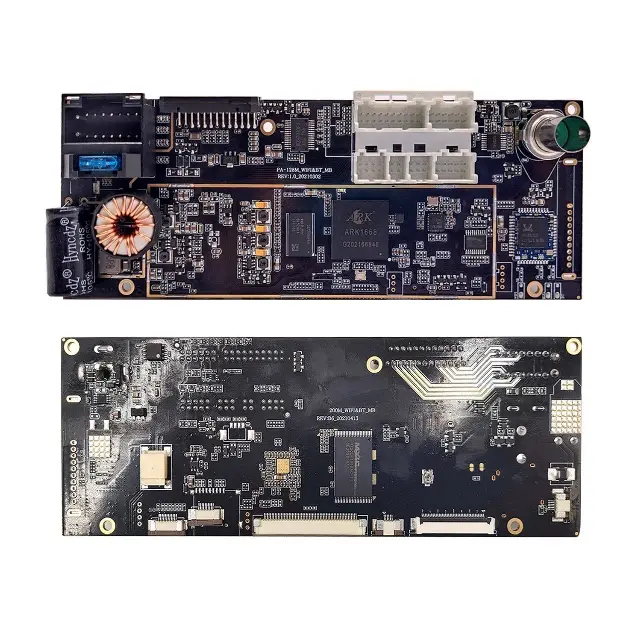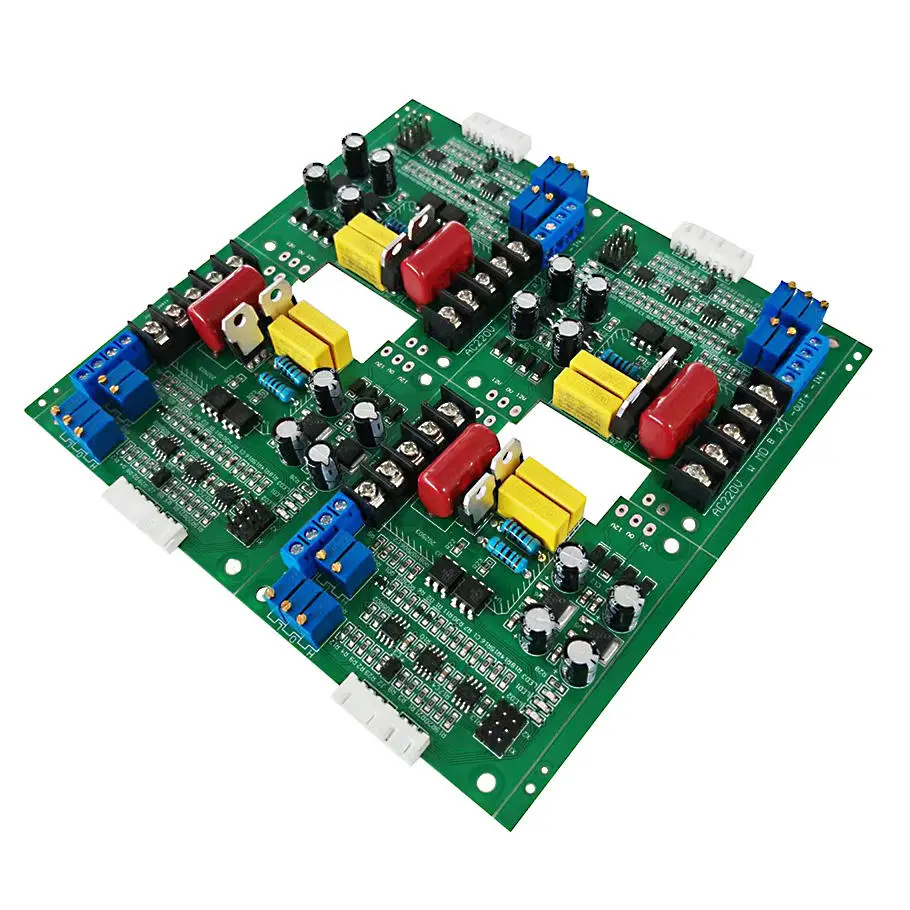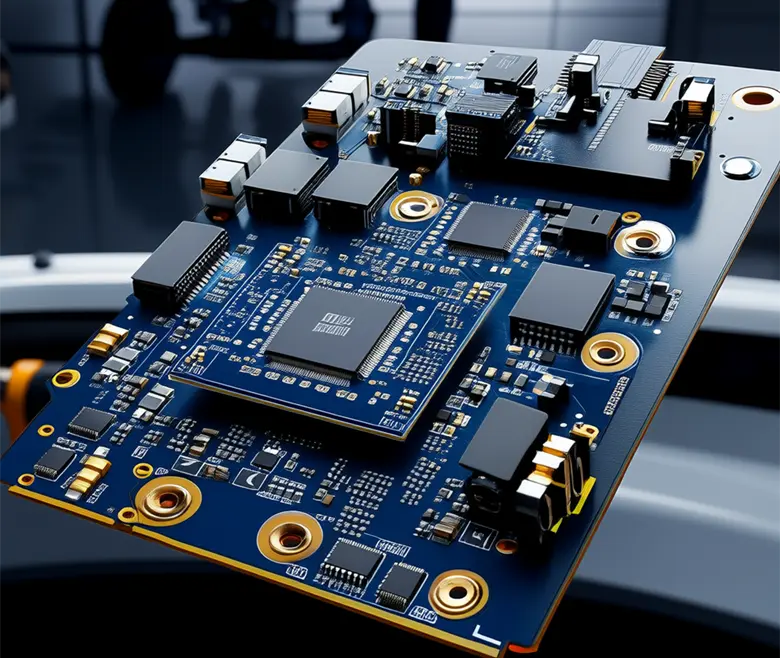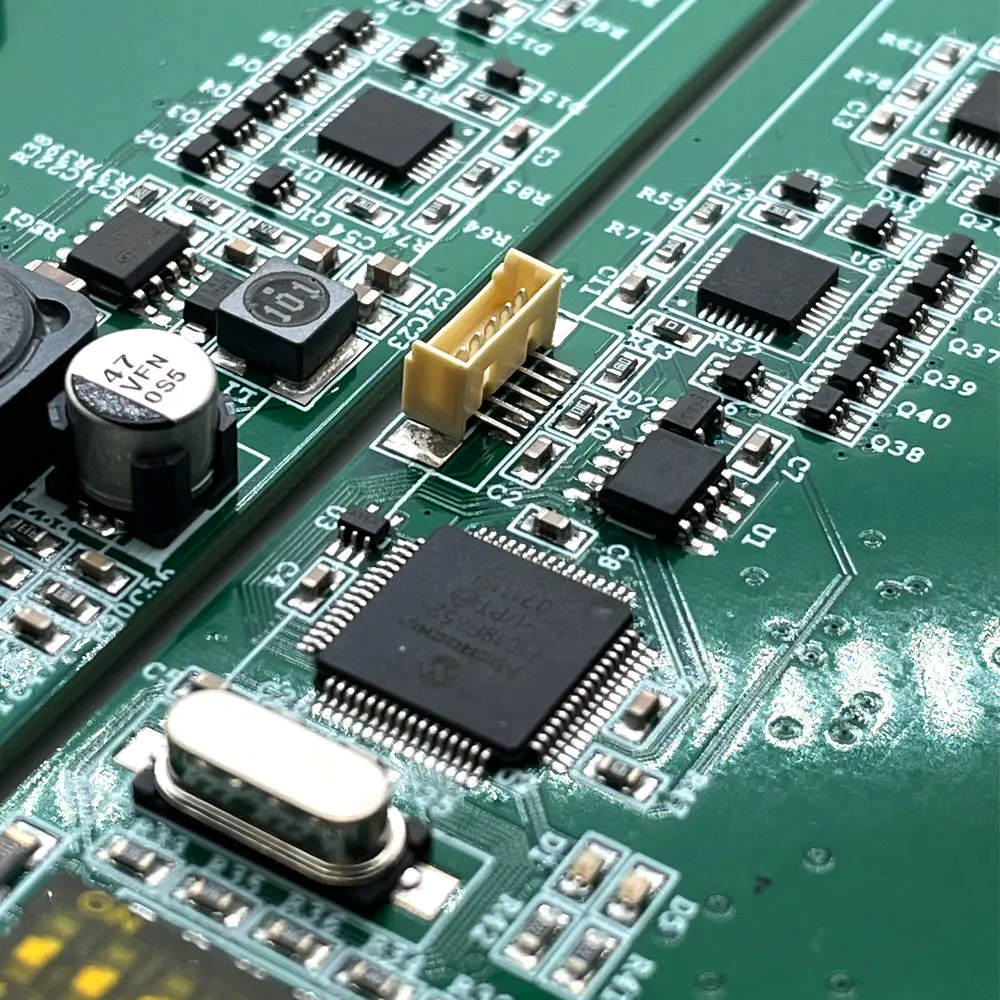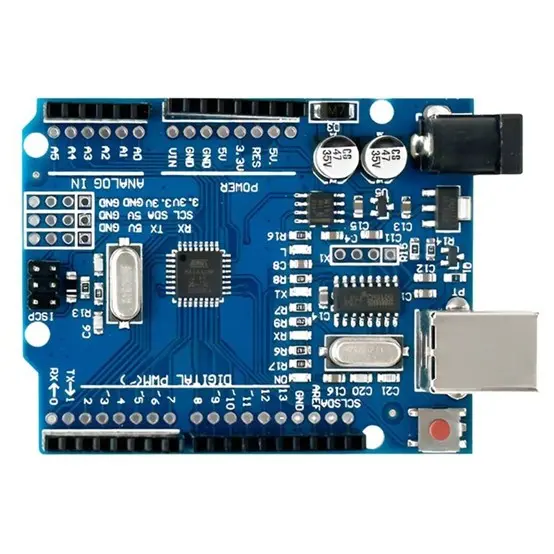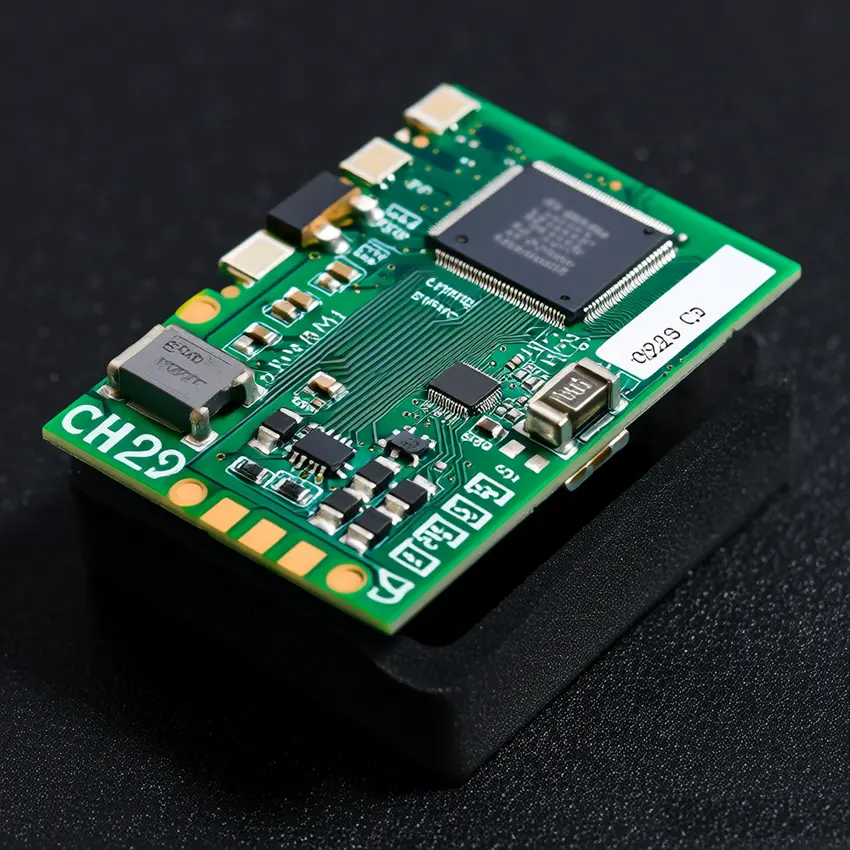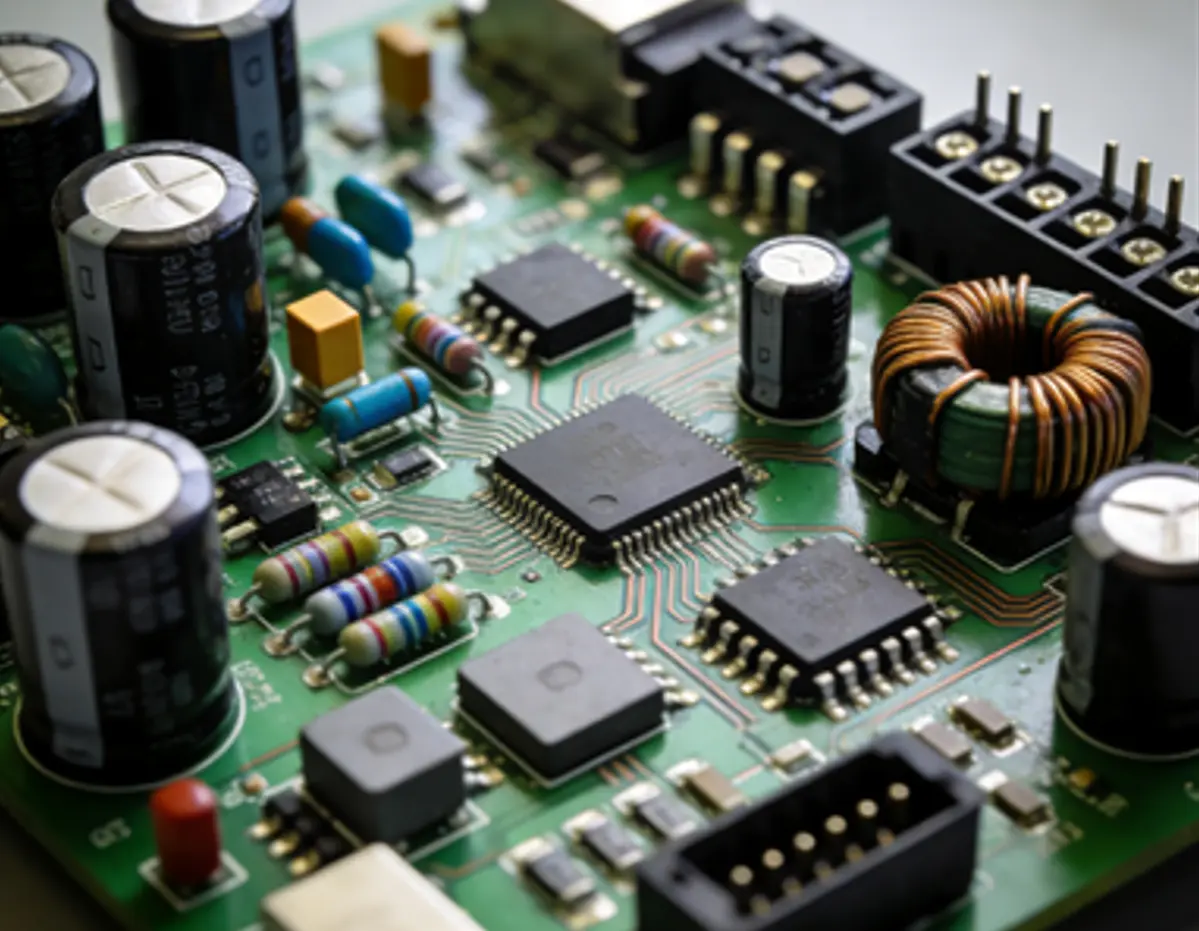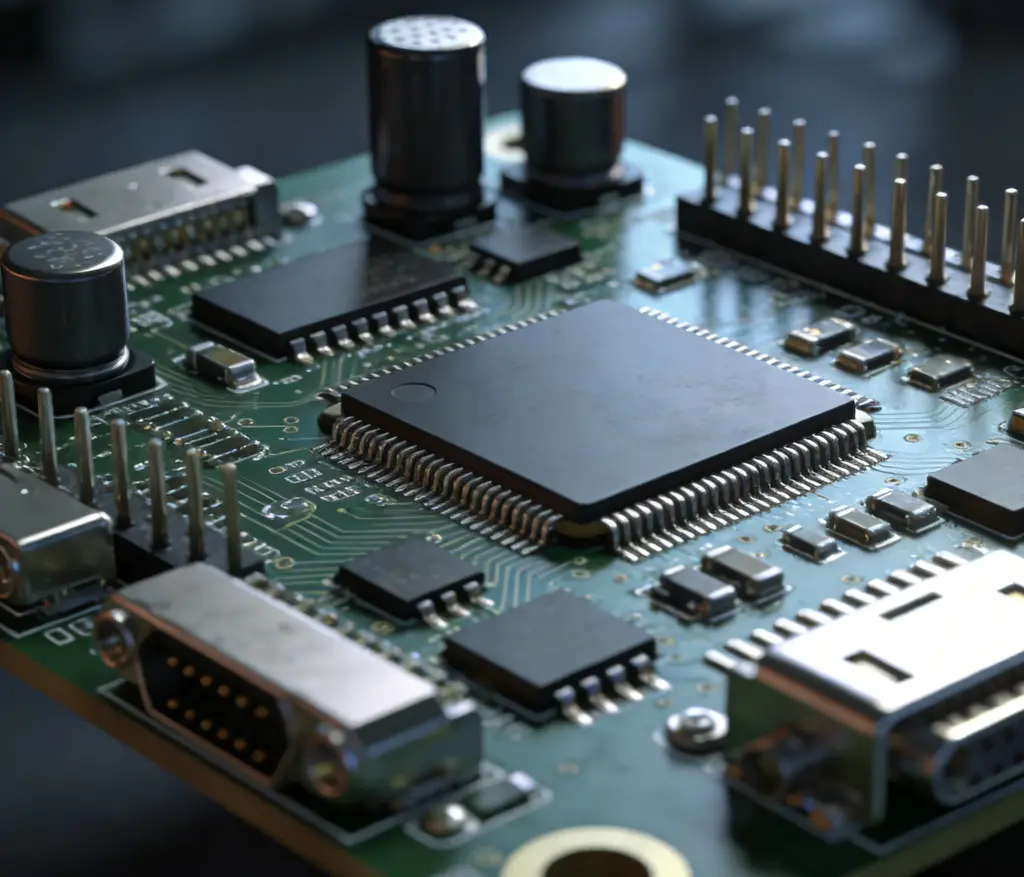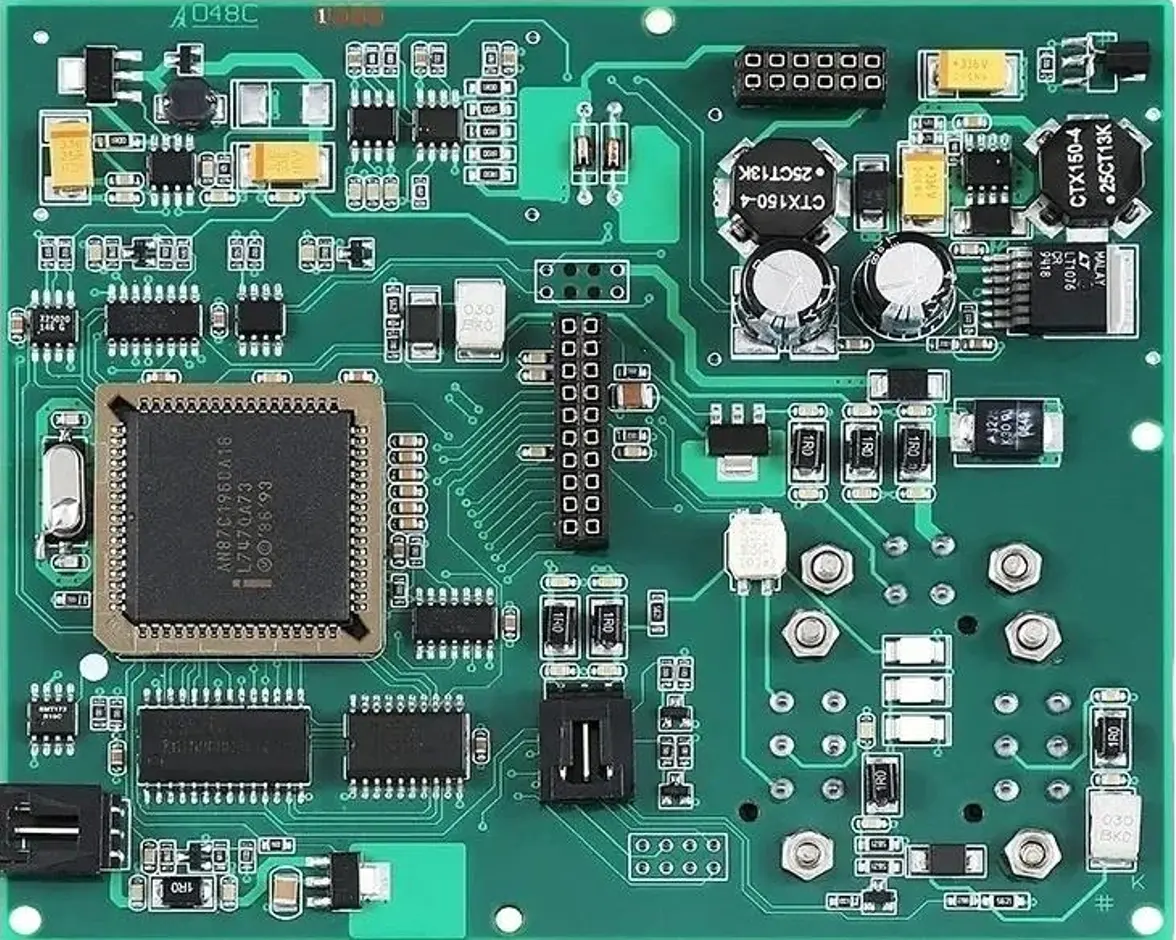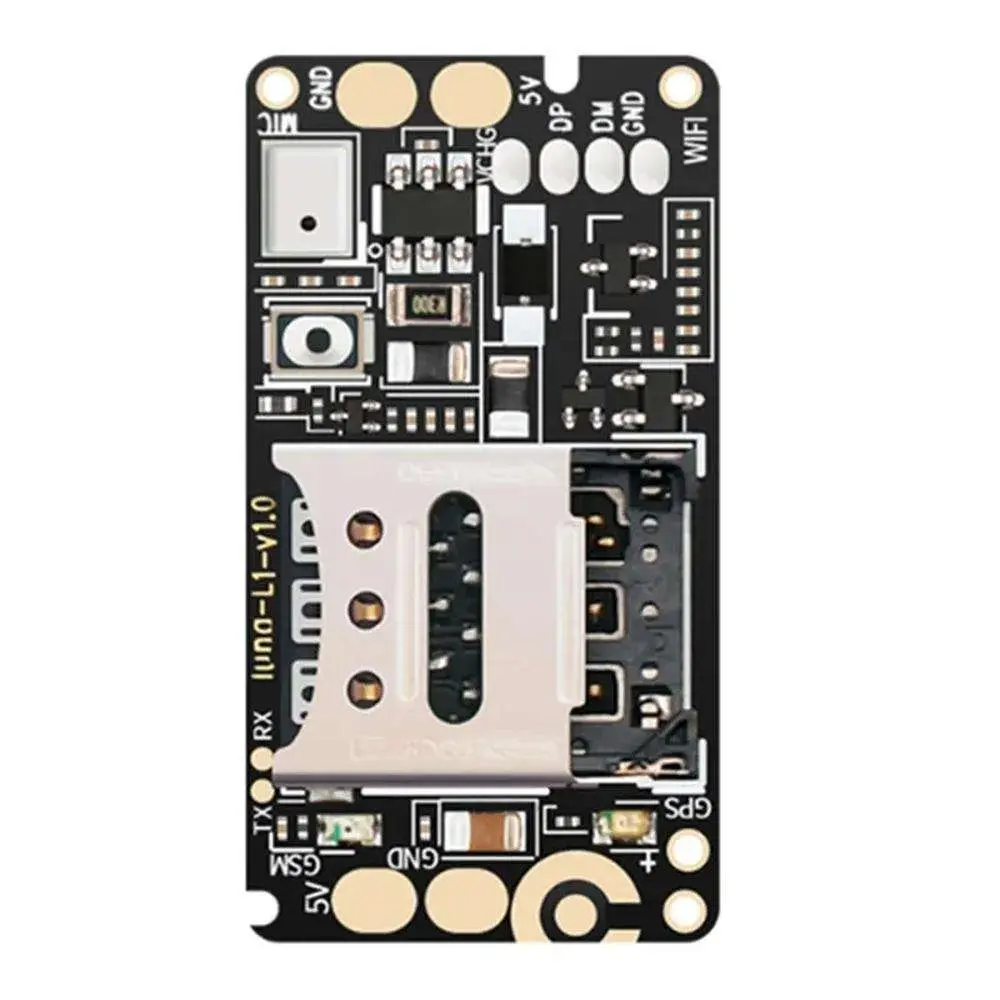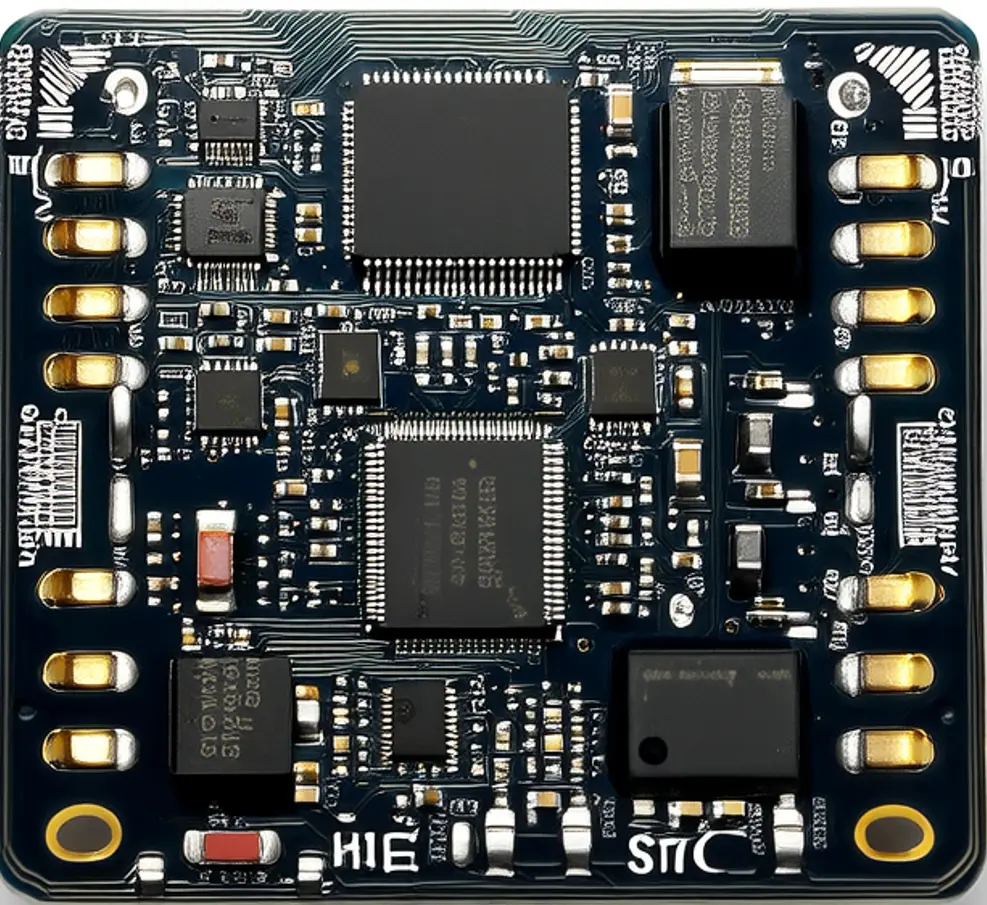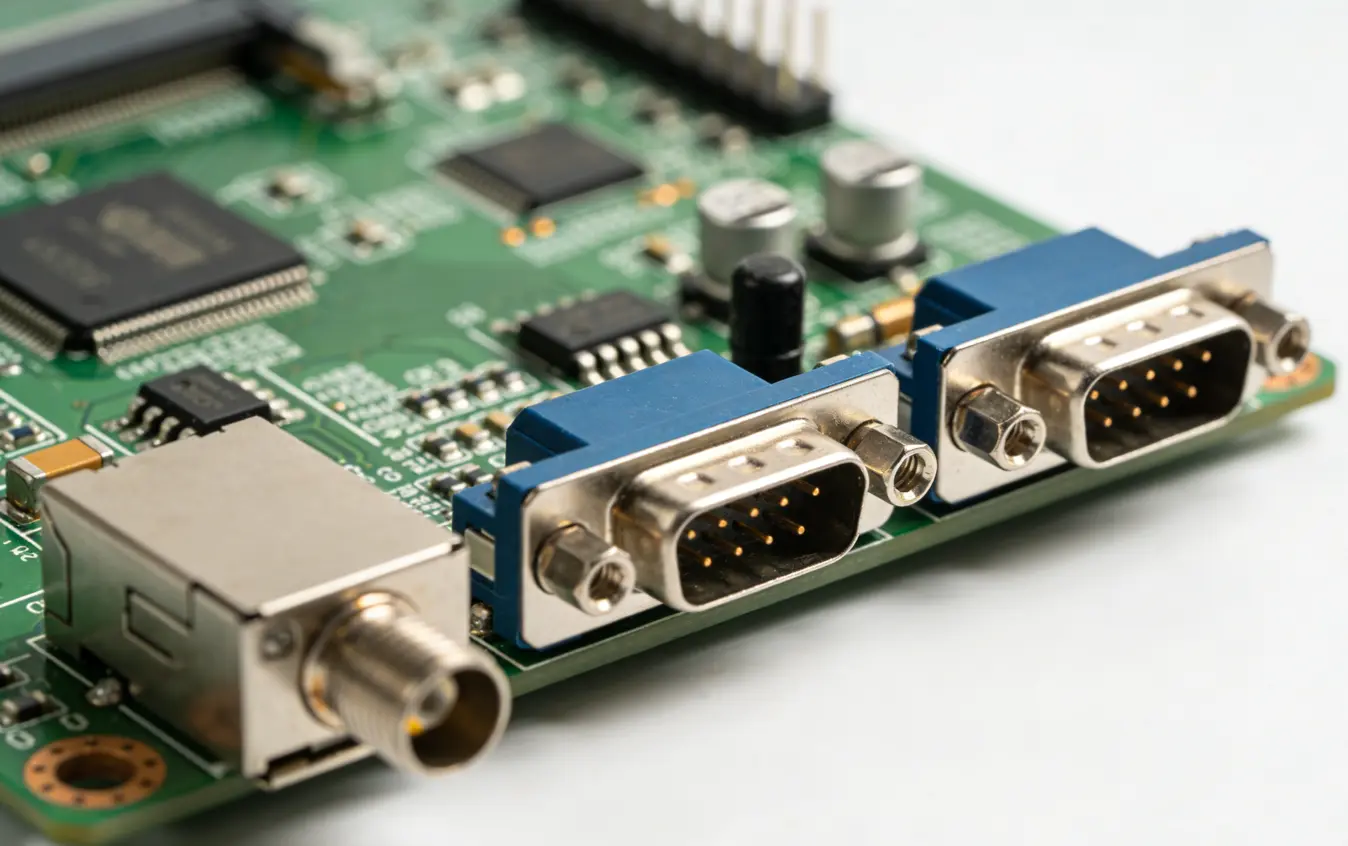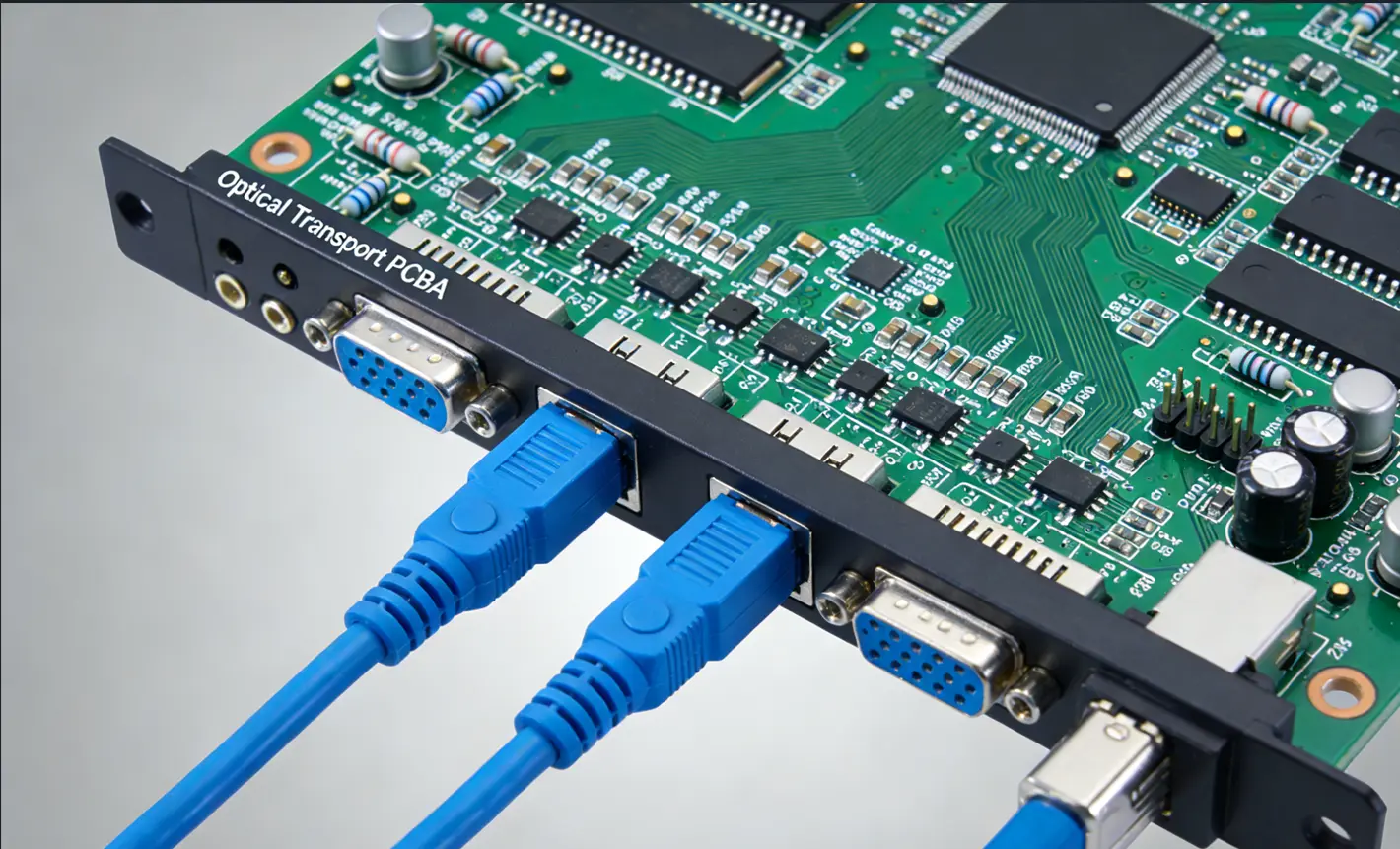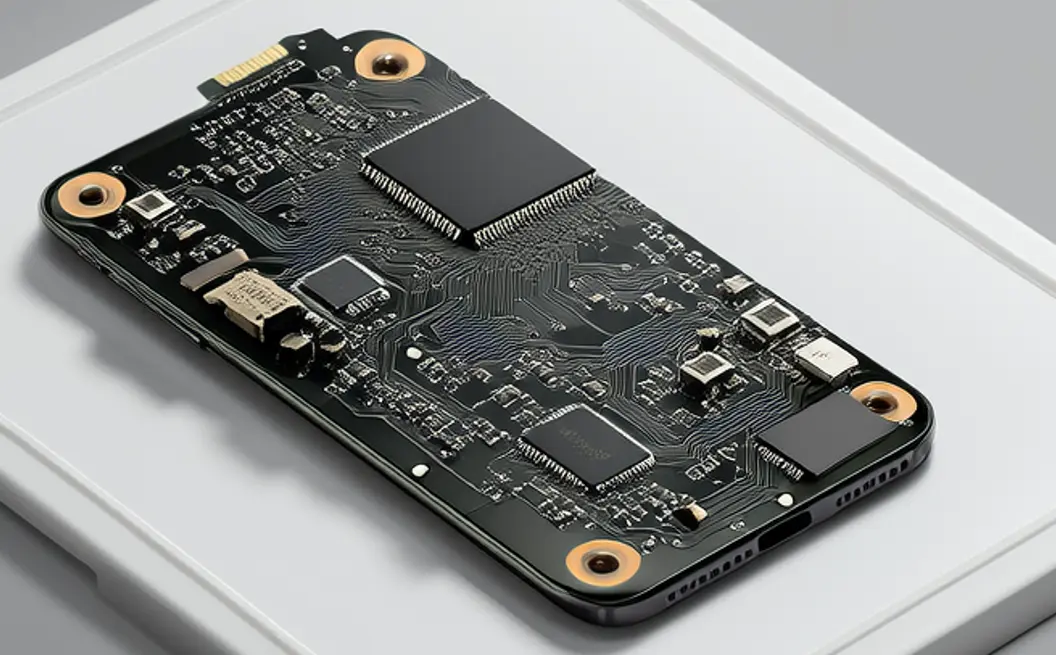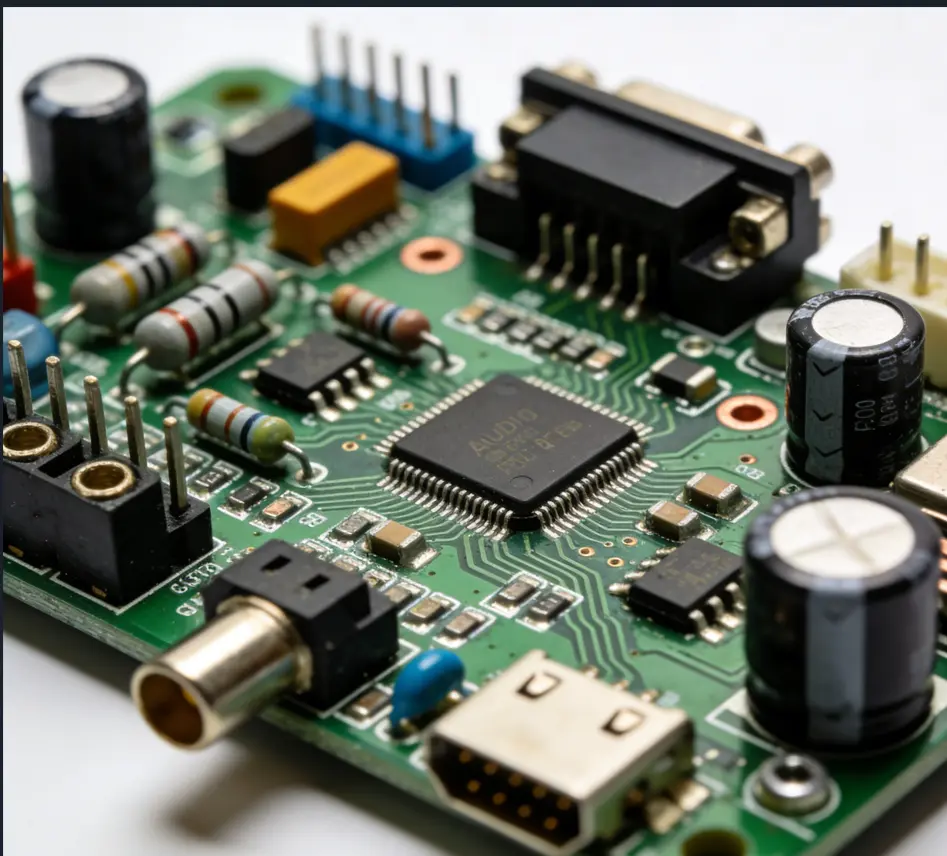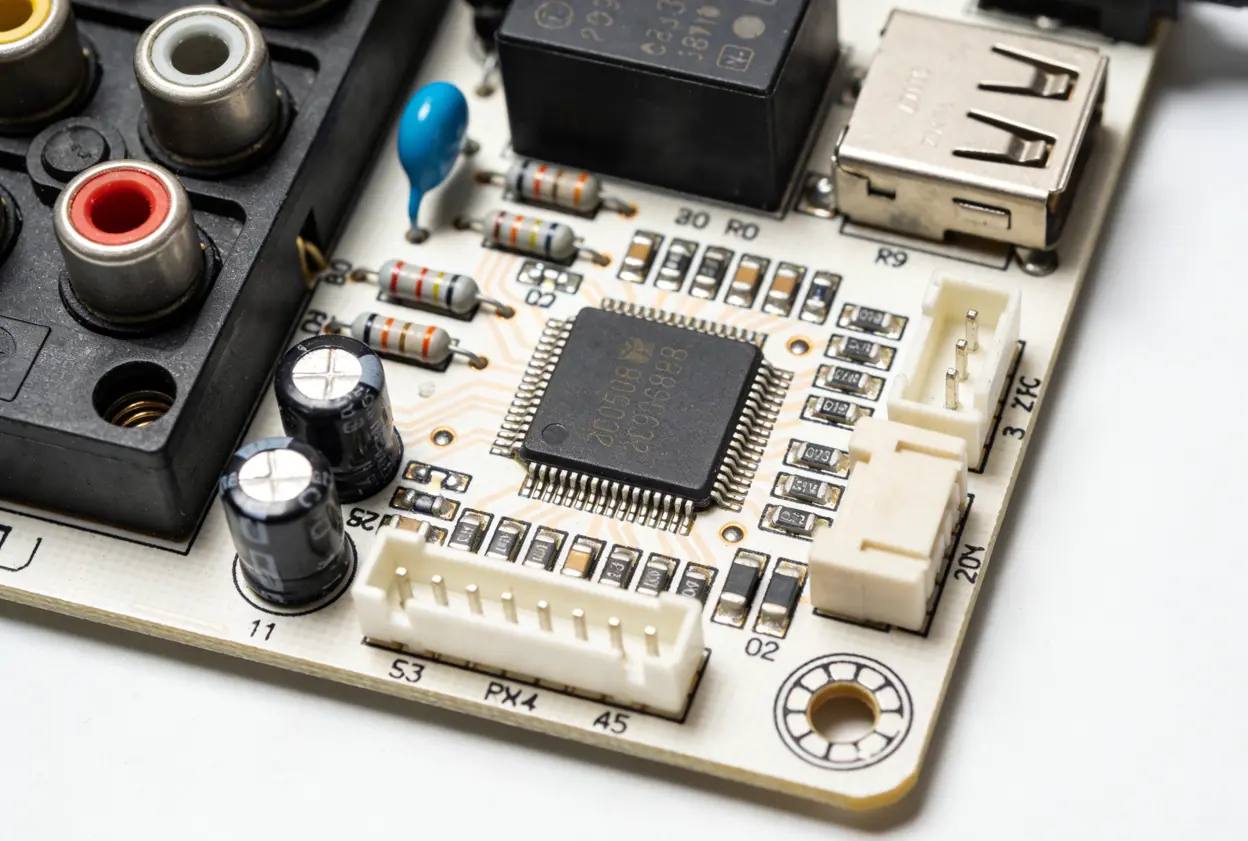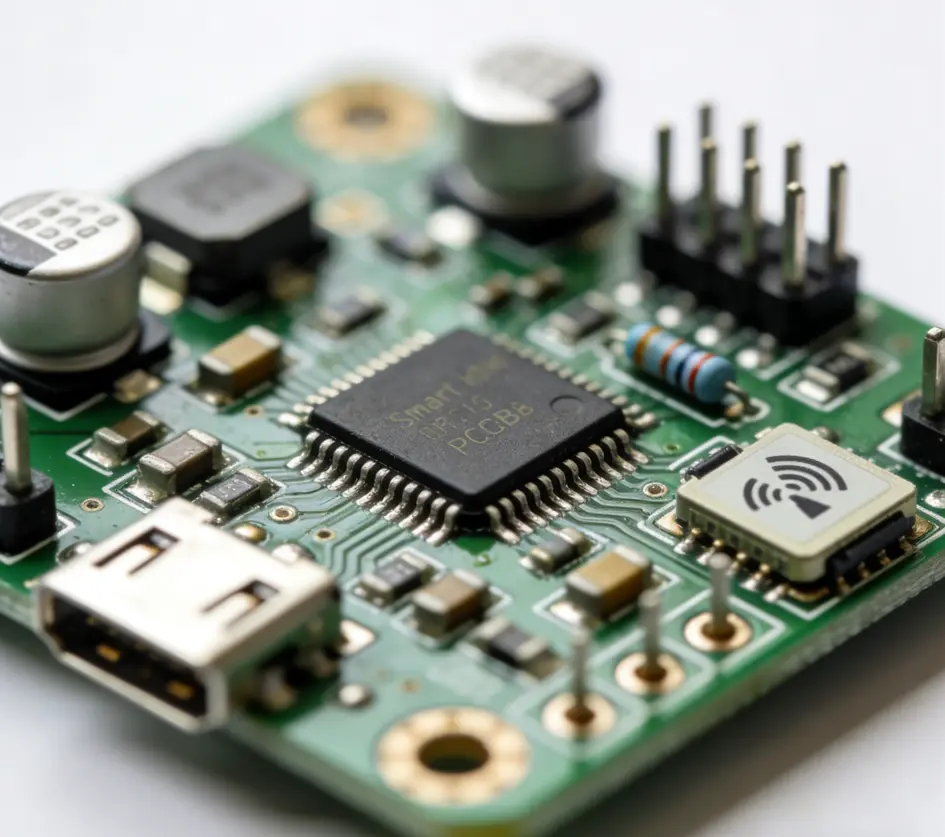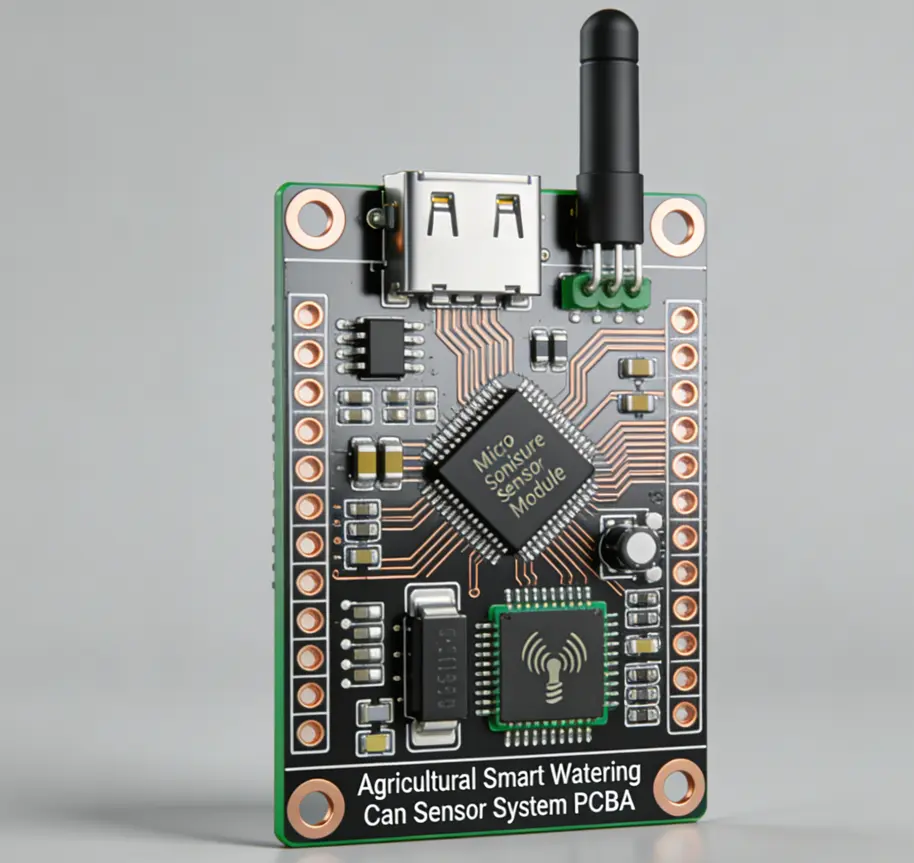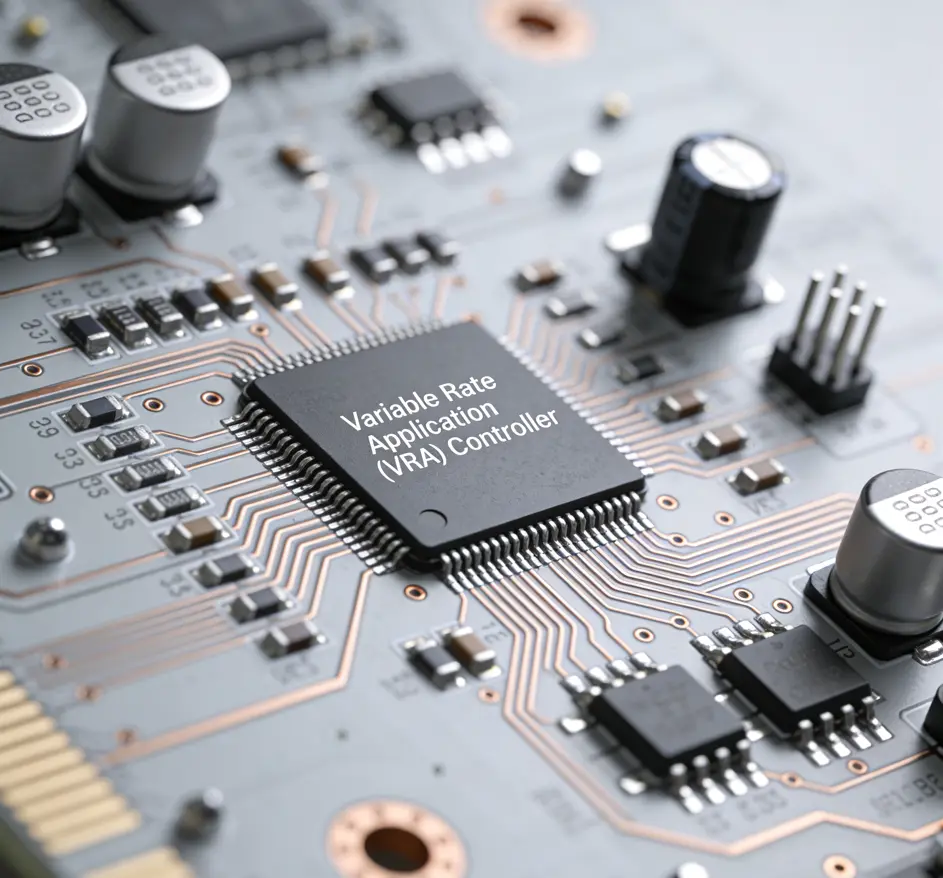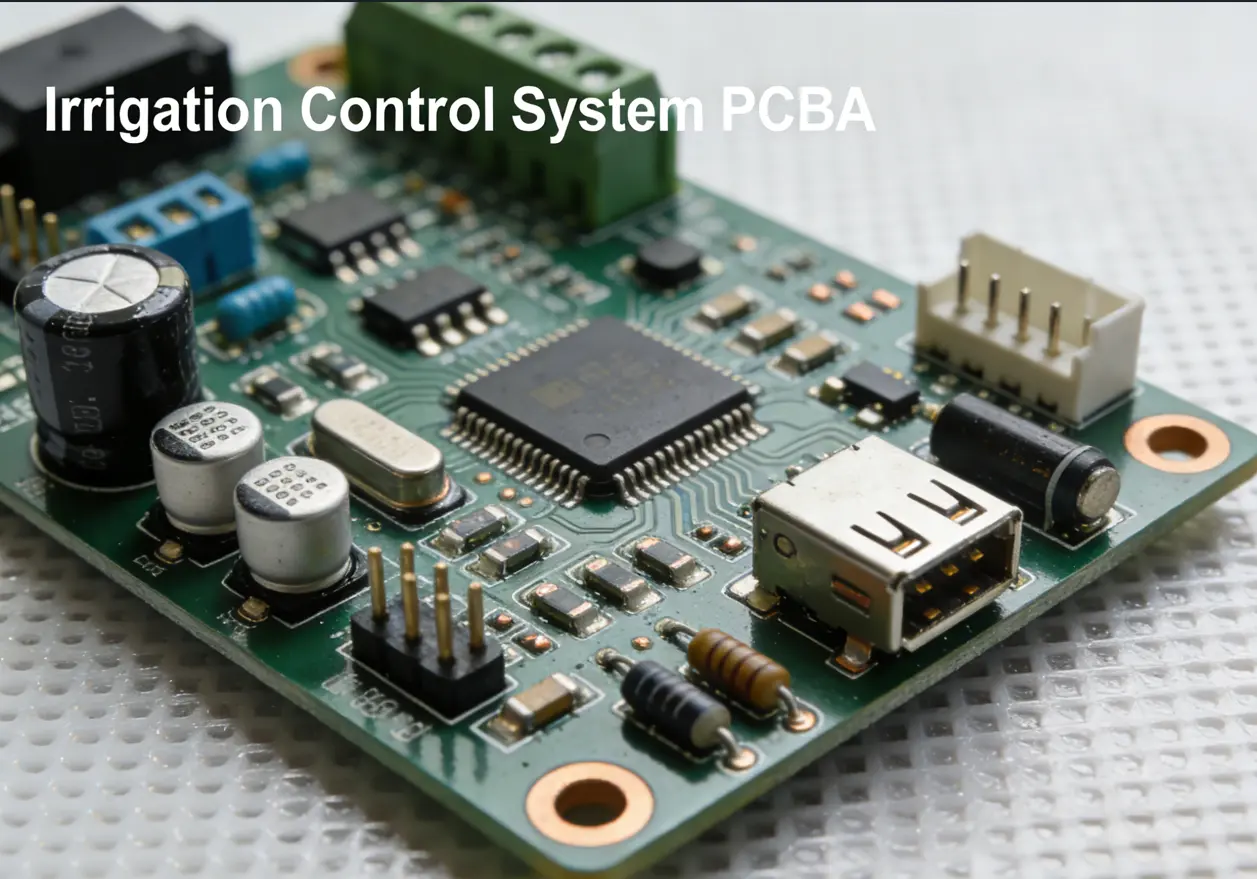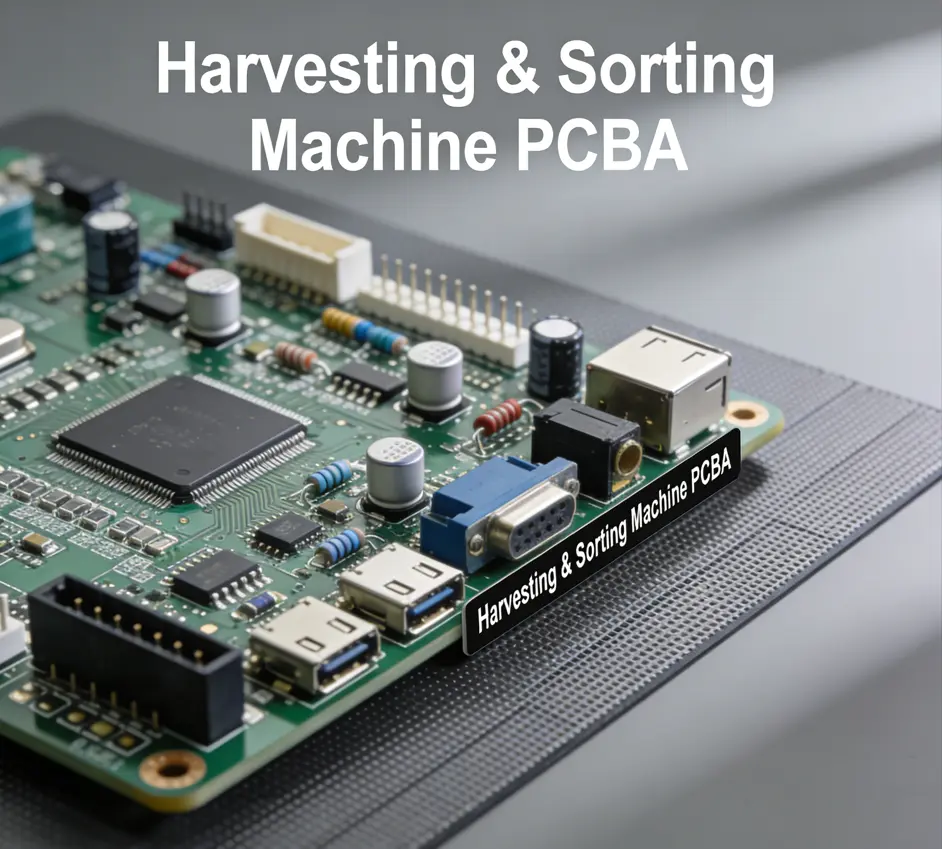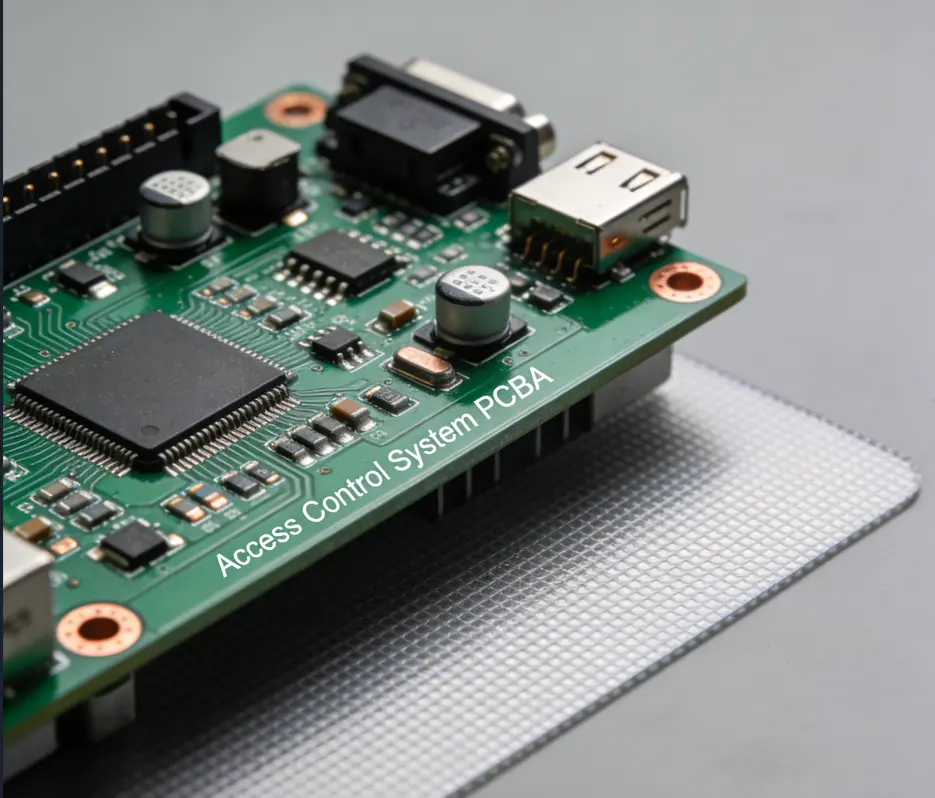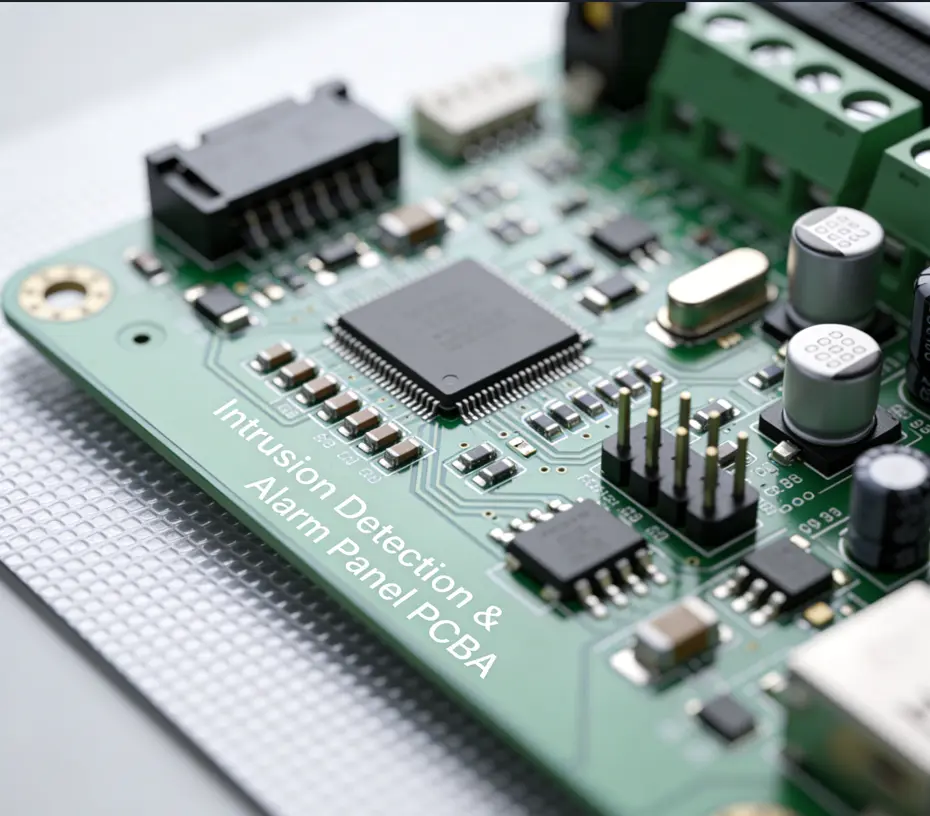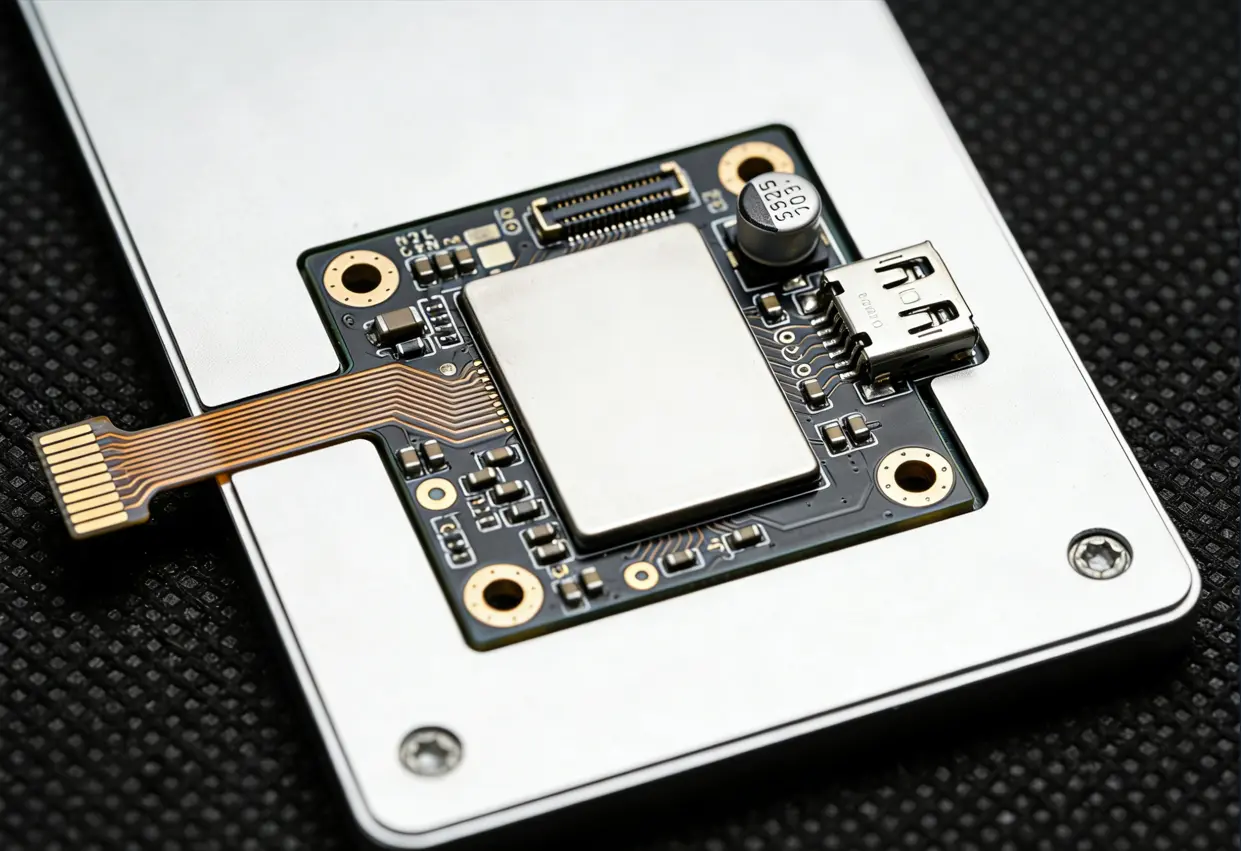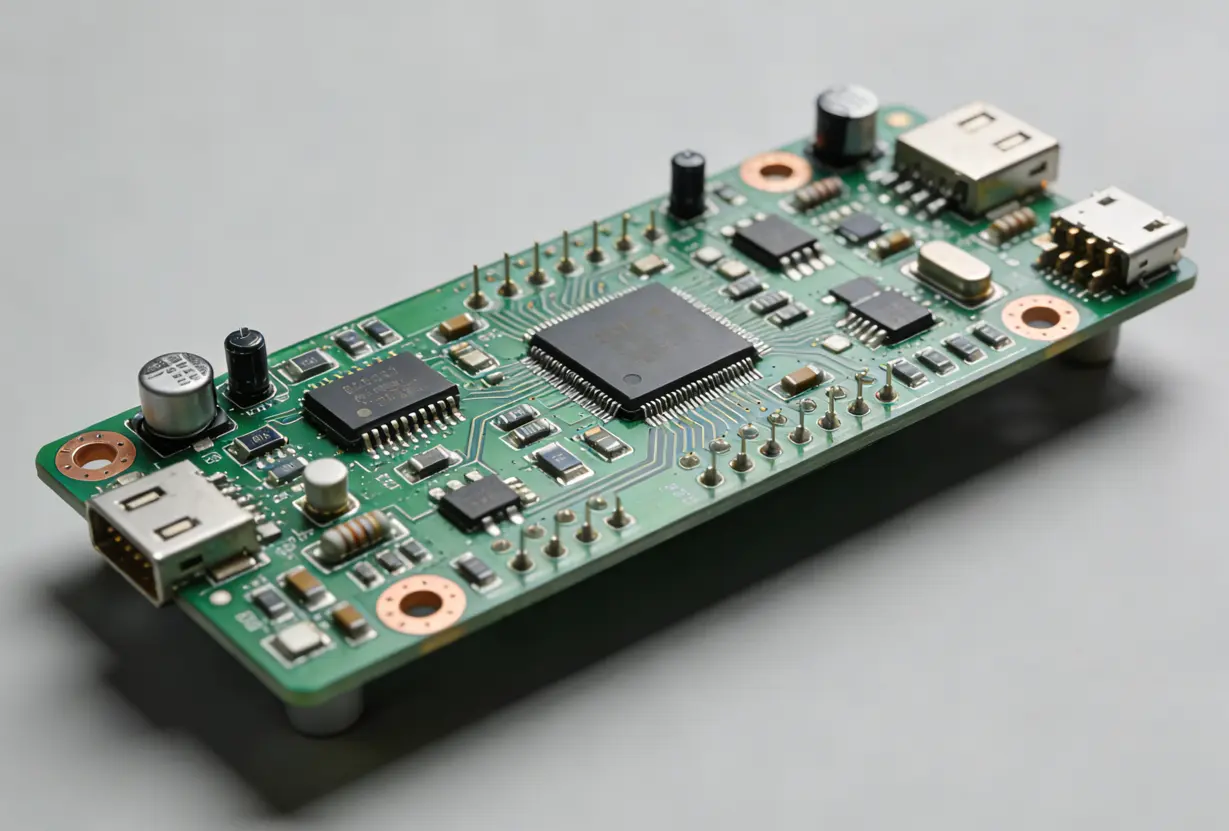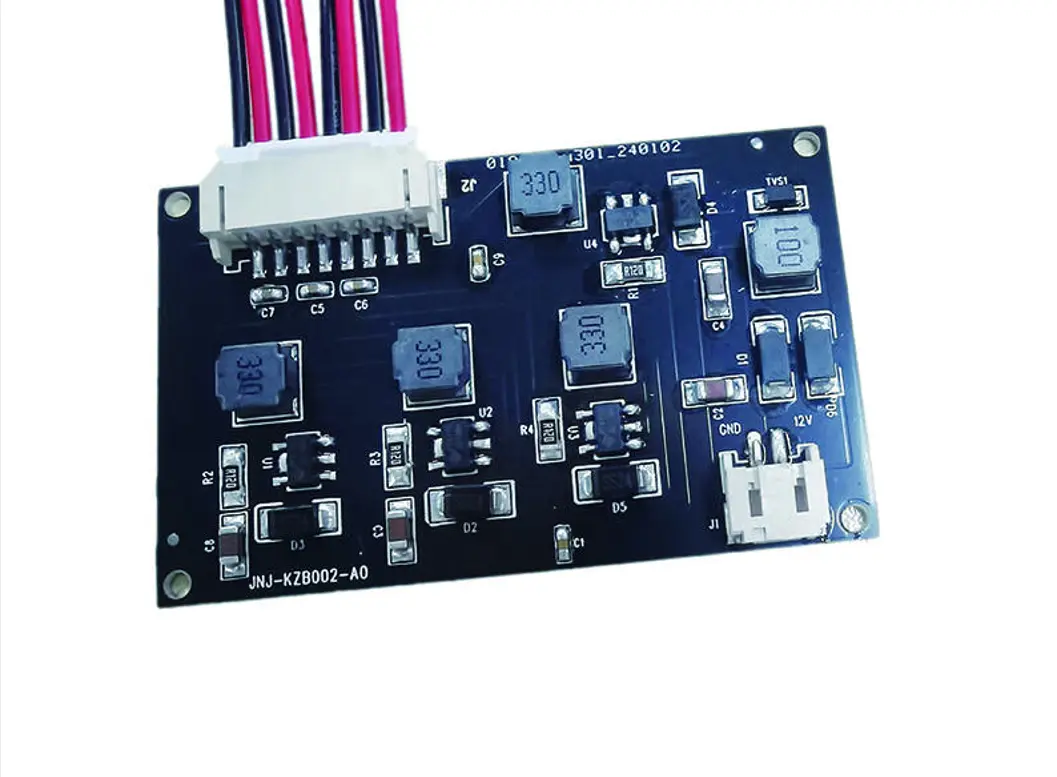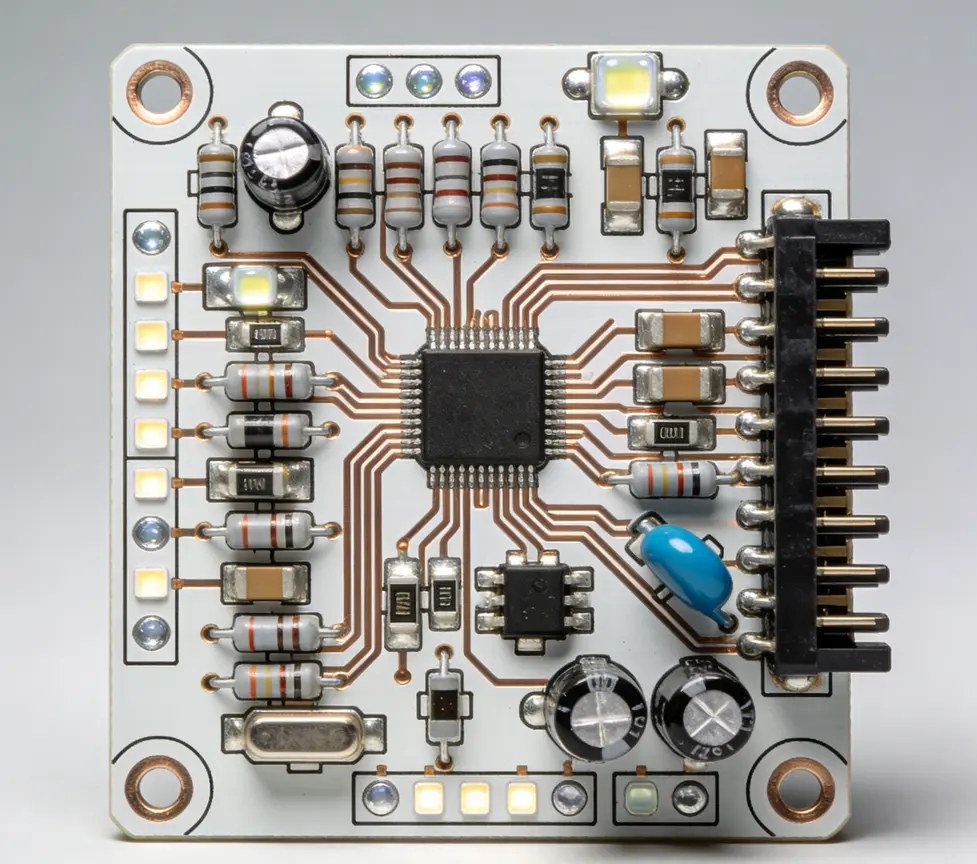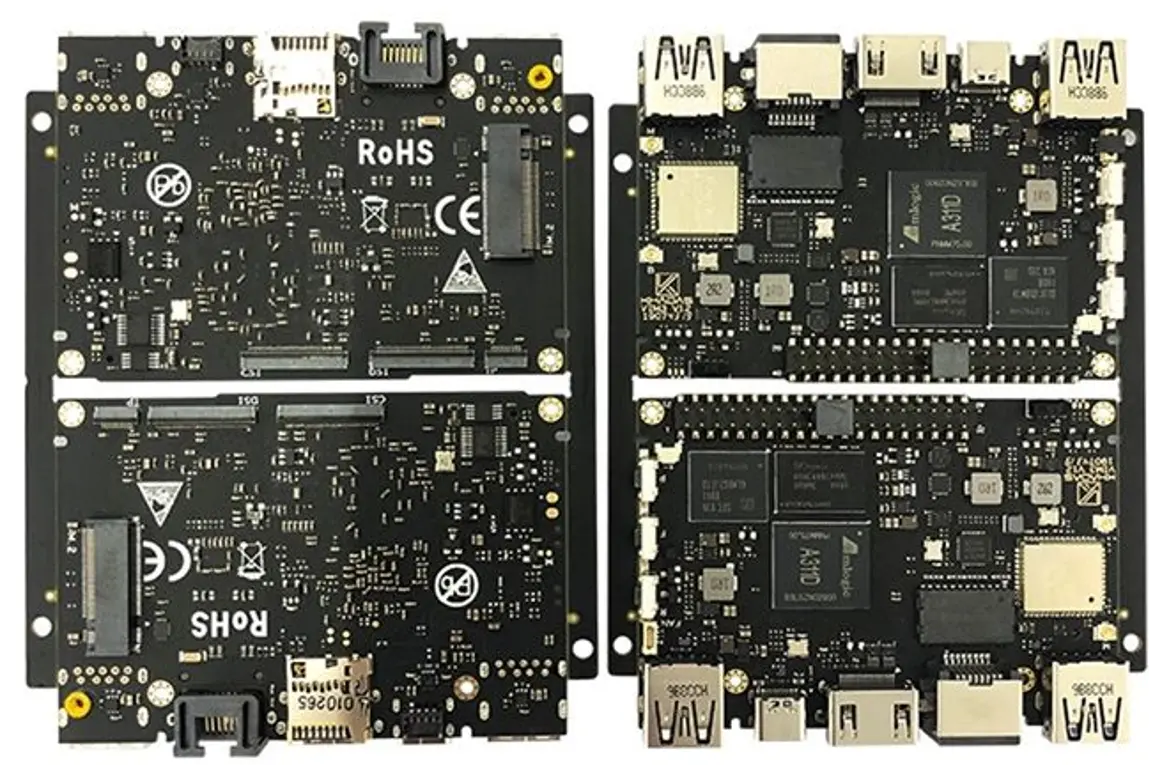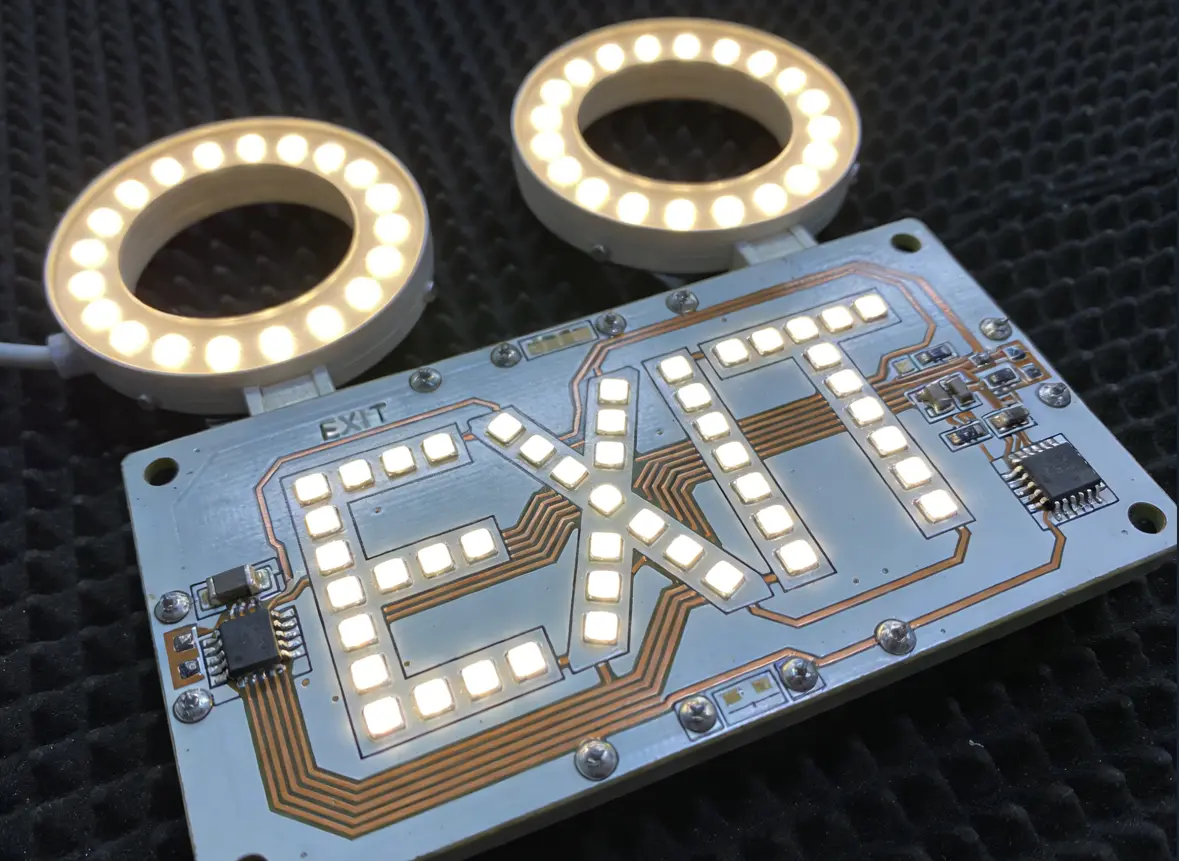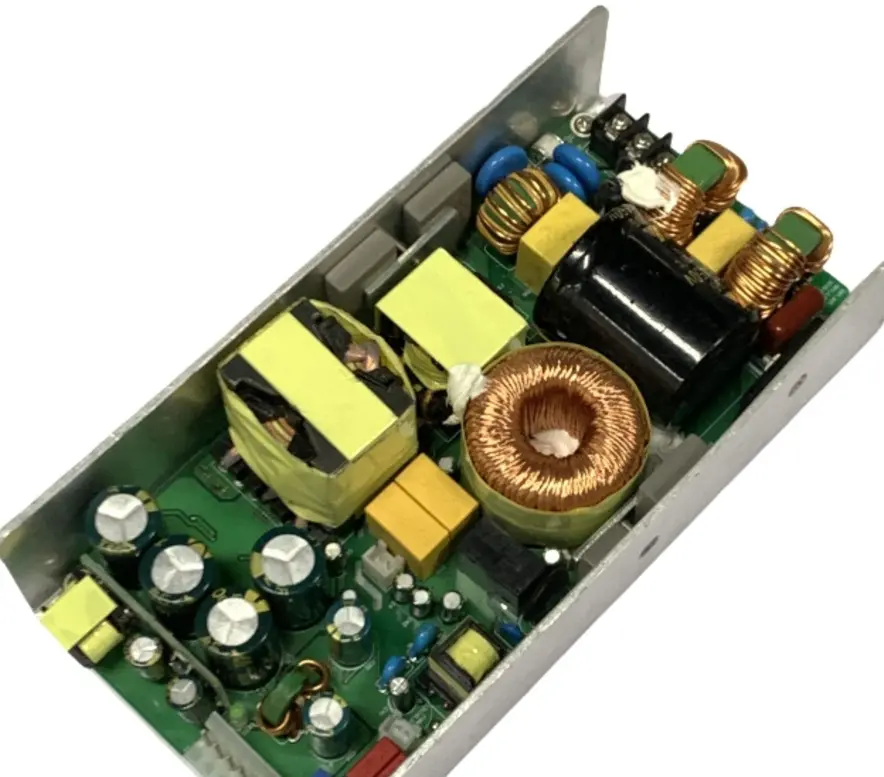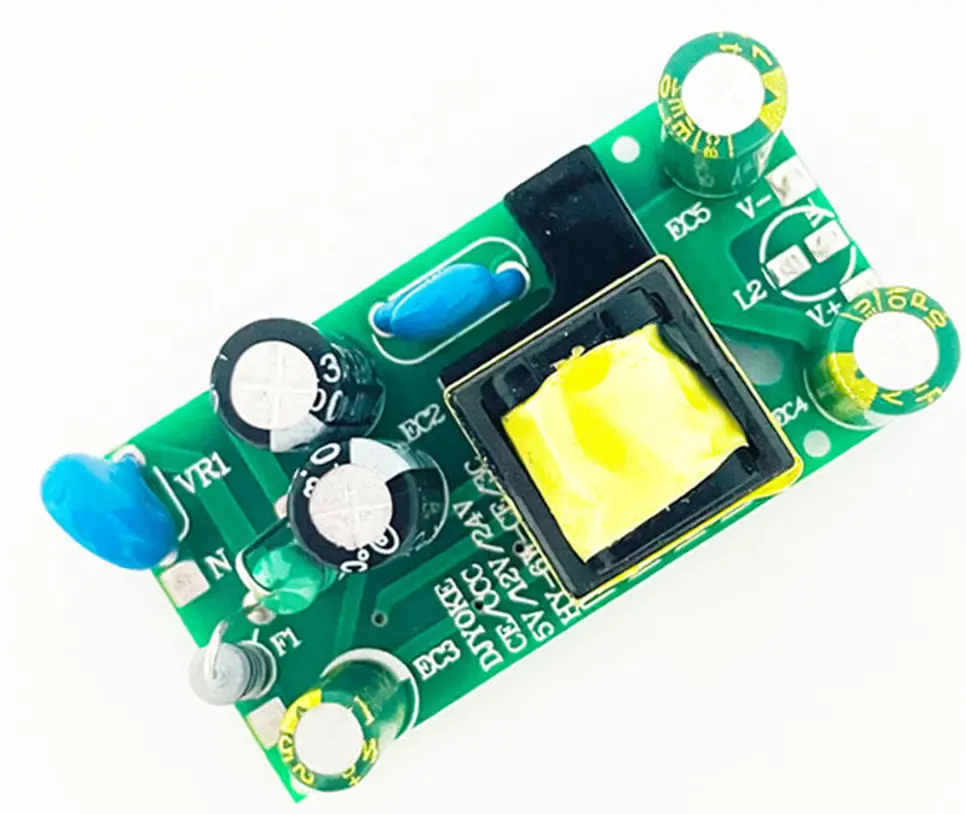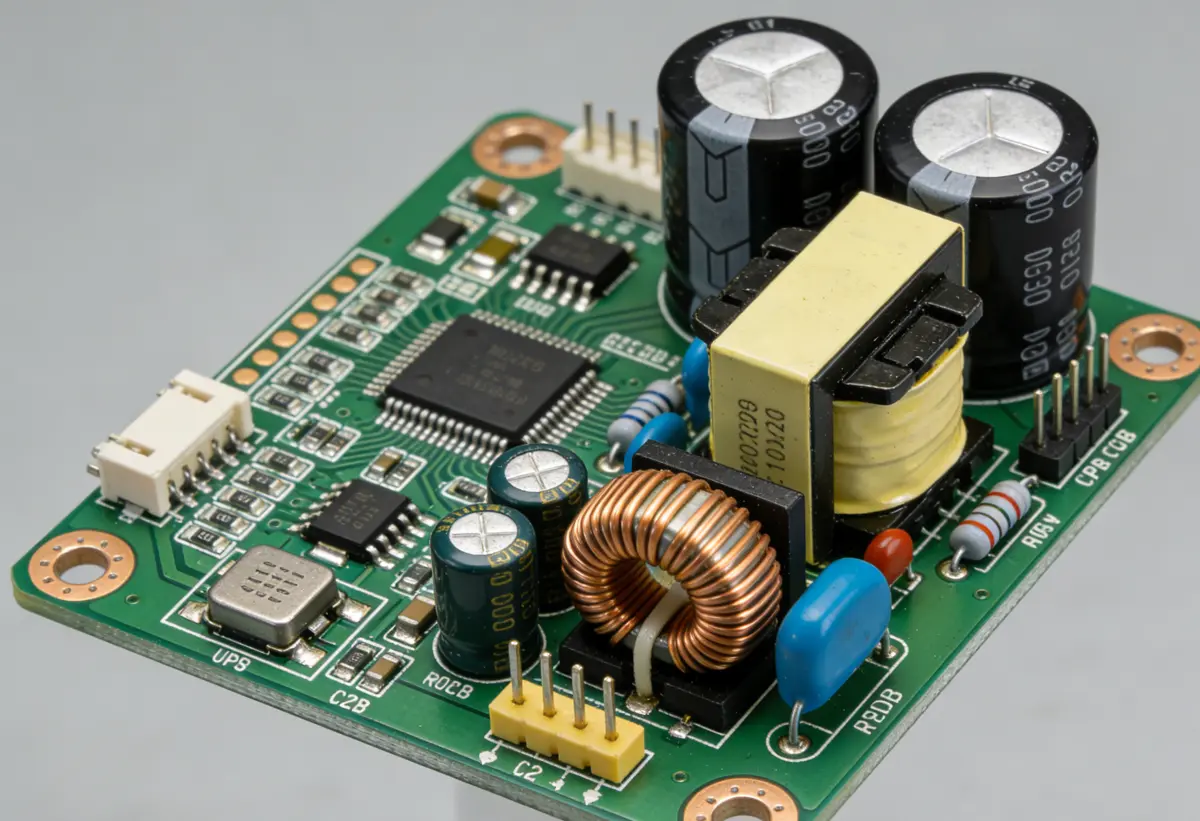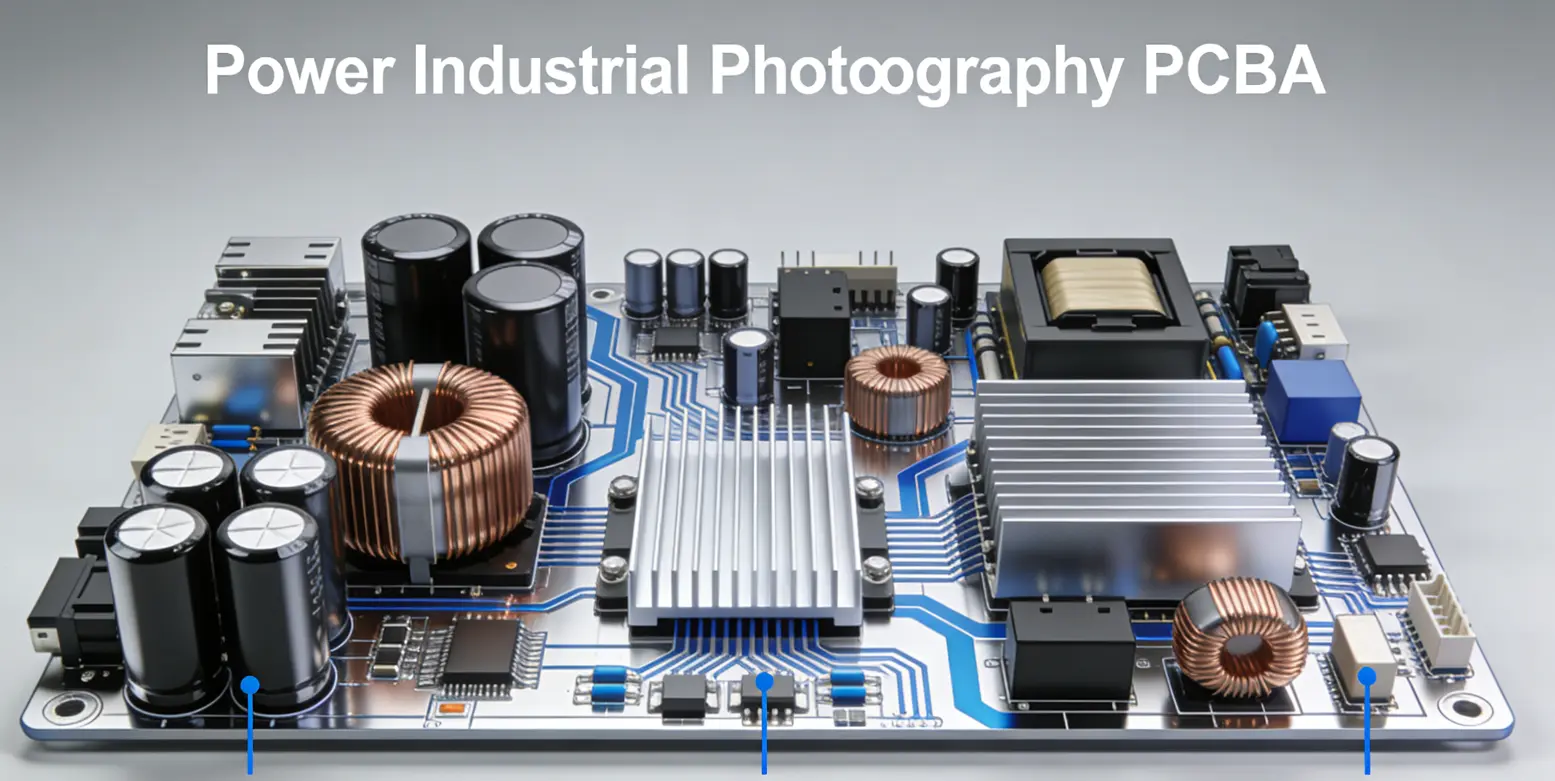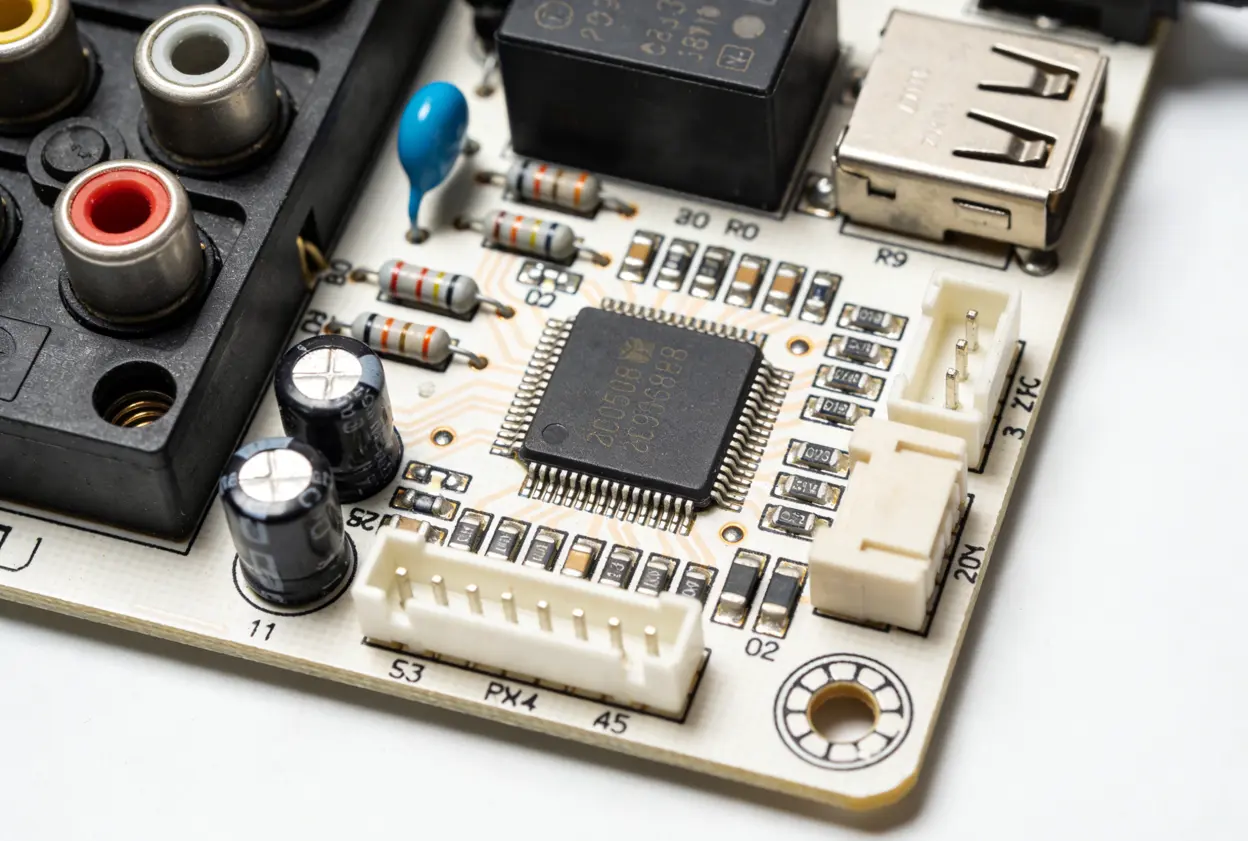
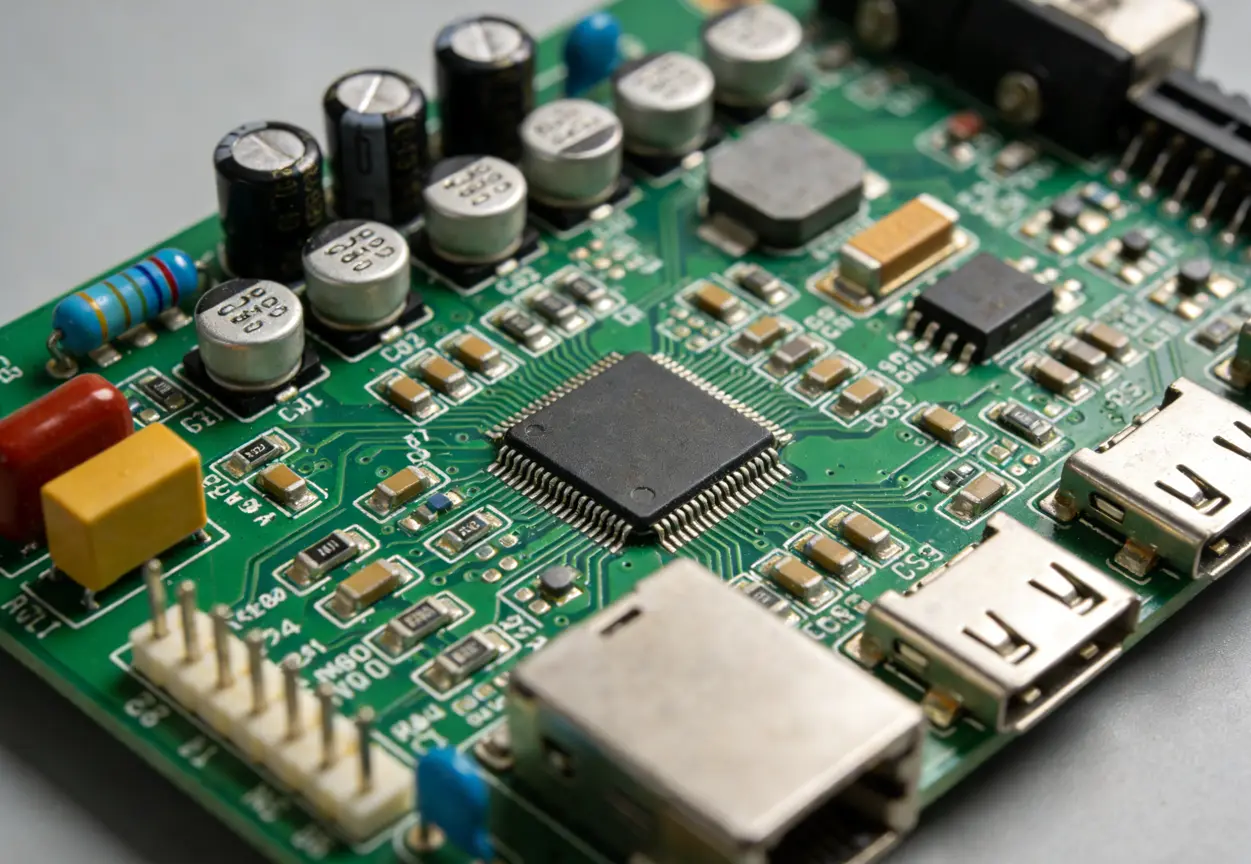
Printed Circuit Board Assembly (PCBA) serves as the core "brain" of modern home appliances, integrating electronic components to enable functionality, control, and connectivity. From basic kitchen appliances like microwaves to smart devices such as refrigerators and air conditioners, Home Appliances PCBA is indispensable for translating electrical signals into actionable operations, ensuring safety, efficiency, and reliability in daily household use. This article explores the key manufacturing parameters, technical requirements, and critical roles of Home Appliances PCBA in shaping the performance of household electrical products.
The foundation of Home Appliances PCBA lies in the PCB substrate, whose specifications are tailored to the unique demands of different appliances.
Substrate Materials:
FR‑4: The most commonly used material—cost‑effective and versatile, suitable for general appliances like toasters and blenders.
Aluminum‑based PCBs: Preferred for high‑power appliances such as air conditioners and water heaters due to excellent heat dissipation.
Ceramic PCBs: Adopted for high‑temperature applications like oven controllers.
Physical Parameters:
Substrate Thickness: Ranges from 0.4 mm to 2.0 mm; 1.0 mm to 1.6 mm is standard for most small appliances.
Copper Thickness: Varies based on current requirements—1 oz (35 μm) for general circuits; 2 oz to 3 oz (70 μm to 105 μm) for high‑current circuits powering motors or heaters.
Layer Count:
2‑layer boards: Mainstream for cost‑sensitive appliances.
4‑layer to 8‑layer boards: Required for complex controllers in smart refrigerators and washing machines to accommodate dense circuitry.
Surface Finishes: Selected based on corrosion resistance, solderability, and cost:
HASL (Hot Air Solder Leveling): Cost‑effective for mass‑produced appliances.
ENIG (Electroless Nickel Immersion Gold): Ensures durability for connectors in frequently used devices.
OSP (Organic Solderability Preservative): Complies with lead‑free standards, aligning with global environmental regulations.
Component mounting and assembly technologies are critical to the precision and reliability of Home Appliances PCBA.
Surface Mount Technology (SMT): Widely used for miniaturized components such as resistors, capacitors, and microcontrollers. Supports component sizes from 01005 (for compact controllers) to 2512 (power resistors) and fine‑pitch ICs like QFP, BGA, and QFN.
Placement Accuracy: ±0.05 mm for chip components; ±0.02 mm for fine‑pitch ICs—ensuring stable signal transmission.
Through‑Hole Technology (THT): Complements SMT for power components such as connectors, transformers, and relays, which require robust mechanical stability.
Soldering Standards:
RoHS Compliance: Uses Sn‑Ag‑Cu alloy for lead‑free soldering with a peak reflow temperature of 245°C ±5°C.
Solder Joint Quality: Graded per IPC‑A‑610:
Class II: General home appliances.
Class III: Precision devices like medical‑grade home equipment.
Component Clearance: Strictly controlled—at least 0.2 mm between adjacent components and 0.5 mm between high‑voltage (≥220V) and low‑voltage (≤5V) components—to prevent short circuits and ensure user safety.
Electrical performance parameters are tailored to the functional needs of home appliances.
Operating Voltages: Low‑voltage control circuits operate at 5V to 24V; power input circuits for household mains handle 110V/220V AC.
Rated Current: Can reach up to 30A for motor and heater circuits, determined by copper thickness and trace width.
Insulation & Safety:
Insulation Resistance: ≥100 MΩ (at 500V DC).
Dielectric Withstand Voltage: 2000V AC (for 1 minute)—ensuring safety in mains‑connected appliances.
Signal Transmission: For smart appliances with Wi‑Fi or Bluetooth modules, signal speeds up to 100 Mbps support seamless connectivity.
Energy Efficiency: Standby power consumption limited to ≤0.5W to meet standards like the ErP Directive.
Home appliances operate in diverse environmental conditions, so Home Appliances PCBA must meet stringent reliability and environmental test standards.
Temperature Ranges:
Operating: -20°C to +70°C (general appliances); -40°C to +85°C (outdoor units like air conditioners).
Storage: -40°C to +125°C.
Humidity Resistance: Tested at 40°C, 90%–95% RH for 1000 hours—ensuring performance in humid environments such as dishwashers.
Vibration Resistance: 10 Hz – 500 Hz, 1g acceleration—suited for appliances with motors like washing machines.
Thermal Cycle Testing: -40°C to +85°C for 1000 cycles—verifies durability under temperature fluctuations.
Salt Spray Testing: 5% NaCl solution at 35°C for 48 hours—ensures corrosion resistance.
Flame Retardancy: PCB substrates with UL 94 V‑0 rating prevent flame spread in case of malfunctions.
Compliance with global safety and environmental standards is non‑negotiable for Home Appliances PCBA.
Safety Standards:
UL 60335 (US)
IEC 60335 (EU)
GB 4706 (China)
These govern design and manufacturing to protect users from electrical hazards.
Environmental Compliance:
RoHS 2.0: Restricts hazardous substances.
REACH: Chemical registration and management.
EMC Standards: EN 55014‑1 (emission) and EN 55014‑2 (immunity)—ensure appliances do not interfere with other electronic devices.
As home appliances become smarter and more energy‑efficient, Home Appliances PCBA is evolving to meet emerging demands.
Miniaturization: Enables sleeker appliance designs.
Integrated IoT Modules: Require advanced PCB layouts for stable connectivity.
Energy Optimization: Shift toward renewable energy and energy‑saving technologies drives innovations in PCBA design, such as optimized power management circuits and heat dissipation solutions.
Ultimately, Home Appliances PCBA remains the backbone of household electronics, balancing performance, safety, and sustainability to enhance daily life. Its robust design, precision manufacturing, and compliance with global standards ensure that modern appliances deliver the convenience, efficiency, and reliability that consumers expect.
1. PCB Substrate Core Parameters
|
Parameter Category |
Specification Details |
|
Substrate Material |
FR-4 (standard for general home appliances), |
|
Thickness |
0.4mm–2.0mm (adjustable based on appliance size; 1.0mm–1.6mm for most small appliances) |
|
Copper Thickness |
1oz (35μm, general circuits), 2oz–3oz (70μm–105μm, high-current circuits for motors, heaters) |
|
Number of Layers |
2-layer (mainstream for cost-sensitive appliances), 4-layer–8-layer |
|
Solder Mask Color |
Green (standard), White (for LED-integrated appliances), |
|
Surface Finish |
HASL (hot air solder leveling, cost-effective), |
|
Minimum Line Width/Spacing |
0.15mm/0.15mm (2-layer boards), 0.10mm/0.10mm (4+ layer boards) |
|
Hole Size Tolerance |
±0.05mm (mechanical holes), ±0.02mm (via holes for signal transmission) |
2. Component Mounting & Assembly Parameters
|
Parameter Category |
Specification Details |
|
Mounting Technology |
SMT (Surface Mount Technology, |
|
Component Size Range (SMT) |
01005 (miniature resistors/capacitors for compact controllers) |
|
Placement Accuracy |
±0.05mm (chip components), ±0.02mm (fine-pitch ICs, pitch ≤0.5mm) |
|
Soldering Standards |
Lead-free soldering (RoHS compliant: Sn-Ag-Cu alloy), |
|
Solder Joint Quality |
IPC-A-610 Class II (general home appliances), |
|
Component Clearance |
≥0.2mm between adjacent components; |
3. Electrical Performance Parameters
|
Parameter Category |
Specification Details |
|
Rated Voltage |
5V–24V (low-voltage control circuits), |
|
Rated Current |
Up to 30A (power circuits for motors, heaters; |
|
Insulation Resistance |
≥100MΩ (at 500V DC, between live and neutral lines, live line and ground) |
|
Dielectric Withstand Voltage |
2000V AC (1min, no breakdown or flashover, for mains-connected circuits) |
|
Signal Transmission Speed |
Up to 100Mbps (for smart appliances with Wi-Fi/Bluetooth modules) |
|
Power Consumption |
≤0.5W (standby power for energy-efficient appliances, compliant with ErP Directive) |
4. Reliability & Environmental Test Parameters
|
Parameter Category |
Specification Details |
|
Temperature Resistance |
Operating temperature: -20°C to +70°C (general appliances), |
|
Humidity Resistance |
40°C, 90%–95% RH (1000h, no corrosion or functional failure, |
|
Vibration Resistance |
10Hz–500Hz, 1g acceleration (10h per axis, |
|
Thermal Cycle Test |
-40°C to +85°C, 1000 cycles (no solder joint cracking, no component detachment) |
|
Salt Spray Test |
5% NaCl solution, 35°C, 48h (for outdoor or coastal-use appliances, no rust on metal components/connectors) |
|
Flame Retardancy |
PCB substrate V-0 rating (UL 94 standard, prevents flame spread in case of short circuits) |
5. Compliance & Safety Standards
|
Standard Category |
Applicable Norms |
|
Global Safety Standards |
UL 60335 (US), IEC 60335 (EU), |
|
Environmental Compliance |
RoHS 2.0 (restriction of hazardous substances), |
|
EMC (Electromagnetic Compatibility) |
EN 55014-1 (emission), EN 55014-2 (immunity) – ensures no interference with other household electronics |