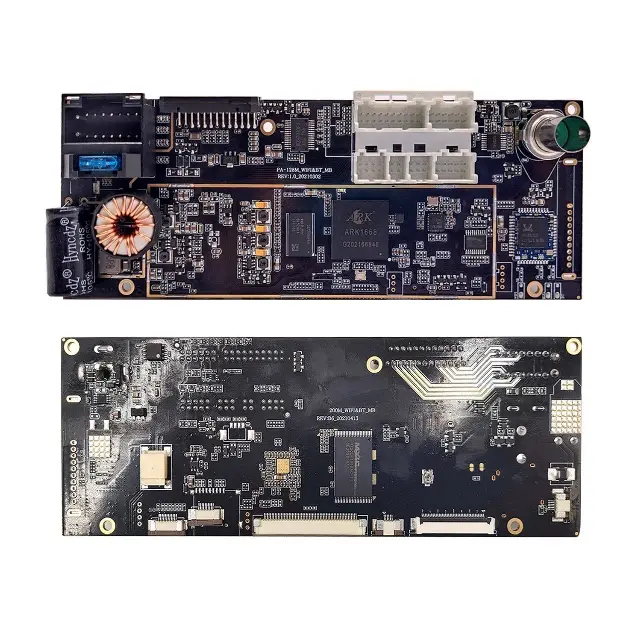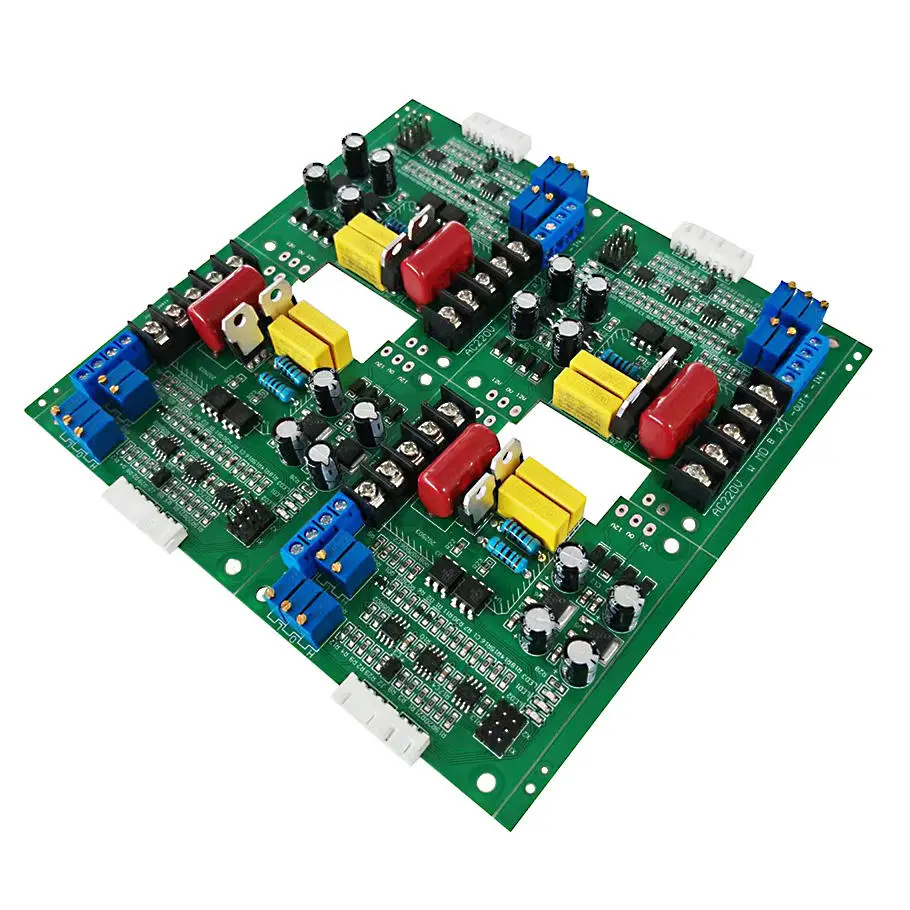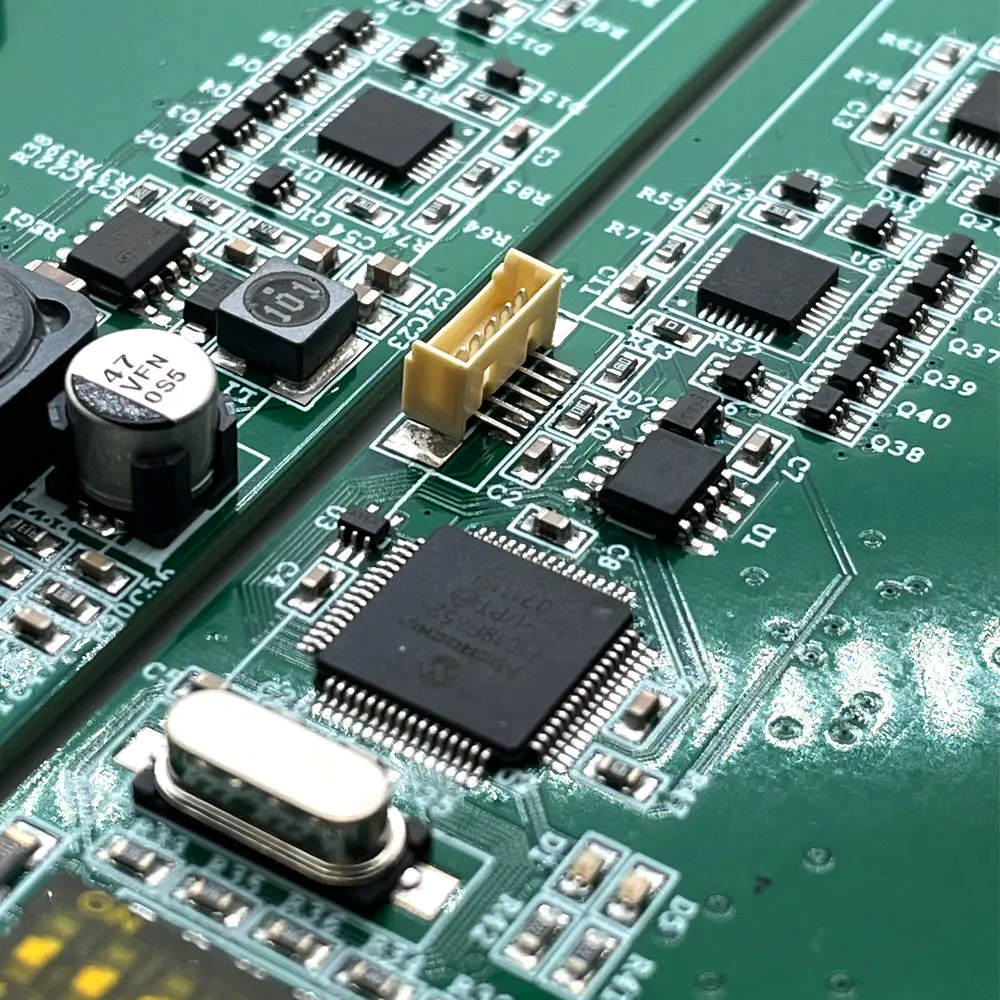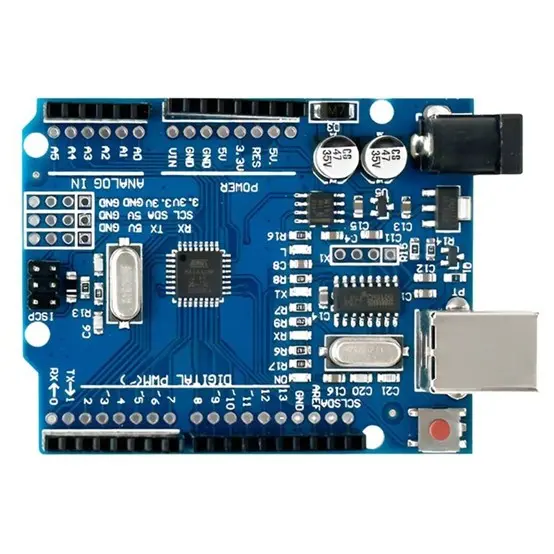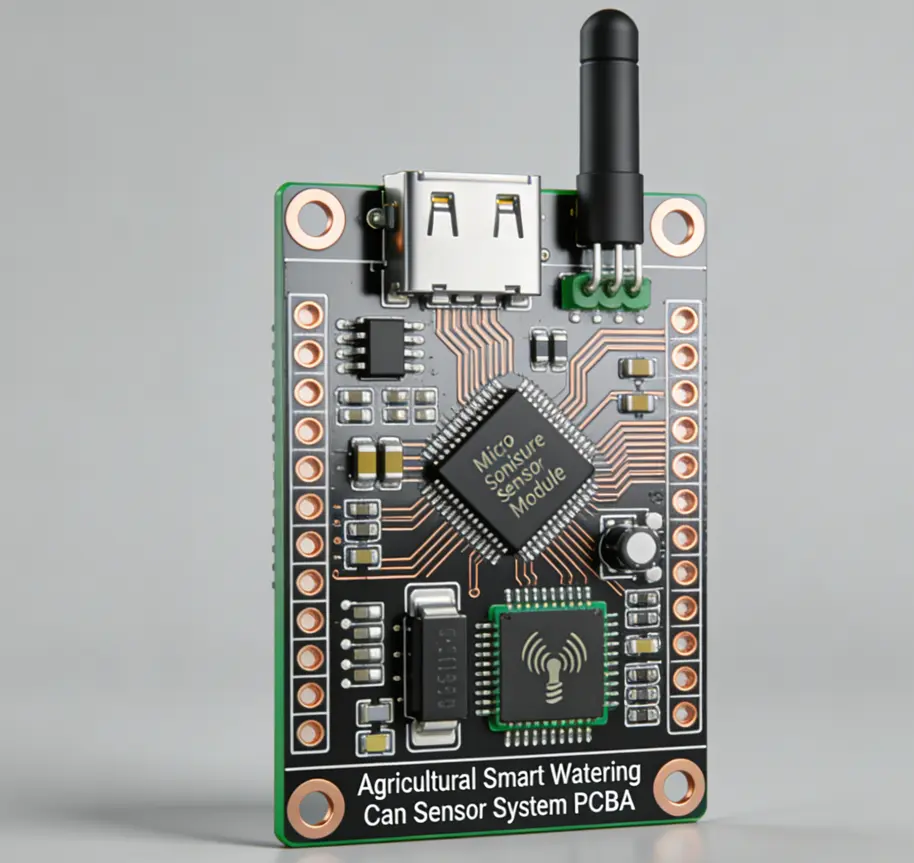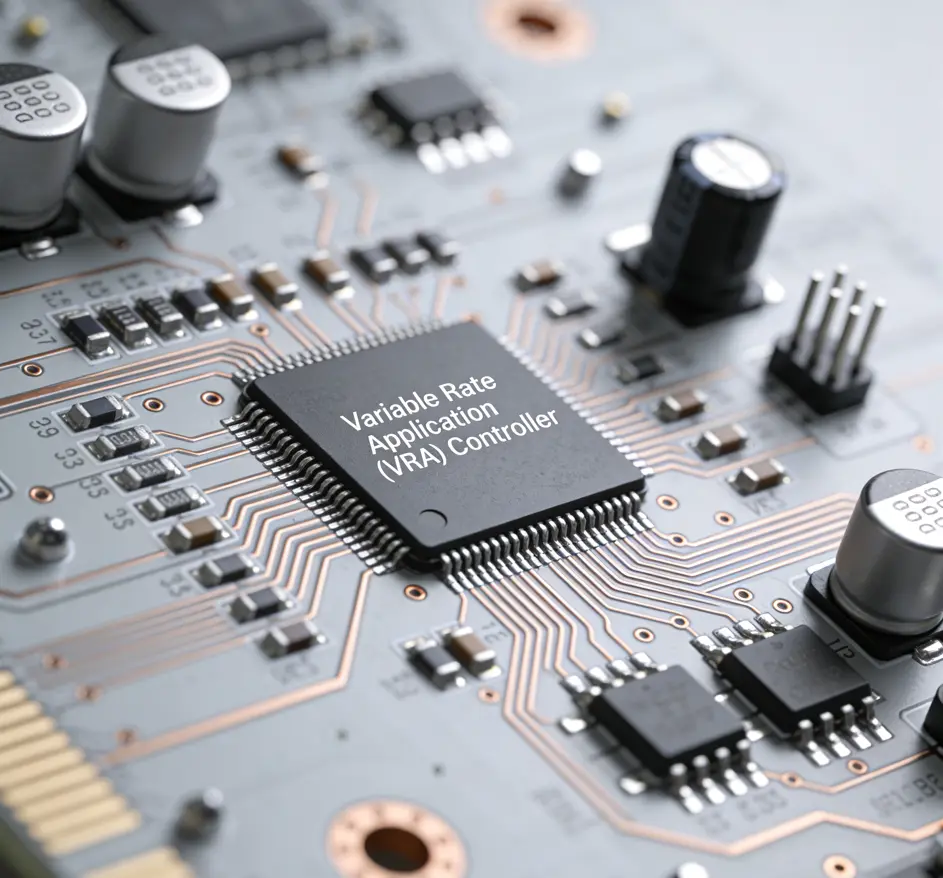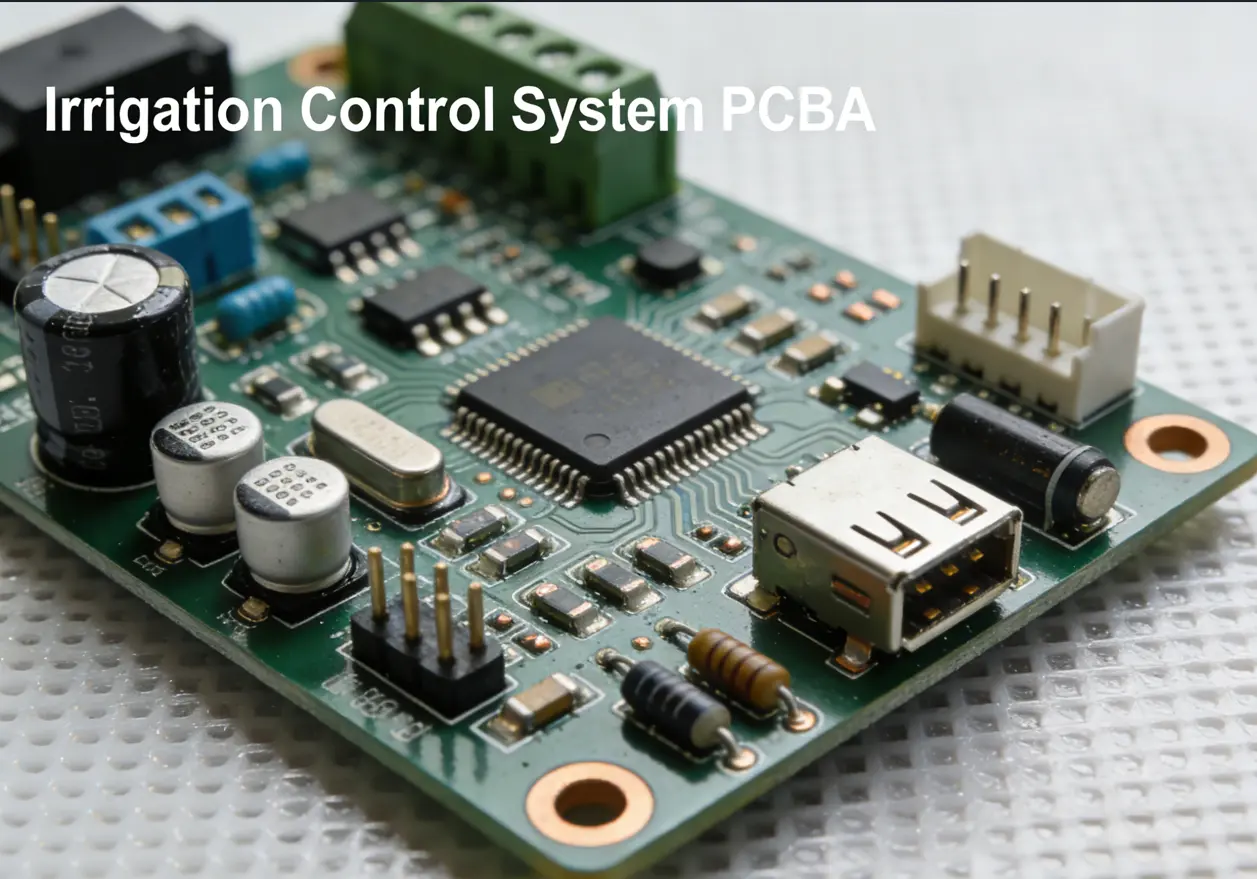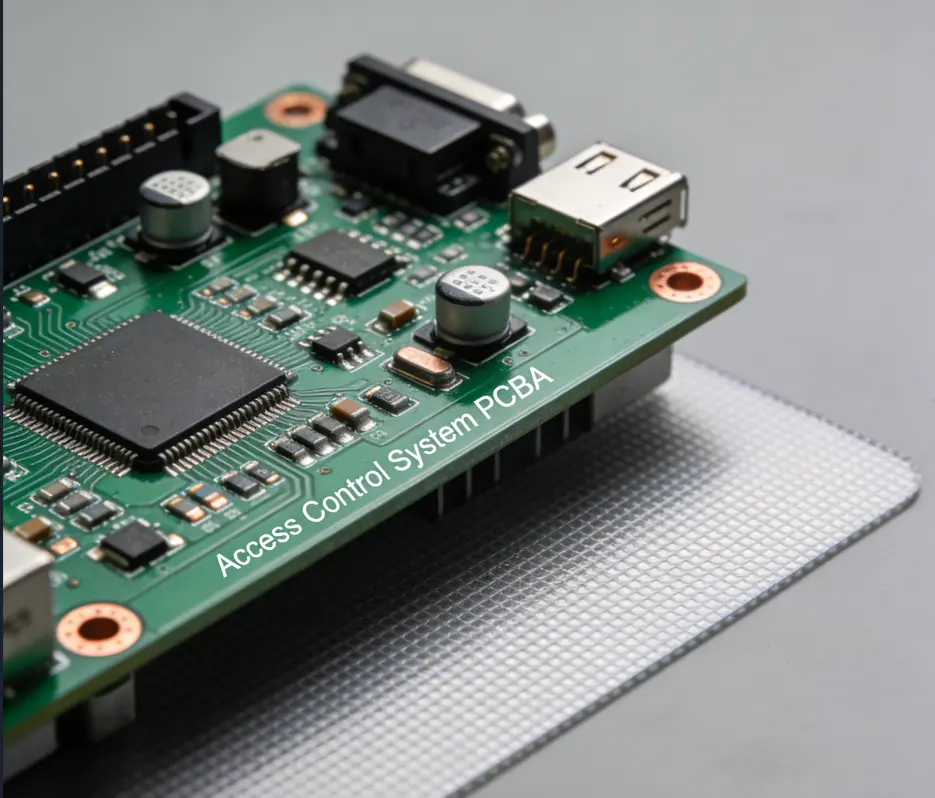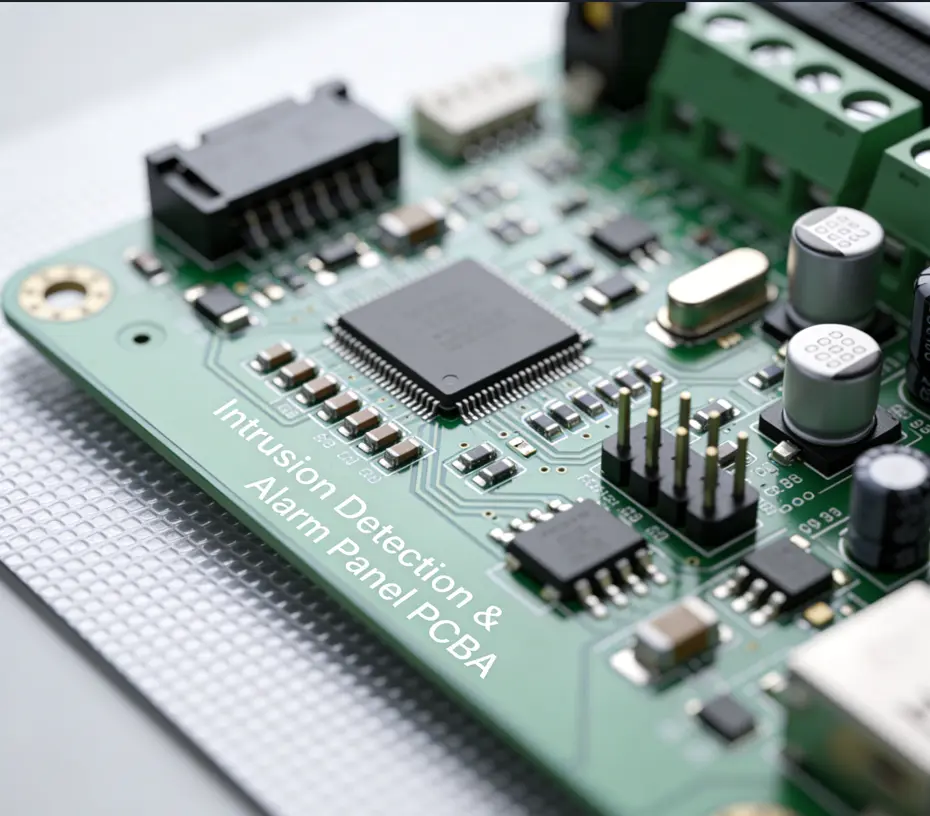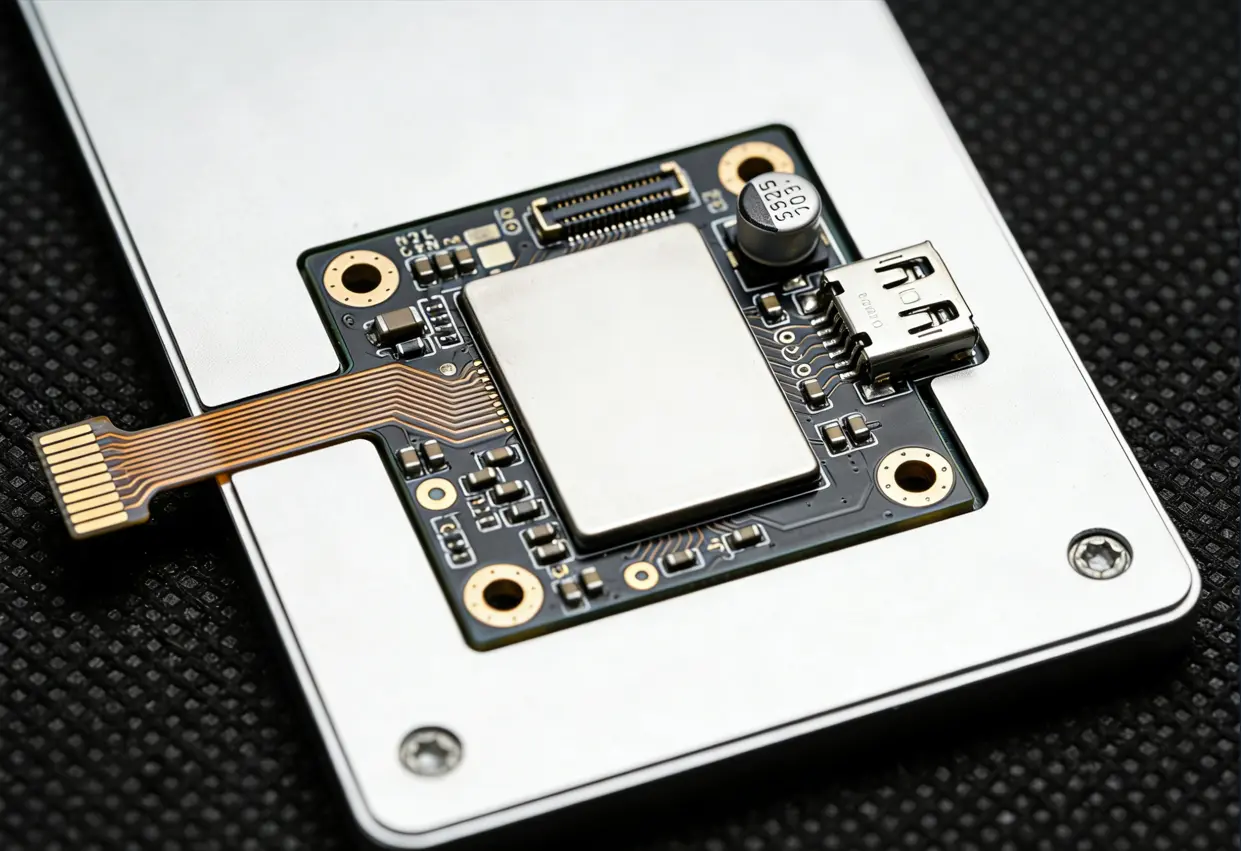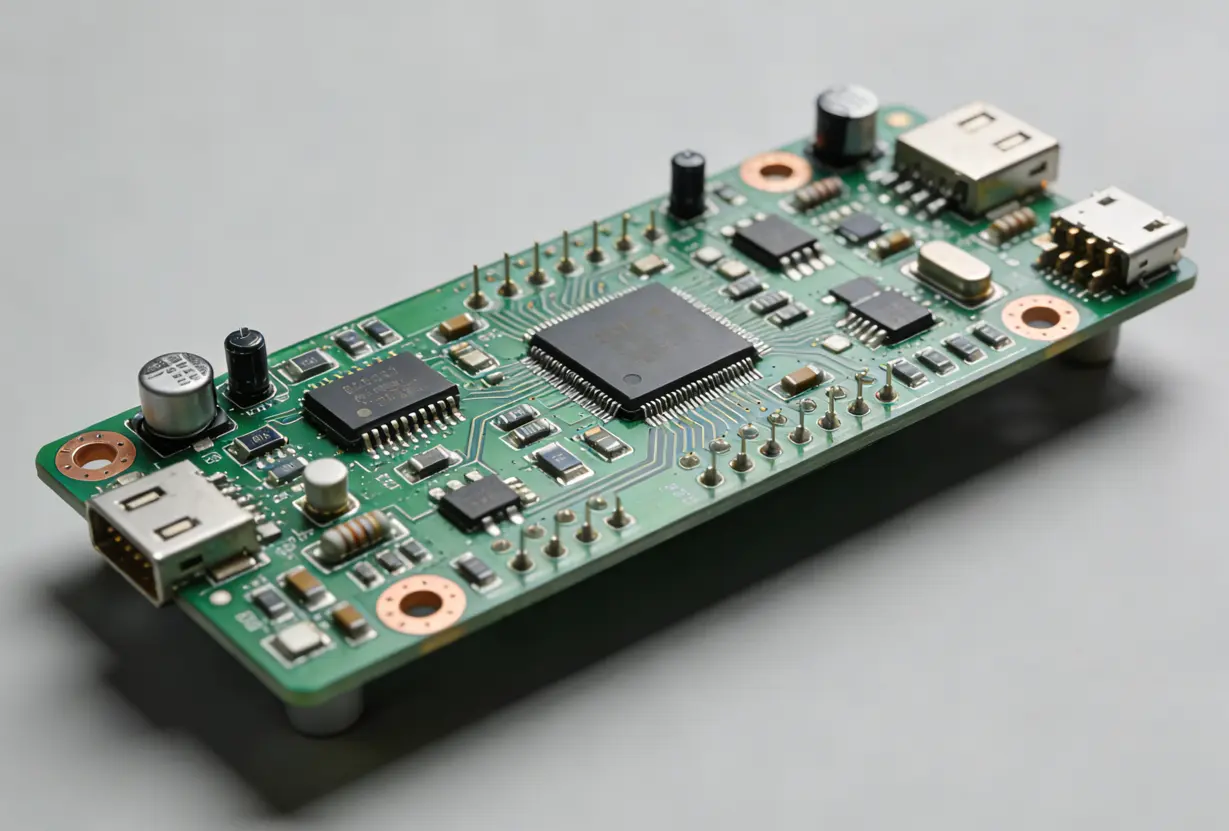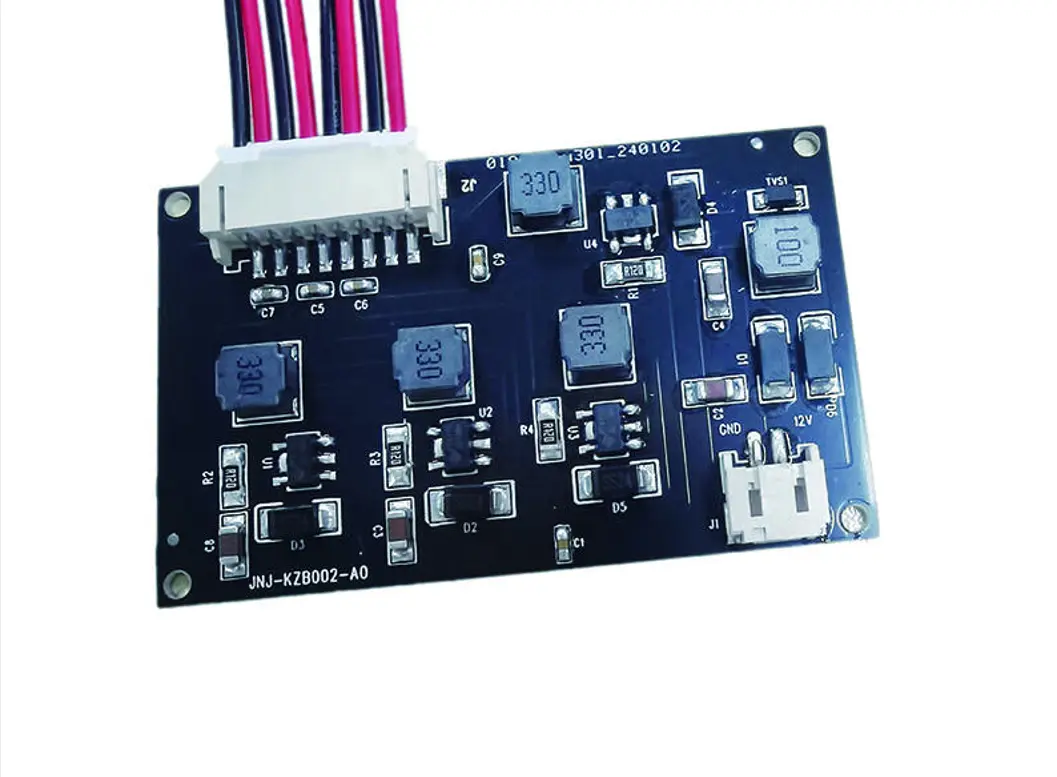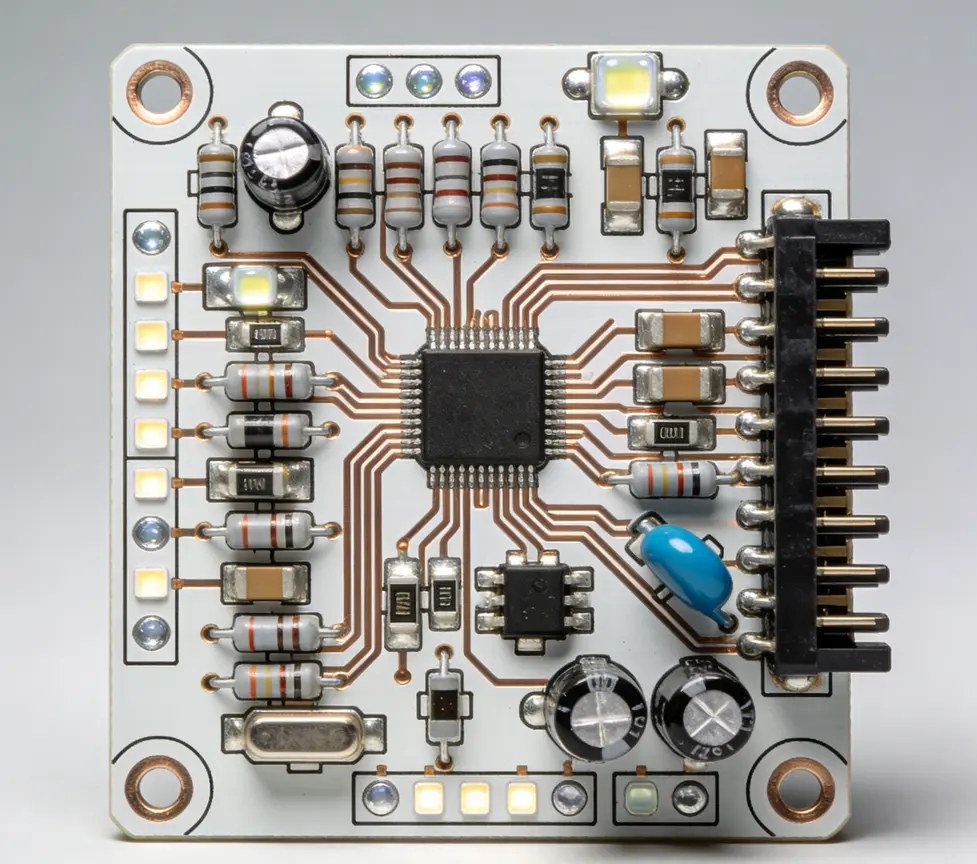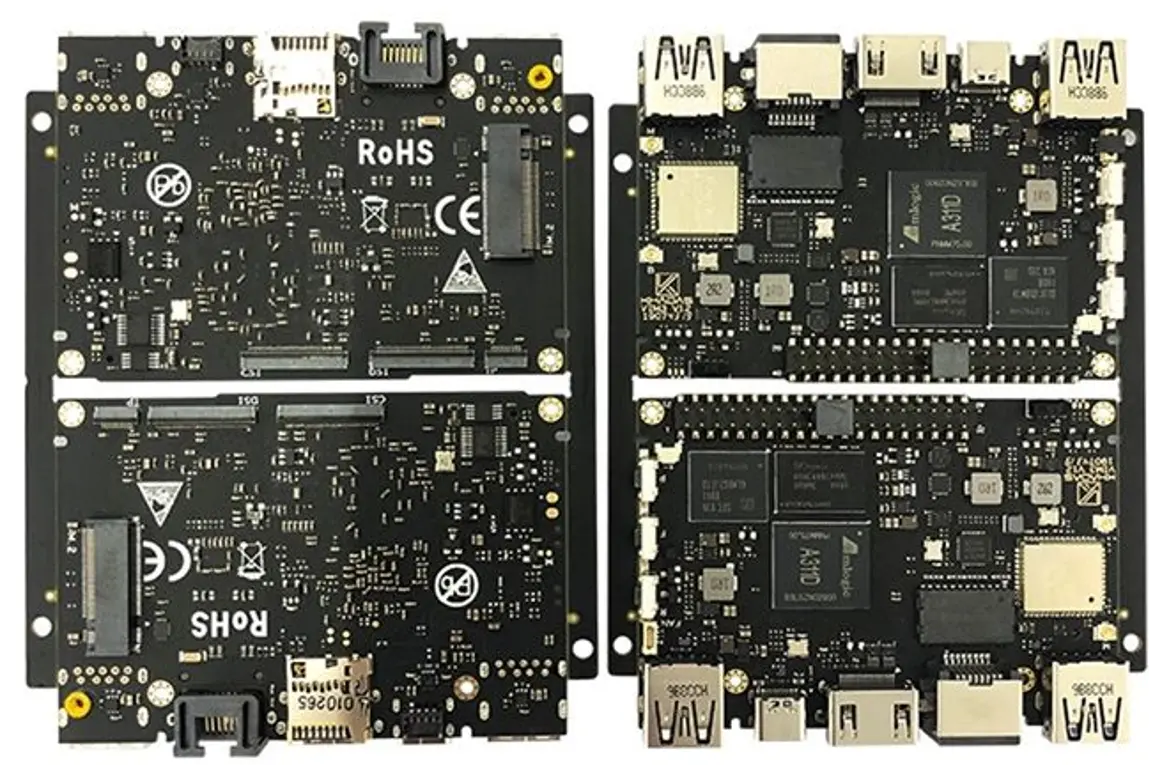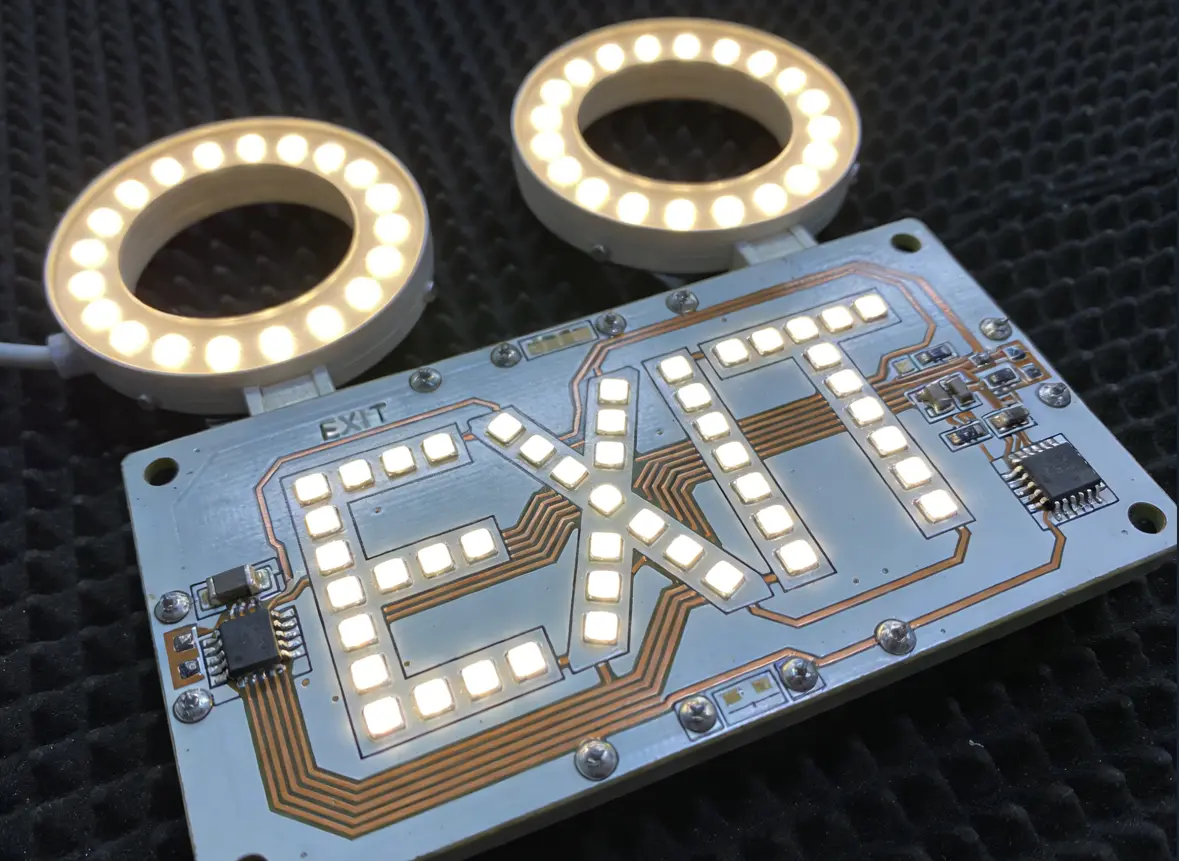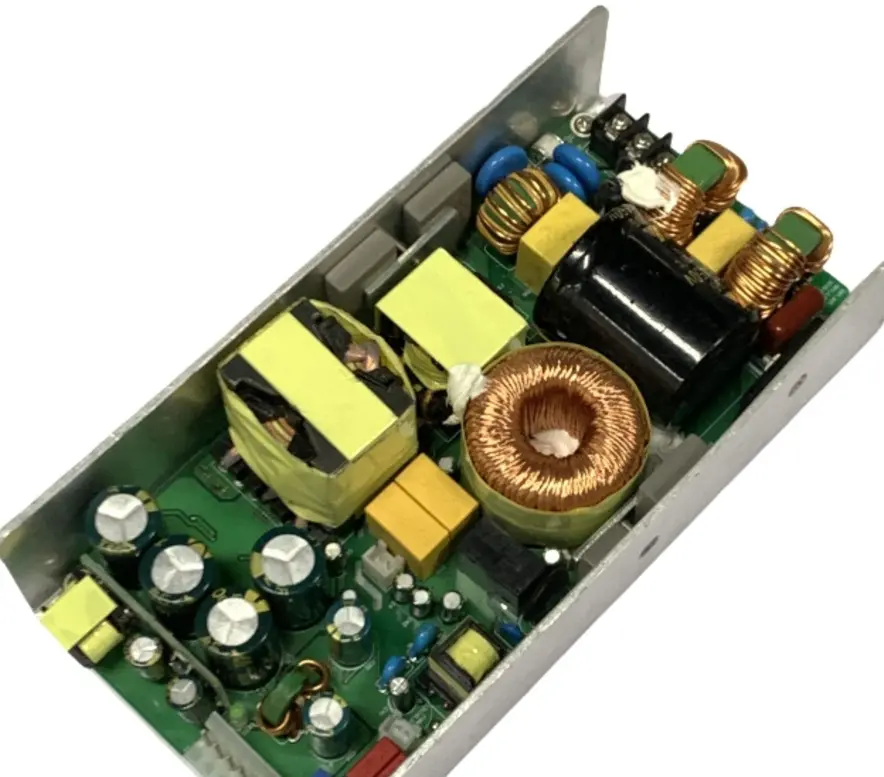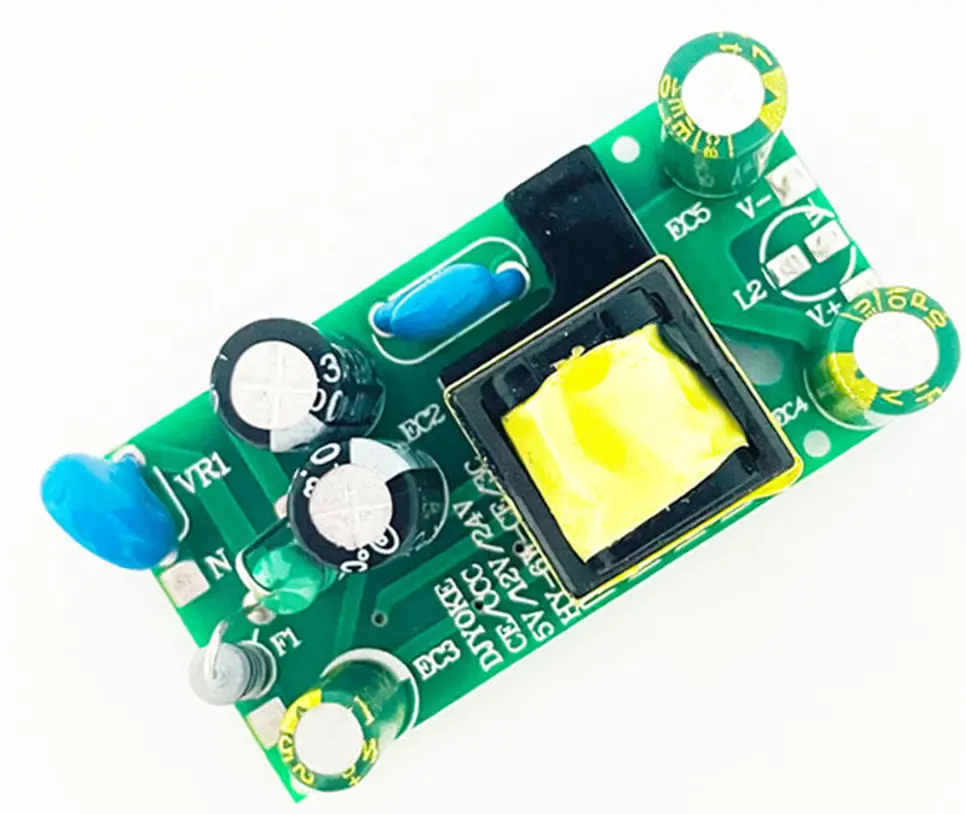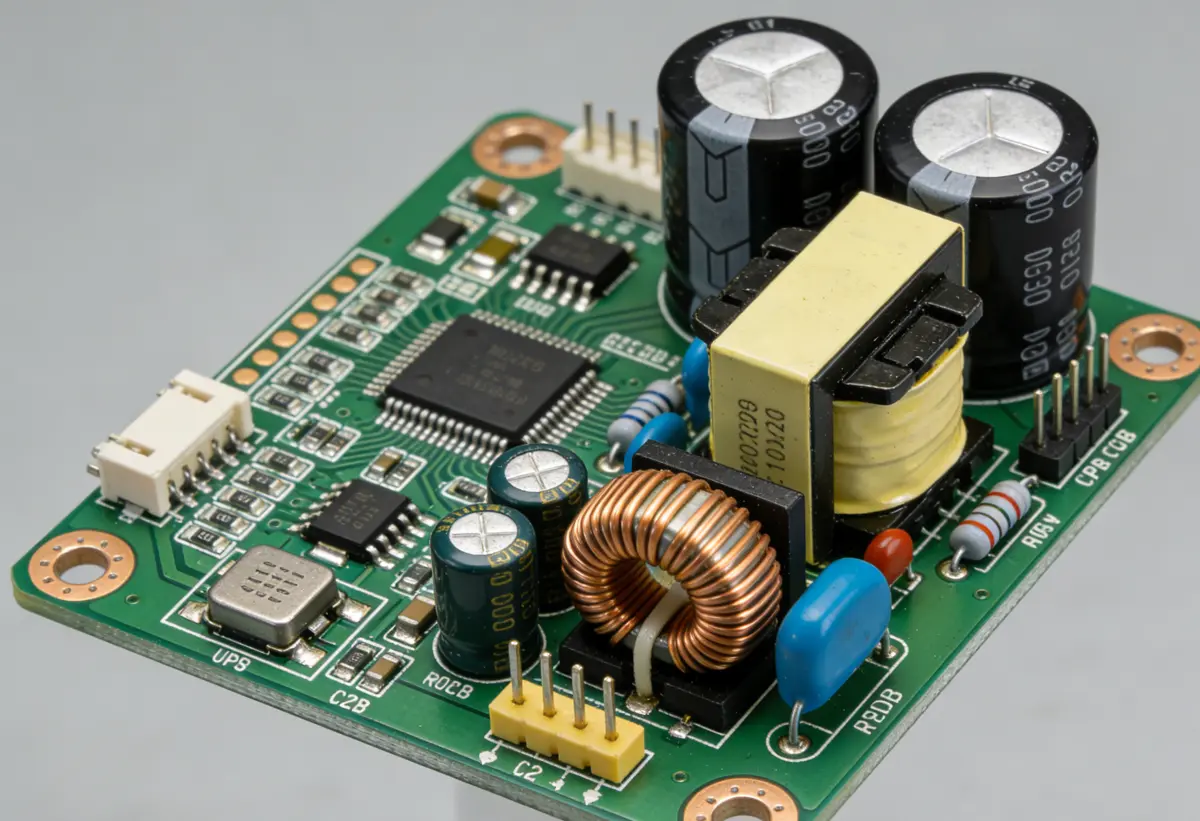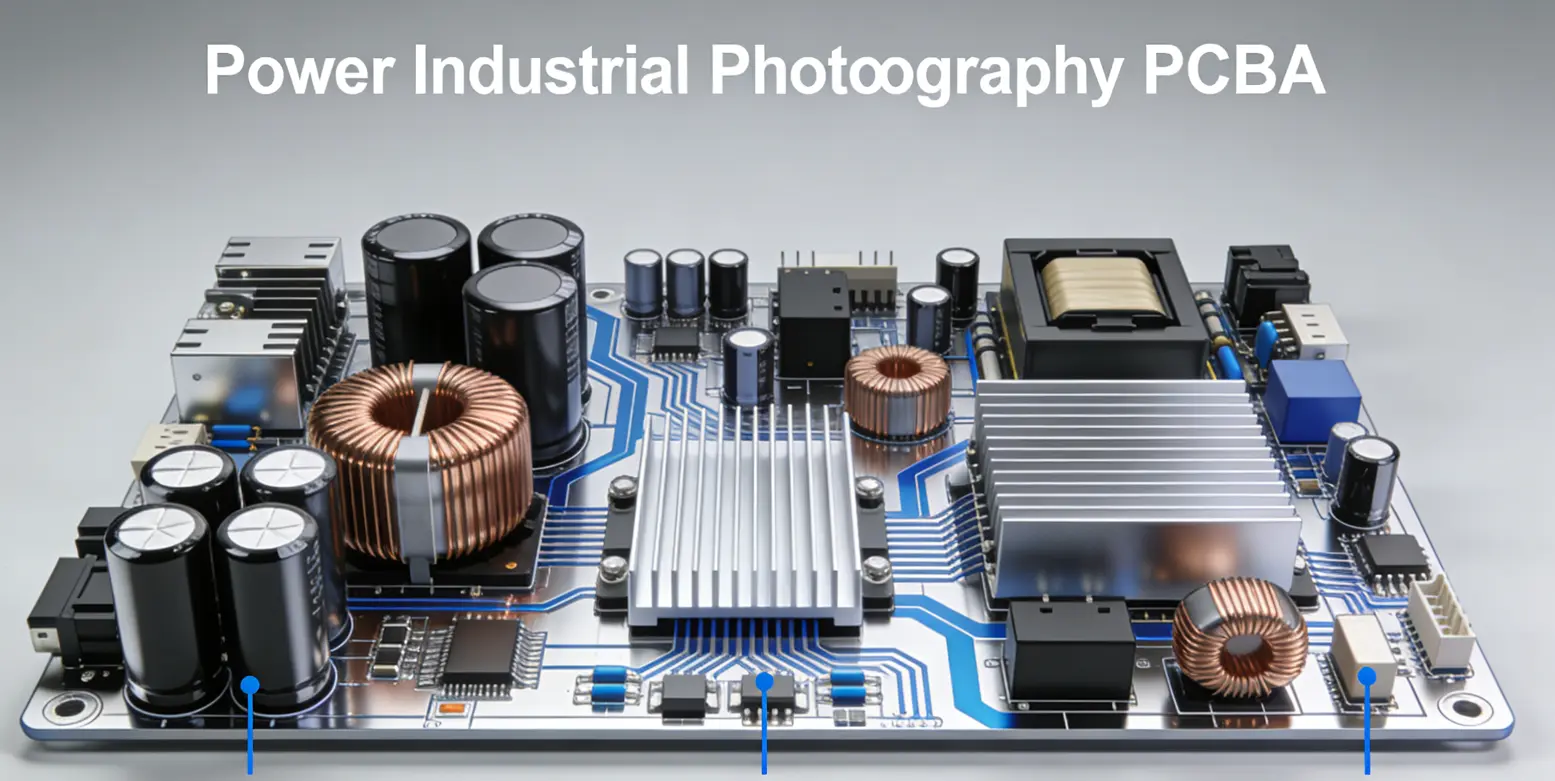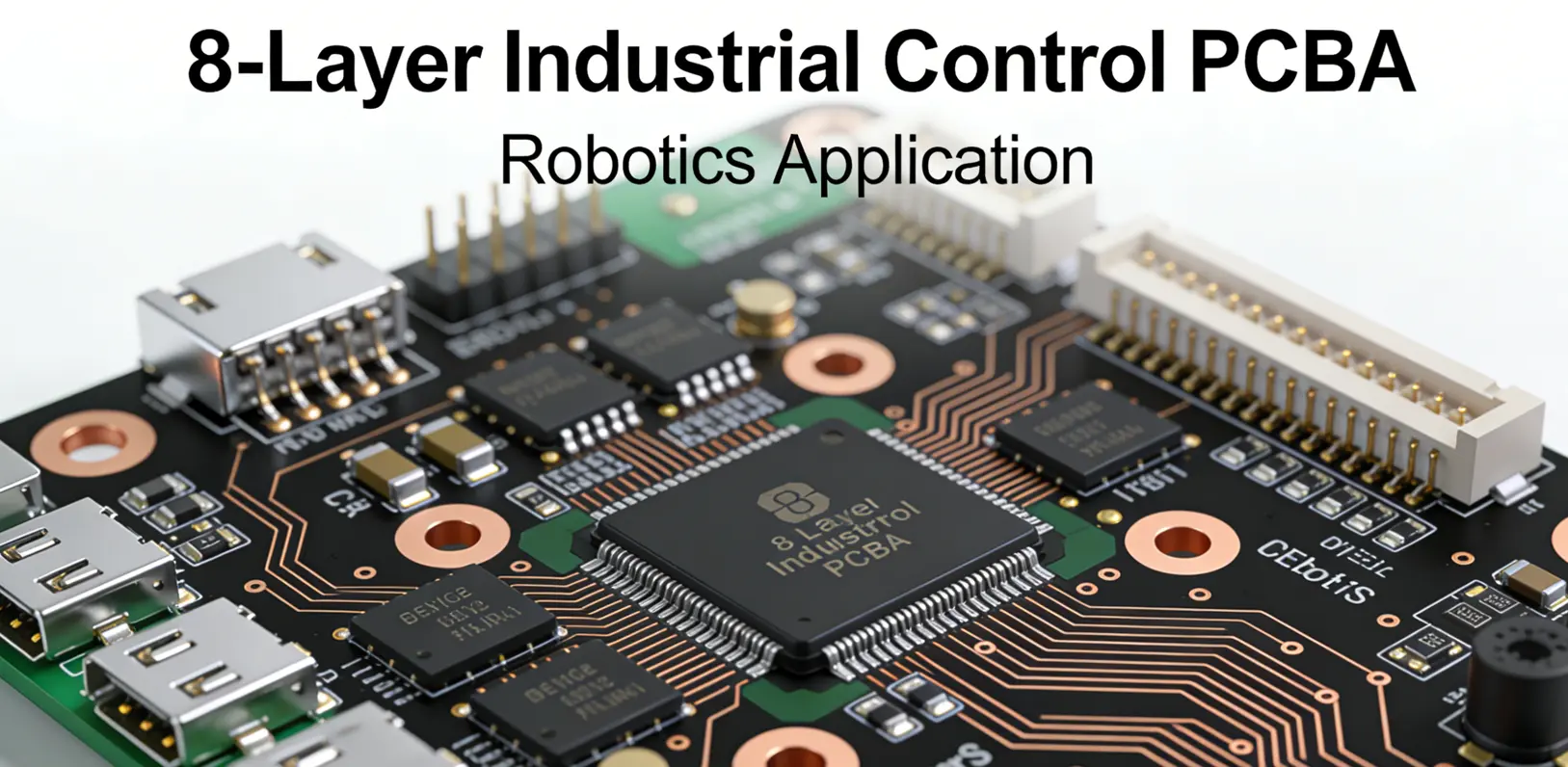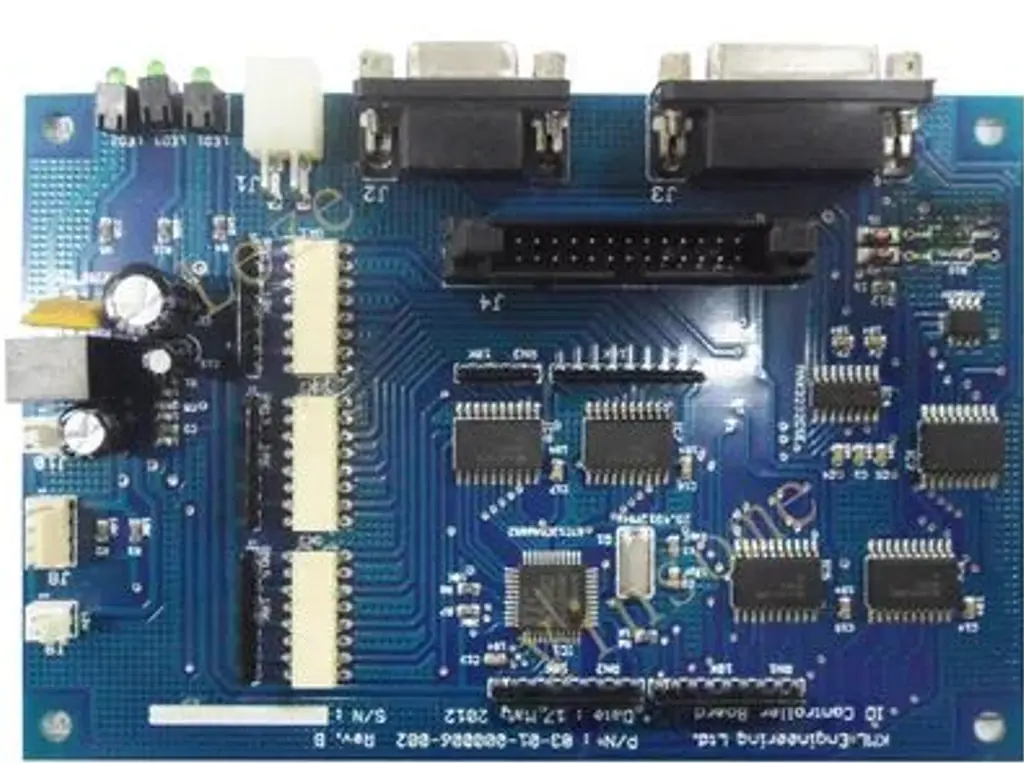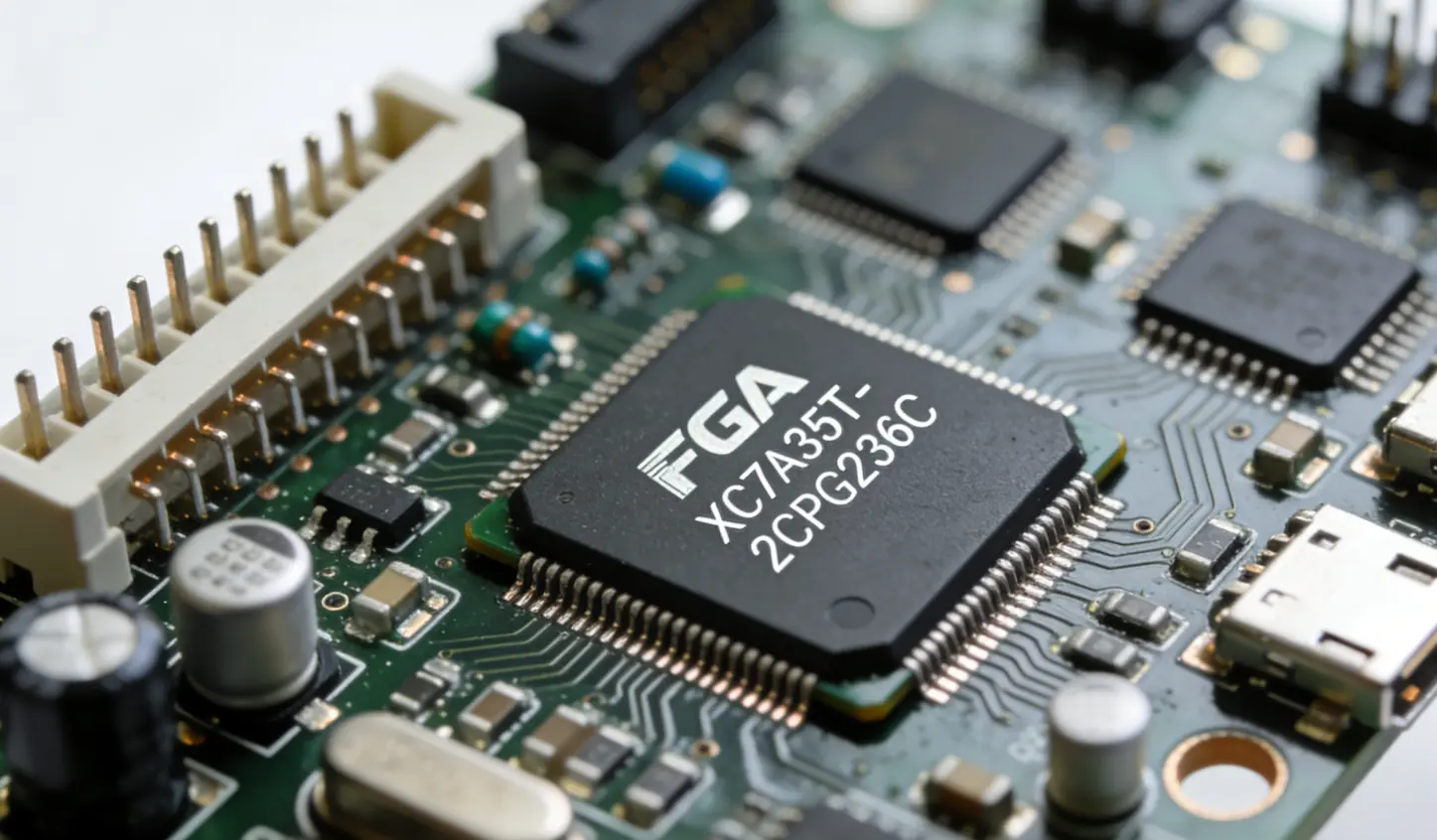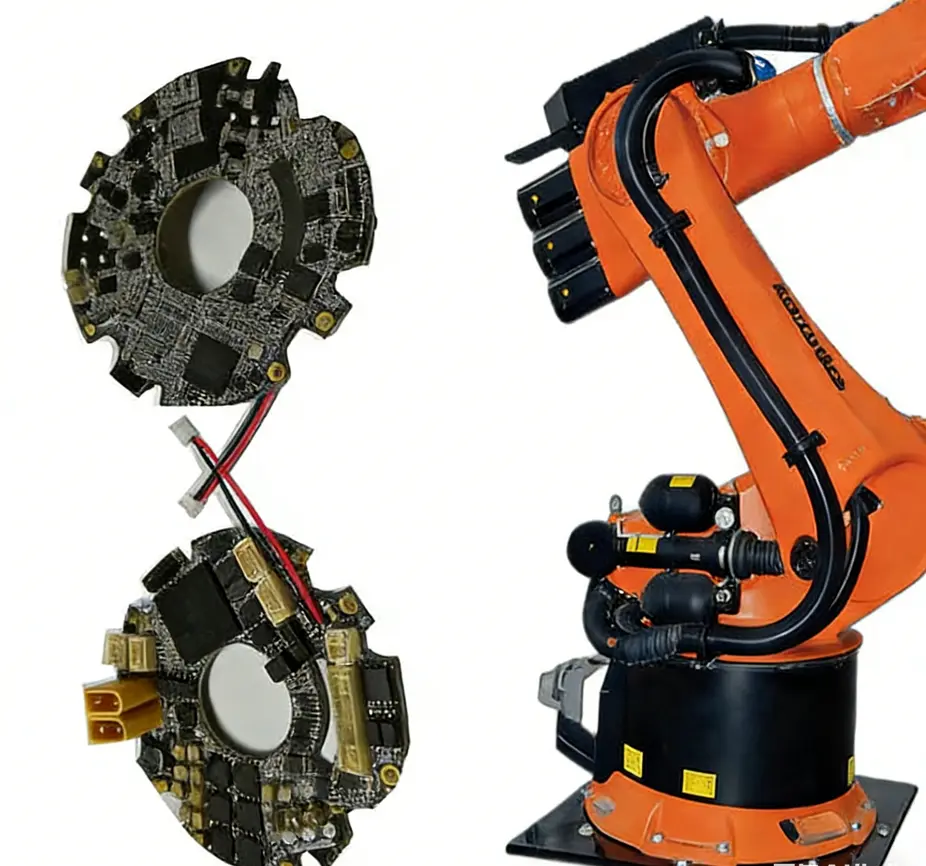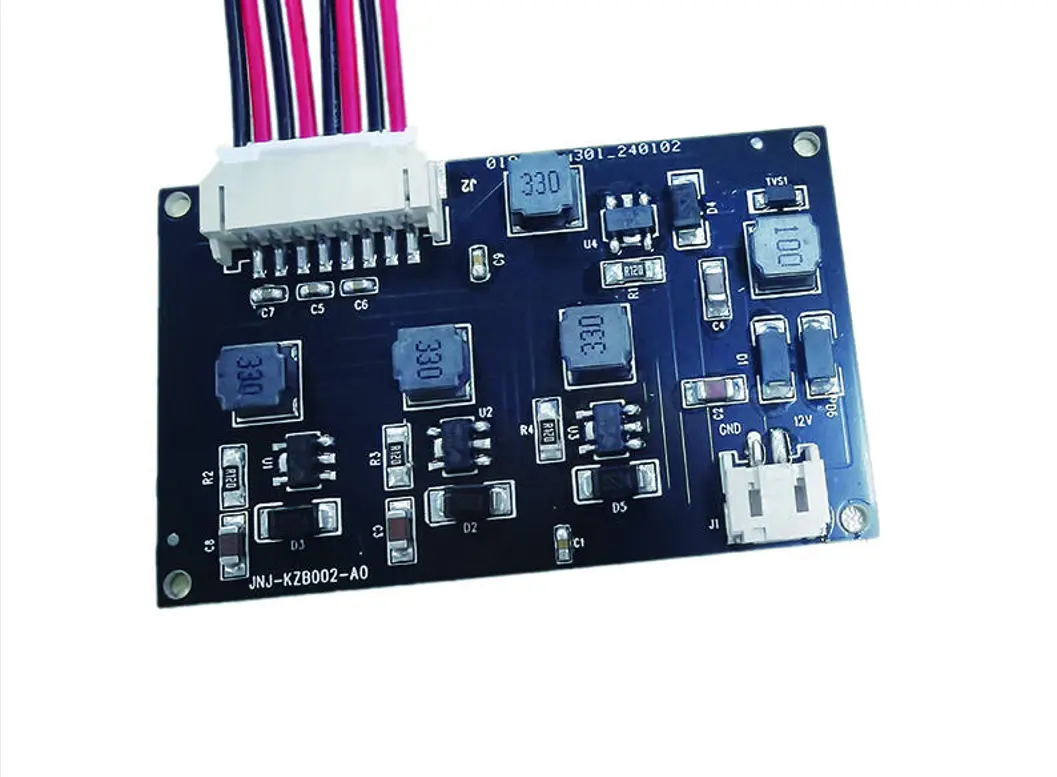
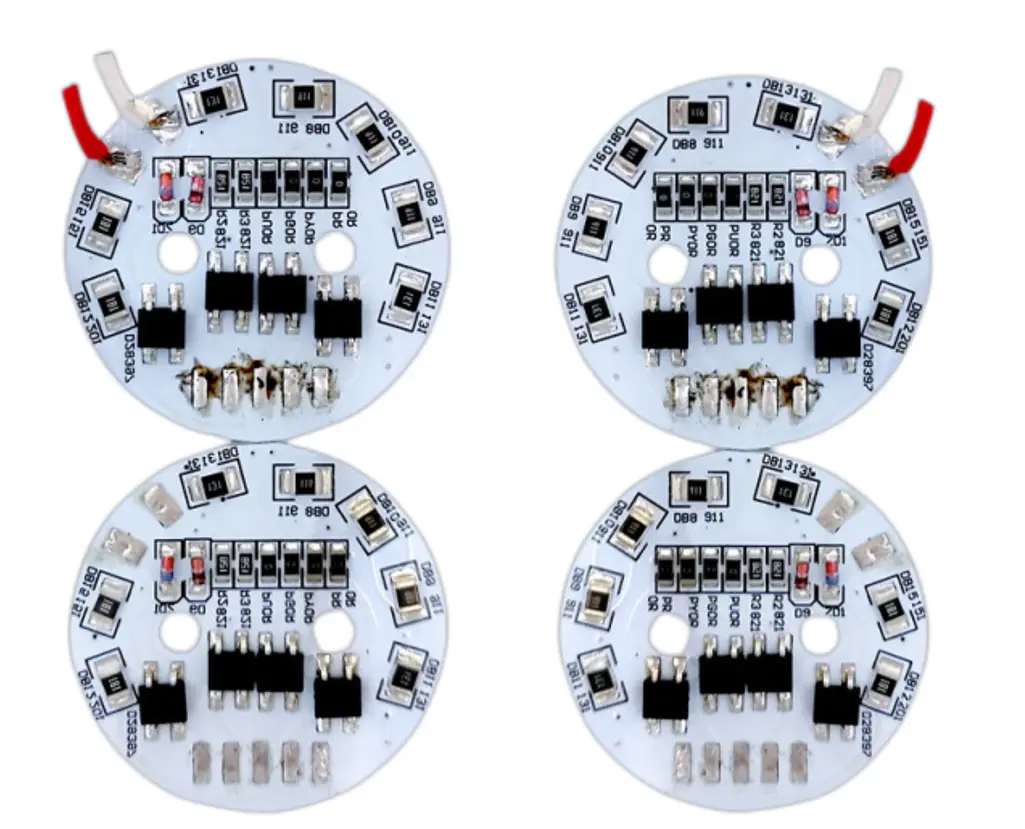
LED Driver Printed Circuit Board Assembly (PCBA) is the core component that powers and regulates light-emitting diode (LED) systems, bridging the gap between raw electrical power and stable, efficient LED illumination. As LED technology evolves toward higher power density, longer lifespan, and broader industrial applications, the manufacturing standards and technical parameters of LED Driver PCBA have become critical to overall system performance. This article explores the key manufacturing specifications, material selection, and performance optimization strategies for LED Driver PCBA.
1. Core Material Selection for LED Driver PCBA
The substrate material of the PCB (Printed Circuit Board) forms the foundation of LED Driver PCBA, directly impacting thermal management, electrical insulation, and durability:
· FR-4 PCB: The standard choice for low-to-medium power LED drivers (≤50W). FR-4 offers excellent electrical insulation (dielectric strength ≥20kV/mm) and cost-effectiveness, making it ideal for consumer lighting applications such as household LED bulbs and downlights. Its flame retardancy complies with UL 94 V-0 standards, ensuring safety in enclosed environments.
· Aluminum/MCPCB (Metal Core PCB): For high-power LED drivers (50W–300W), aluminum-based PCBs or MCPCBs are preferred for their superior thermal conductivity (1.5–20 W/m·K). The metal core dissipates heat generated by power components (e.g., MOSFETs, rectifiers) away from sensitive circuitry, preventing thermal degradation and extending the driver’s operational lifespan.
· Ceramic PCB (Al₂O₃/AlN): Designed for ultra-high power LED systems (≥300W) or harsh industrial environments, ceramic PCBs deliver thermal conductivity up to 200 W/m·K. They withstand extreme temperatures (-55°C to +150°C) and offer exceptional chemical resistance, making them suitable for automotive, aerospace, and industrial lighting applications.
Copper thickness is another critical material consideration: 1 oz (35μm) copper suffices for low-current drivers, while 2–4 oz (70–140μm) copper is required for high-current circuits (≥10A) to minimize resistance and heat generation. Multi-layer PCBs (2–6 layers) are used for complex driver topologies (e.g., constant current/voltage regulation, PWM dimming), enabling compact design and improved signal integrity.
2. Key Manufacturing Technical Parameters
Precision in manufacturing parameters ensures the reliability and consistency of LED Driver PCBA:
· Track Dimensions: Minimum track width of 0.15mm (6mil) and track spacing of 0.15mm (6mil) balance precision and insulation reliability. For high-voltage drivers (≥600V), track spacing is increased to 0.25mm (10mil) to prevent arcing and short circuits.
· Hole Sizing: Microvias (0.2mm/8mil) are used for high-density surface-mount technology (SMT) components, while through-holes (0.3mm/12mil) accommodate through-hole technology (THT) components like connectors and electrolytic capacitors.
· Surface Finish: HASL (Lead-Free) is cost-effective for general applications, while ENIG (Electroless Nickel Immersion Gold) provides superior corrosion resistance and solderability for high-reliability industrial drivers. OSP (Organic Solderability Preservative) is ideal for fine-pitch SMT components (e.g., 0201/0402 resistors/capacitors).
· Voltage & Temperature Ratings: Industrial-grade LED Driver PCBA supports operating voltages up to 1000V (reinforced insulation) and a temperature range of -40°C to +125°C, meeting the demands of outdoor and industrial lighting environments.
· Compliance Standards: RoHS 2 (2011/65/EU) and REACH compliance ensure no hazardous substances (e.g., lead, mercury) are used, while IPC-A-600 Class 2 (commercial) or Class 3 (high-reliability) standards guarantee assembly quality.
3. Performance Optimization for LED Driver PCBA
Beyond material and manufacturing specs, design and assembly choices optimize LED Driver PCBA performance:
· Thermal Management: Solder mask selection plays a role in heat reflection—white solder mask enhances light reflection for LED module integration, while black solder mask absorbs heat in high-power drivers. Thermal vias (plated holes connecting copper layers to the metal core) further improve heat dissipation.
· Impedance Control: Maintaining ±10% impedance tolerance on signal traces is critical for PWM dimming circuits (20kHz–1MHz), ensuring stable dimming performance without flicker or signal distortion.
· Component Compatibility: SMT components (0201 to BGA packages) enable miniaturization, while THT components provide mechanical stability for high-vibration applications. Component placement is optimized to separate high-voltage and low-voltage circuitry, reducing electromagnetic interference (EMI).
· Flame Retardancy: UL 94 V-0 rated PCBs prevent fire spread in the event of component failure, a mandatory requirement for commercial and industrial lighting systems.
4. Applications and Quality Assurance
LED Driver PCBA is tailored to diverse applications:
· Consumer Lighting: FR-4 based PCBA with 1-layer design for cost-sensitive bulbs and strip lights.
· Commercial Lighting: MCPCB-based PCBA with 2–4 layers for high-bay lights, streetlights, and stadium lighting.
· Industrial/Auto Lighting: Ceramic PCB-based PCBA with 4–6 layers for extreme-temperature and high-vibration environments.
Quality assurance includes in-circuit testing (ICT) to verify component functionality, thermal cycling tests (-40°C to +125°C) to validate durability, and EMI testing to comply with global regulatory standards (e.g., CE, FCC).
Conclusion
LED Driver PCBA is the backbone of modern LED lighting systems, with its performance directly tied to material selection, manufacturing precision, and design optimization. By adhering to rigorous technical parameters—from substrate material (FR-4/MCPCB/Ceramic) to copper thickness, track dimensions, and compliance standards—manufacturers can produce LED Driver PCBA that delivers high efficiency, long lifespan, and reliability across consumer, commercial, and industrial applications. As LED technology advances, continuous refinement of PCBA manufacturing processes will remain essential to meeting the growing demand for energy-efficient and high-performance lighting solutions.
|
Parameter Category |
Specifications |
|
Substrate Material |
FR-4 (Standard), Aluminum (High Thermal Conductivity), MCPCB (Metal Core PCB for High Power LEDs), Ceramic PCB (Al₂O₃/AlN for Ultra-High Heat Dissipation) |
|
Copper Thickness |
1 oz (35μm), 2 oz (70μm), 3 oz (105μm), 4 oz (140μm)— Customizable for High Current Circuits |
|
Number of Layers |
1-layer, 2-layer, 4-layer, 6-layer — Multi-layer for Complex Driver Topologies |
|
Board Thickness |
0.8mm, 1.0mm, 1.2mm, 1.6mm, 2.0mm — Standard; Custom Thickness Available |
| Minimum Track Width |
0.15mm (6mil), 0.2mm (8mil), 0.25mm (10mil) — Dependent on Current & Precision |
|
Minimum Track Spacing |
0.15mm (6mil), 0.2mm (8mil), 0.25mm (10mil) — Ensures Insulation Reliability |
|
Minimum Hole Size |
0.2mm (8mil) for Microvias; 0.3mm (12mil) for Through-Holes — Compatible with SMT & THT Components |
|
Surface Finish |
HASL (Lead-Free), ENIG (Electroless Nickel Immersion Gold), OSP (Organic Solderability Preservative), Immersion Silver, Immersion Tin |
|
Thermal Conductivity |
Aluminum PCB: 1.5–8 W/m·K; MCPCB: 2–20 W/m·K; Ceramic PCB: 20–200 W/m·K |
|
Operating Temperature |
-40°C to +125°C — Industrial Grade; Extended Range (-55°C to +150°C) for Harsh Environments |
|
Voltage Rating |
300V, 600V, 1000V — Reinforced Insulation for High-Voltage LED Drivers |
|
Flame Retardancy |
UL 94 V-0, V-1, V-2 — UL Certified for Safety Compliance |
|
Solder Mask |
Green (Standard), White (Enhanced Light Reflection for LED Modules), Black, Blue, Red — Custom Colors Available |
|
Silkscreen |
White, Black — High-Resolution Printing for Component Labels & Markings |
|
Impedance Control |
±10% Tolerance for Signal Traces — Critical for PWM Dimming Circuits |
|
Component Compatibility |
SMT (0201, 0402, 0603, 0805, QFP, BGA), THT (Capacitors, Resistors, Connectors) |
| RoHS Compliance |
RoHS 2 (2011/65/EU), REACH — Lead-Free & Hazardous Substance-Free |
|
IPC Standards |
IPC-A-600 Class 2 (Commercial Grade), IPC-A-600 Class 3 (High-Reliability Industrial Grade) |