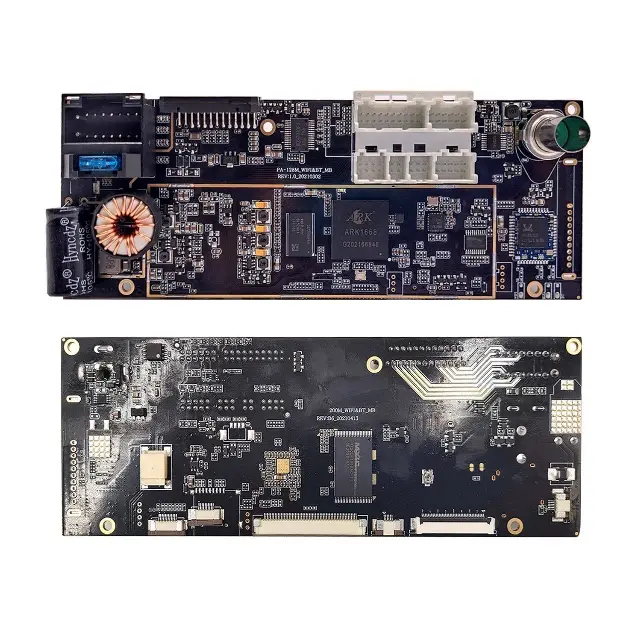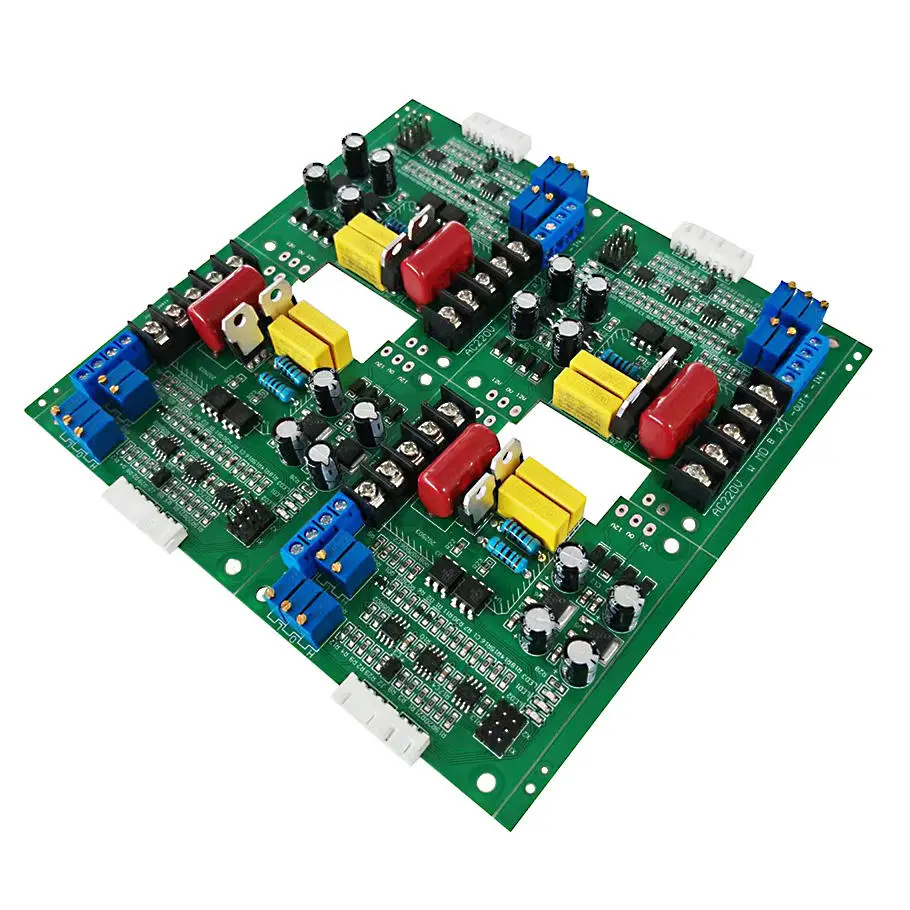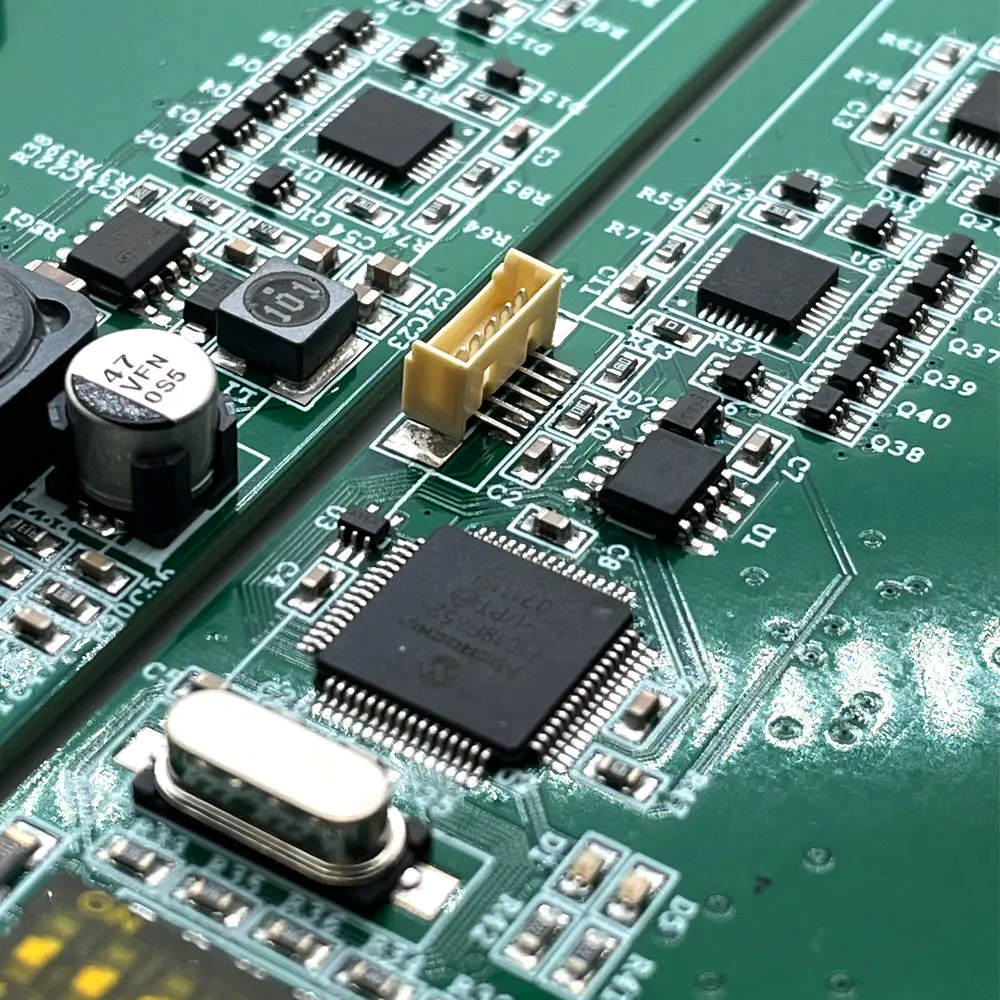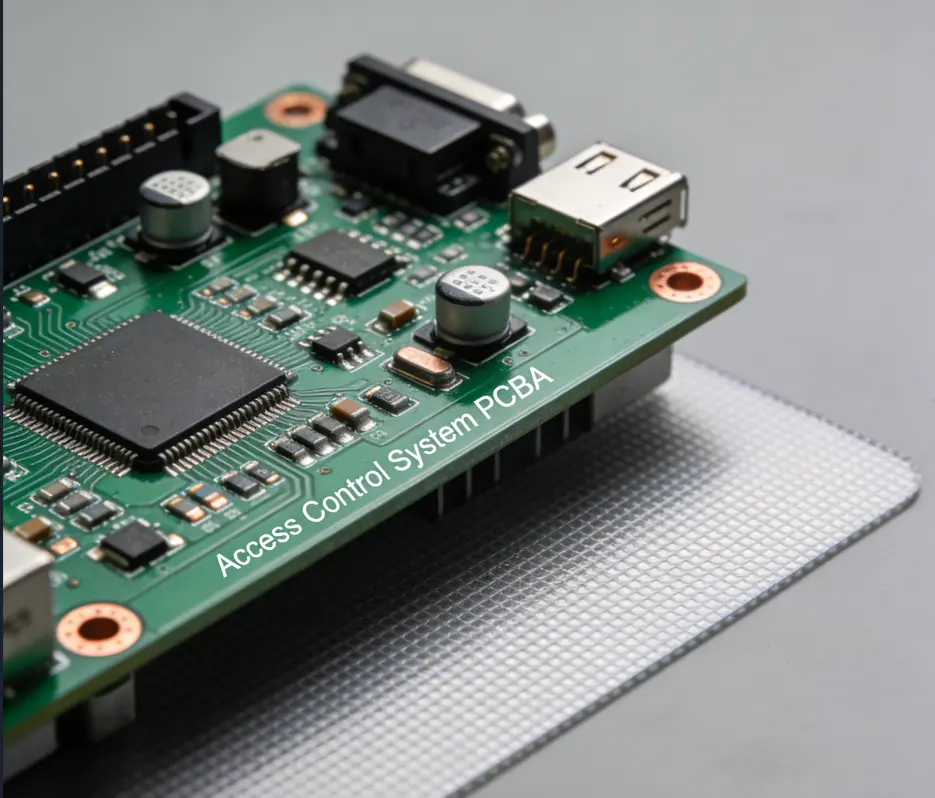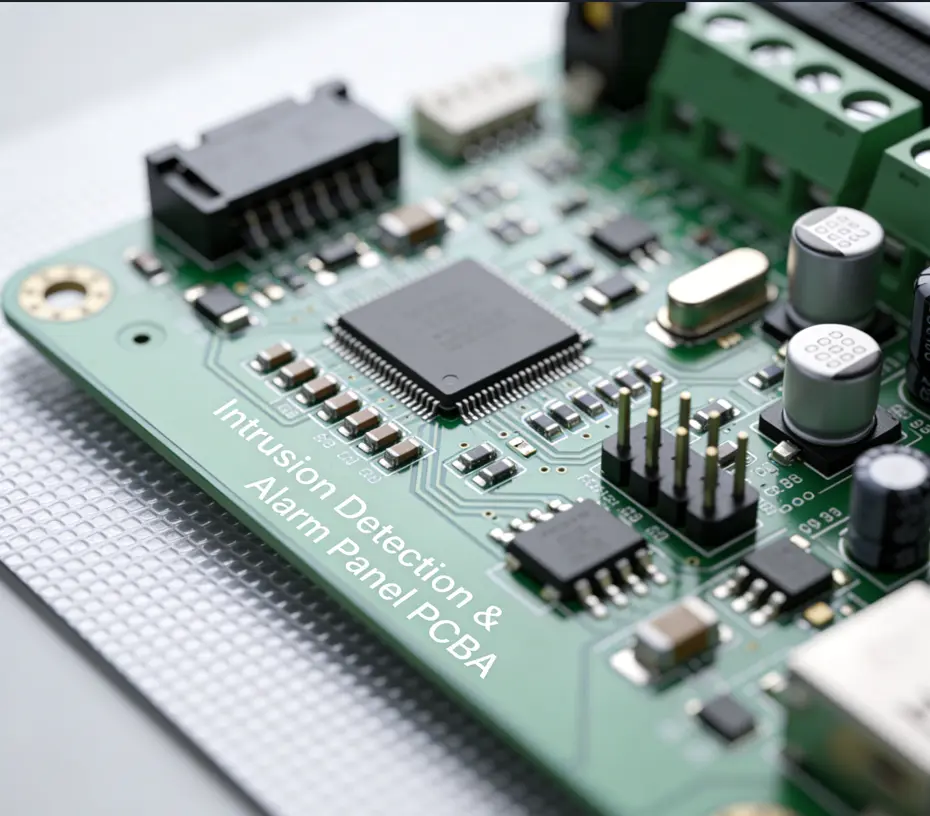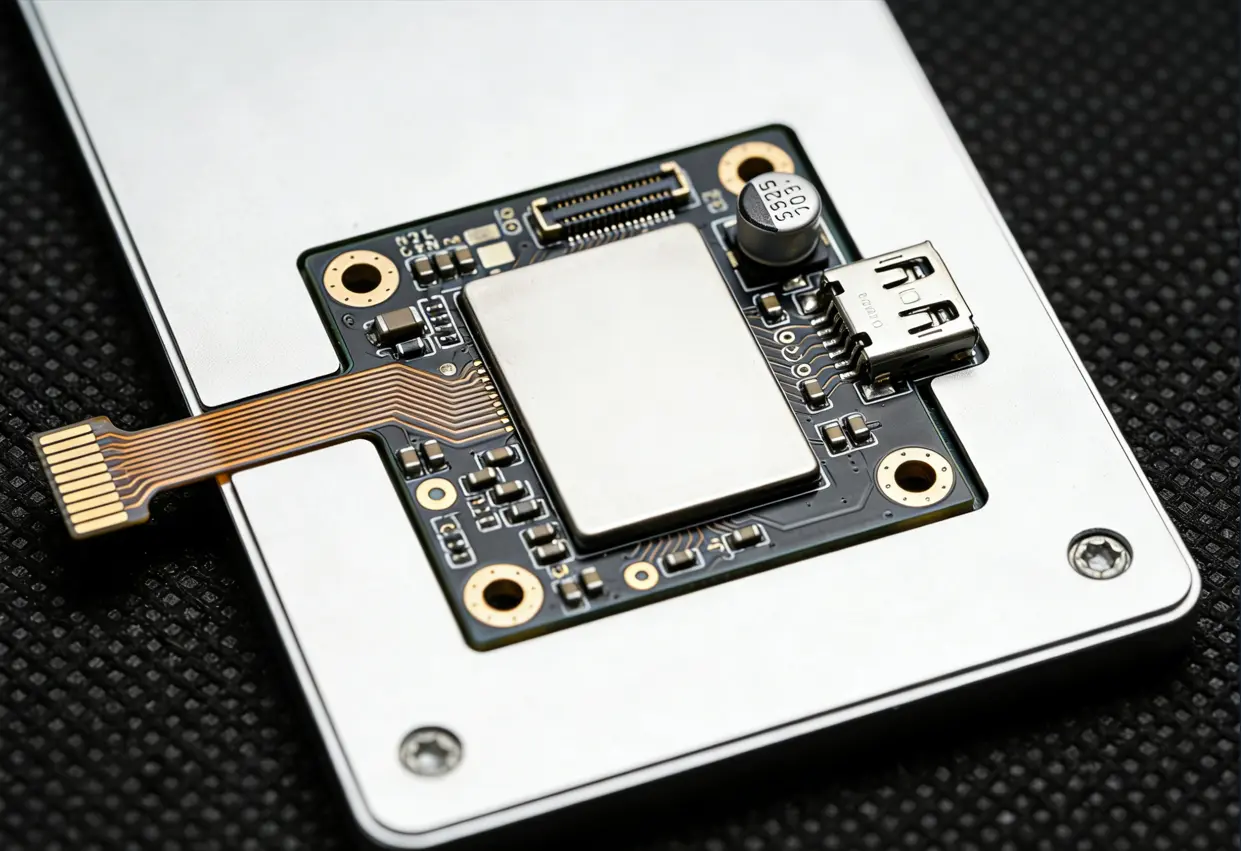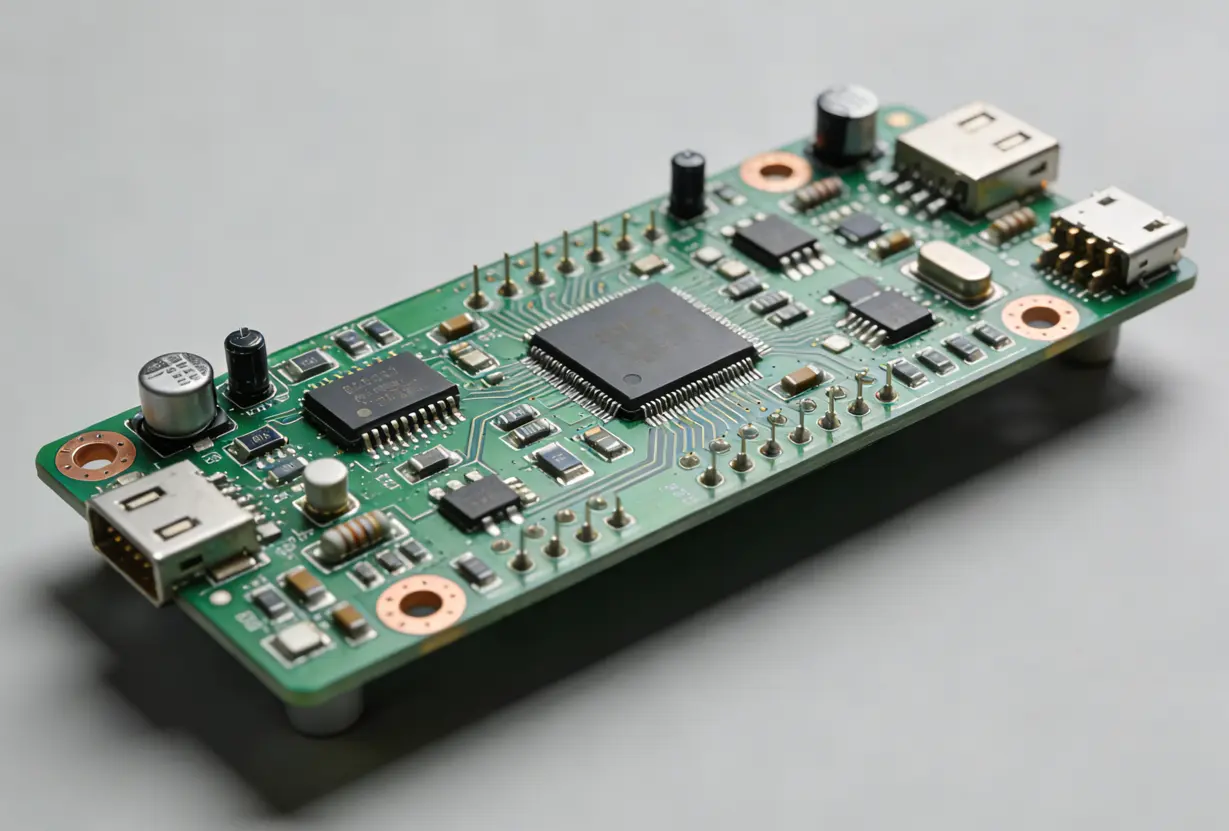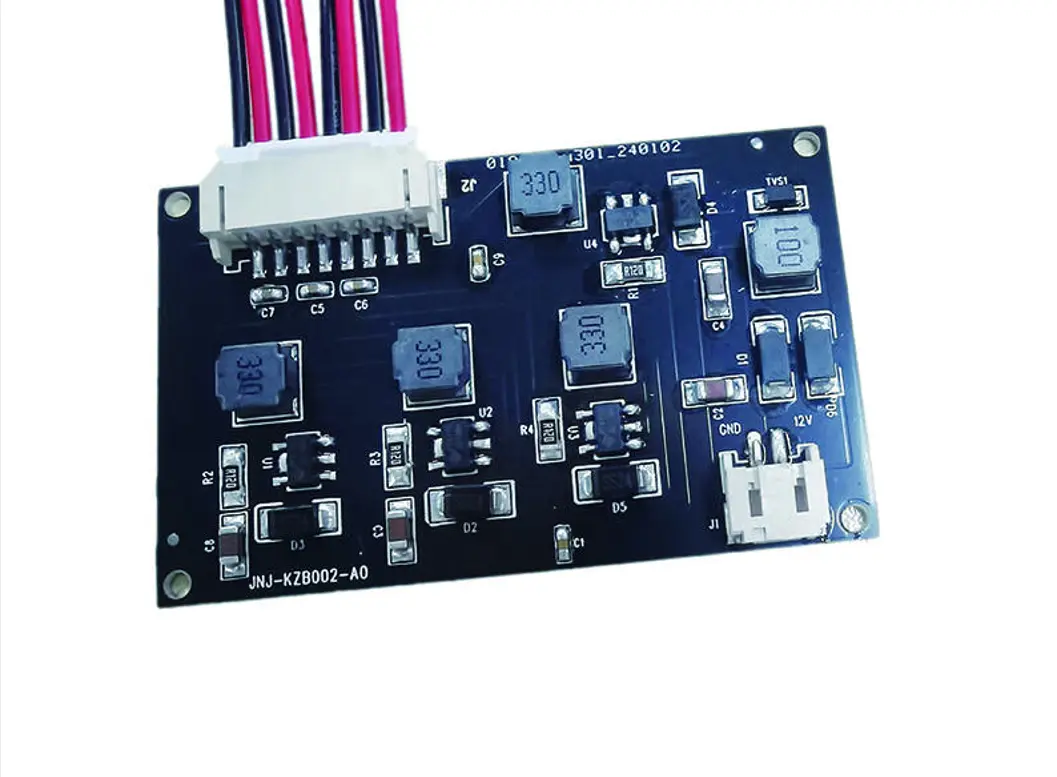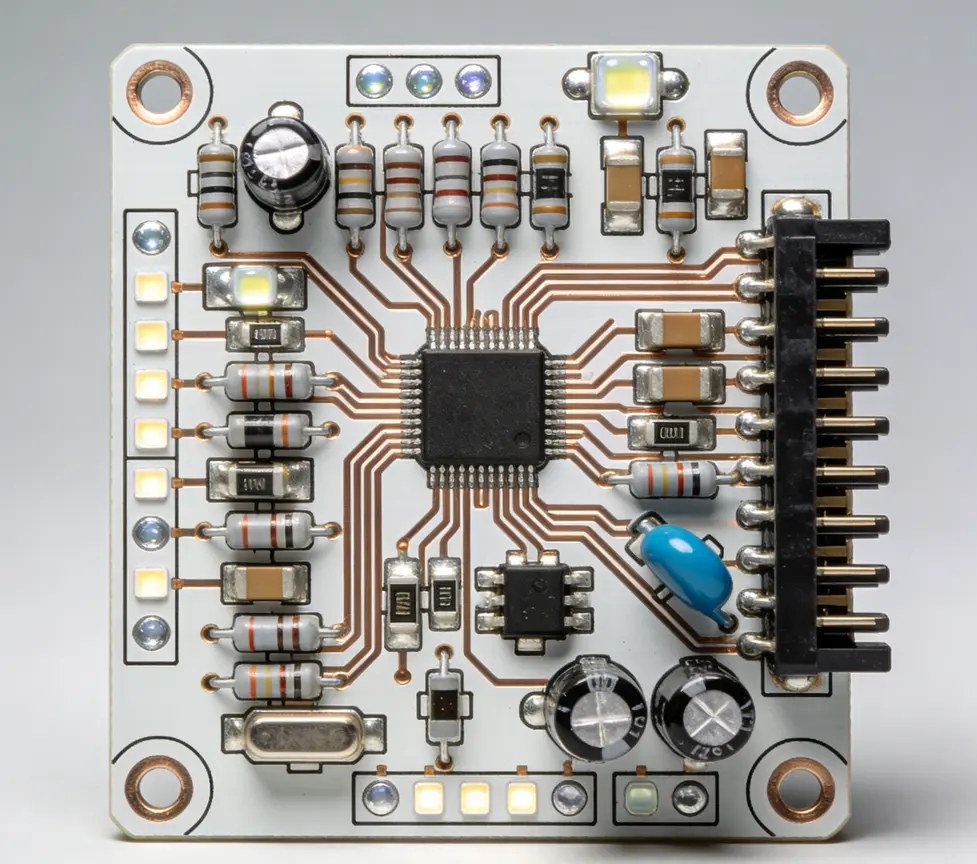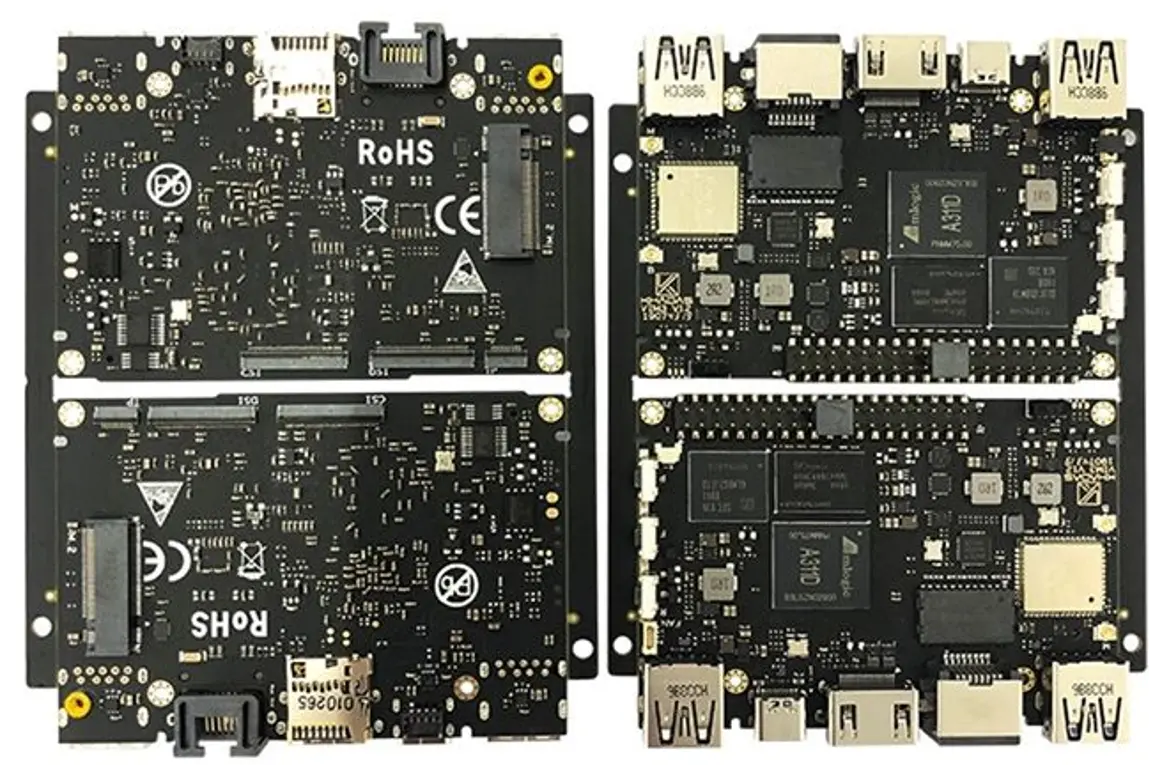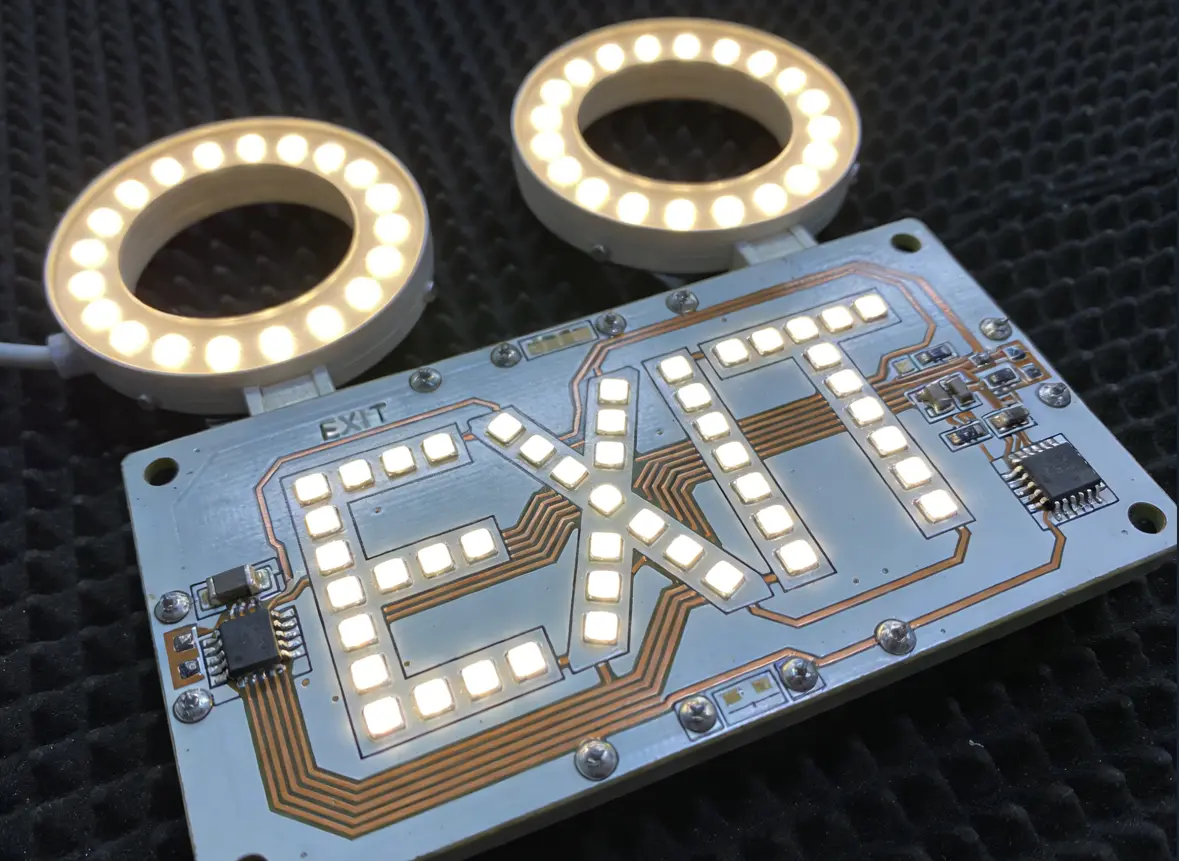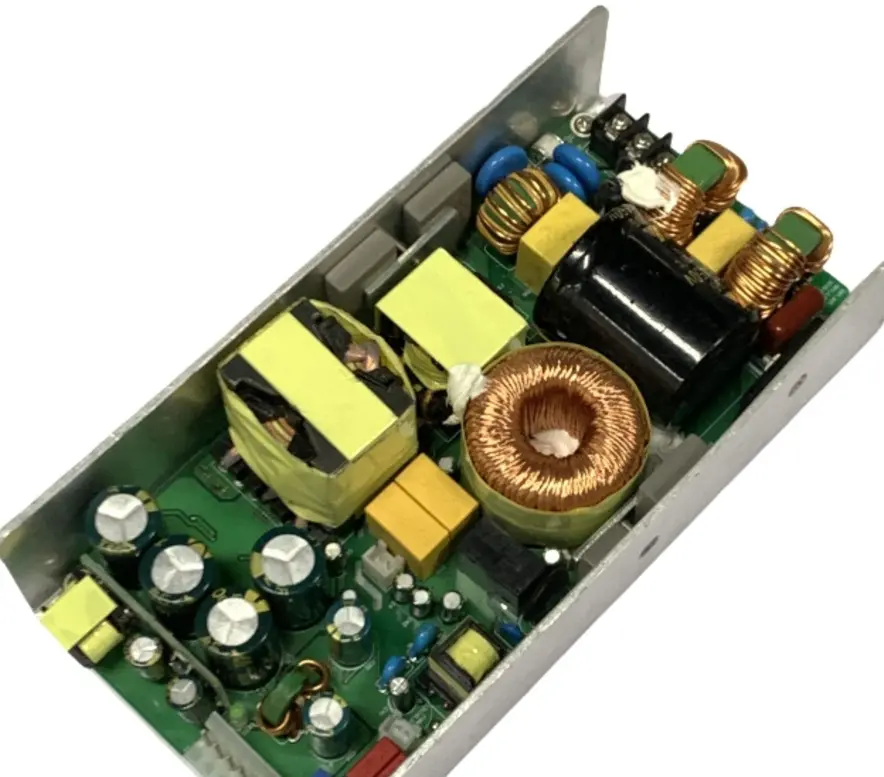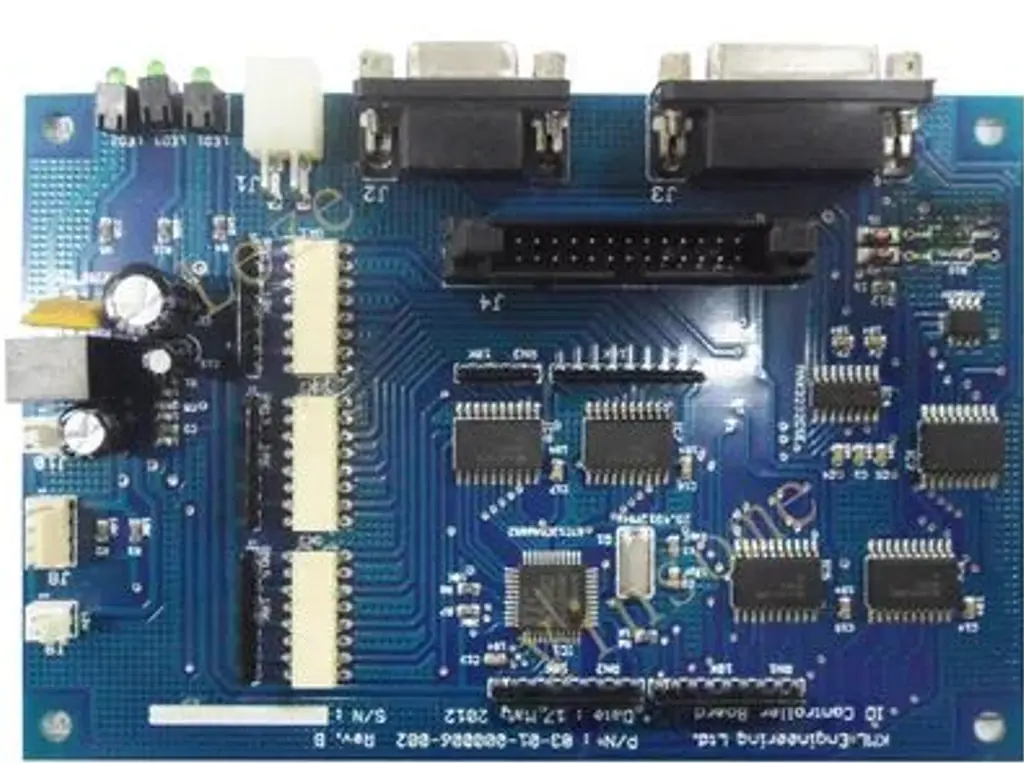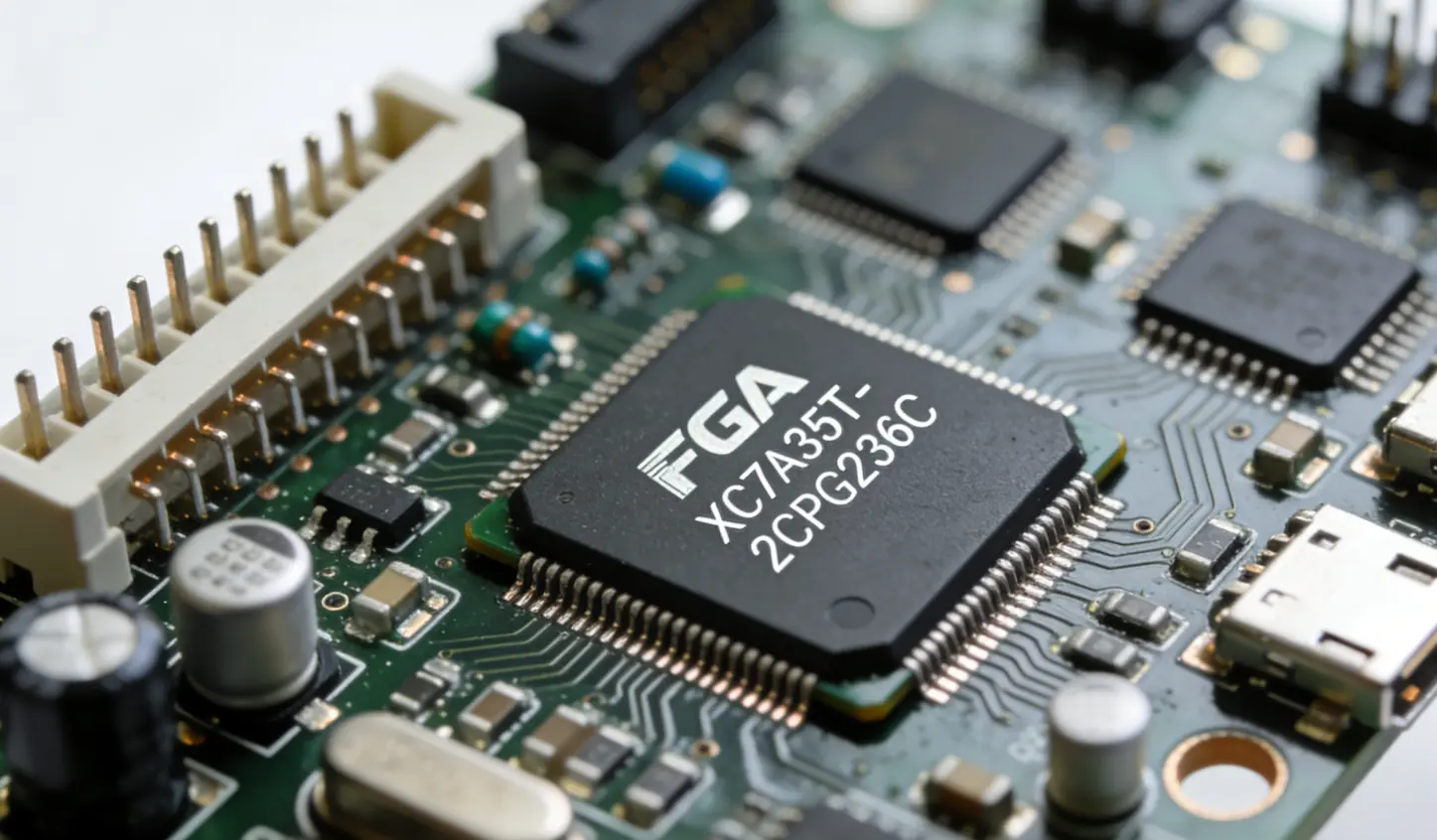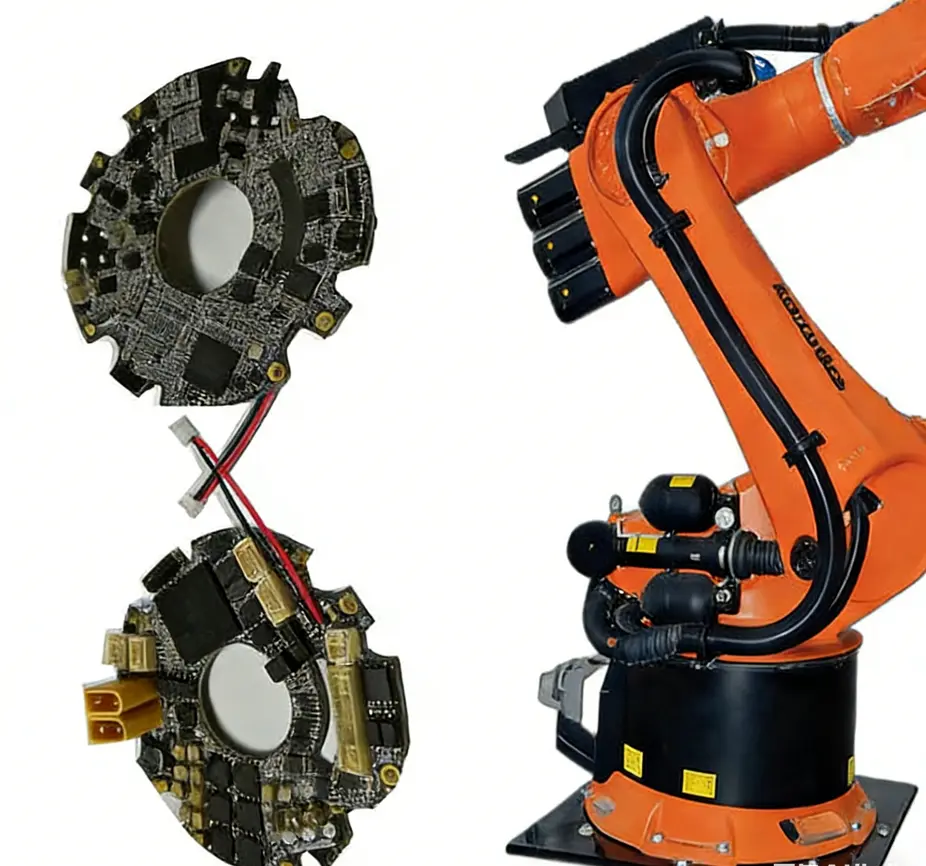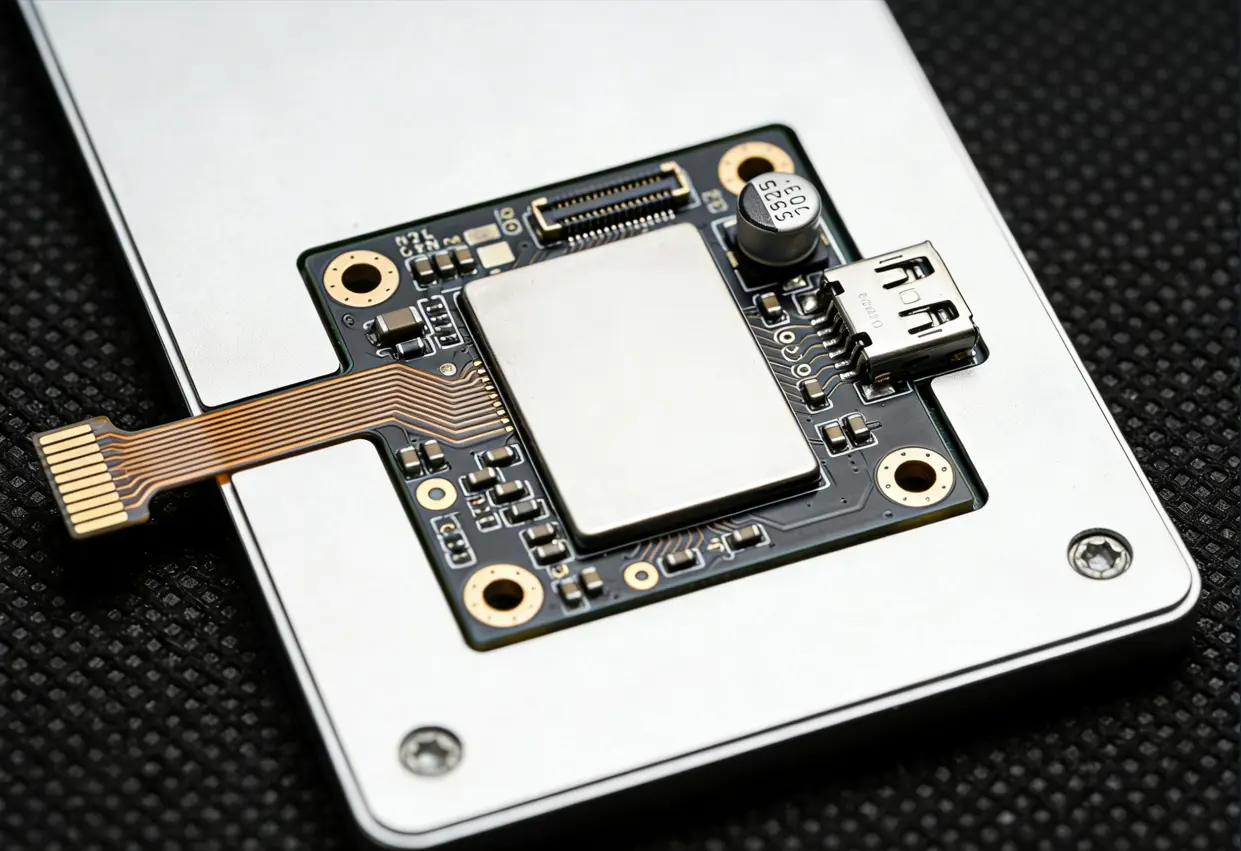

Access Control System Printed Circuit Board Assembly (PCBA) serves as the core hardware foundation for modern access control terminals, dictating the performance, reliability, and adaptability of access control systems in diverse application scenarios. The technical parameters of PCBA directly influence its compatibility with components, environmental resilience, and long-term operational stability. This article details the key technical parameters of access control system PCBA, covering material selection, structural design, manufacturing precision, and compliance standards.
1. Substrate Material and Structural Design
The substrate material is the cornerstone of PCBA performance, with options tailored to different operational requirements:
· Standard Option: FR-4 substrate, the most widely used material for access control PCBA, offering a balance of mechanical strength, electrical insulation, and cost-effectiveness.
· High-Temperature Option: High TG FR-4 (≥170°C), designed for access control terminals operating in high-temperature environments (e.g., outdoor installations in tropical regions), preventing substrate deformation under prolonged heat exposure.
· Heat Dissipation Option: Aluminum-based substrate, ideal for PCBA integrated with high-power components (such as motor-driven lock control modules), effectively dissipating heat to ensure stable operation.
In terms of structural dimensions:
· PCB Thickness: Customizable to 0.8mm, 1.0mm, 1.2mm, or 1.6mm, matching the enclosure design of different access control terminals (e.g., slim wall-mounted terminals often adopt 0.8mm or 1.0mm thickness).
· Layer Count: 2-layer, 4-layer, or 6-layer configurations are available. Multi-layer PCBA (4/6-layer) supports complex circuit layouts for multi-functional access control systems (integrating RFID, WIFI, Bluetooth, and password verification modules), reducing electromagnetic interference between circuits.
· Copper Thickness: Ranges from 1oz (35μm) for standard current scenarios to 2oz (70μm) or 3oz (105μm) for high-current components (e.g., power supply modules), enhancing current-carrying capacity and reducing heat generation.
2. Manufacturing Precision and Process Specifications
High manufacturing precision is critical to ensure the compatibility and reliability of access control PCBA with miniaturized components:
· Minimum Line Width/Spacing: 0.15mm/0.15mm, enabling the integration of compact sensor modules (e.g., fingerprint recognition sensors) and high-density communication chips, optimizing the space utilization of PCBA.
· Surface Finish: Multiple options are provided to meet different soldering and durability requirements:
o HASL (Lead-free): Cost-effective, suitable for general access control applications;
o ENIG (Electroless Nickel Immersion Gold): Excellent corrosion resistance and electrical conductivity, ideal for high-reliability access control systems (e.g., bank or data center terminals);
o OSP (Organic Solderability Preservative): Environmentally friendly, ensuring good solderability for reflow soldering processes;
o Immersion Silver: Balances performance and cost, suitable for medium-to-high-end access control PCBA.
· Solder Mask & Silkscreen: Solder mask colors include green (standard), black, blue, or red (customizable for brand identification), while silkscreen uses white or black for high contrast, facilitating component labeling, QR code printing, and post-maintenance.
3. Component Compatibility and Assembly Standards
Access control PCBA supports hybrid assembly of Surface Mount Device (SMD) and Through-Hole Technology (THT) components to adapt to diverse component types:
· SMD Packaging: Covers 0201, 0402, 0603, 0805 (passive components), as well as QFP, QFN, BGA (high-density integrated circuits), meeting the miniaturization requirements of access control terminals.
· THT Packaging: Includes DIP-8, DIP-14, suitable for connectors, power sockets, and other components requiring high mechanical stability.
· Assembly Precision: SMD component placement accuracy reaches ±0.05mm, with solder joint defect rate ≤ 50 PPM, ensuring low failure rates during mass production and long-term use.
4. Environmental Adaptability and Functional Protection
Access control systems operate in various indoor/outdoor environments, so PCBA must meet strict environmental resilience standards:
· Operating Temperature: -40°C ~ +85°C (industrial grade), adapting to extreme temperature variations in cold regions (e.g., northern Europe) and high-temperature areas (e.g., Middle East).
· Humidity Resistance: IP30 ~ IP65 (depending on conformal coating and enclosure matching), with conformal coating options (acrylic, silicone, epoxy) to prevent moisture, dust, and chemical corrosion in humid or dusty environments (e.g., parking lot access control terminals).
· Power Supply Stability: Supports DC 5V/12V/24V input, with built-in over-voltage, over-current, and reverse polarity protection circuits, avoiding PCBA damage caused by unstable power supply or incorrect wiring.
· Communication Compatibility: PCB layout is optimized for TCP/IP, RS485, WIFI, Bluetooth, NFC, and RFID (13.56MHz/125KHz) modules, ensuring stable data transmission between access control terminals and central management systems.
5. Testing and Compliance Standards
To ensure product quality and global market access, access control PCBA undergoes rigorous testing and complies with international standards:
· Testing Protocols: 100% Automated Optical Inspection (AOI) for solder joint and component placement defects; X-Ray Inspection for BGA/QFN components (hidden solder joints); In-Circuit Test (ICT) for circuit connectivity; and Functional Test (simulating card swiping, password input, door lock control) to verify real-world performance.
· RoHS Compliance: Fully compliant with RoHS 2.0, restricting hazardous substances (e.g., lead, mercury, cadmium) to meet environmental regulations in Europe, North America, and other markets.
Conclusion
The technical parameters of Access Control System PCBA are tailored to the functional requirements and environmental challenges of access control systems, from substrate material selection to manufacturing precision, and from environmental adaptability to compliance testing. All parameters can be customized according to specific project needs (e.g., ultra-thin PCBA for smart lock terminals, high-heat-dissipation PCBA for outdoor access control kiosks). A detailed Word document of these parameters, including additional application notes and quality control standards, is available for download, providing a comprehensive reference for manufacturers, integrators, and project managers in the access control industry.
|
Parameter Category |
Specification Details |
|
Substrate Material |
FR-4 (Standard), High TG FR-4 (≥170°C), Rogers 4350B |
|
Number of Layers |
2–8 layers (2-layer for basic fingerprint scanners; 4–8 layers for multi-sensor facial/iris recognition systems) |
|
Copper Thickness |
Inner layer: 1oz (35μm) / 2oz (70μm); Outer layer: 1oz (35μm) / 2oz (70μm); Plated through-hole copper: ≥25μm |
|
Board Thickness |
0.8mm–2.0mm (customizable for slim biometric devices like smart locks/phones) |
|
Minimum Line Width/Spacing |
3mil/3mil (75μm/75μm) for standard modules; 2mil/2mil (50μm/50μm) for high-density sensor PCBA |
|
Surface Finish |
ENIG (Electroless Nickel Immersion Gold) – optimal for sensor contact reliability; |
|
Component Mounting Technology |
SMT (Surface Mount Technology) for sensors, ICs, capacitors; |
|
Biometric Sensor Compatibility |
- Fingerprint: Capacitive sensor (500–1000 DPI), Optical sensor (300–500 DPI) |
|
Operating Temperature Range |
Commercial grade: 0°C to +70°C; Industrial grade: -40°C to +85°C (for outdoor biometric terminals) |
|
Humidity Resistance |
IP65-rated conformal coating option for moisture protection (suitable for outdoor access control devices) |
|
Signal Integrity (SI) |
Impedance control: 50Ω (single-ended), 100Ω (differential pairs) for sensor data transmission; |
|
Power Consumption |
Standby current: ≤10μA (for battery-powered devices); |
|
Certifications |
RoHS, REACH, ISO 9001, IPC-A-610 Class 2/3 (Class 3 for medical biometric devices) |